Application Temperature Range Table
| Materials | Medium Temperature (°C) |
|---|
| RPP (Reinforced Polypropylene) | -14°C ~ +90°C |
| UPVC (Unplasticized Polyvinyl Chloride) | -10°C ~ +70°C |
| PVDF (Polyvinylidene Fluoride) | -40°C ~ +140°C |
| CPVC (Chlorinated Polyvinyl Chloride) | -40°C ~ +95°C |
Features
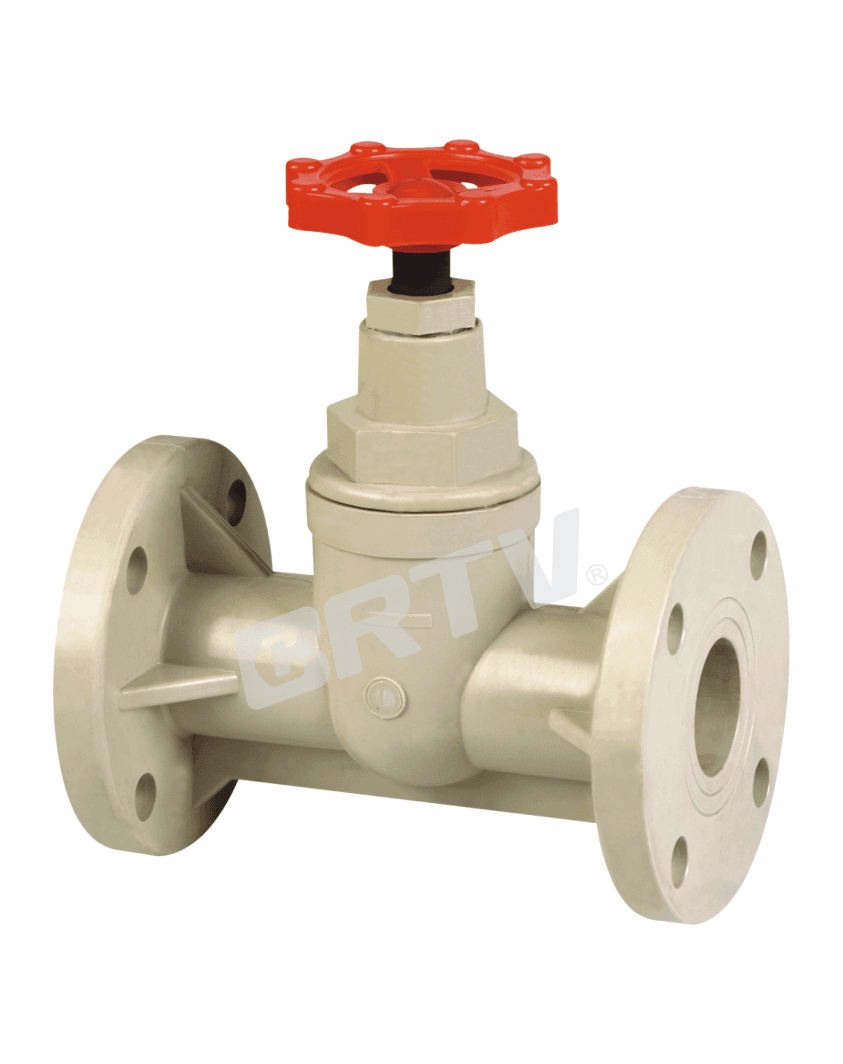
• A cost-effective valve with flow control capability.
• Prevents backflow.
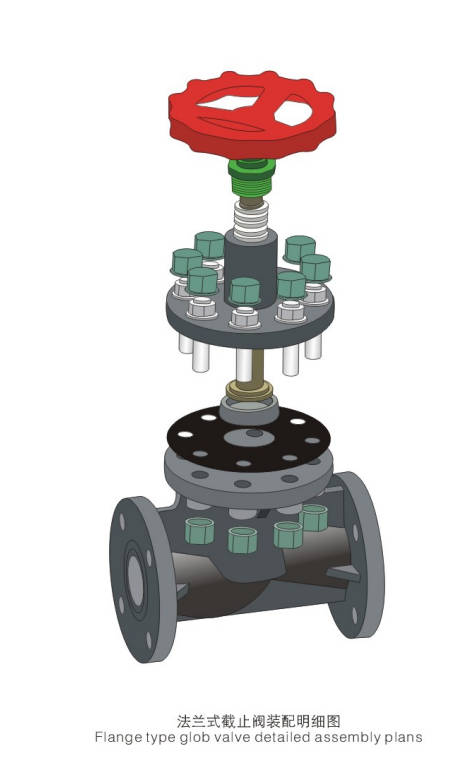
Parts & Material
| No. | Parts | Materials |
|---|
| 1 | Body | FRPP, PPH, PVDF |
| 2 | Disc | FRPP, PPH, PVDF |
| 3 | Cushion | EPDM, FPM |
| 4 | Sleeve | FRPP, PPH, PVDF |
| 5 | Stem | Steel, Stainless Steel, Copper Alloy |
| 6 | Handwheel | ABS |
| 7 | Bonnet | FRPP, PPH, PVDF |
| 8 | Stem Seal | PTFE |
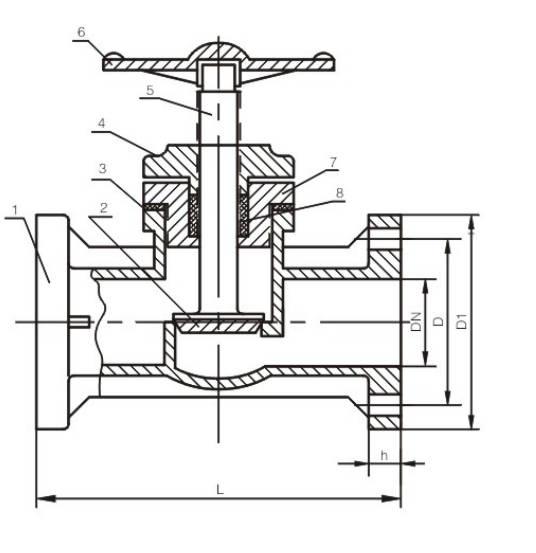
Dimensions Table
| DN | D (mm) | D1 (mm) | L (mm) | h (mm) | n | Φ (mm) | Working Pressure (MPa) |
|---|
| 25 | 85 | 115 | 160 | 16 | 4 | 14 | 0.6 |
| 32 | 100 | 140 | 180 | 16 | 4 | 18 | 0.6 |
| 40 | 110 | 150 | 200 | 18 | 4 | 18 | 0.6 |
| 50 | 125 | 165 | 230 | 18 | 4 | 18 | 0.6 |
| 65 | 145 | 185 | 290 | 22 | 4 | 18 | 0.6 |
| 80 | 160 | 200 | 310 | 25 | 8 | 18 | 0.6 |
| 100 | 180 | 220 | 350 | 25 | 8 | 18 | 0.6 |
| 125 | 210 | 250 | 400 | 30 | 8 | 18 | 0.6 |
| 150 | 240 | 285 | 480 | 30 | 8 | 22 | 0.6 |
Manufacturing Process
Step 1: Order and Design
Based on the customer’s operating conditions (pressure, temperature, and medium), we determine the stop valve’s structural configuration, dimensional standards (DIN/ANSI, etc.), and materials (e.g., PVC, CPVC, PP). We complete 3D drawing design and seal structure optimization to ensure shutoff performance and fluid control accuracy.
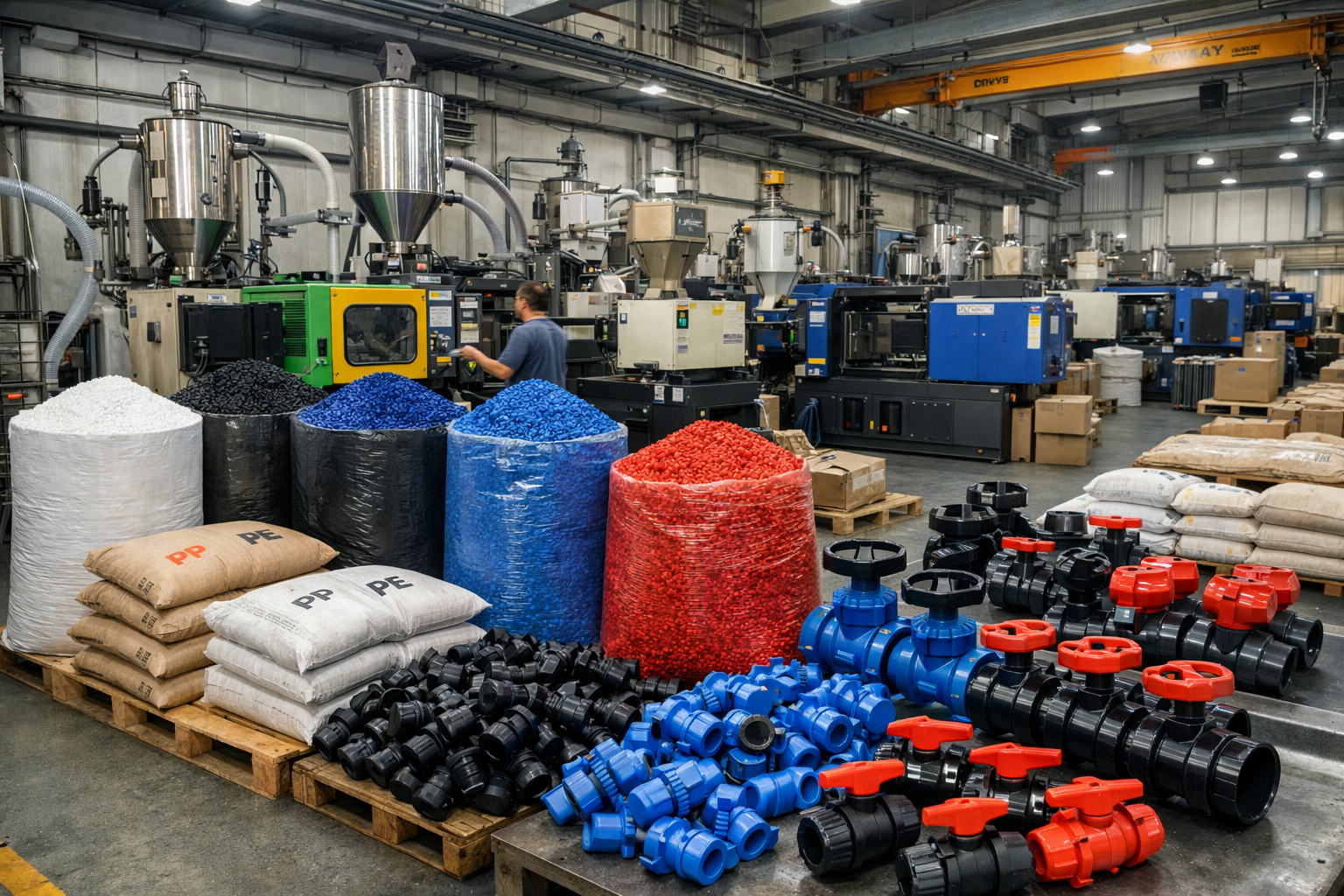
Step 2: Raw Material Preparation & Molding
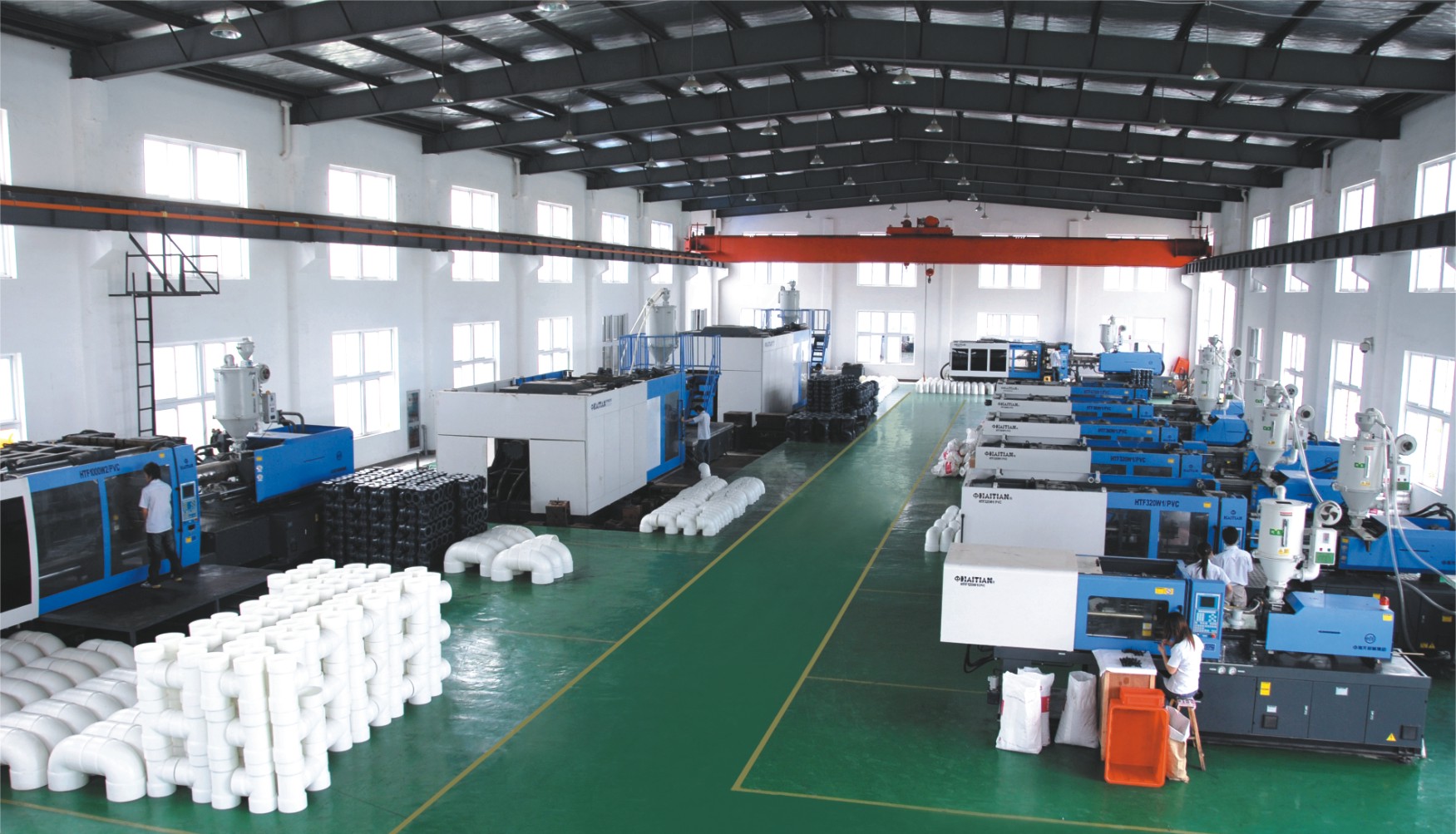
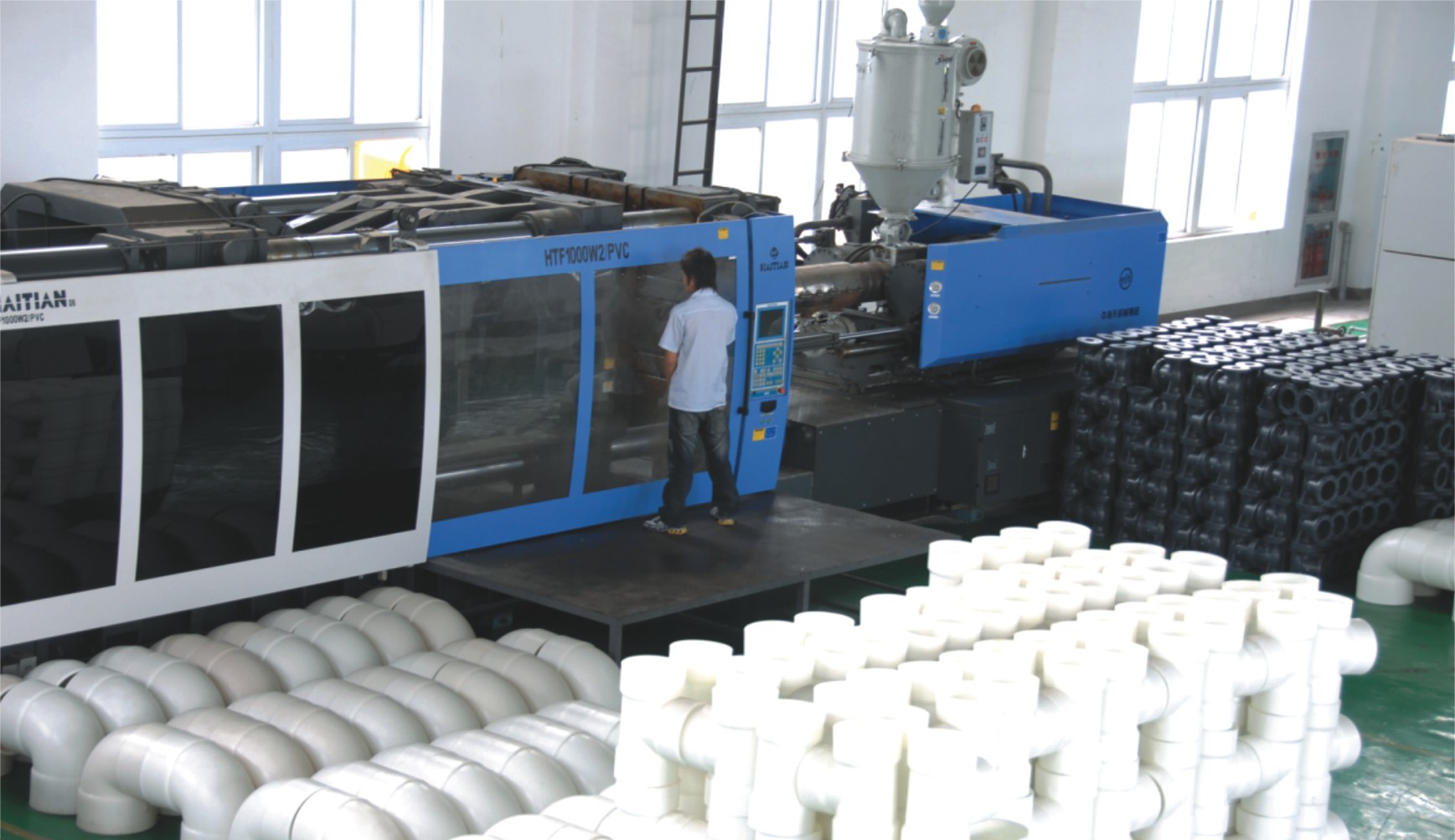
Select high-quality plastic raw materials, which are dried before injection molding. Key components such as the valve body, bonnet, and handwheel are formed using precision molds to ensure the stop valve has excellent dimensional stability and corrosion resistance.
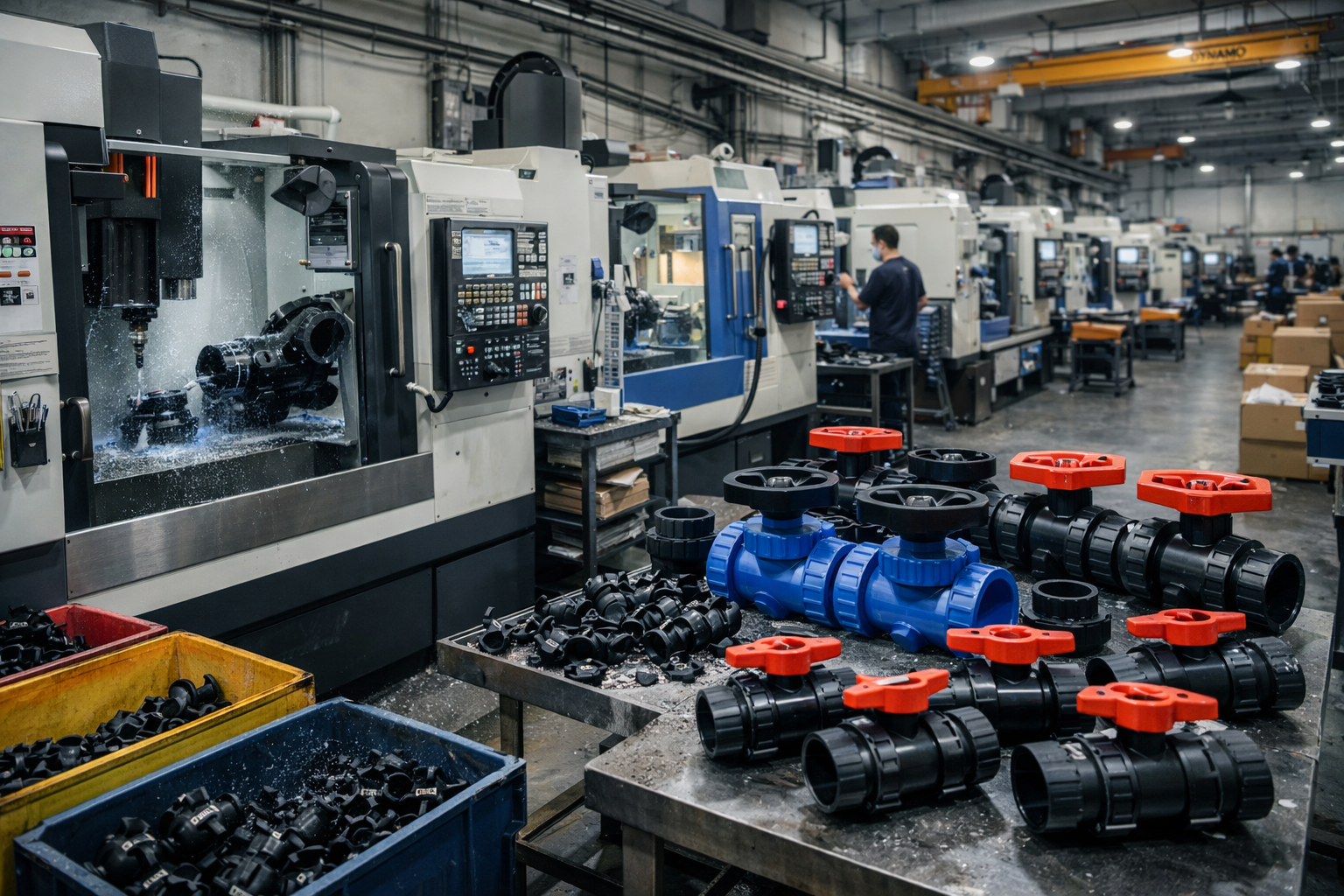
Step 3: Machining
Perform precision machining on the molded components, including flange face turning, sealing surface treatment, and threading. This guarantees the surface finish of the stop valve’s sealing surfaces and assembly precision, thereby enhancing its opening and closing performance and service life.
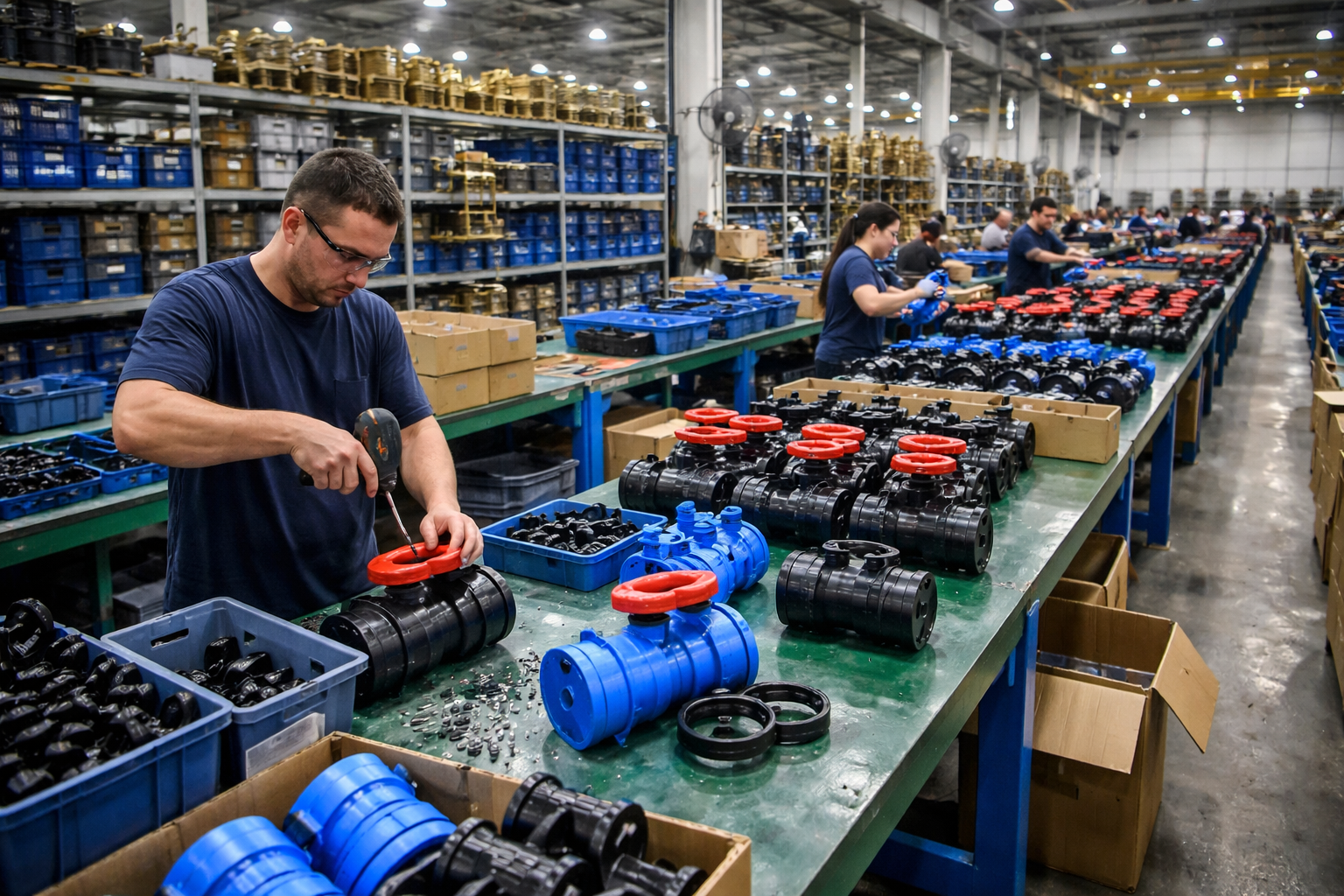
Step 4: Assembly
Assembly is performed according to the process flow, with components such as the valve stem, disc, and seals installed into the valve body. The opening and closing clearance is adjusted to ensure smooth operation, reliable sealing, and no sticking.
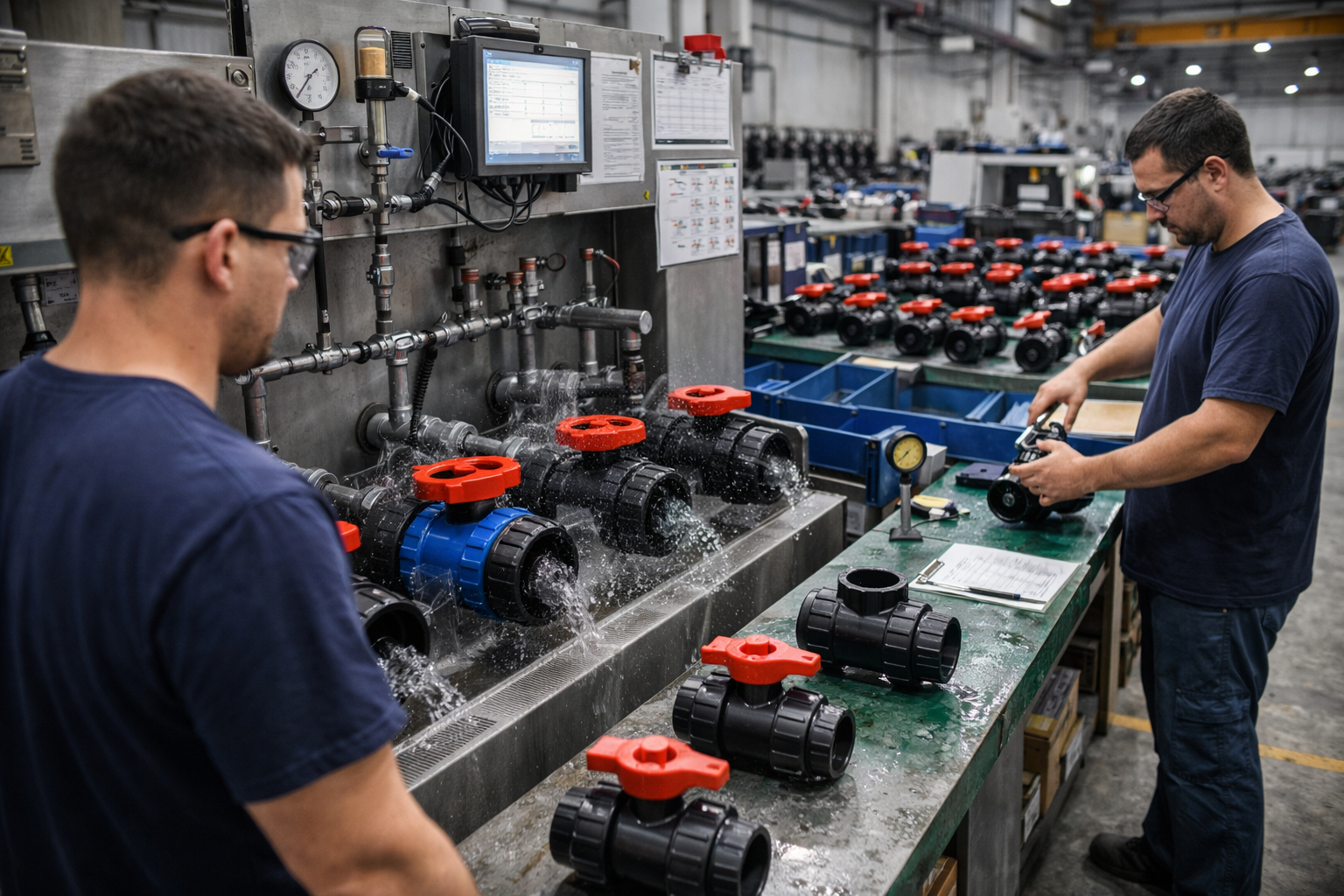
Step 5: Testing & Quality Assurance
Each stop valve undergoes rigorous testing, including hydrostatic testing, seal testing, and visual inspection, to ensure there are no leaks, that pressure resistance meets standards, and that the product complies with relevant industry standards.
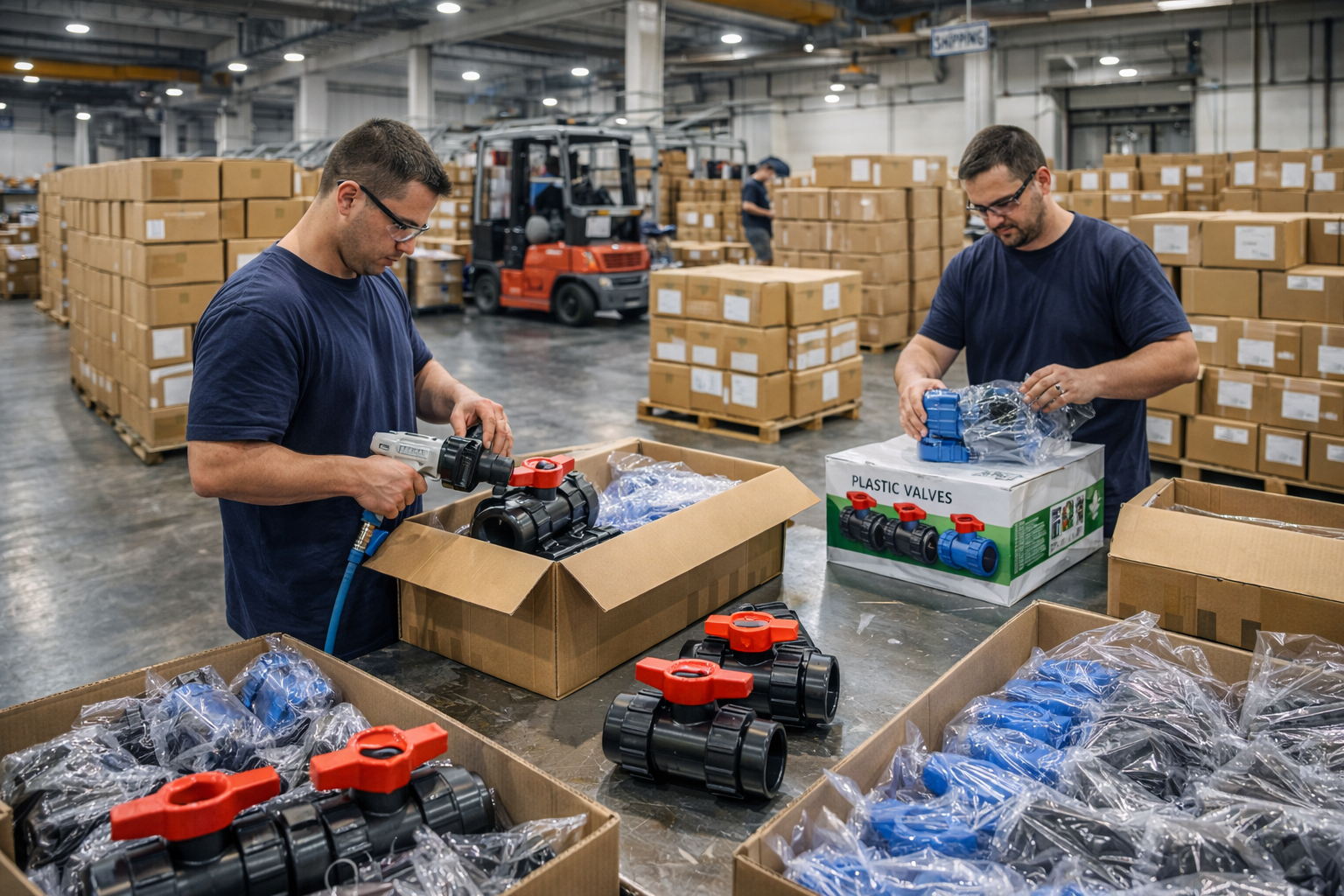
Step 6: Finishing, Packaging and Shipment
After completing cleaning, labeling, and final inspection, the product is packed in protective packaging (e.g., dust bags and cartons). Products are sorted and packed according to order requirements and arranged for shipment to ensure safe delivery to the customer.
Applications
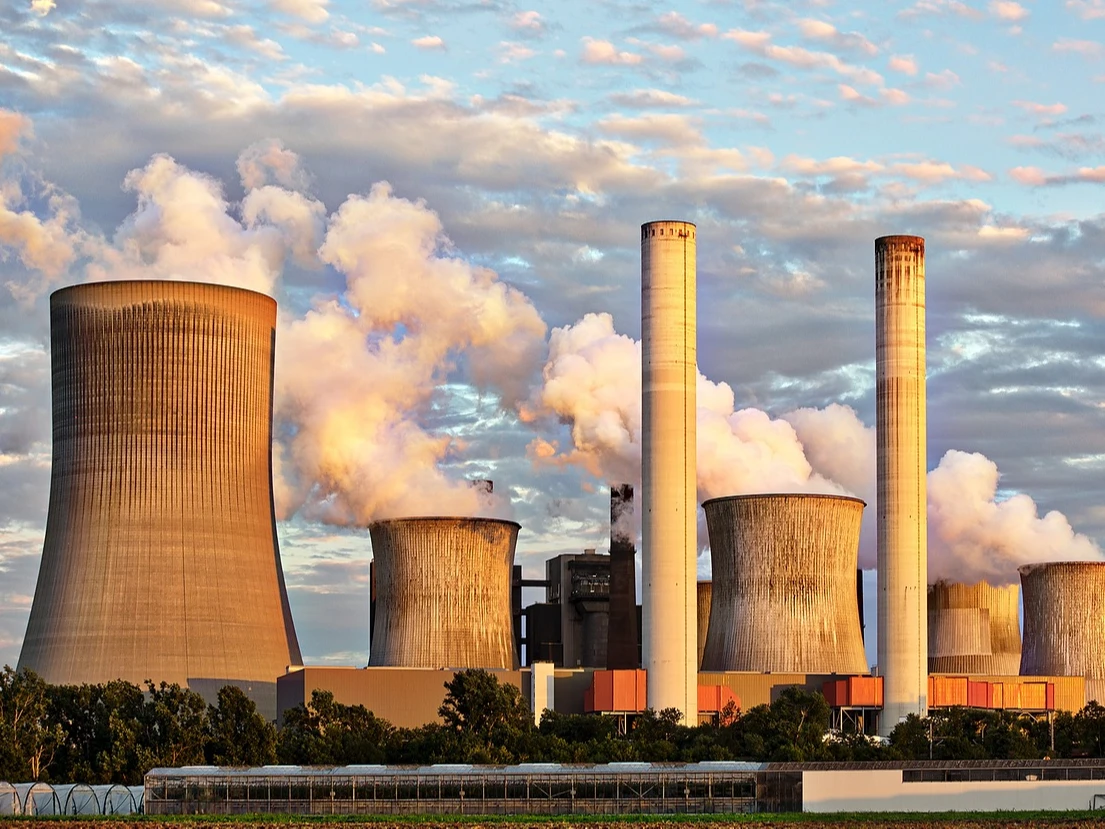
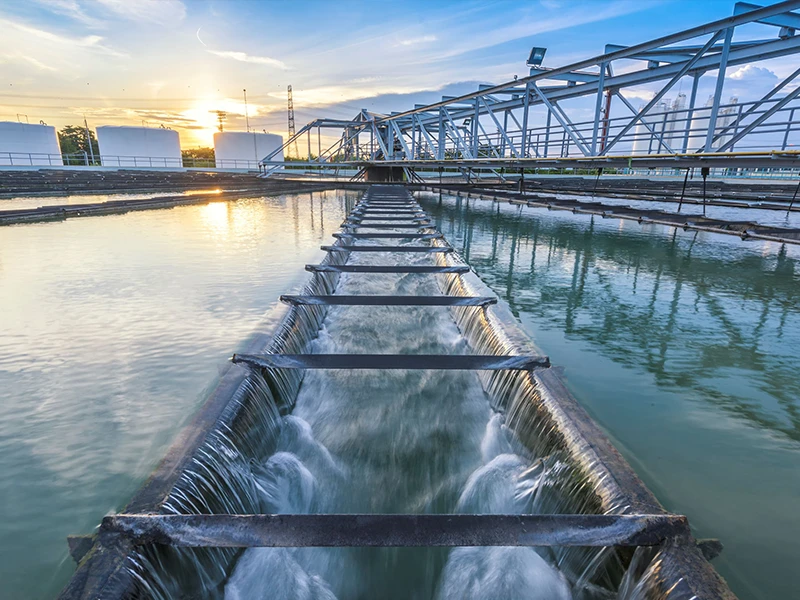
Widely used in the petrochemical, power, water supply and drainage, and HVAC industries
These valves are widely used in:
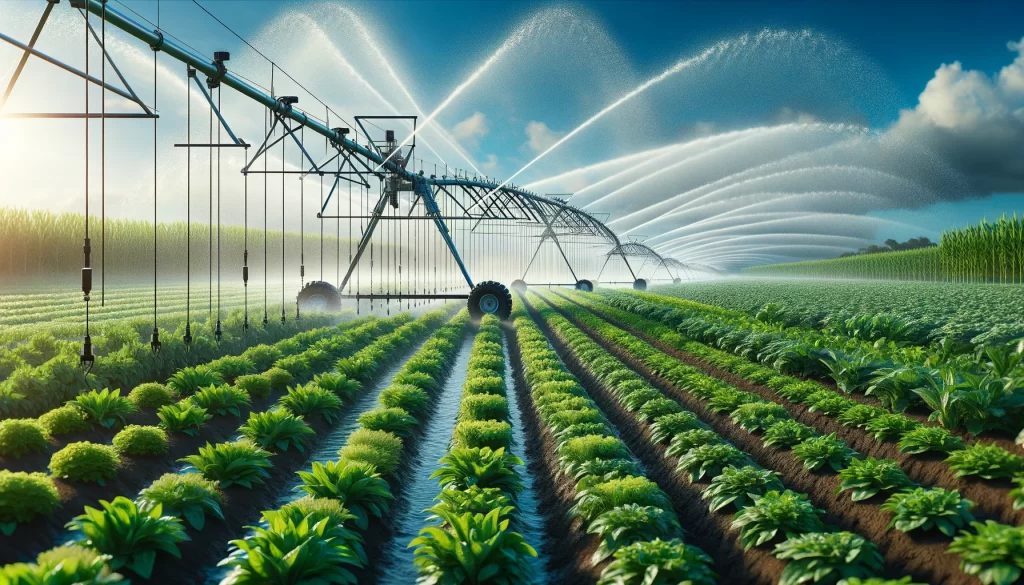
Agriculture and Irrigation
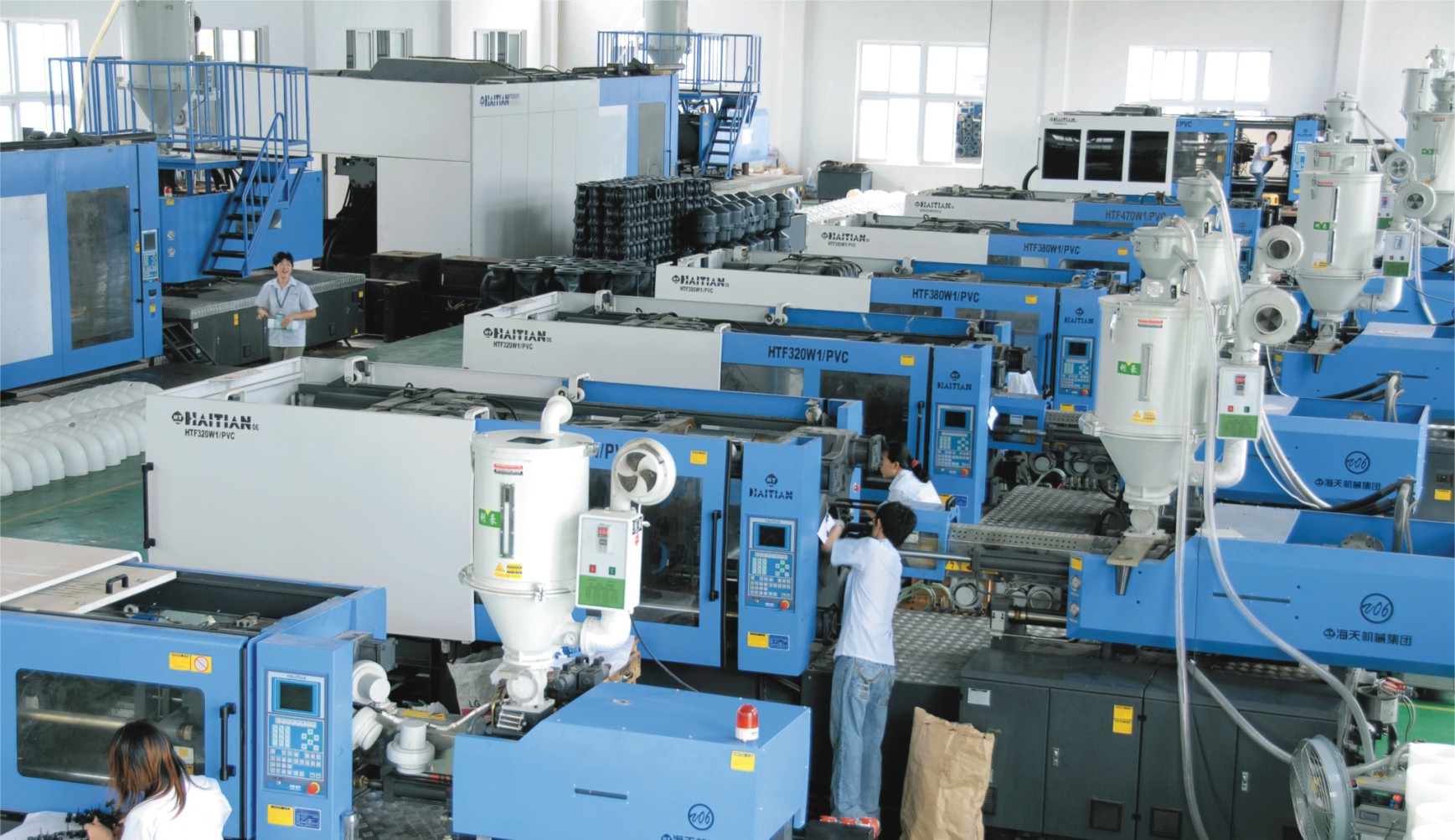
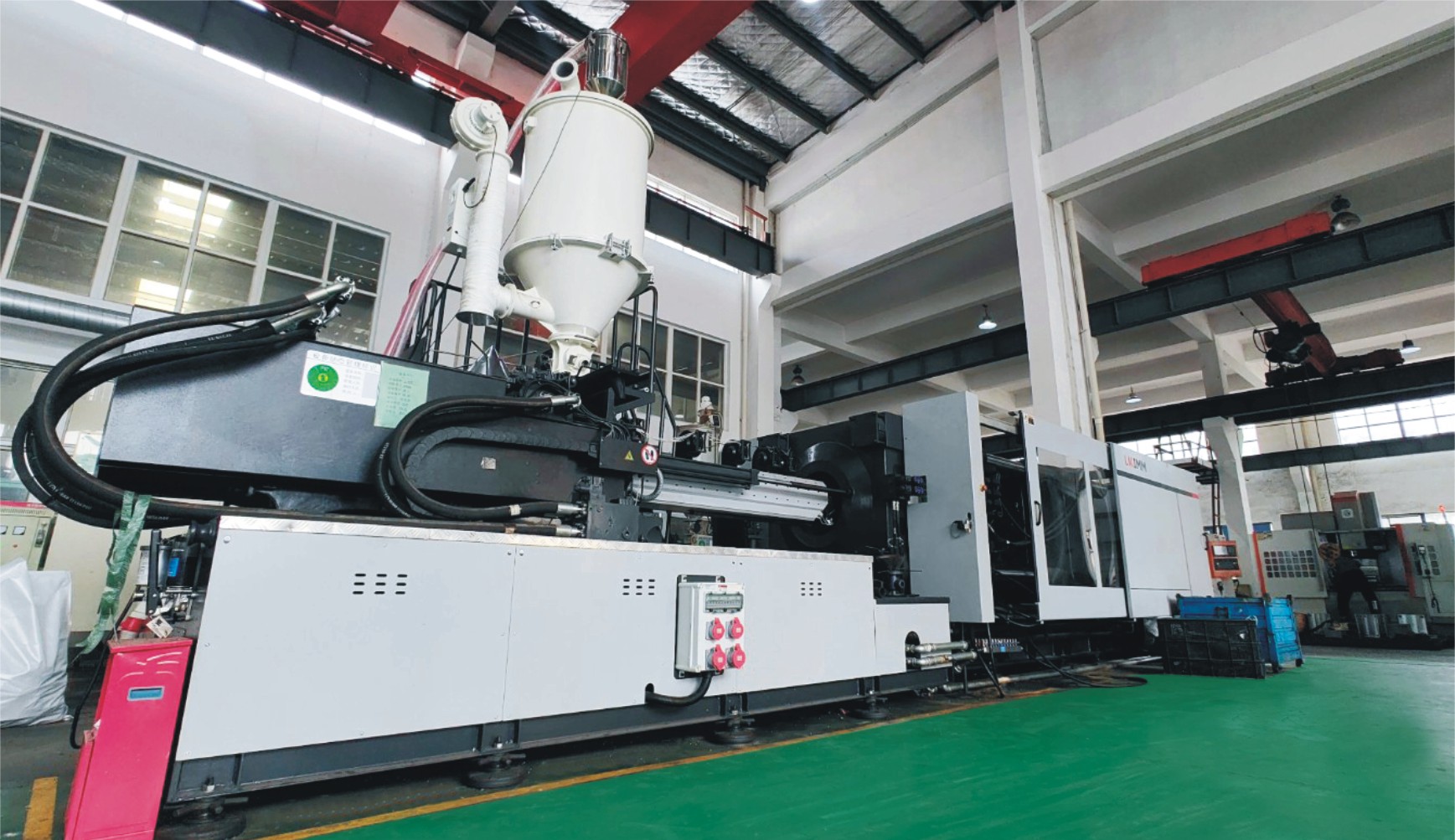
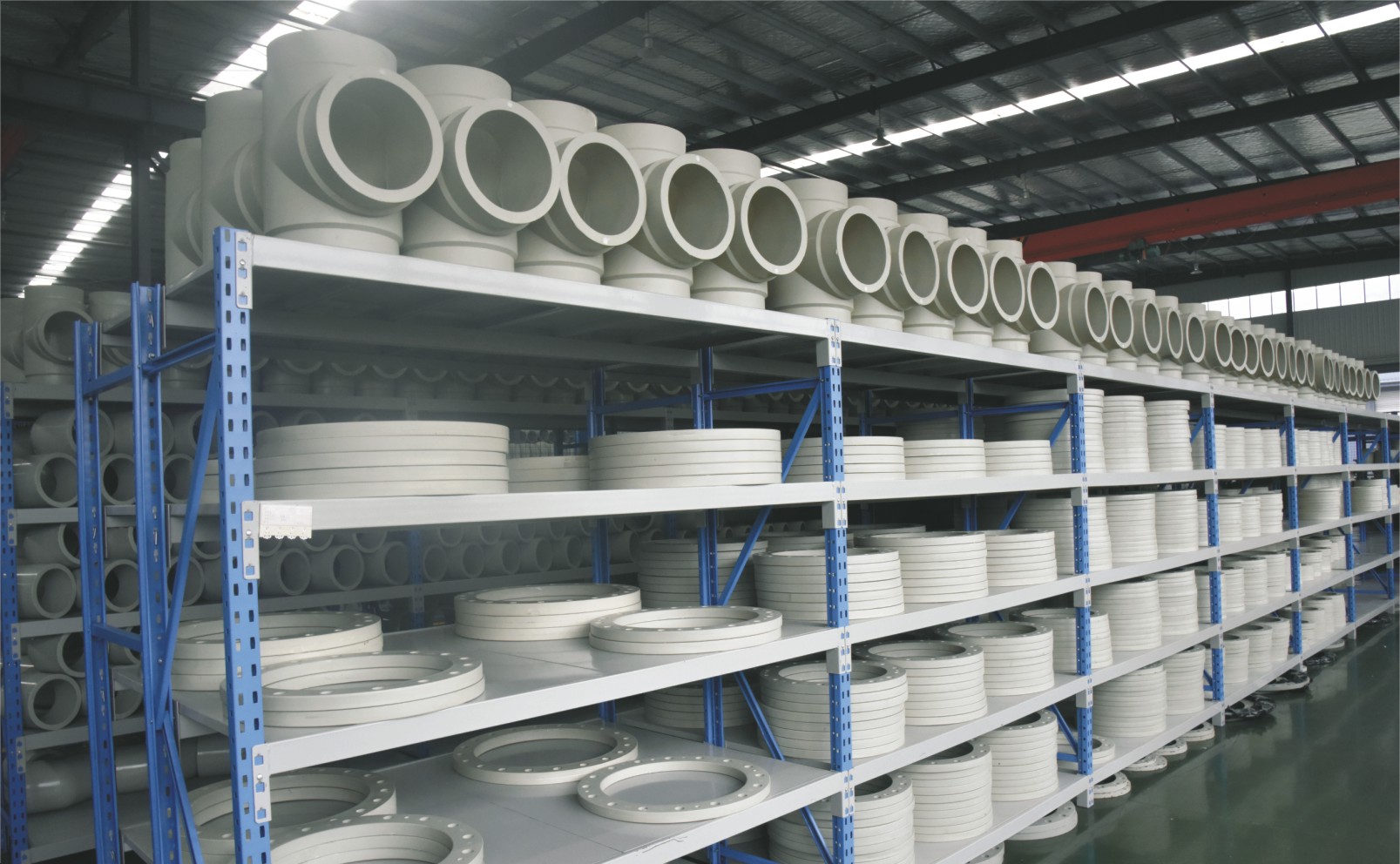
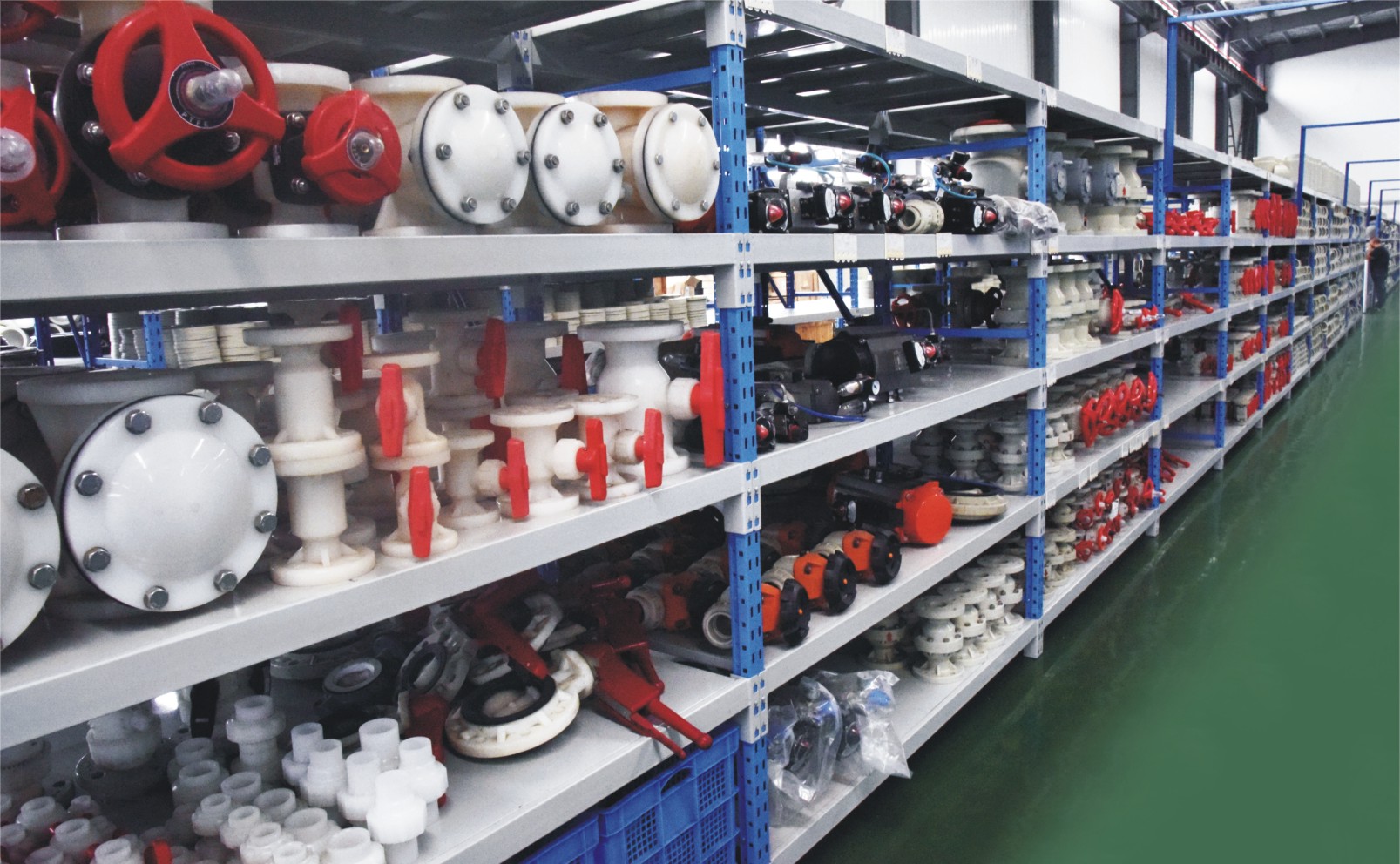
Factory Environment
Why Choose Us
Superior Quality
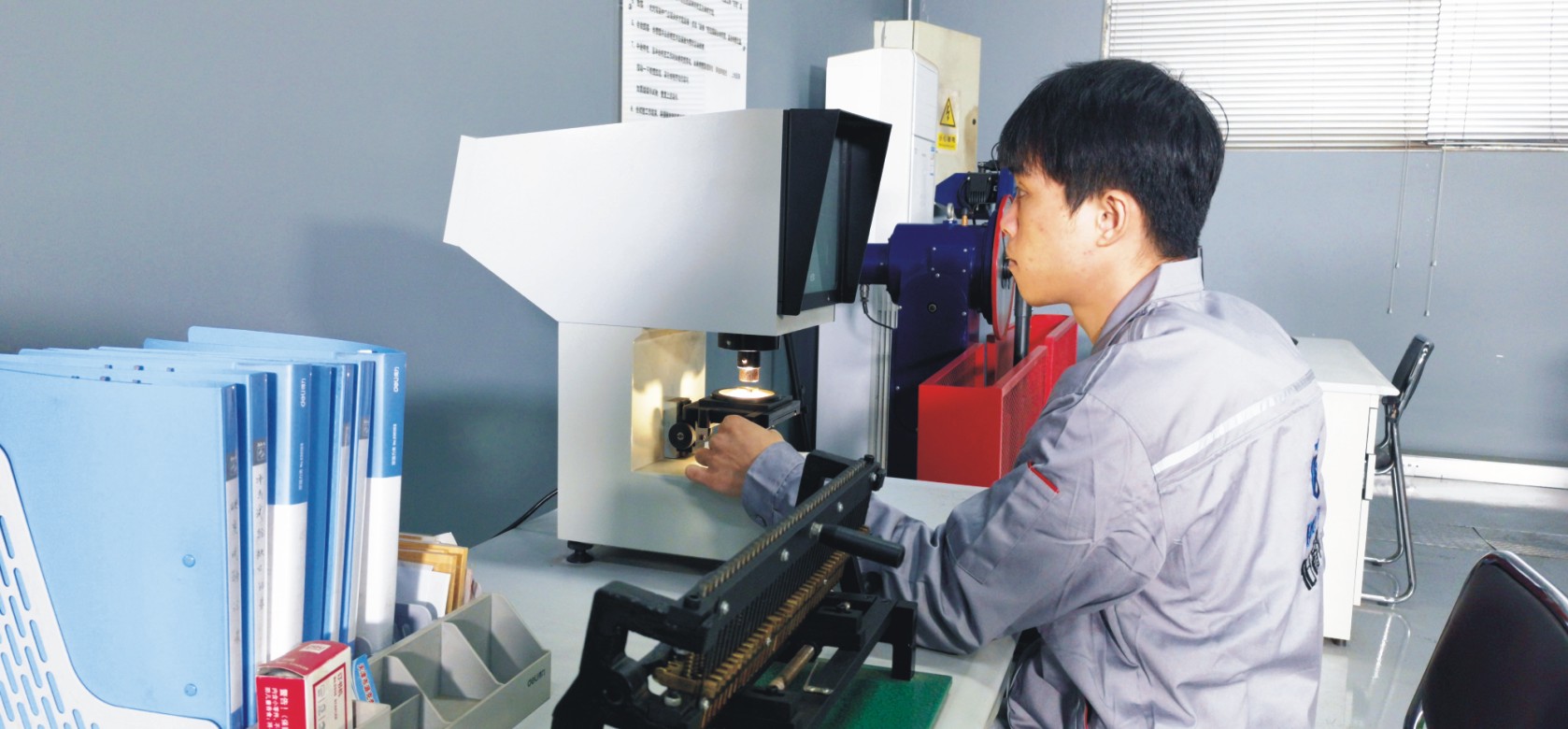
Our valves are produced from high-grade materials and subjected to strict quality inspections to guarantee dependable performance in challenging industrial environments.
Advanced Technology
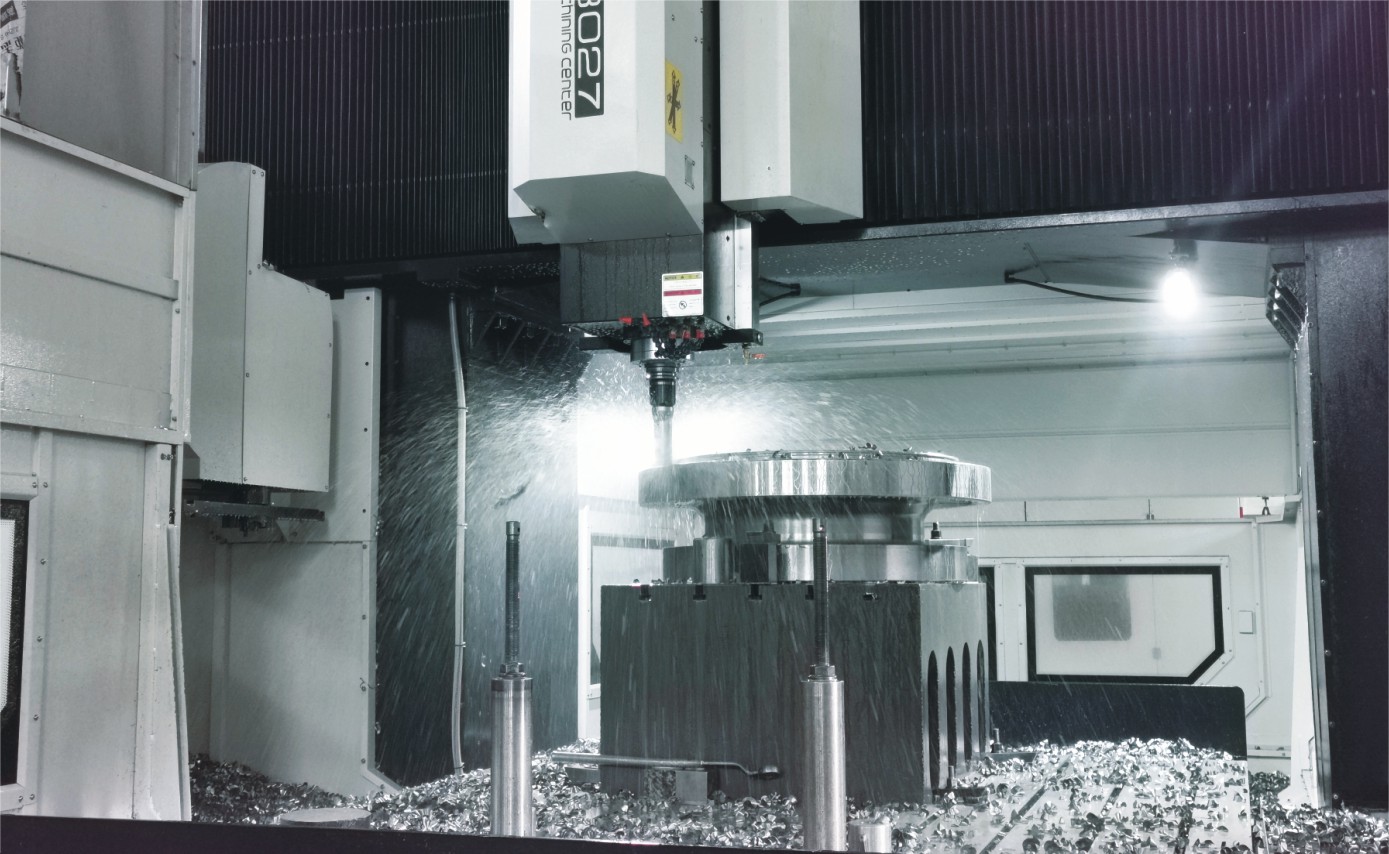
With cutting-edge CNC machining systems and high-precision manufacturing equipment, we ensure valves are made with outstanding accuracy and uniformity.
Competitive Pricing
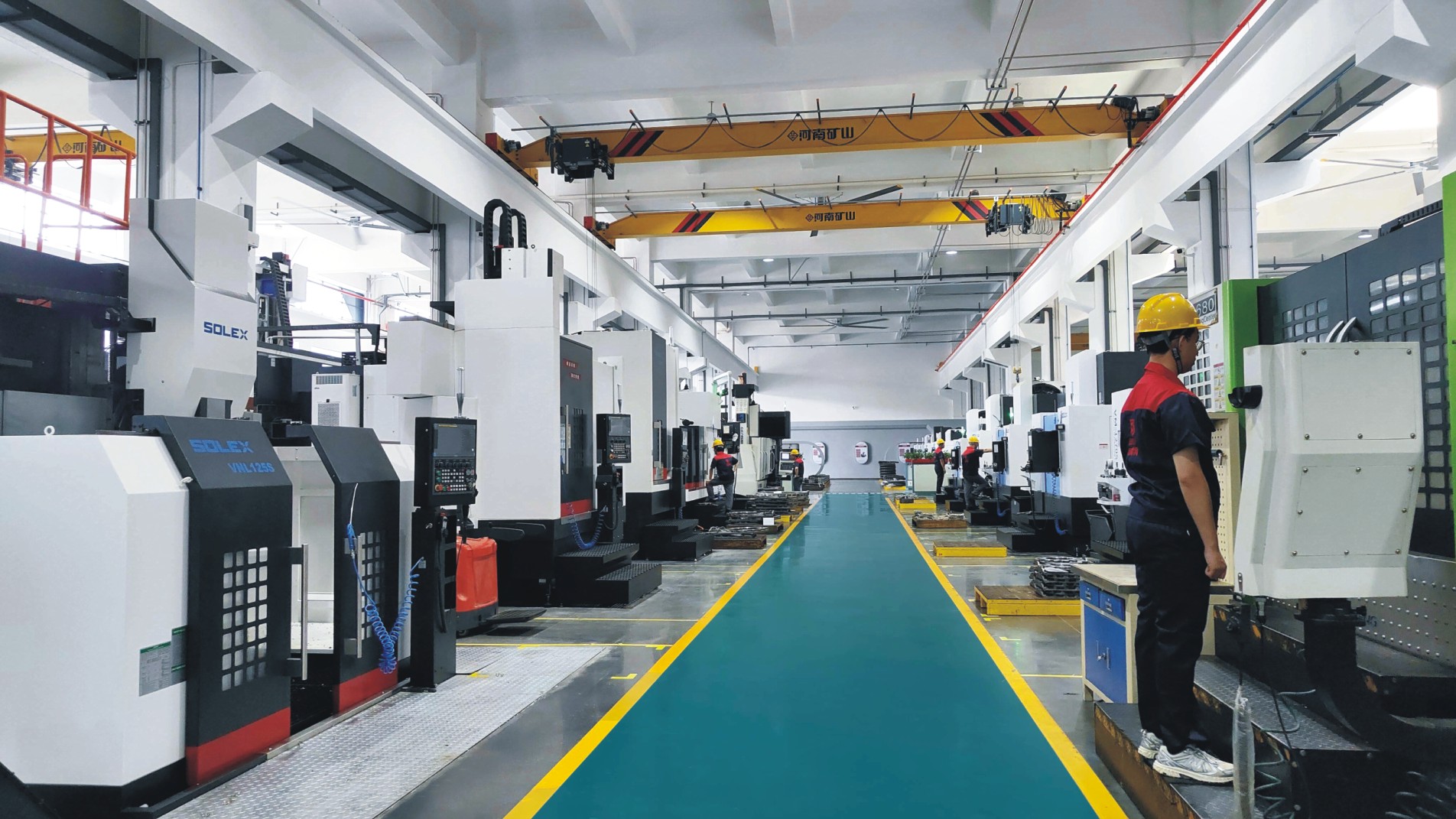
By streamlining production processes and sourcing materials in bulk, we provide premium-quality valves at competitive prices while maintaining excellent standards.
Expert Support
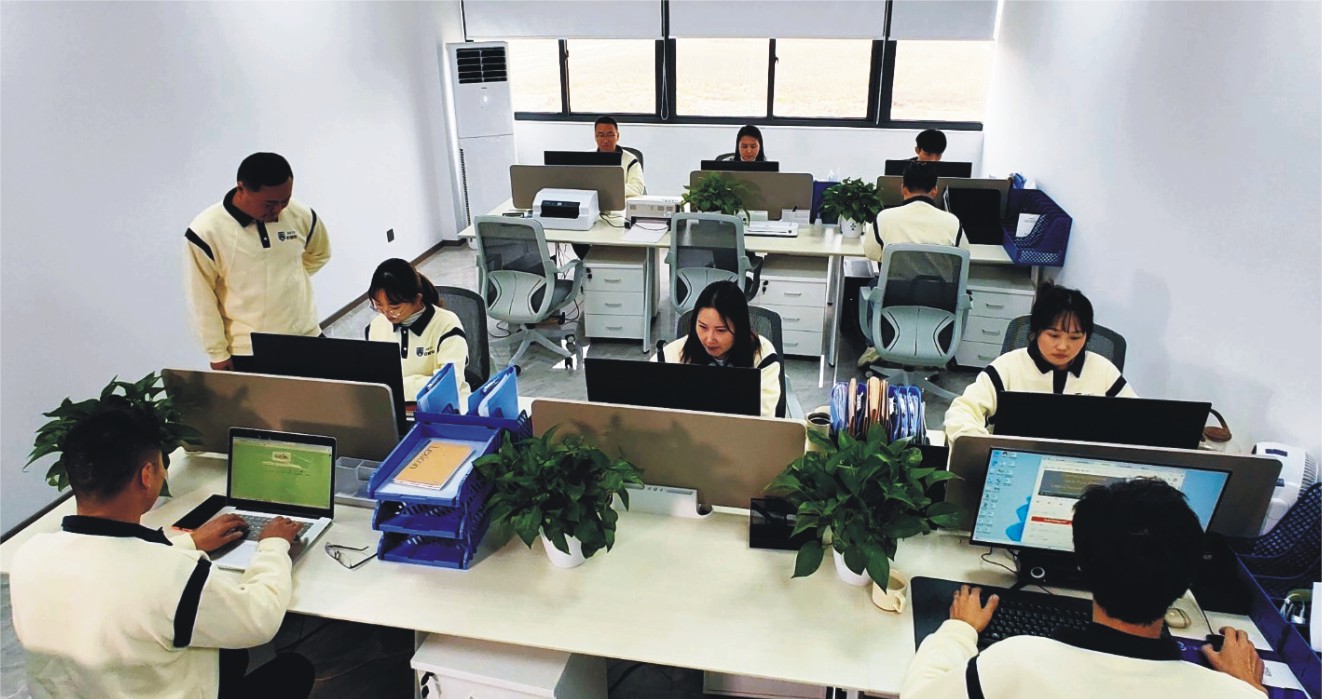
Our skilled technical team offers full support from product selection through after-sales service, helping ensure the best valve performance for your application.