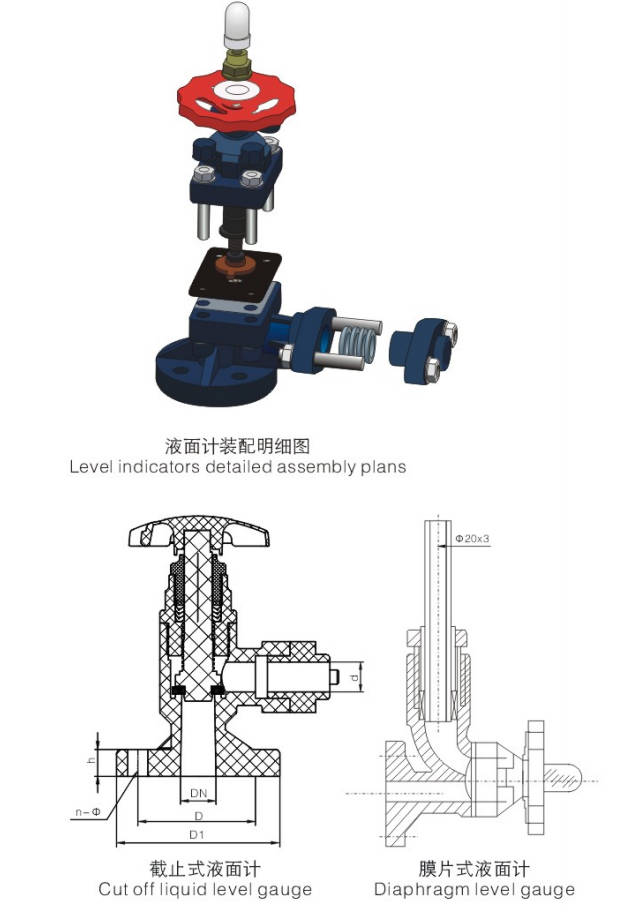
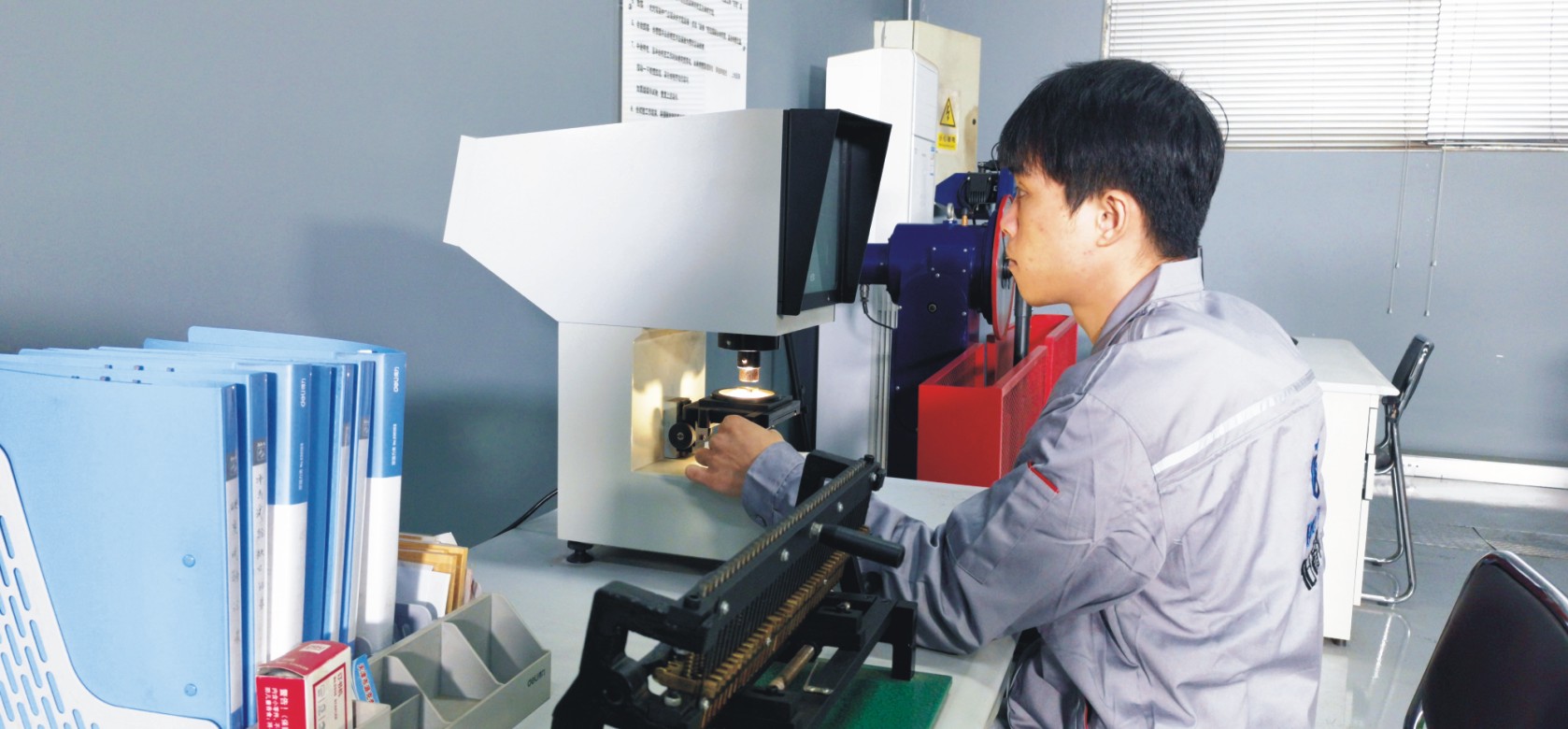
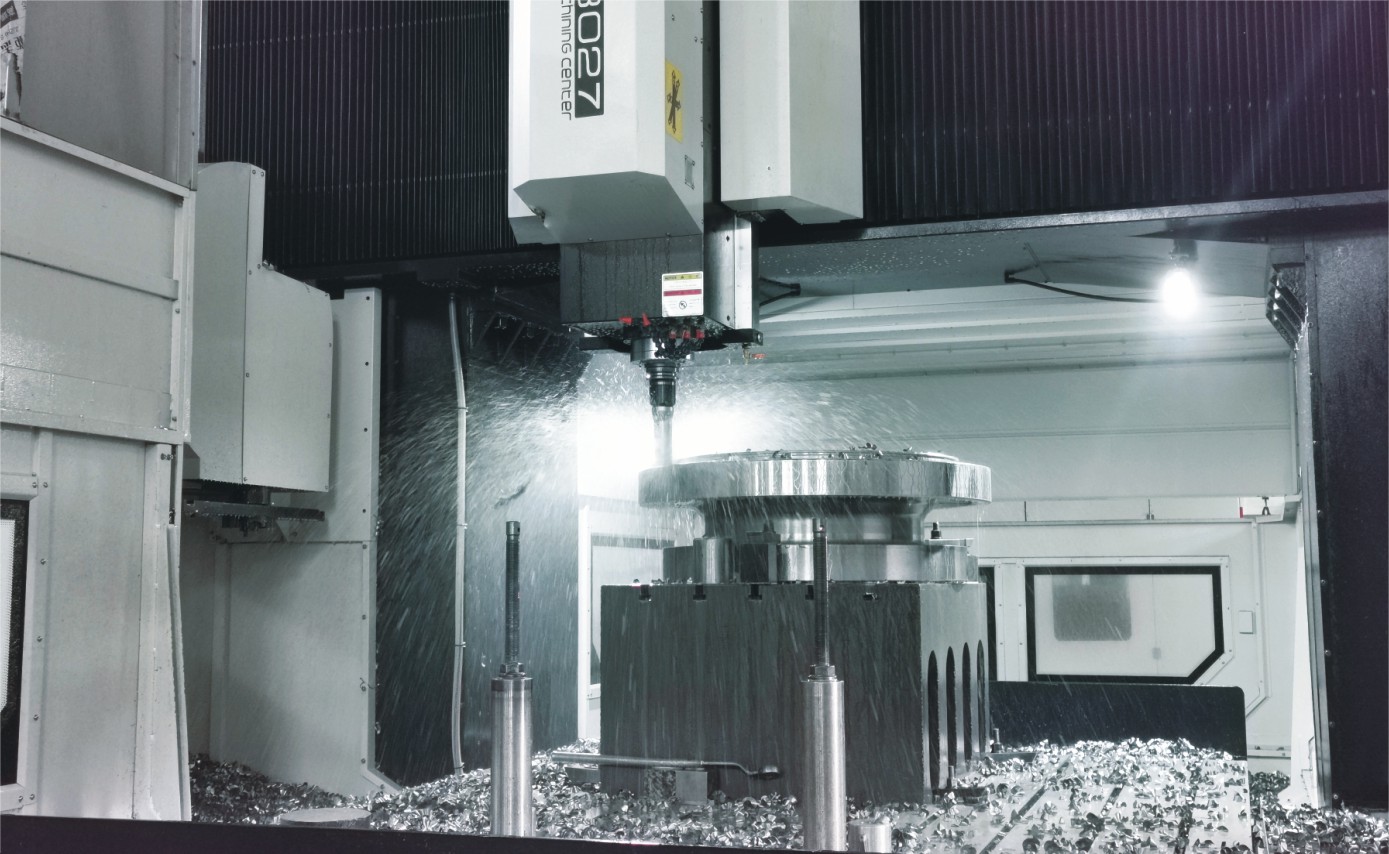
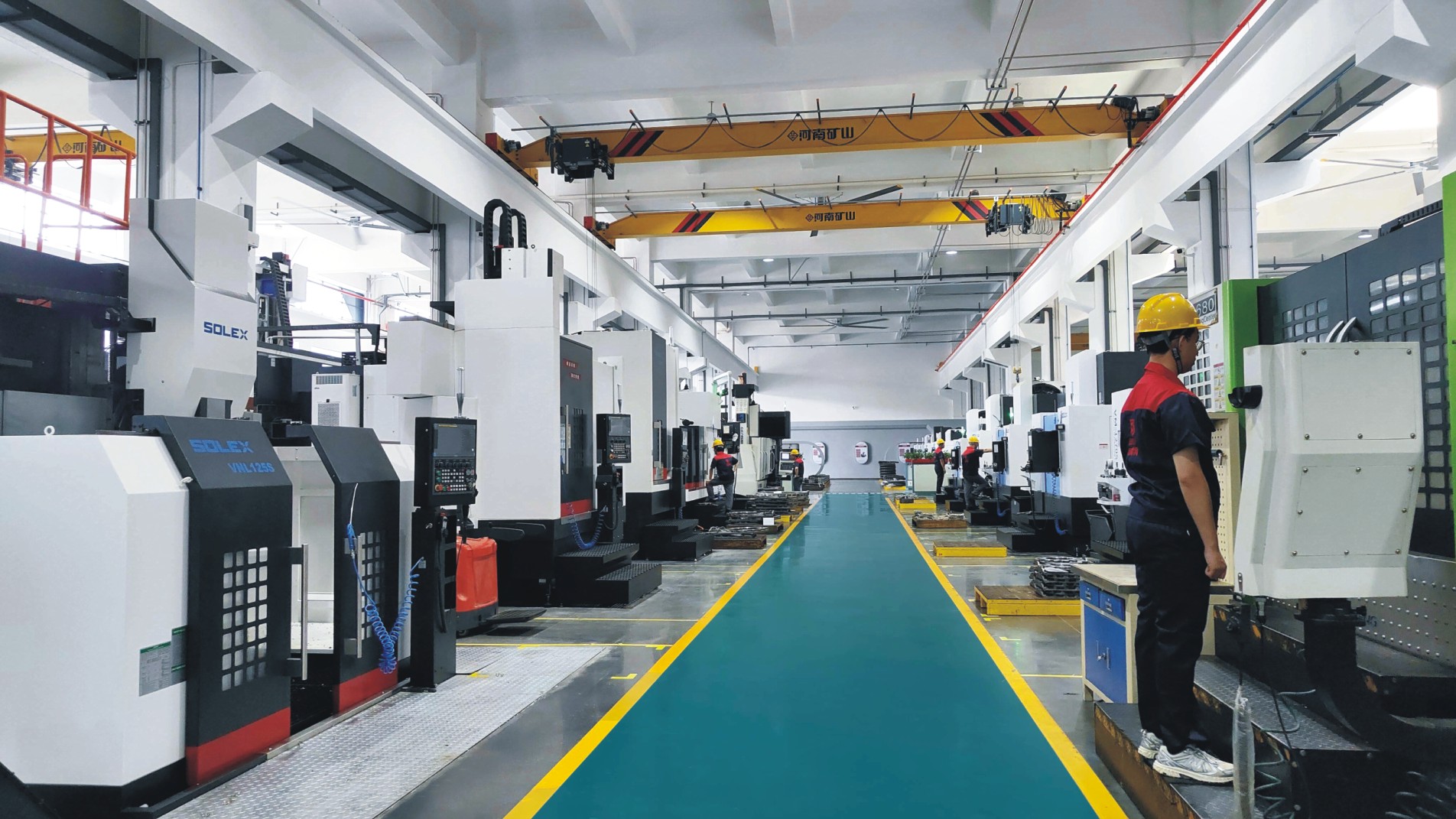
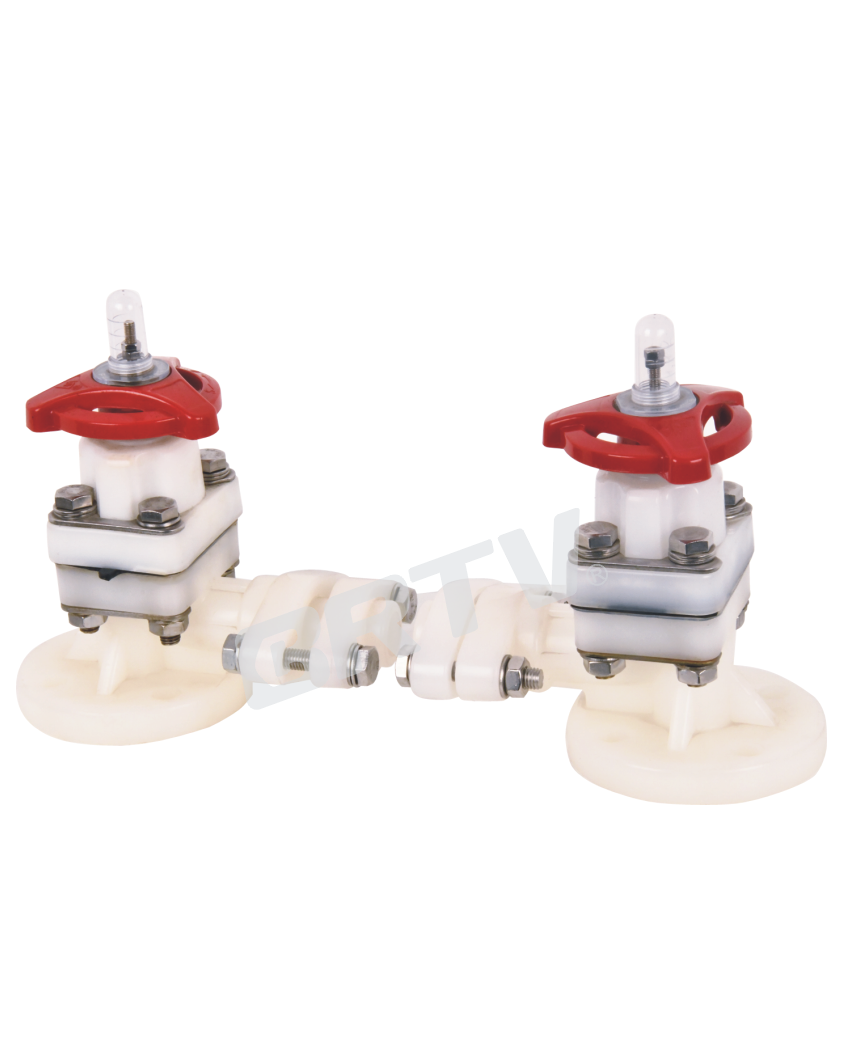
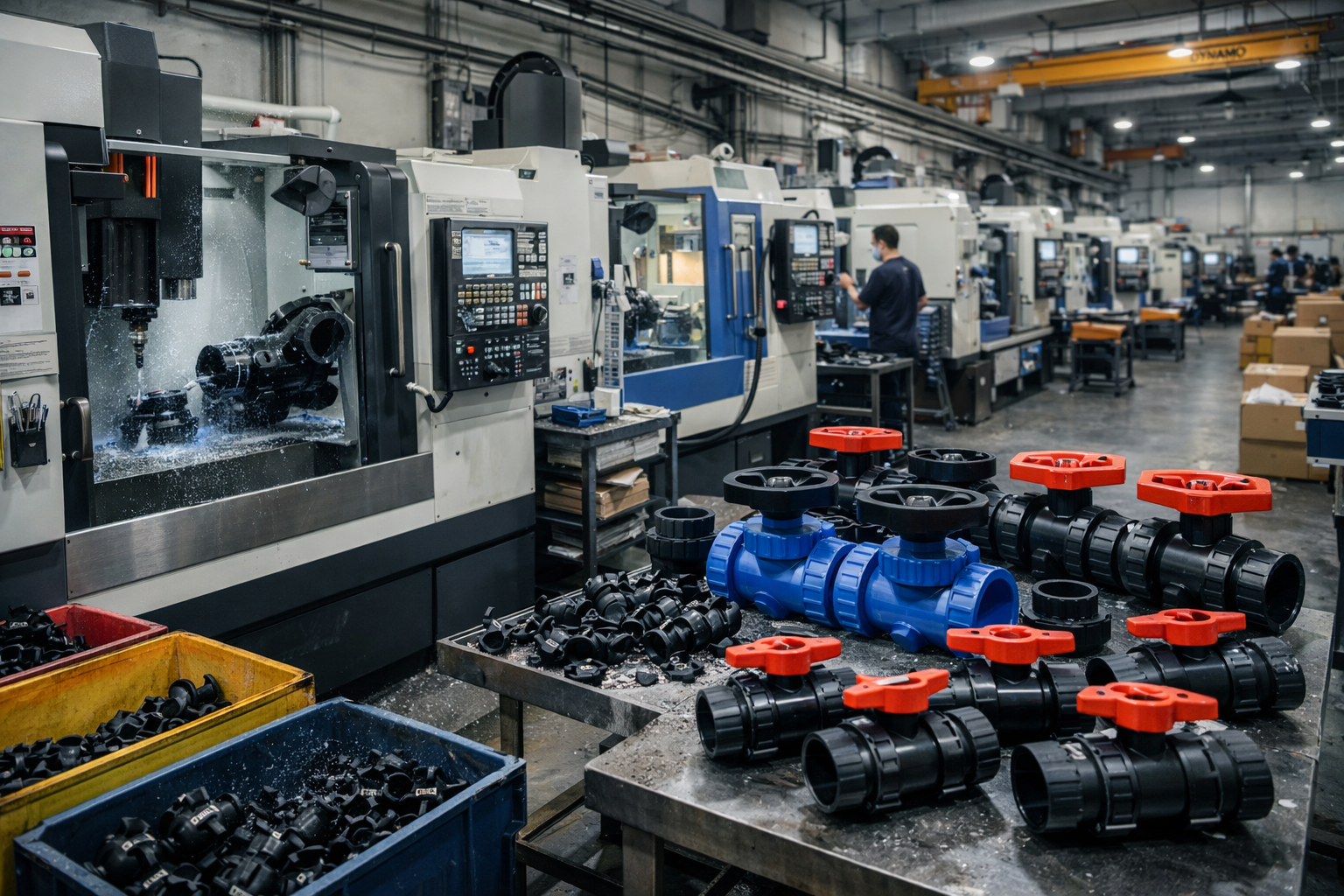
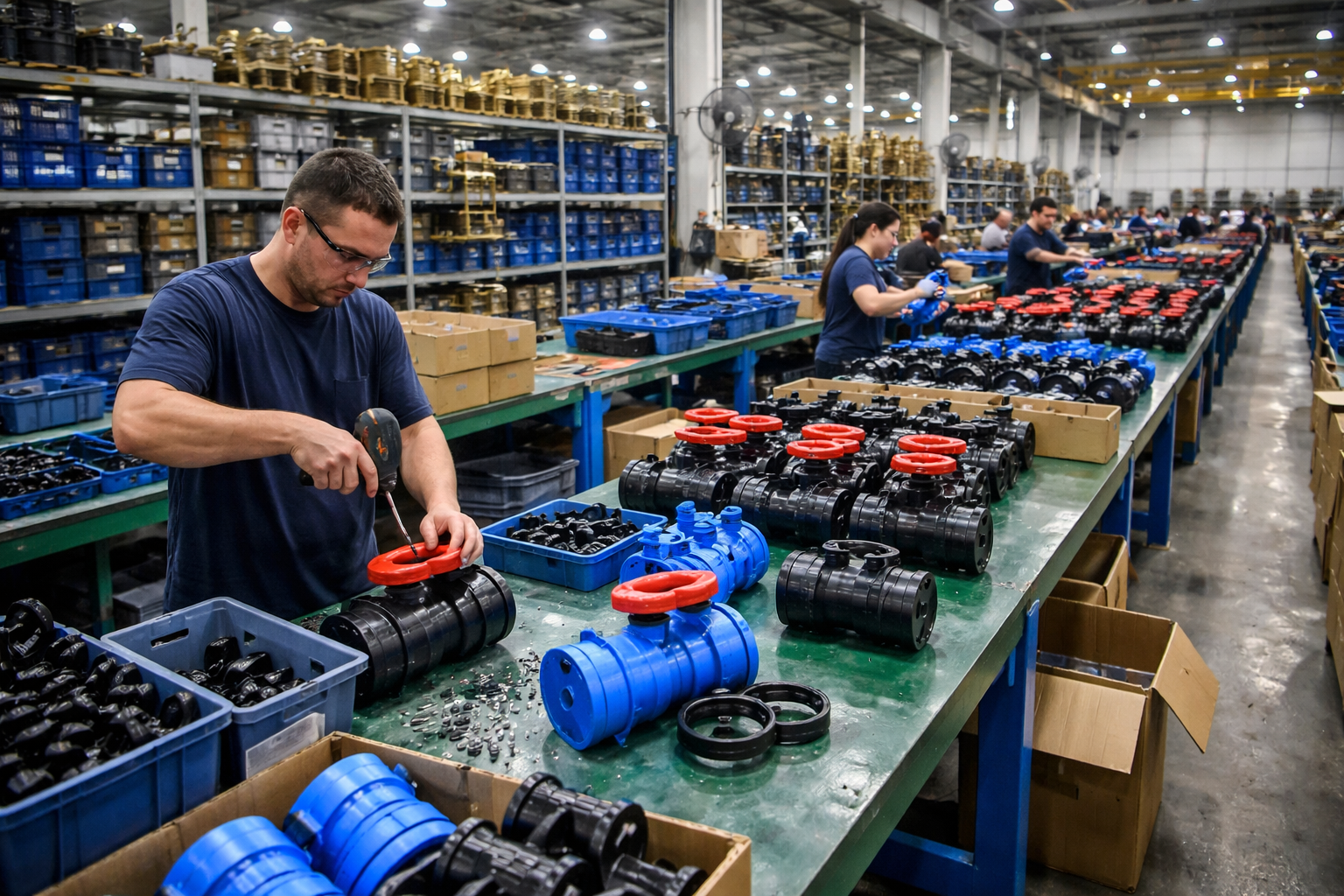
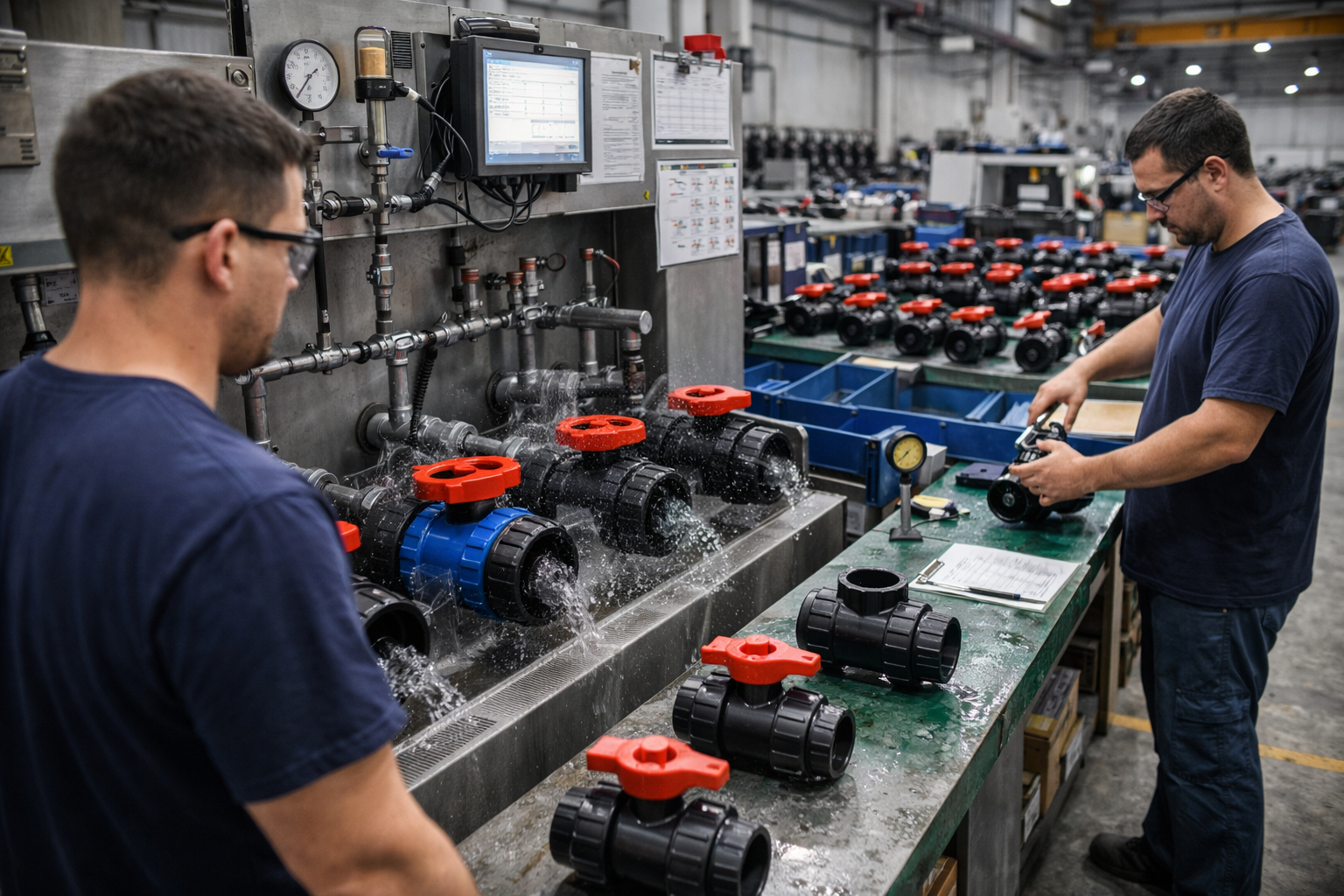
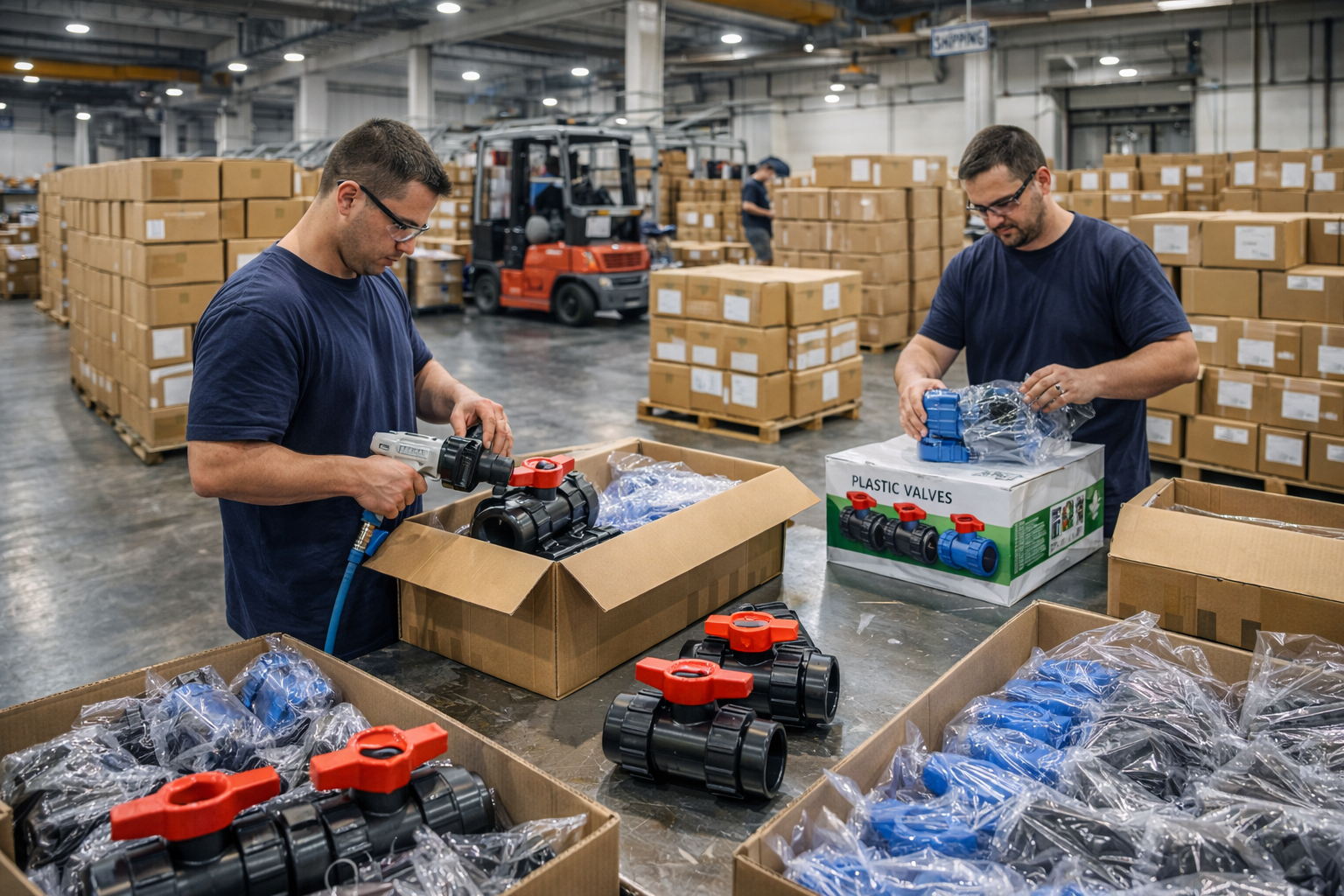
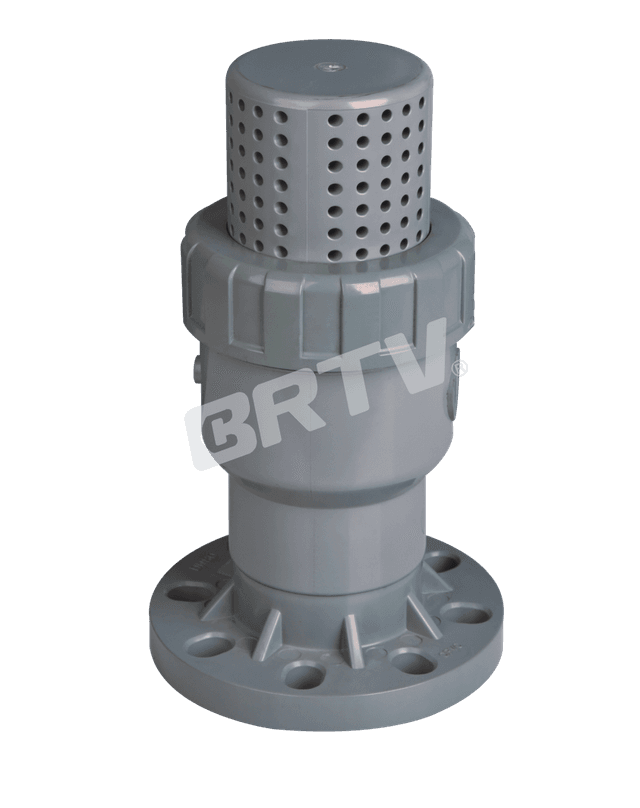
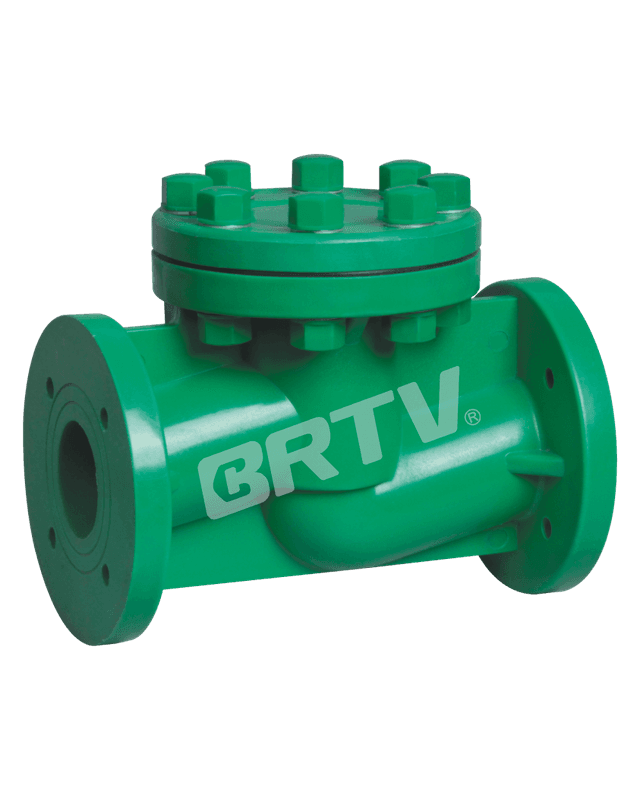
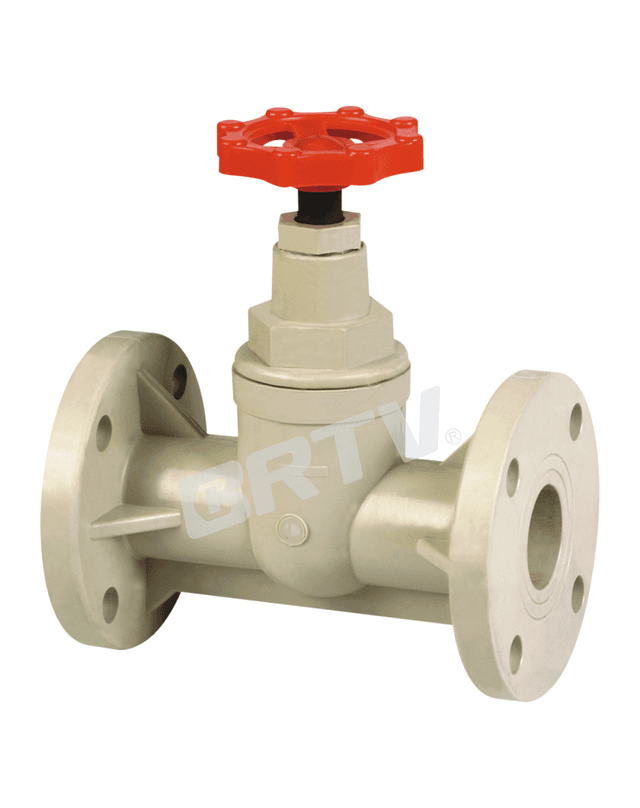
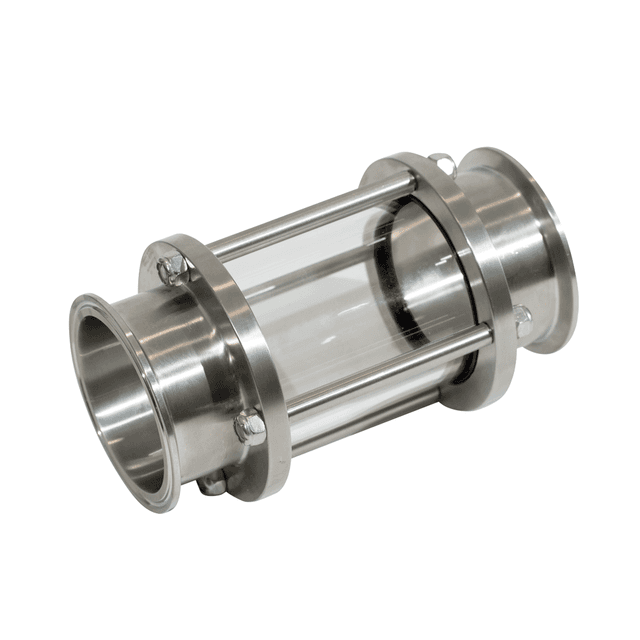
A Gauge Valve is a precision isolation component used to control the interface between pressurized fluid systems and high-precision measuring instruments. In high-performance piping networks, the valve functions as a point of control for operators to isolate an operational pressure gauge in order calibrate it or perform maintenance and replacement without taking down the pressurized line completely. Designed to deliver quality-operating cycles within these tight parameters unlike general-purpose isolation though the Gauge Valve even seals at an exceptionally low coefficient of value, along with hermetic sealing is also a critical factor—and determines that vital Instrumenting sensitivity will remain unaffected by external leaks or pressure fluctuations.CASCADE THE PRESSURE DOWN A LITTLE MORE subst.
For systems dealing with corrosive or high-purity media, then integrating this valve is critical in prevent bias to very committing monitoring devices from abrupt pressure surges or strike by rust. It serves as a gas-tight seal to assure consistent and controlled fluid column propogation when communicating with the gauge just below it. Normally built of high-strength molded thermoplastics, these valves offer a non-metallic solution that eliminates the potential for electrochemical corrosion and metallic contamination in measurement streams.
The reliability of a Gauge Valve in demanding industrial environments is rooted in the selection of high-stability polymer materials and a robust mechanical design.
Often, the Material of Valve Body may be made in UPVC/PPH/PVDF. They are generally selected for their exceptional solubility in a variety of chemicals, including concentrated acids and alkalis as well as saline solutions. As a result the valve can continue to work without fail in even the most aggressive process fluids, lending it required longevity.
The internal seal often consists of high-grade elastomers such as FPM or EPDM, which are used to prevent leakage and also enable precise measurements. The valve seat and stem are sealed with o-rings or packing glands preventing the escape of process media into the mechanical housing. PTFE-coated diaphragms or plugs are used to increase the chemically inert characteristics of the valve.
The use of a fully-non-metallic flow path prevents galvanic corrosion, one of the main failure modes for metal instrumentation valves installed near electrical equipment or in conductive soil. This property is especially useful in such applications as semiconductor and chemical processing industries which require the prevention of metal ion contamination of final product.
Gauge Valve systems are developed to meet strict operational parameters, ensuring they can withstand the pressures and temperatures of industrial chemical transport.
These valves are typically designed for a nominal pressure rating of PN10 (1.0 MPa), making them suitable for most pressurized chemical distribution and water treatment networks. The rigid body construction ensures that the valve does not deform under continuous stress, maintaining a consistent flow path to the instrumentation.
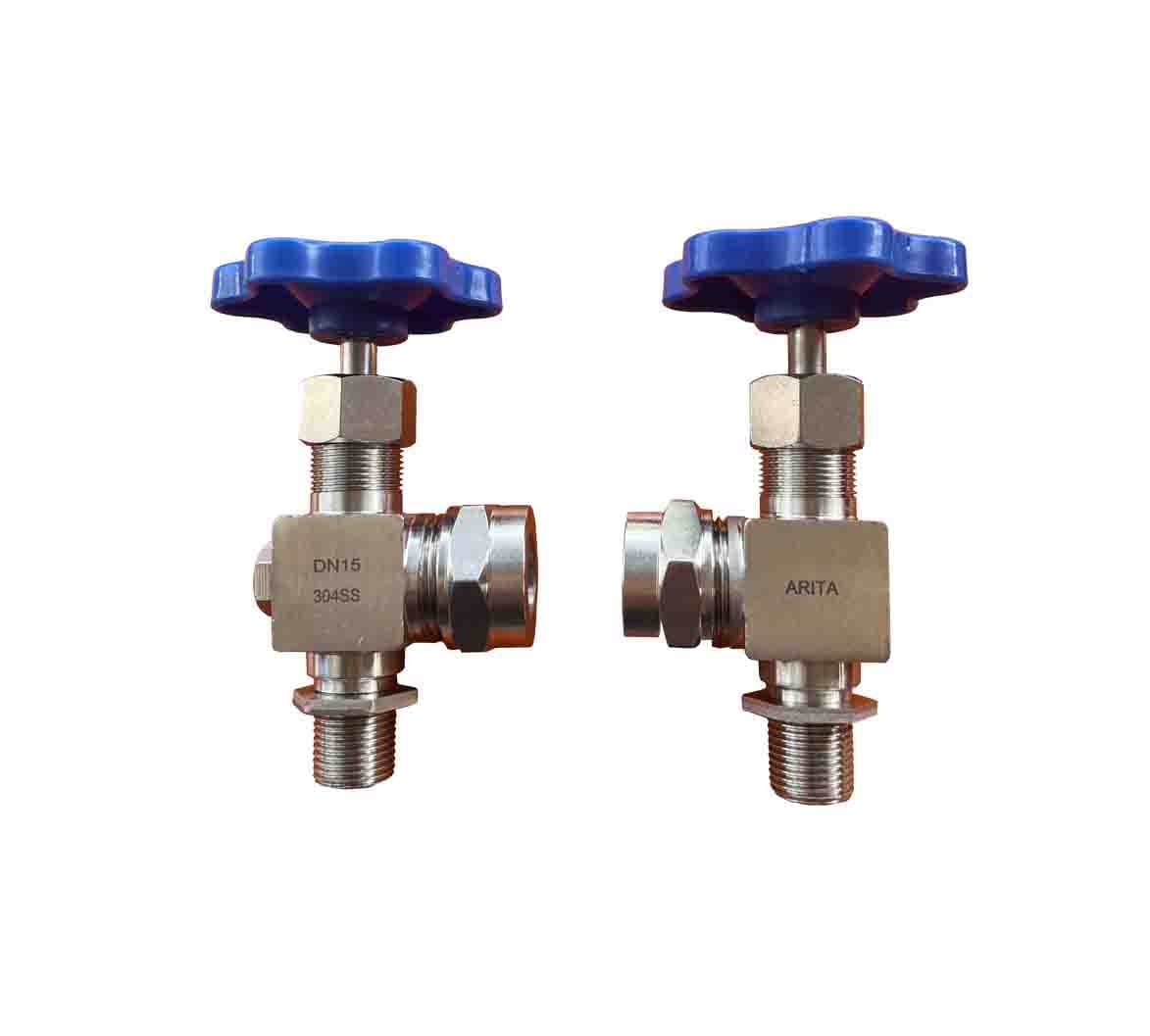
To facilitate easy integration, the valves are available with various connection types, including standard threaded interfaces (NPT or G threads) and socket fusion ends. The small-diameter design, often ranging from DN15 to DN25, is optimized for instrumentation lines where space is limited and precision is the priority.
The operational temperature limit is determined by the material of the valve body. UPVC variants are suitable for ambient service up to 60 °C, while PVDF models can operate in more extreme thermal conditions, reaching up to 120 °C. This allows engineers to select the appropriate specification based on the thermal profile of the process fluid.
Utilizing a dedicated Gauge Valve within a plastic piping network provides significant technical and economic advantages for facility operators.
By isolating the gauge when not in use or during system startup, the valve protects sensitive diaphragms and bourdon tubes from the destructive effects of pressure hammering and chemical scaling. This significantly extends the calibration cycle and service life of the measuring instruments.
The valve is installed when removing gauges to test or replace them, the balance of system will still be under pressure. This results in less downtime and lower the chances of an operator coming into contact with creepy chemicals.
This thermoplastic makeup renders the component far lighter than conventional stainless steel valves. Together these features reduce mechanical strain on small-diameter instrumentation piping and facilitate installation in tight, congested arrangements.
| Component | Material Specification | Performance Advantage |
|---|---|---|
| Main Body | UPVC / PPH / PVDF | High chemical resistance and rigidity |
| Valve Seat | FPM / EPDM / PTFE | Leak-proof sealing and chemical inertness |
| Stem | Reinforced Polymer | High torque resistance and durability |
| Connection | Threaded / Socket / Flanged | Global compatibility with piping standards |
| Handwheel | Impact-Resistant ABS | Ergonomic and corrosion-proof operation |
The Gauge Valve is a staple component in various sectors where fluid monitoring and chemical resistance are critical requirements:
Used to isolate pressure gauges monitoring the delivery pressure of reactive chemicals in chlor-alkali and acid distribution systems They keep the instrumentation accurate and guard against the caustic environment.
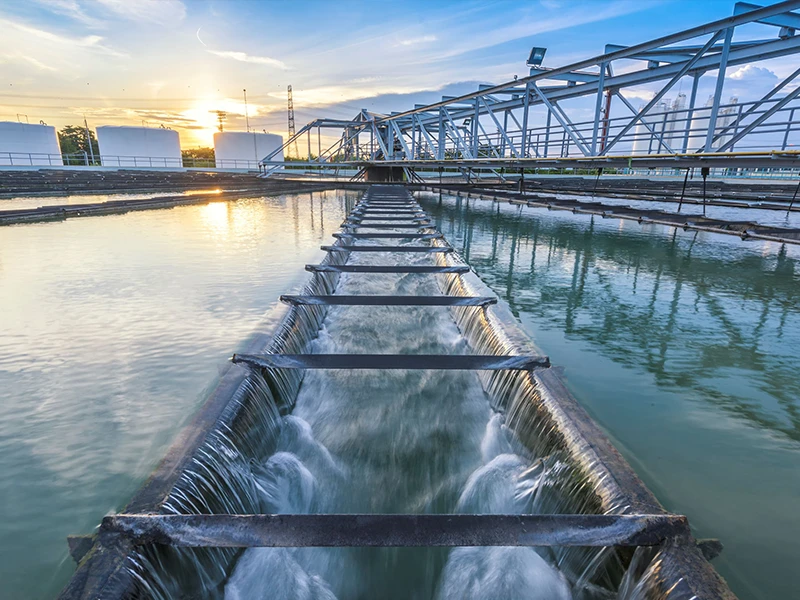
Used in reverse osmosis (RO) systems and filtration plants to control the pressure drop during membranes. They claim these are (non-toxic) and durable against brine resulting in minimal treated water purity loss.
In high-purity acid loops and ultrapure water (UPW) systems, PVDF gauge valves provide a metal-free isolation point that prevents contamination and ensures the high standards of wafer fabrication are met.
Used in pickling lines and electroplating facilities to monitor the pressure of concentrated sulfuric or hydrochloric acids. The durability of the thermoplastic body ensures reliable performance in these harsh industrial environments.
Request a Quote