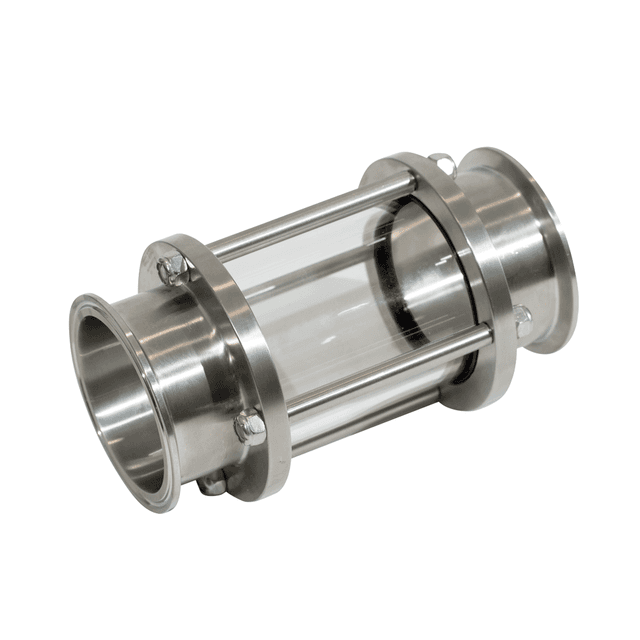
Material Selection
Body material: UPVC, PP, PVDF, CPVC, PTFE (PTFE), stainless steel
Caliber: DN15, DN20, DN32, DN40, DN50, DN65
Connection form: adhesive, fusion welding, thread, flange
Diaphragm material: EPDM, FPM, PTFE
Overview
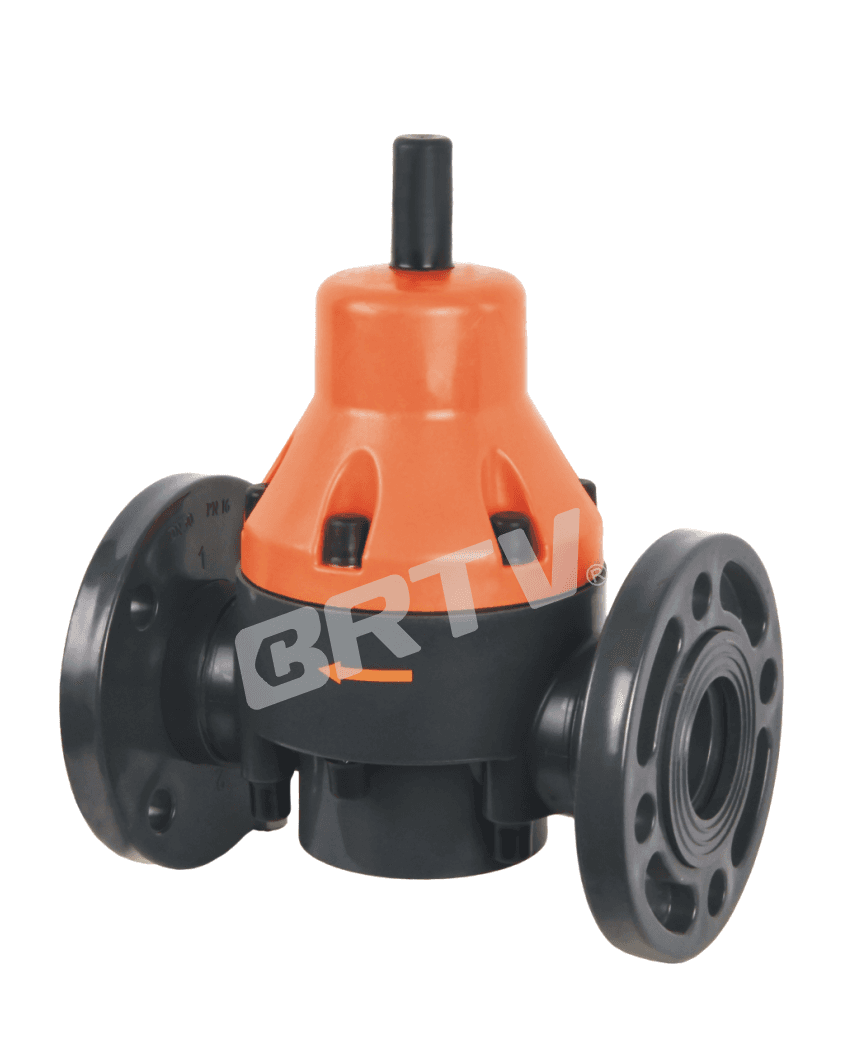
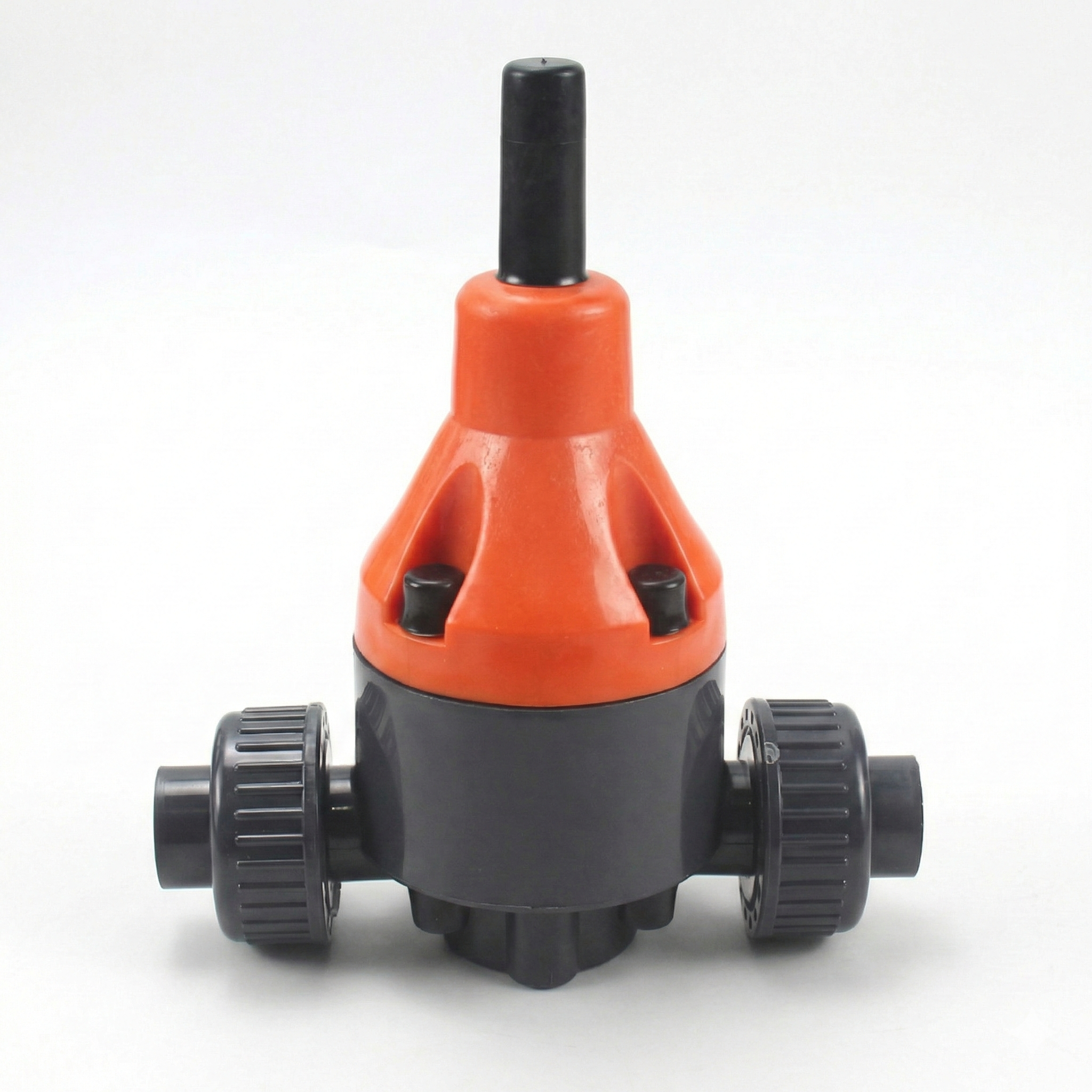
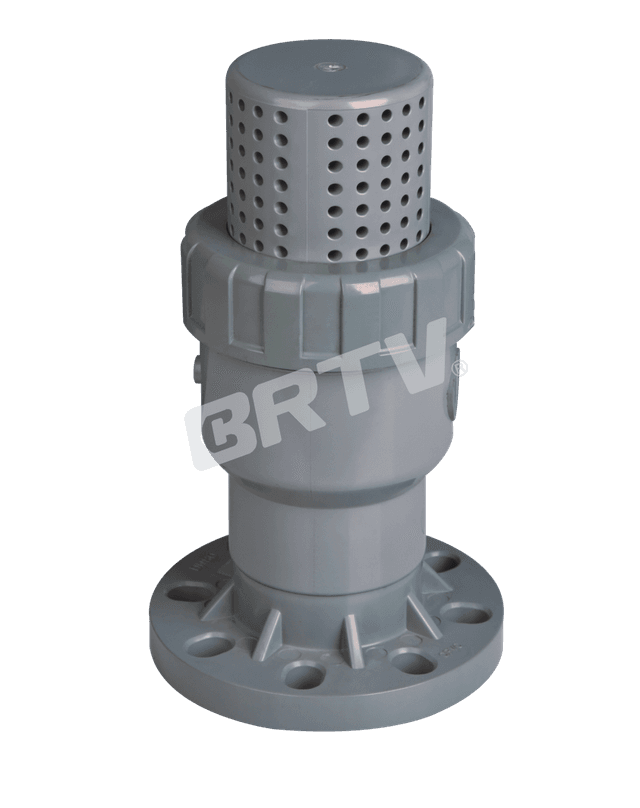
Back pressure valve
Installed on the positive pressure discharge pipeline of the metering pump to prevent siphoning, eliminate flow variation caused by pressure fluctuations at the pump outlet, and stabilize the flow. On-site adjustment can be made by removing the protective cap and rotating the adjusting screw. The pressure can be set within the range of 0–0.6 MPa, and a pulse damper can help maintain constant flow.
Caliber: DN15, DN20, DN25, DN32, DN40, DN50, DN65
Back pressure setting range: 0.03–0.6 MPa
Safety valve
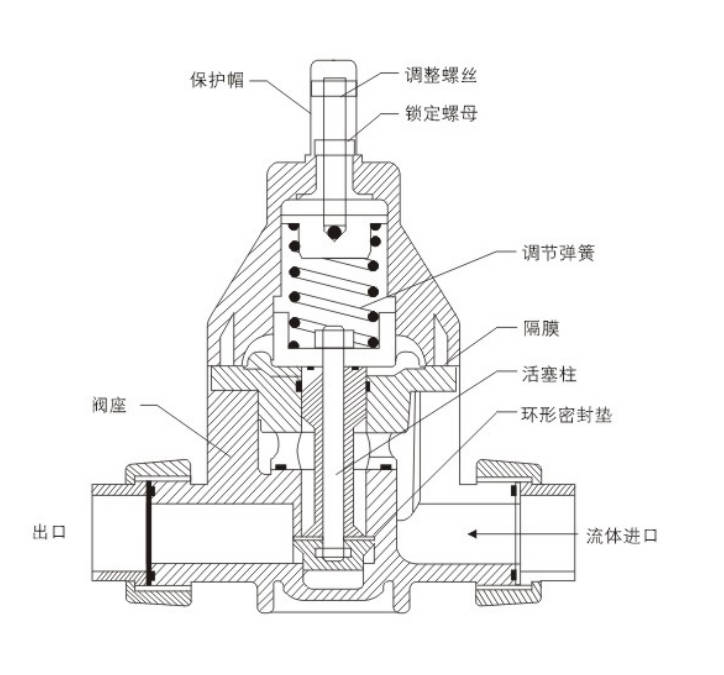
The diaphragm and valve core are pressed against the seat by an internal spring. When system pressure exceeds the preset value, the diaphragm lifts, allowing the medium to discharge to the return pipe or container. The pressure can be adjusted by turning the screw, typically within 0–1.0 MPa, and the discharge pressure is generally set 0.1–0.2 MPa higher than system pressure.
The relief valve pressure must not exceed the maximum pressure of the metering pump. It is usually installed near the pump outlet, and no valve should be installed between the pump and the relief valve to ensure safe operation.
Caliber: DN15, DN20, DN25, DN32, DN40, DN50, DN65
Pressure setting range: 0.03–0.6 MPa
sectional view
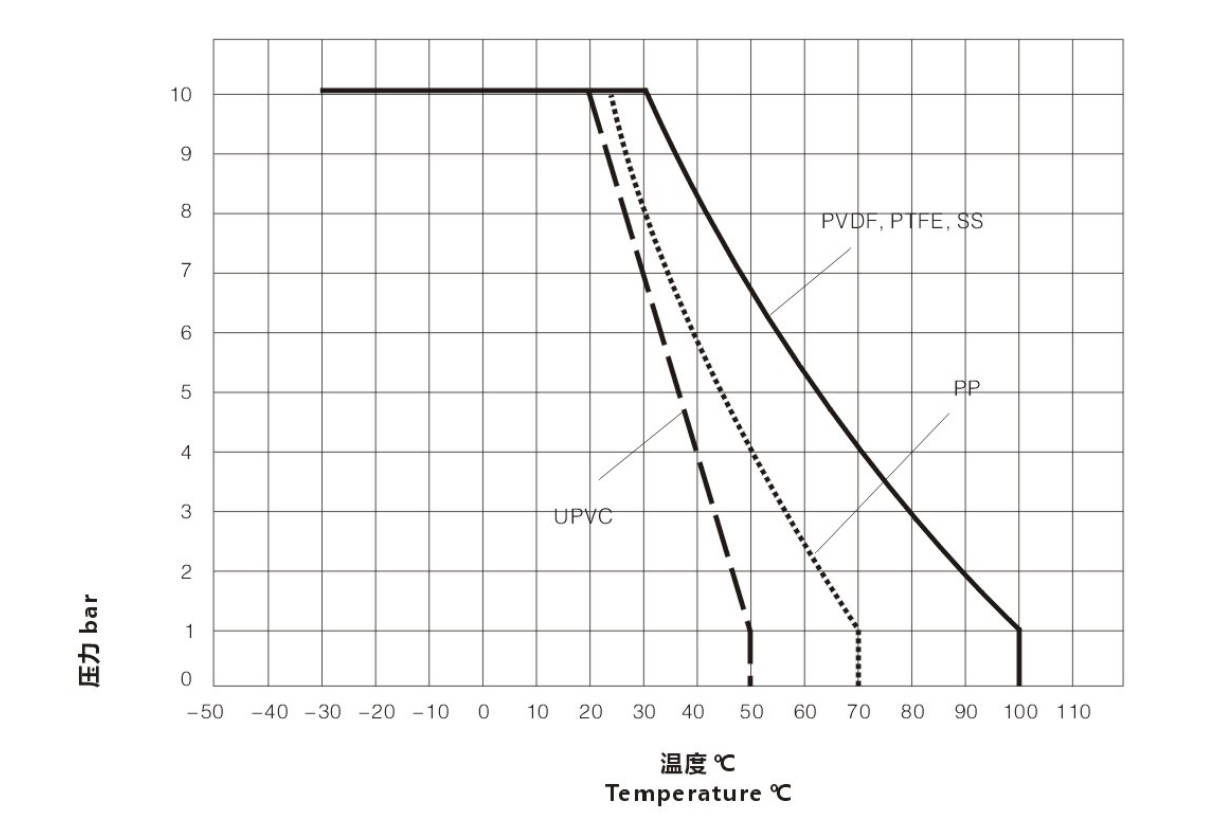
Pressure-temperature curve graph
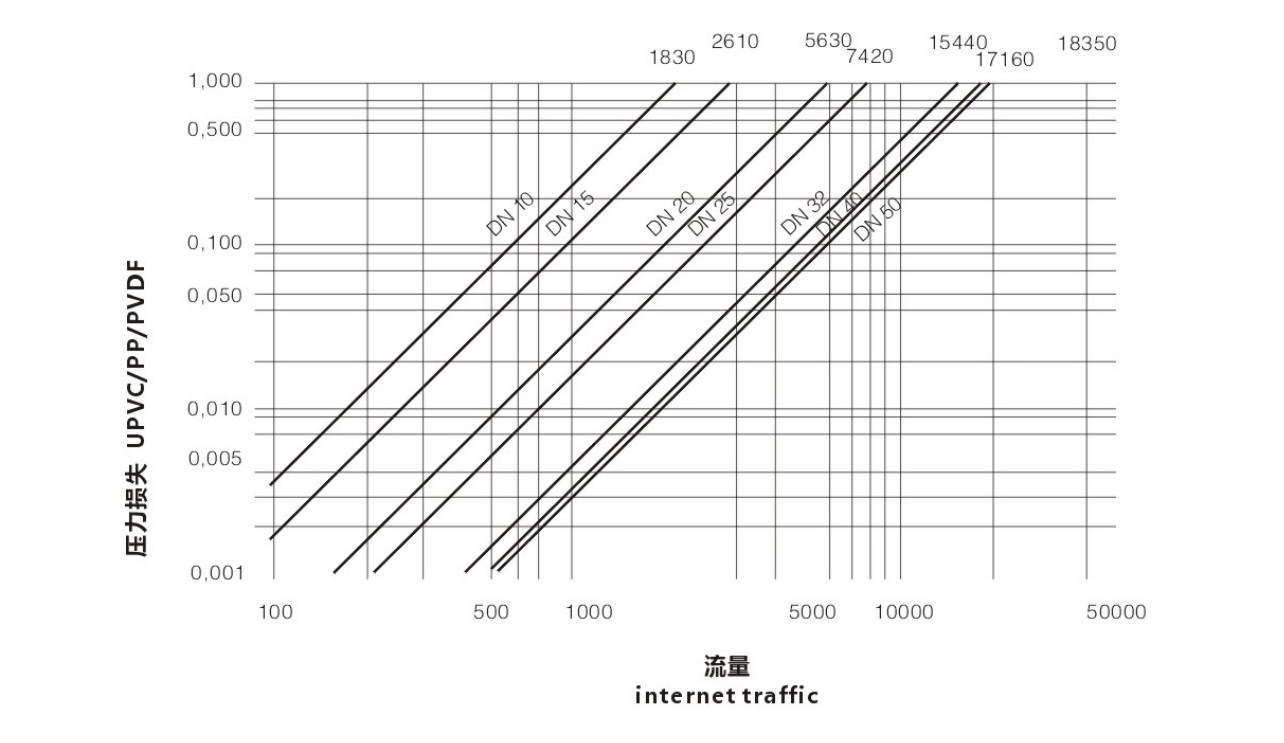
Pressure loss diagram
Size Chart
| Specification | L (mm) | H (mm) | D (mm) | d (mm) | z (mm) | h (mm) |
|---|
| DN15 | 175 | 181 | 82 | 20 | 22 | 27 |
| DN20 | 174 | 181 | 82 | 25 | 19 | 29 |
| DN25 | 202 | 198 | 107 | 32 | 21 | 33 |
| DN32 | 251 | 198 | 107 | 40 | 31 | 35 |
| DN40 | 285 | 260 | 155 | 50 | 31 | 60 |
| DN50 | 355 | 260 | 155 | 63 | 39 | 60 |
| DN65 | 376 | 260 | 155 | 75 | 41 | 65 |
Cause of failure and maintenance
| Malfunction | Cause | Solution Measures |
|---|
| Diaphragm leakage | Insufficient diaphragm pressure | Fasten screw |
| Pressure drops below the set pressure | Leakage at plunger and valve seat; diaphragm leakage | Inspect plunger or seal and replace diaphragm |
| Pressure is higher than the set pressure | Plunger is stuck or foreign matter present | Clean the valve body |
| Leakage at the adjustment screw | Damaged diaphragm | Replace the diaphragm |
| Valve does not release liquid | Incorrect installation direction (inlet/outlet reversed) | Adjust installation direction |
Manufacturing Process
Step 1: Order and Design
Based on the customer’s operating conditions (flow rate, pressure range, medium type, etc.), the design is finalized to determine the back pressure valve’s structural configuration, connection method (flange/threaded), and key dimensional parameters.
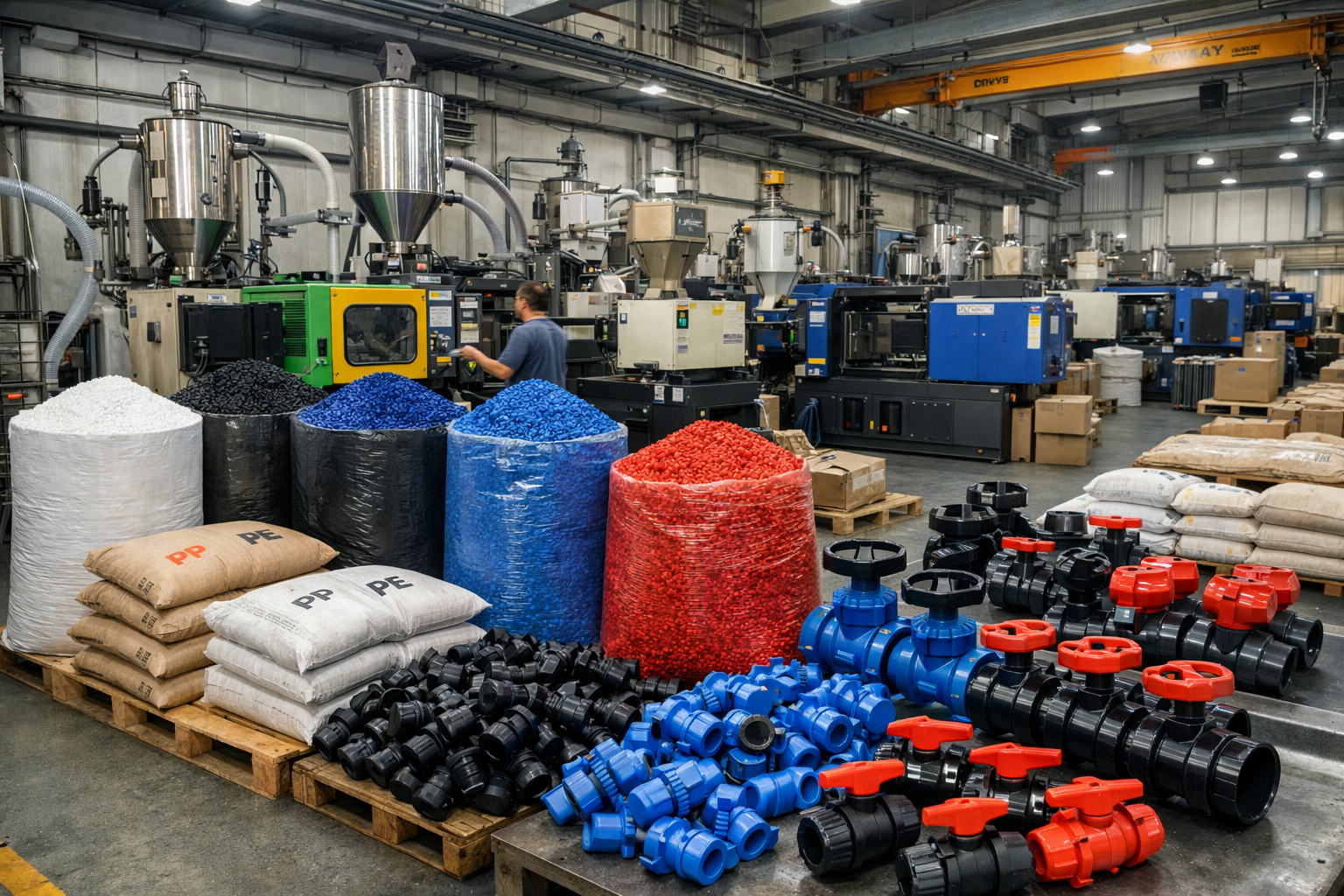
Step 2: Raw Material Preparation & Molding
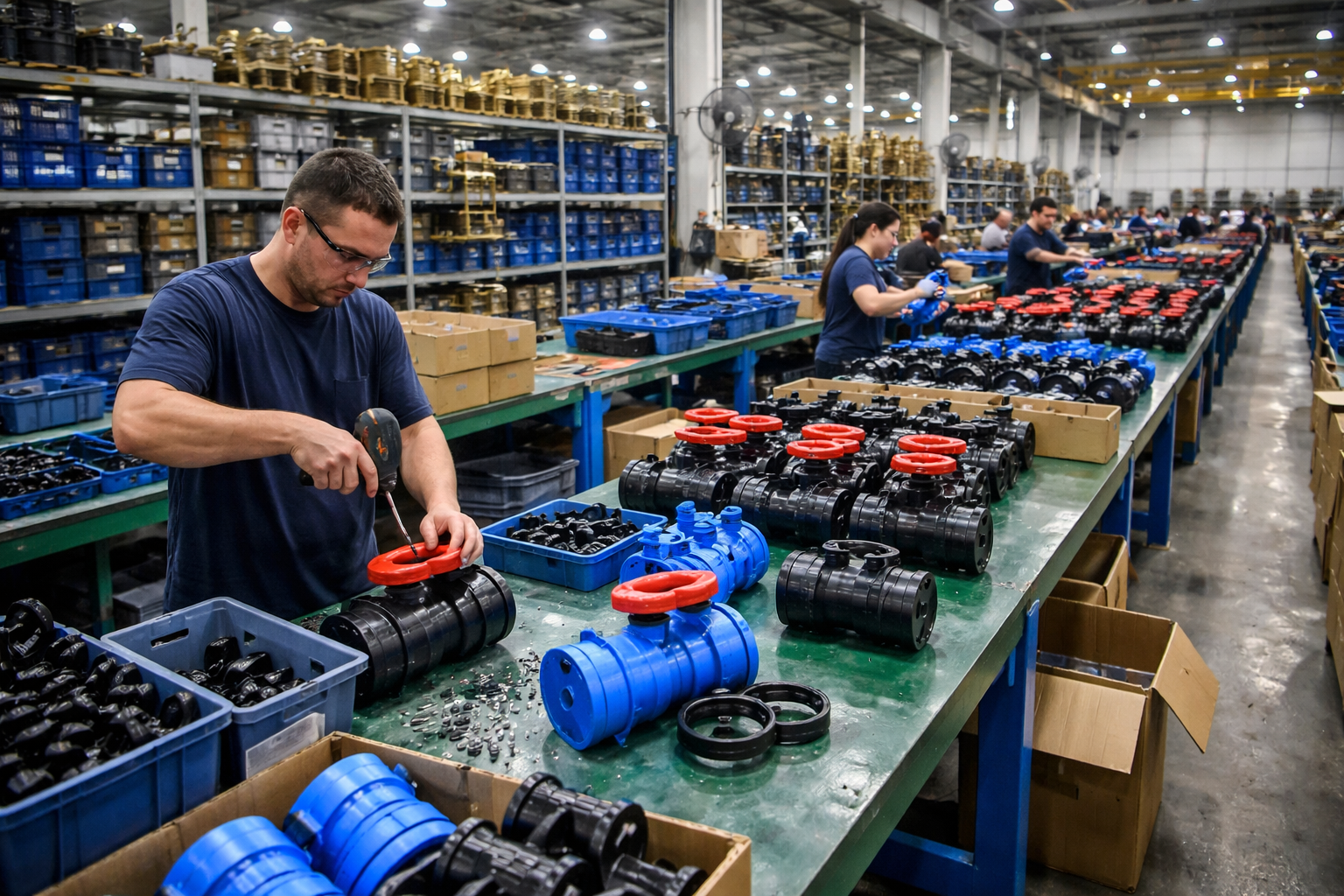
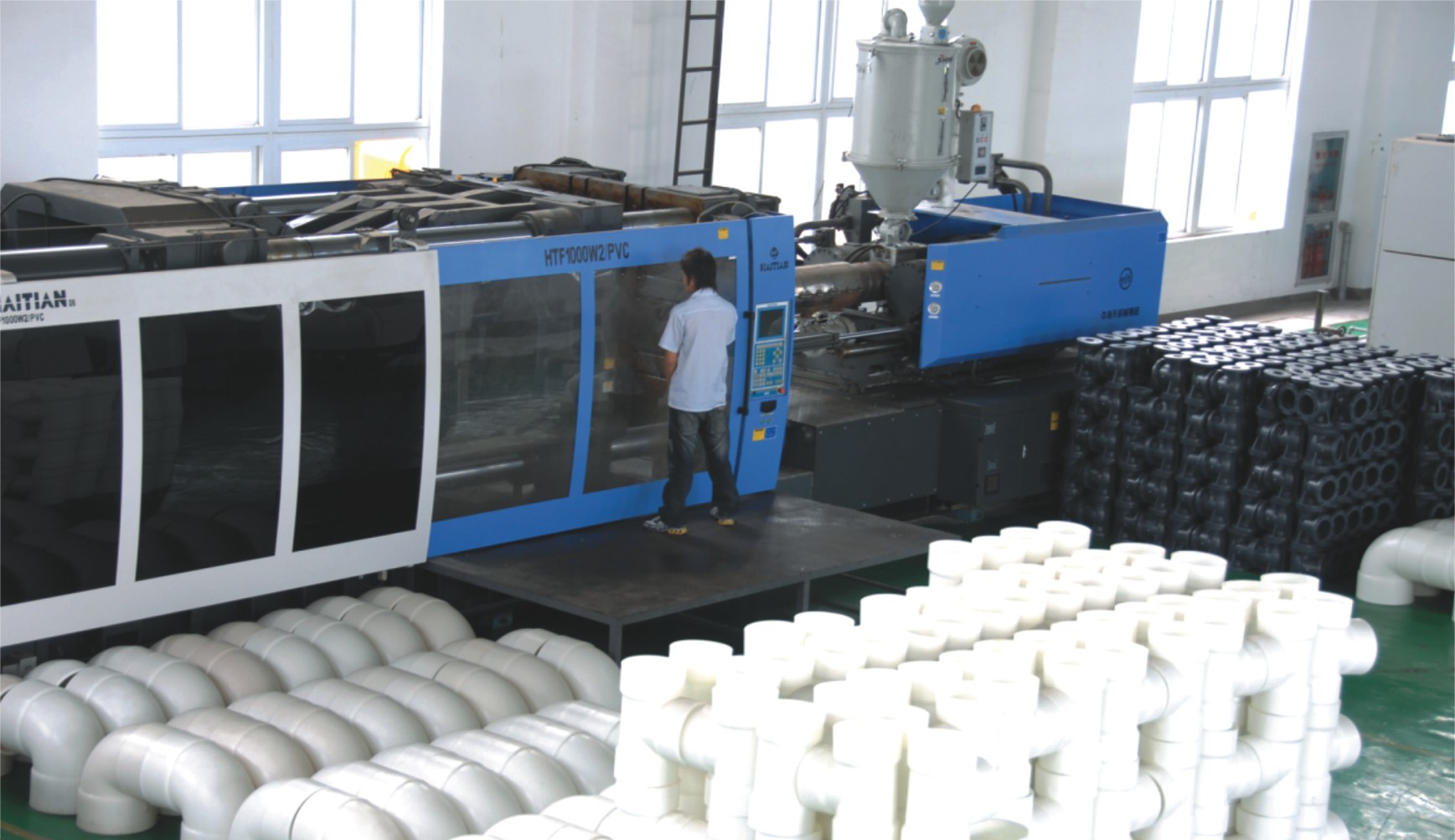
Select engineering plastics that meet the requirements (such as PVC, CPVC, PP, or PVDF). After inspecting the raw materials, produce the main valve body and component blanks of the back pressure valve through injection molding or compression molding.
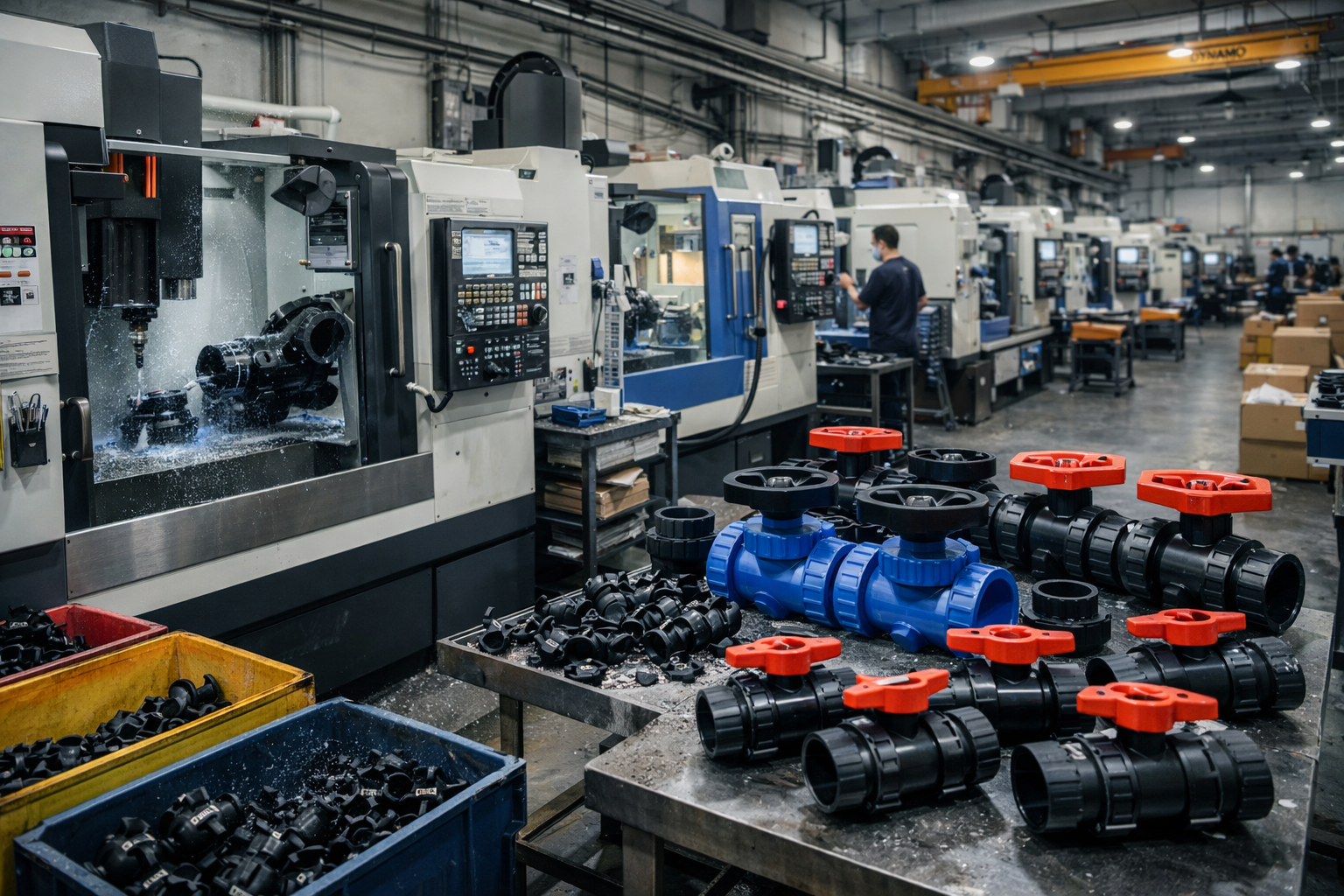
Step 3: Machining
Machine the molded back pressure valve components to precision, including sealing surface treatment, threading, and dimensional finishing, to ensure that fit accuracy and sealing performance meet design standards.
Step 4: Assembly
Assemble internal components such as springs, diaphragms, and valve cores into a complete back pressure valve according to assembly procedures, and perform preliminary functional adjustments.
Step 5: Testing & Quality Assurance
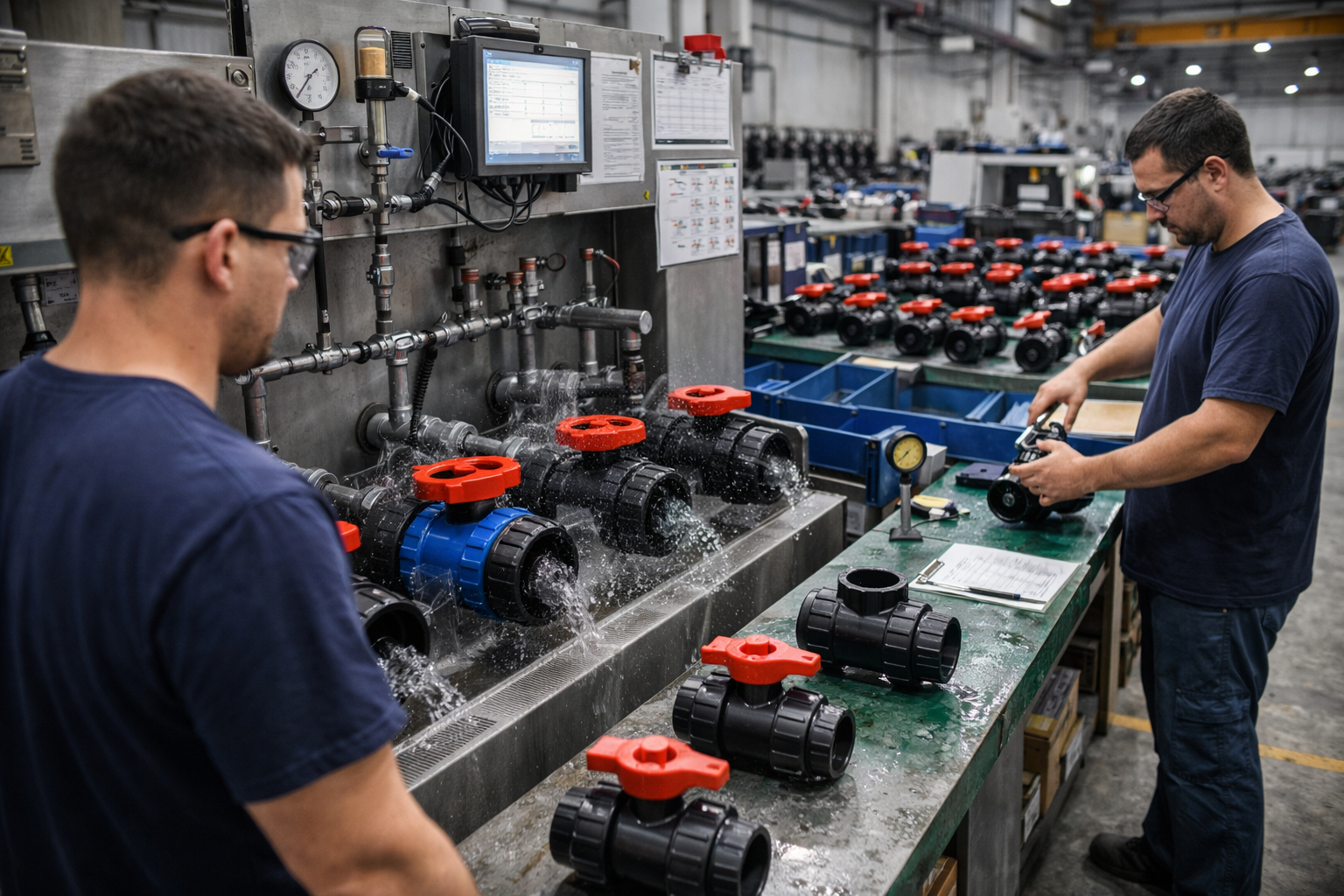
The back pressure valve undergoes seal testing, pressure resistance testing, and pressure regulation performance testing to ensure stable operation within the specified back pressure range. Concurrently, visual and dimensional inspections are conducted.
Step 6: Finishing, Packaging and Shipment
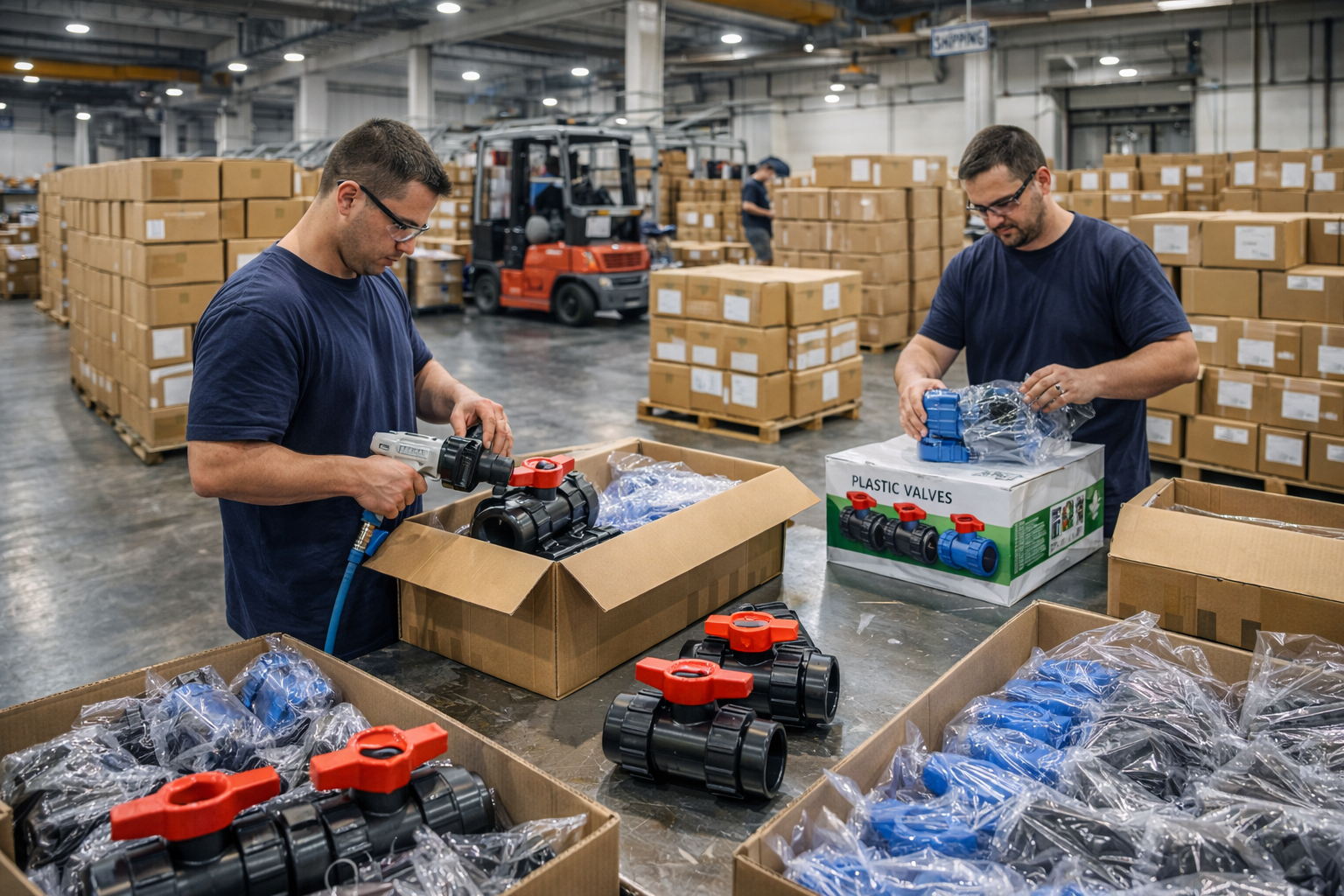
The back pressure valve is cleaned, marked with inkjet coding, and visually inspected. Qualified products are securely packaged, stored in inventory according to order requirements, and prepared for shipment.
Applications
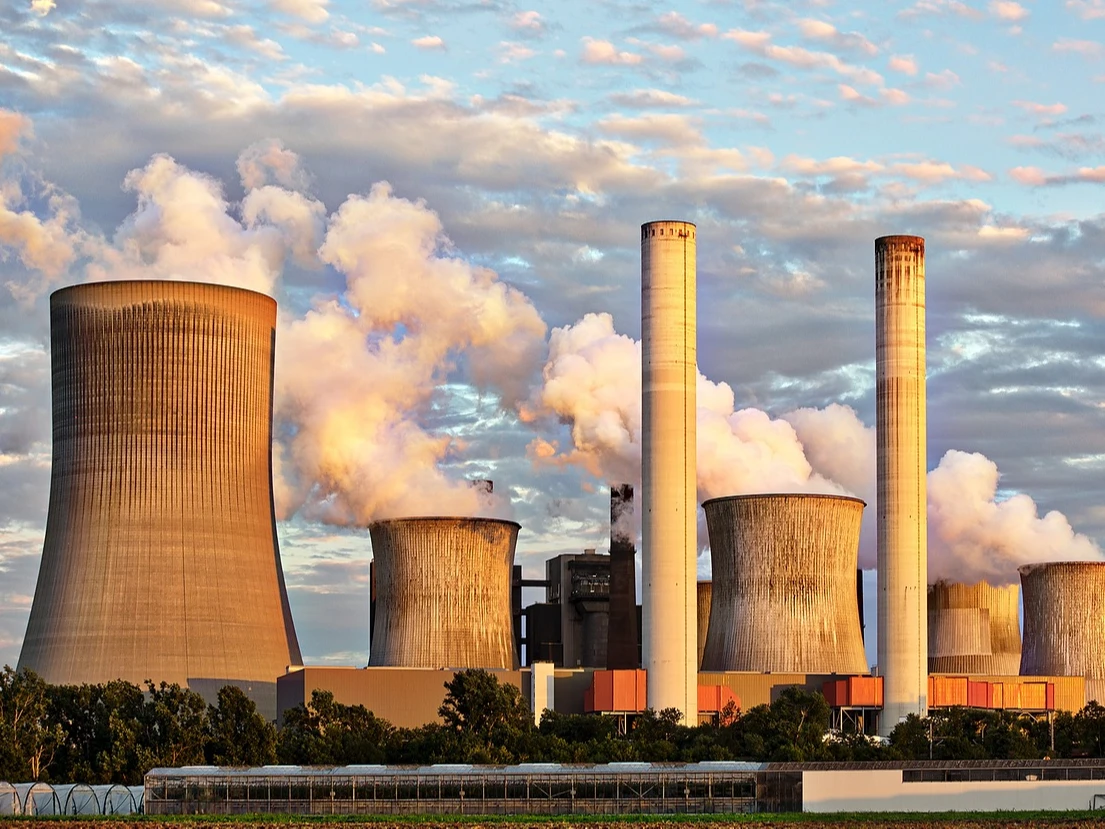
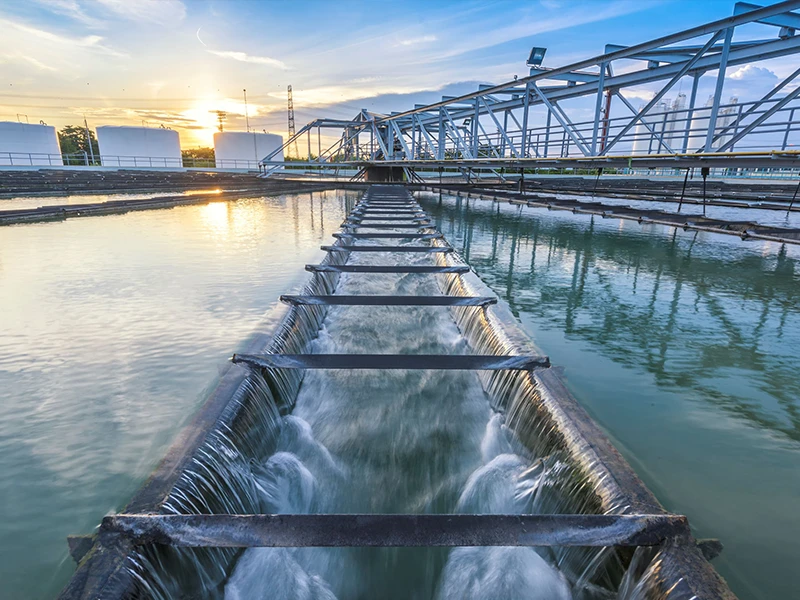
It is primarily used in fluid systems across industries such as chemical processing, water treatment, petroleum, and pharmaceuticals. Its core functions include maintaining a constant pressure at the pump outlet, preventing siphoning, reducing pipeline pulsations, and improving the operational accuracy of metering pumps.
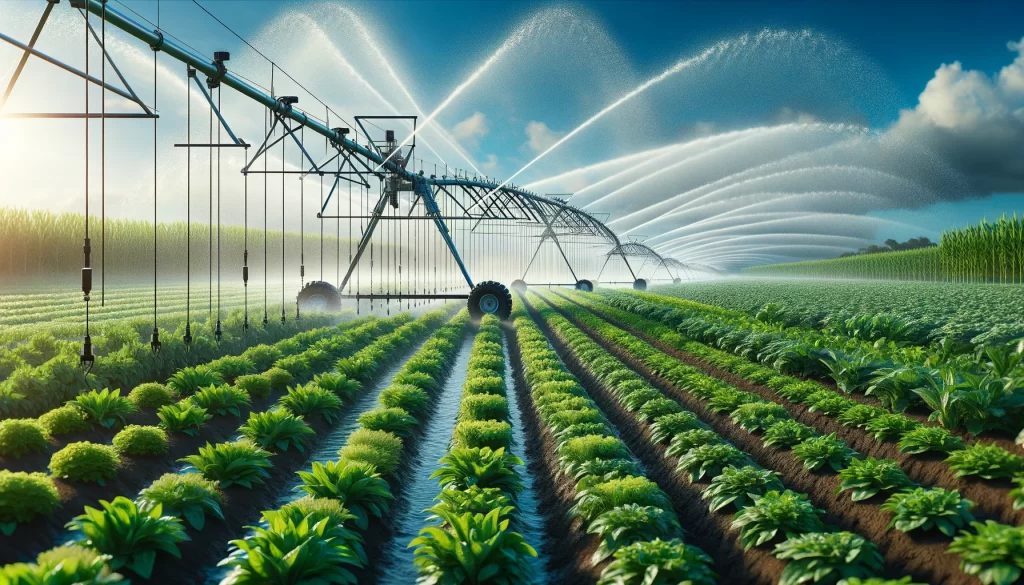
These valves are widely used in:
Agriculture and Irrigation
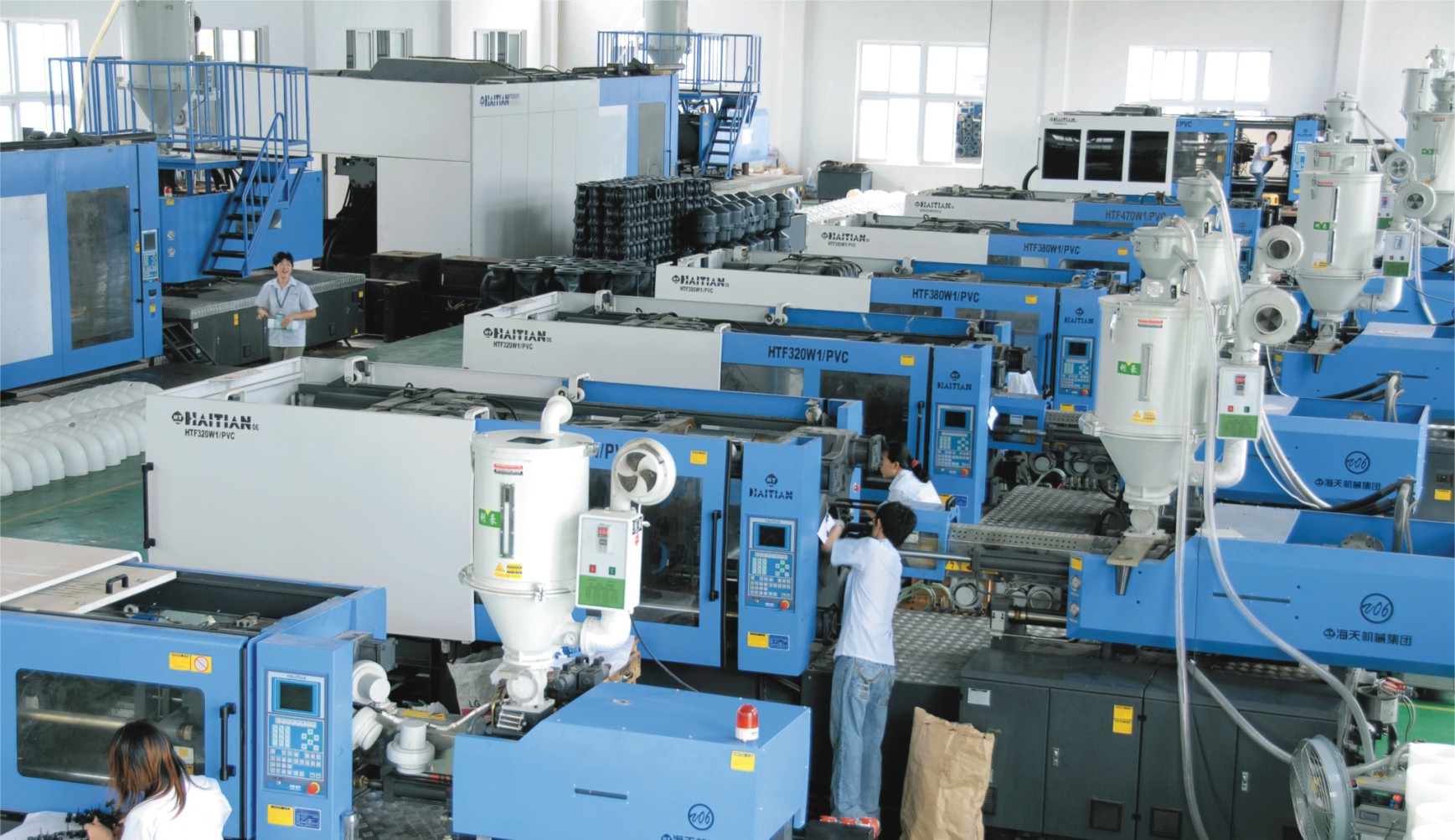
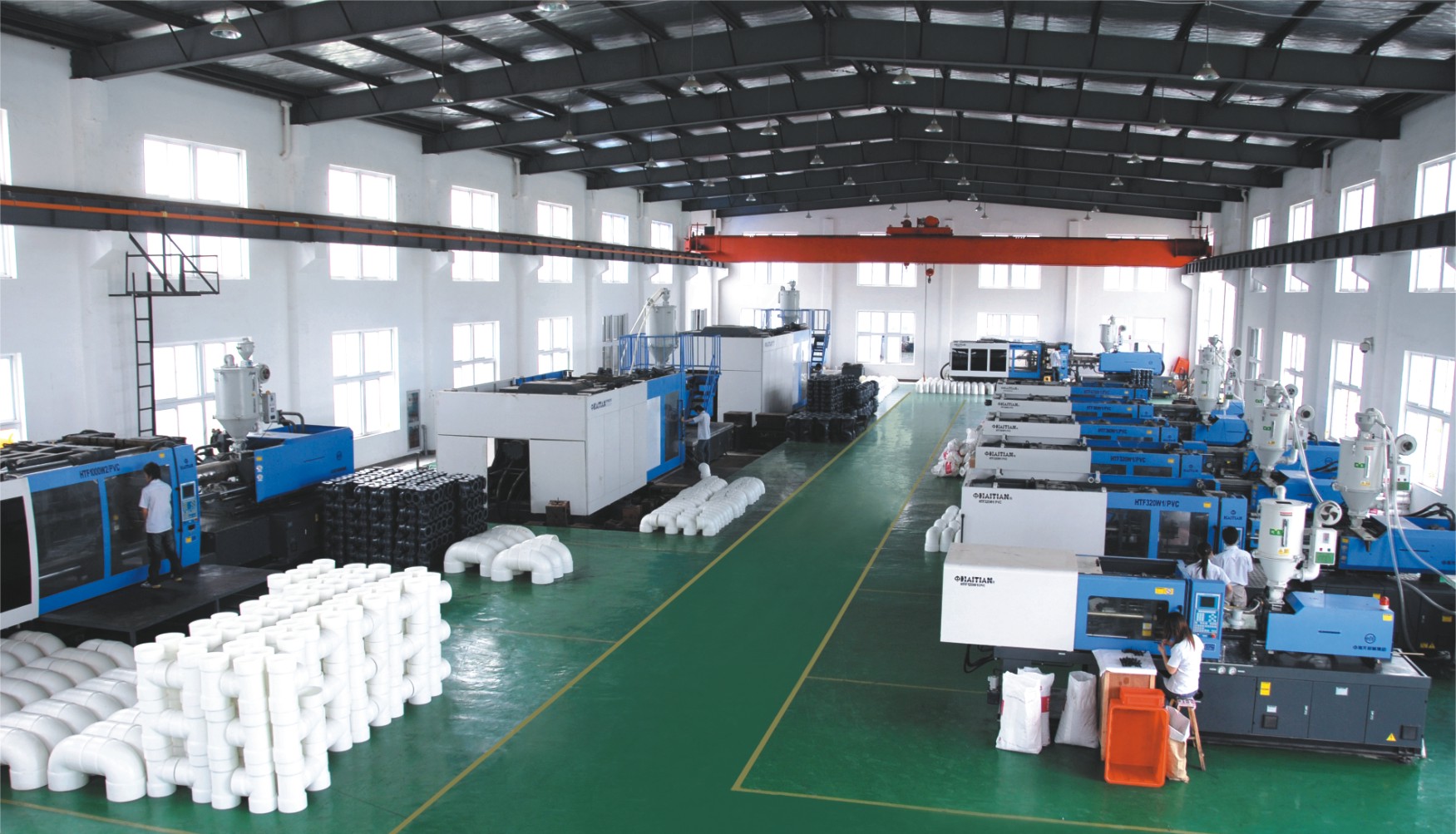
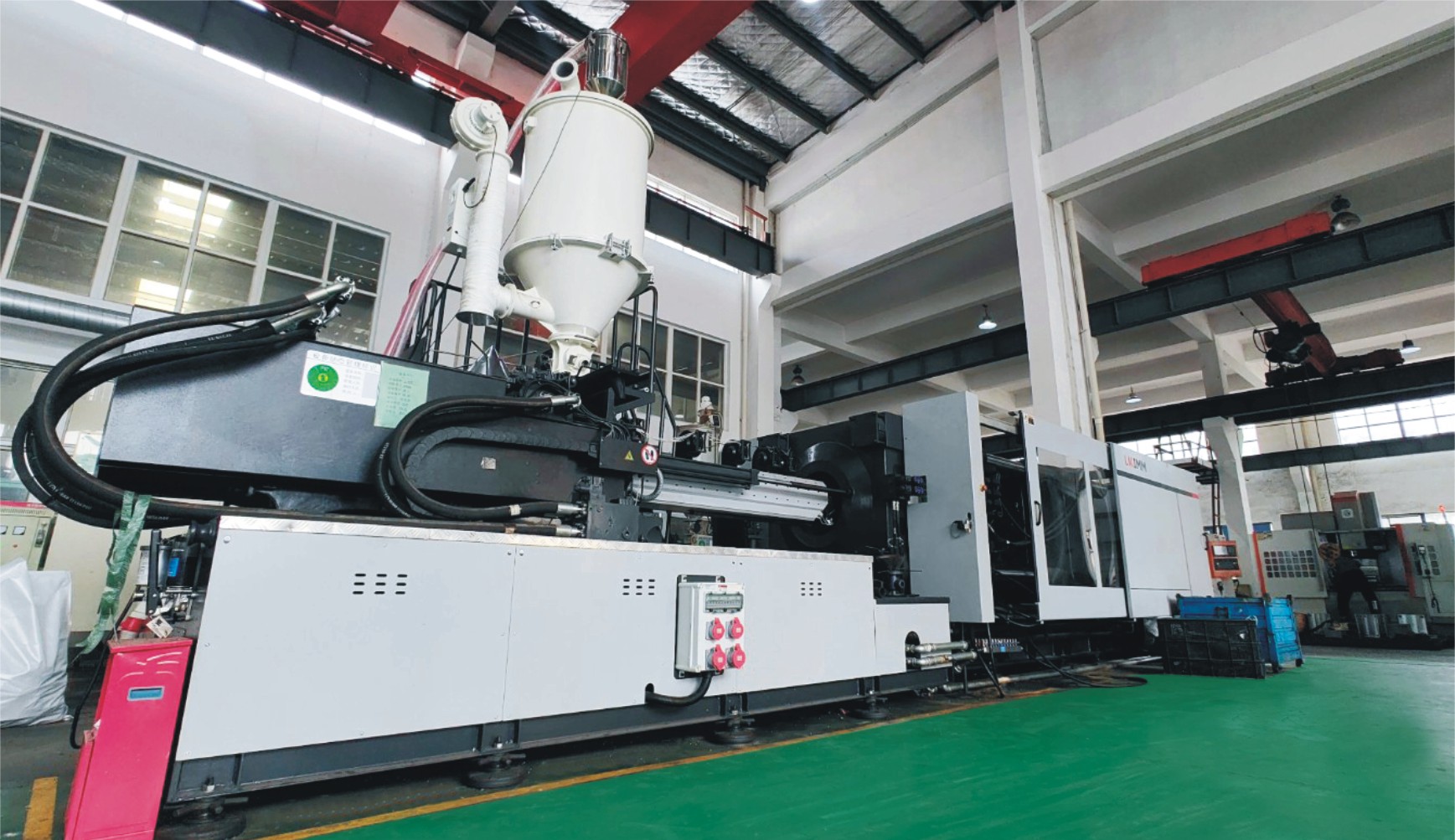
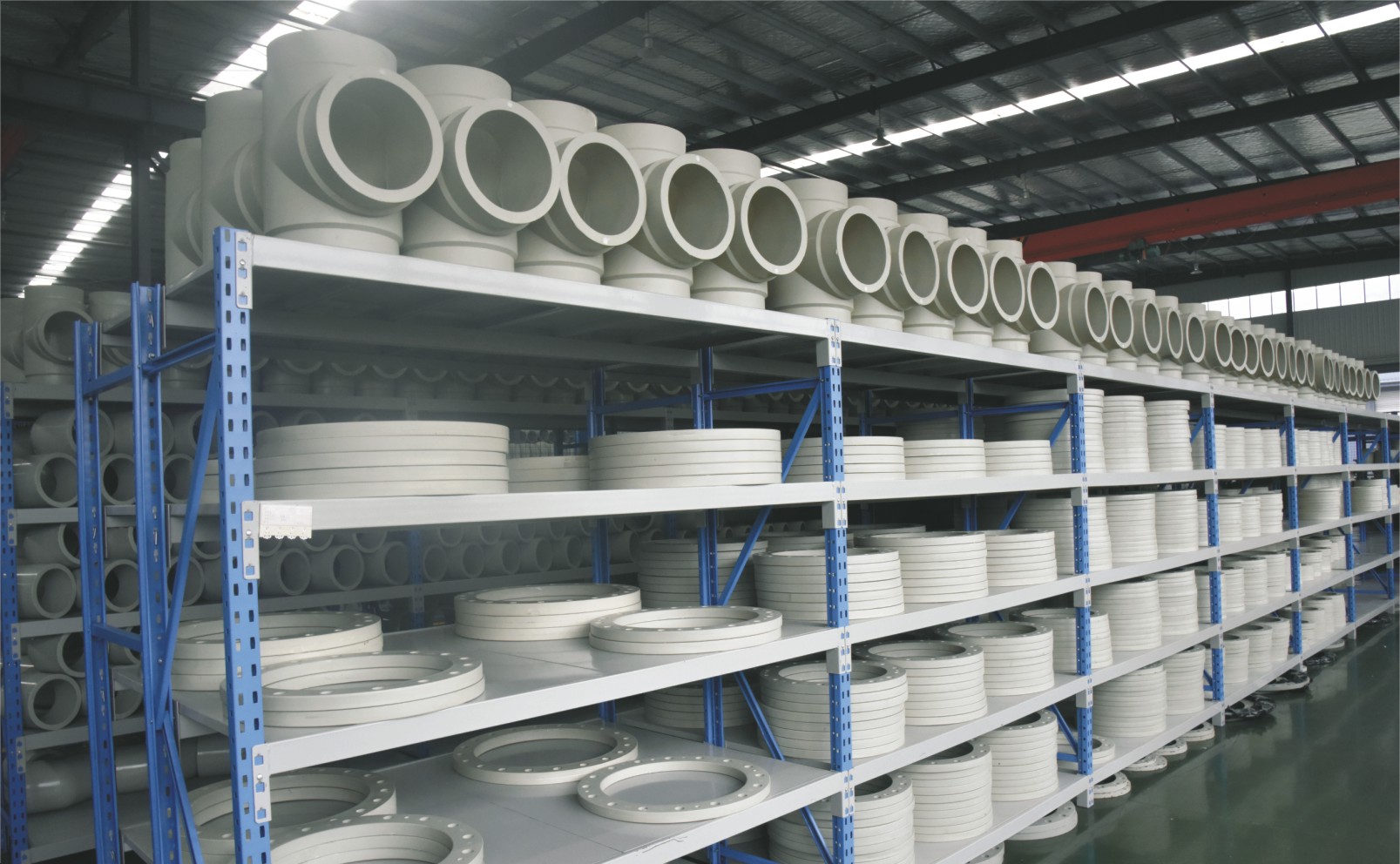
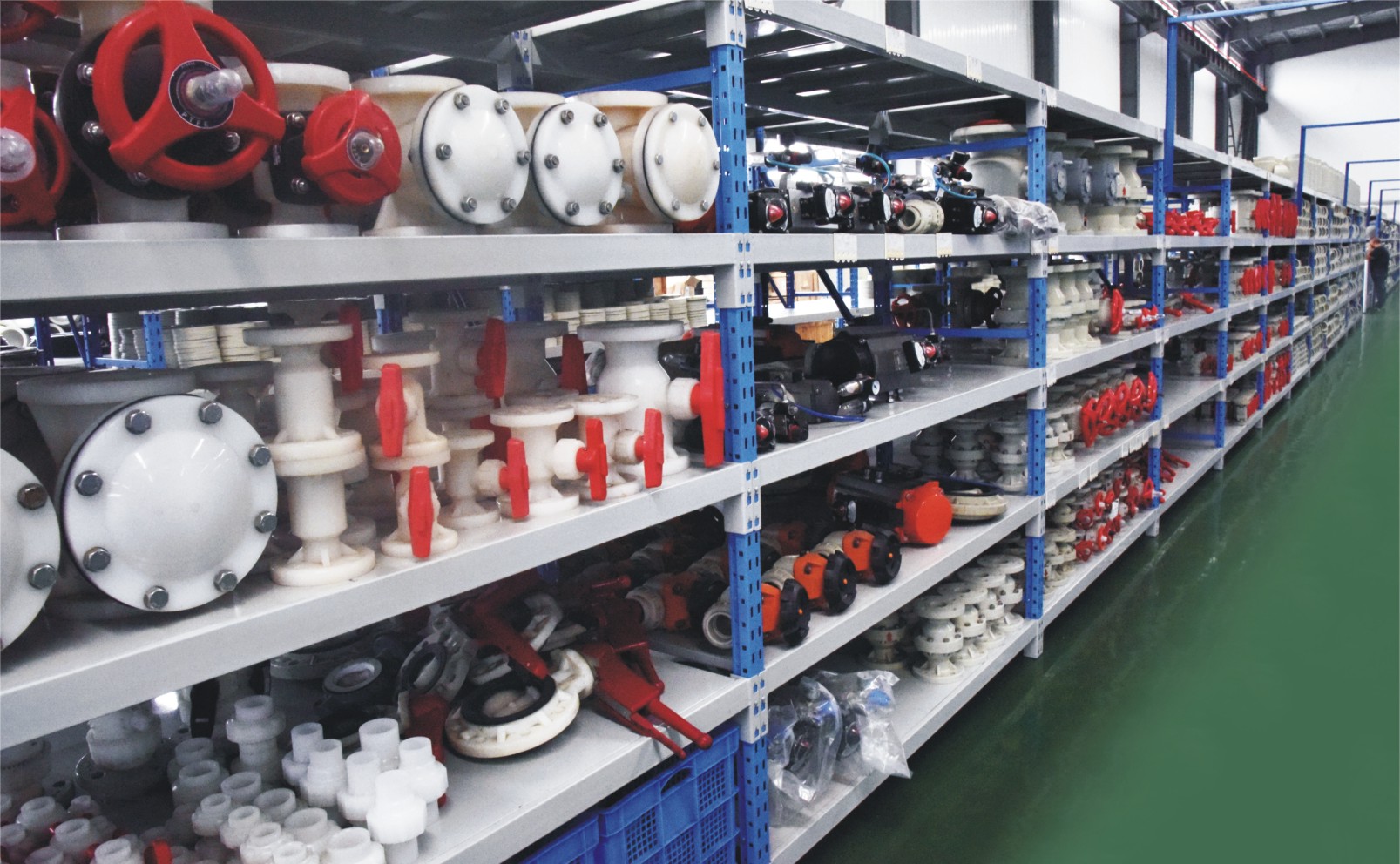
Factory Environment
Why Choose Us
Superior Quality
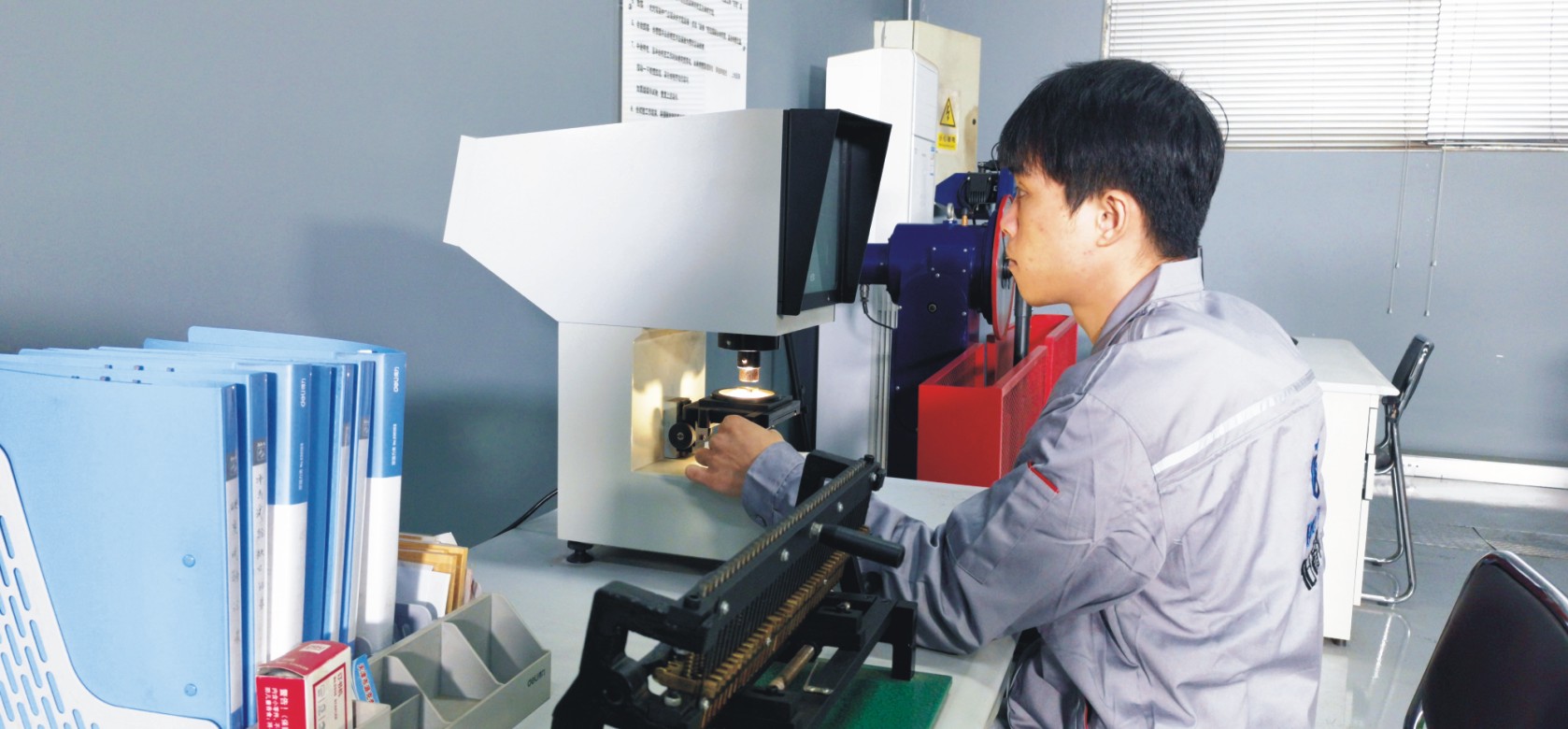
Our valves are produced from high-grade materials and subjected to strict quality inspections to guarantee dependable performance in challenging industrial environments.
Advanced Technology
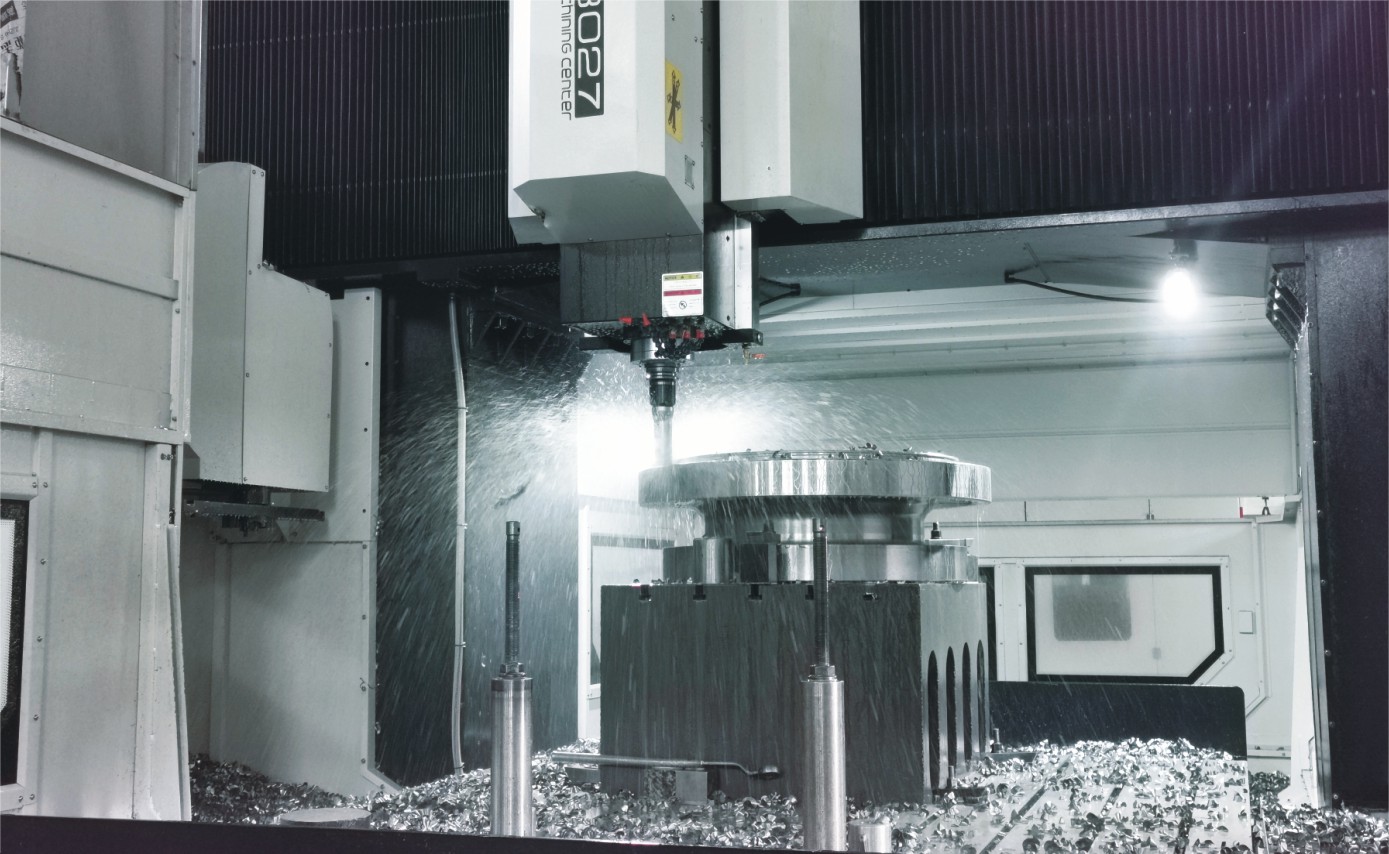
With cutting-edge CNC machining systems and high-precision manufacturing equipment, we ensure valves are made with outstanding accuracy and uniformity.
Competitive Pricing
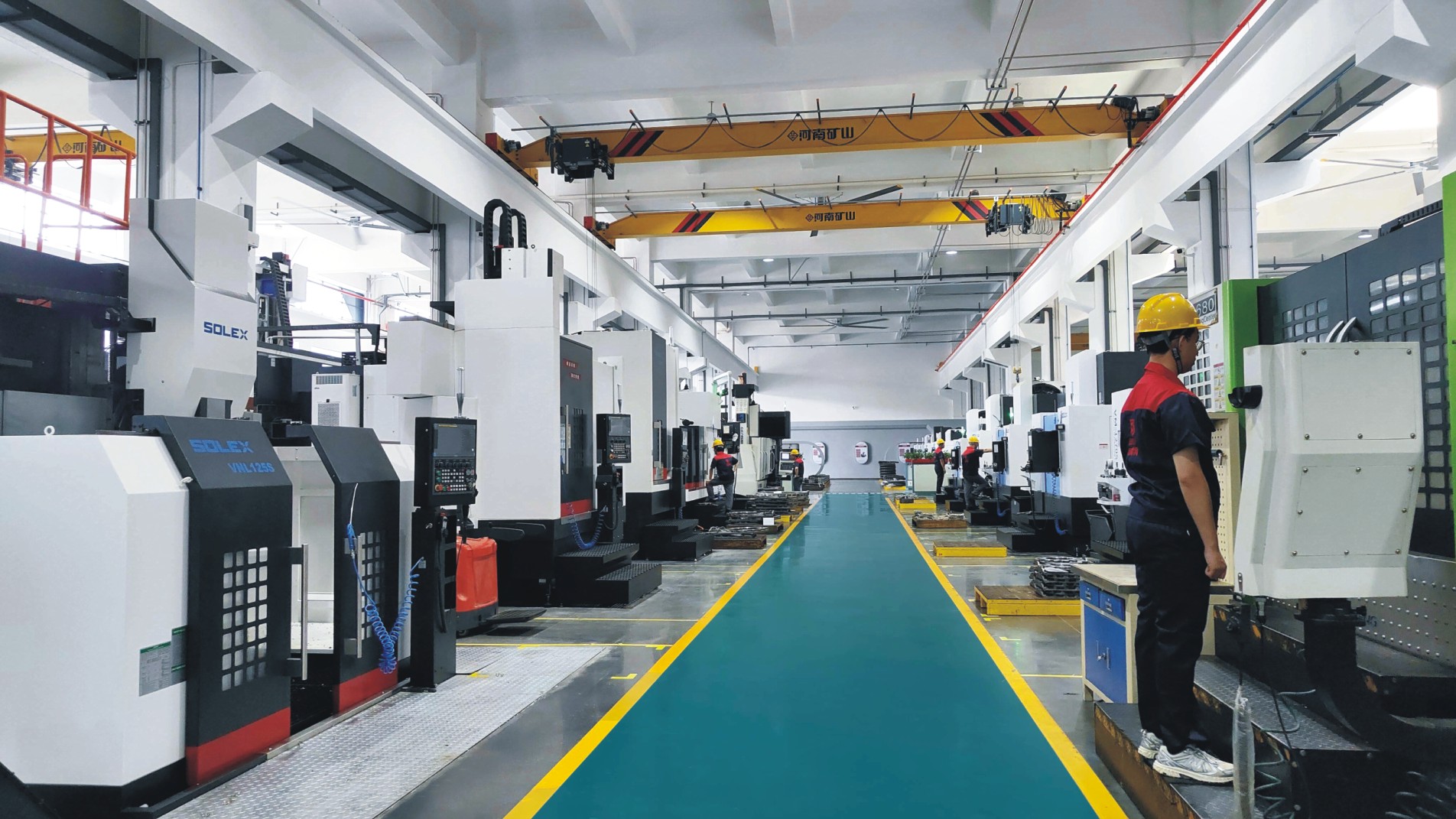
By streamlining production processes and sourcing materials in bulk, we provide premium-quality valves at competitive prices while maintaining excellent standards.
Expert Support
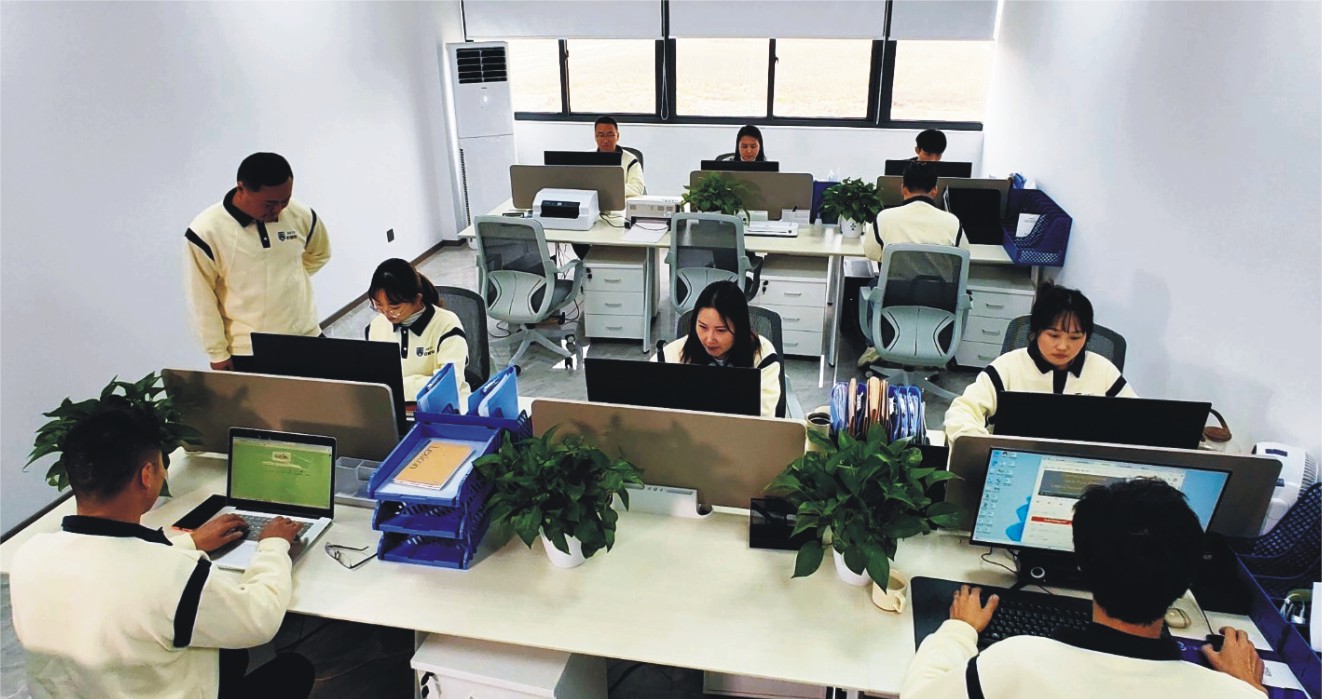
Our skilled technical team offers full support from product selection through after-sales service, helping ensure the best valve performance for your application.