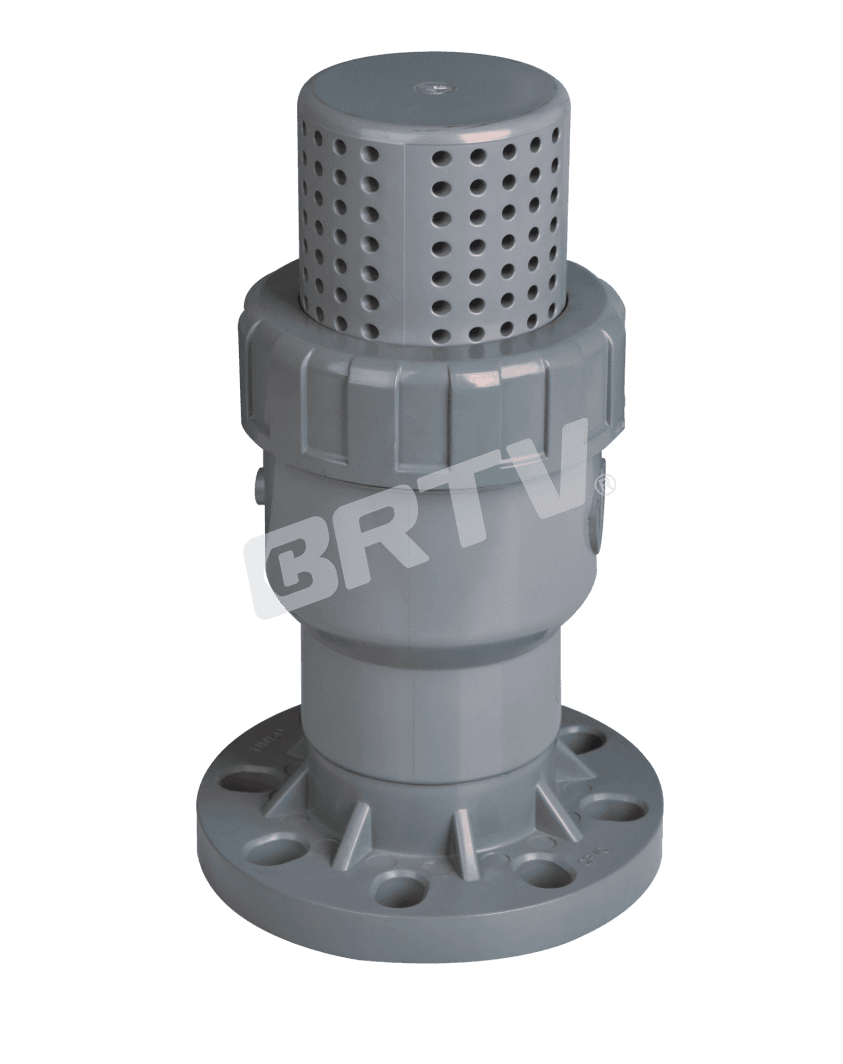
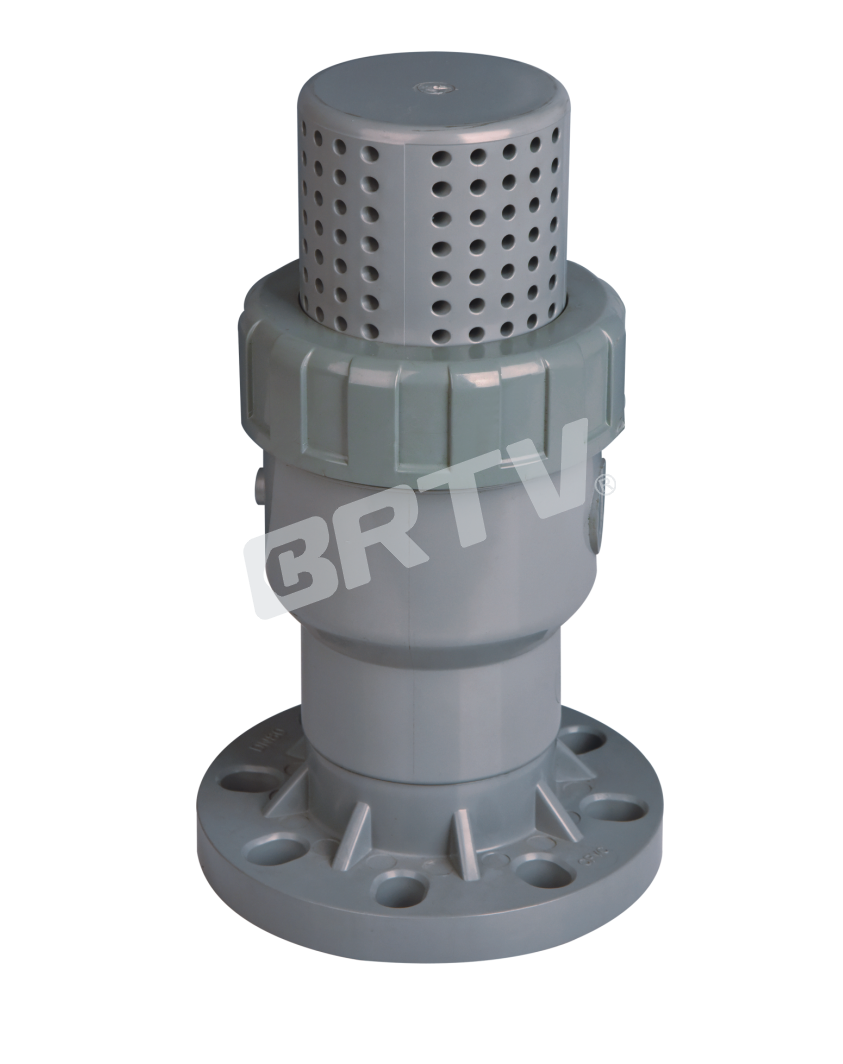
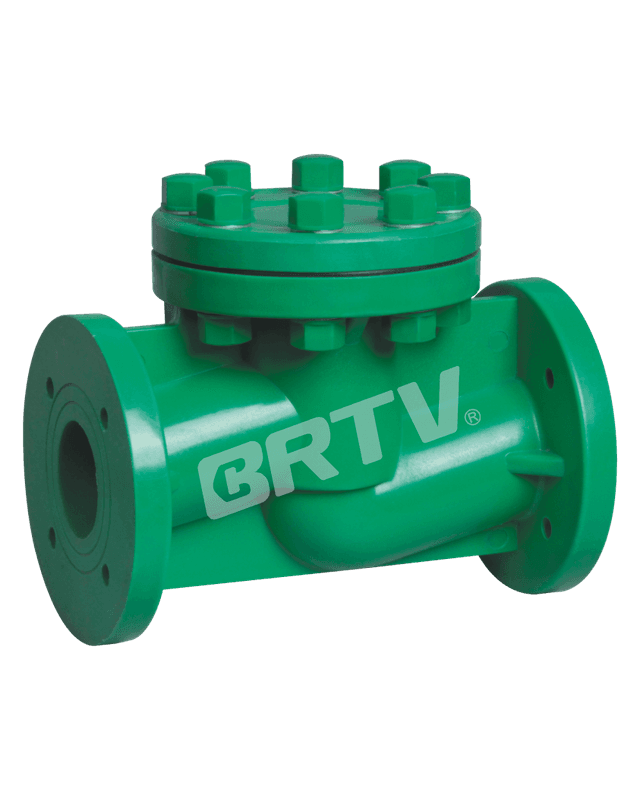
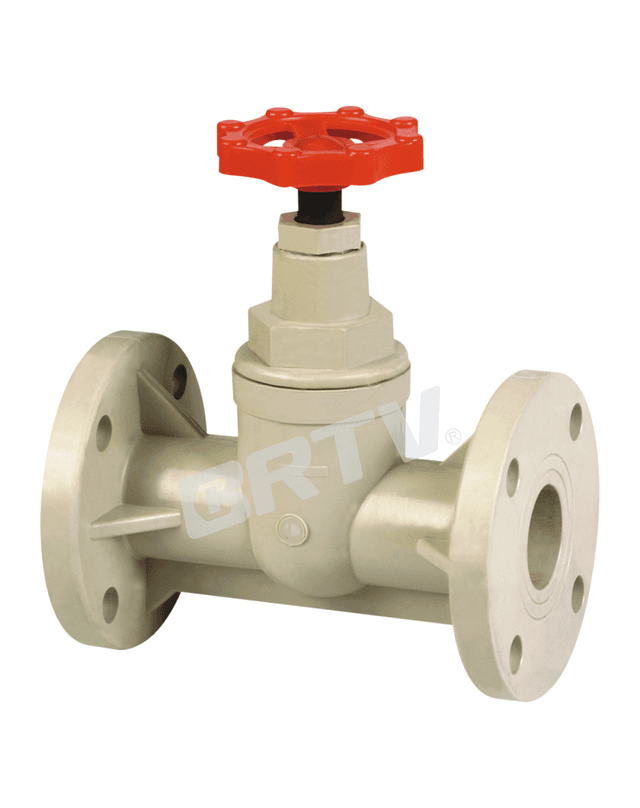
Bottom Valve(Flanged)
Application Temperature Range Table
| Materials | Medium Temperature (°C) |
|---|
| RPP (Reinforced Polypropylene) | -14°C ~ +90°C |
| UPVC (Unplasticized Polyvinyl Chloride) | -10°C ~ +70°C |
| PVDF (Polyvinylidene Fluoride) | -40°C ~ +140°C |
| CPVC (Chlorinated Polyvinyl Chloride) | -40°C ~ +95°C |
Features
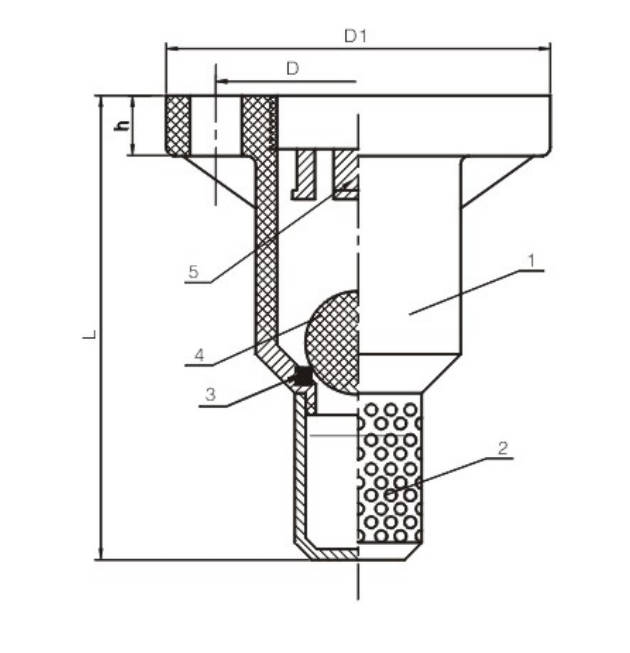
• Spherical core design ensures the valve is not easily clogged when the medium contains particles.
• The unique structural design reduces the flow resistance of the valve.
Parts & Material
| No. | Parts | Materials |
|---|
| 1 | Body | FRPP, PPH, UPVC, CPVC, PVDF |
| 2 | Screen | FRPP, PPH, UPVC, CPVC, PVDF |
| 3 | Seal | PTFE, EPDM, FPM |
| 4 | Ball | FRPP, PPH, UPVC, CPVC, PVDF, PTFE |
| 5 | Inner Plug | FRPP, PPH, UPVC, CPVC, PVDF |
Dimension Table
| DN | D1 (mm) | D (DIN) | D (JIS) | D (ANSI) | L (mm) | H (mm) | n (HG/DIN) | Φ (HG/DIN) | Working Pressure (MPa) |
|---|
| 15 | 95 | 65 | 70 | 60 | 168 | 15 | 4 | 14 | 1.0 |
| 20 | 105 | 75 | 75 | 70 | 182 | 17 | 4 | 14 | 1.0 |
| 25 | 115 | 85 | 90 | 79 | 196 | 17 | 4 | 14 | 1.0 |
| 32 | 135 | 100 | 100 | 89 | 220 | 17 | 4 | 18 | 1.0 |
| 40 | 145 | 110 | 105 | 98 | 224 | 17 | 4 | 18 | 1.0 |
| 50 | 160 | 125 | 120 | 121 | 250 | 20 | 4 | 18 | 1.0 |
| 65 | 180 | 145 | 140 | 140 | 308 | 22 | 4 | 18 | 0.6 |
| 80 | 195 | 160 | 150 | 152 | 350 | 25 | 8 | 18 | 0.6 |
| 100 | 215 | 180 | 175 | 190 | 392 | 25 | 8 | 18 | 0.6 |
| 125 | 245 | 210 | 210 | 216 | 448 | 30 | 8 | 18 | 0.4 |
| 150 | 280 | 240 | 240 | 241 | 504 | 30 | 8 | 23 | 0.4 |
| 200 | 335 | 295 | 290 | 298 | 560 | 35 | 8 | 23 | 0.3 |
| 250 | 400 | 350 | 355 | 362 | 620 | 38 | 12 | 23 | 0.3 |
Bottom Valve(Union)
Features
• Easy to install, requires minimal space, and is easy to maintain.
• Suspended pipeline valves are subject to water hammer and vibration, making the connecting threads prone to loosening and damage.
• Flexible connections are not recommended for harsh working conditions such as high temperature and strong corrosion.
Parts & Material
| No. | Parts | Materials |
|---|
| 1 | Body | PPH, UPVC, CPVC, PVDF |
| 2 | Ball | PPH, UPVC, CPVC, PVDF, PTFE |
| 3 | Plastic Gasket | PPH, UPVC, CPVC, PVDF |
| 4 | Seat Seal | EPDM, FPM |
| 5 | Union Nut | PPH, UPVC, CPVC, PVDF |
| 6 | Plastic Gasket | PPH, UPVC, CPVC, PVDF |
| 7 | Screen | PPH, UPVC, CPVC, PVDF |
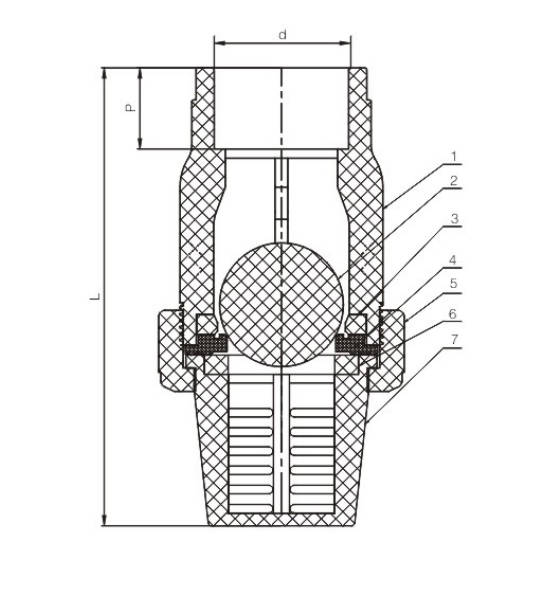
Dimension Table
| DN | Socket End d (mm) | | | Thread End d | | | L (mm) | P (mm) | Working Pressure (MPa) | Minimum Back Pressure (MPa) |
|---|
| HG/DIN | JIS | ANSI | HG/DIN | JIS | ANSI | | | | |
| 15 | 20 | 22 | 21.3 | R1/2 | PT1/2 | NPT1/2 | — | 17 | 1.0 | 0.04 |
| 20 | 25 | 26 | 26.7 | R3/4 | PT3/4 | NPT3/4 | — | 24 | 1.0 | 0.04 |
| 25 | 32 | 32 | 33.4 | R1 | PT1 | NPT1 | — | 28 | 1.0 | 0.04 |
| 32 | 40 | 38 | 42.2 | R1-1/4 | PT1-1/4 | NPT1-1/4 | — | 29 | 1.0 | 0.04 |
| 40 | 50 | 48 | 48.3 | R1-1/2 | PT1-1/2 | NPT1-1/2 | — | 35 | 1.0 | 0.04 |
| 50 | 63 | 60 | 60.3 | R2 | PT2 | NPT2 | — | 39 | 1.0 | 0.04 |
Manufacturing Process
Step 1: Order and Design
Confirm parameters based on the customer’s operating conditions (medium, temperature, pressure, installation method), complete the structural design and selection of the bottom valve (e.g., flange dimensions, sealing type, filter structure, etc.), and produce 3D drawings and manufacturing process documents.
Step 2: Raw Material Preparation & Molding
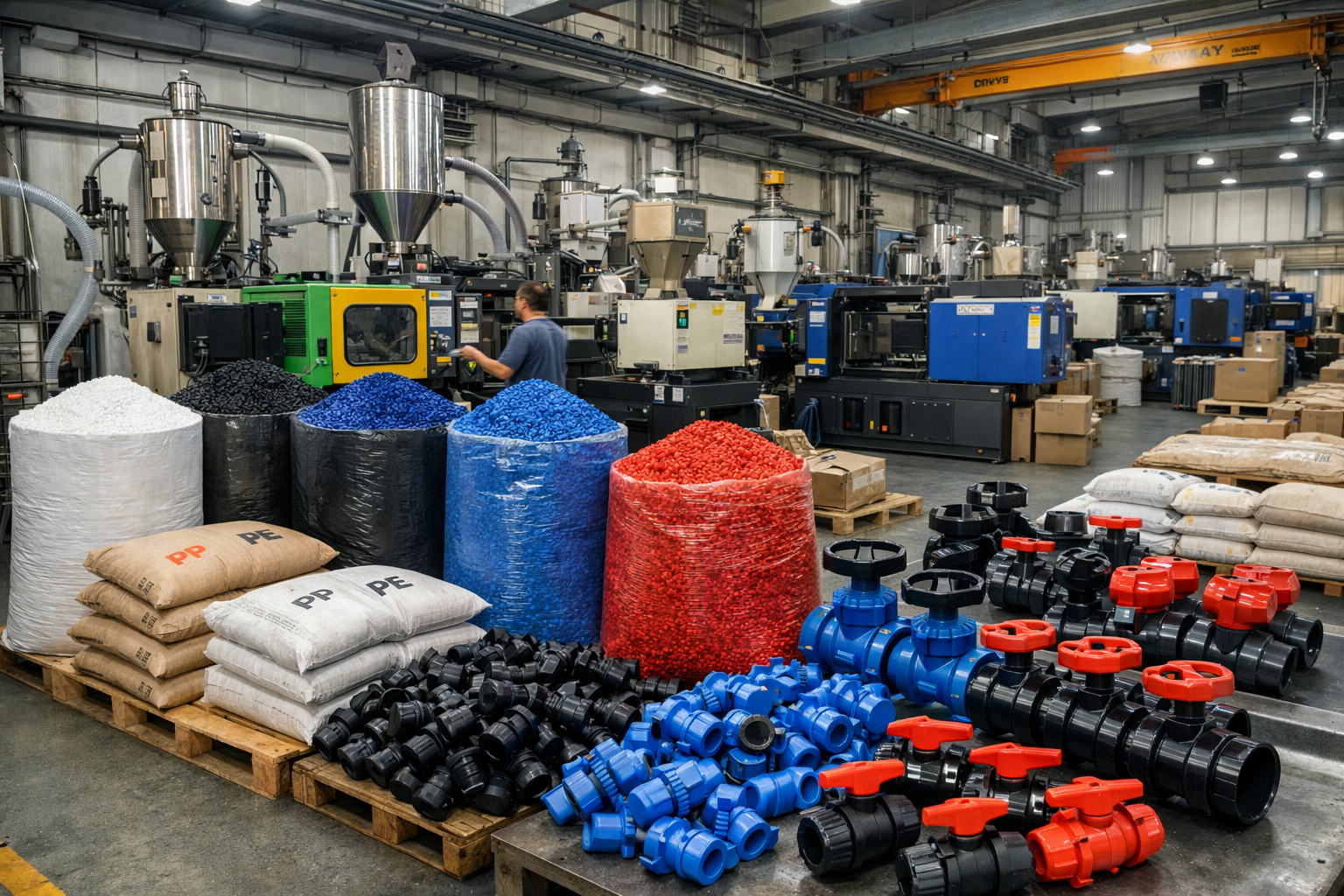
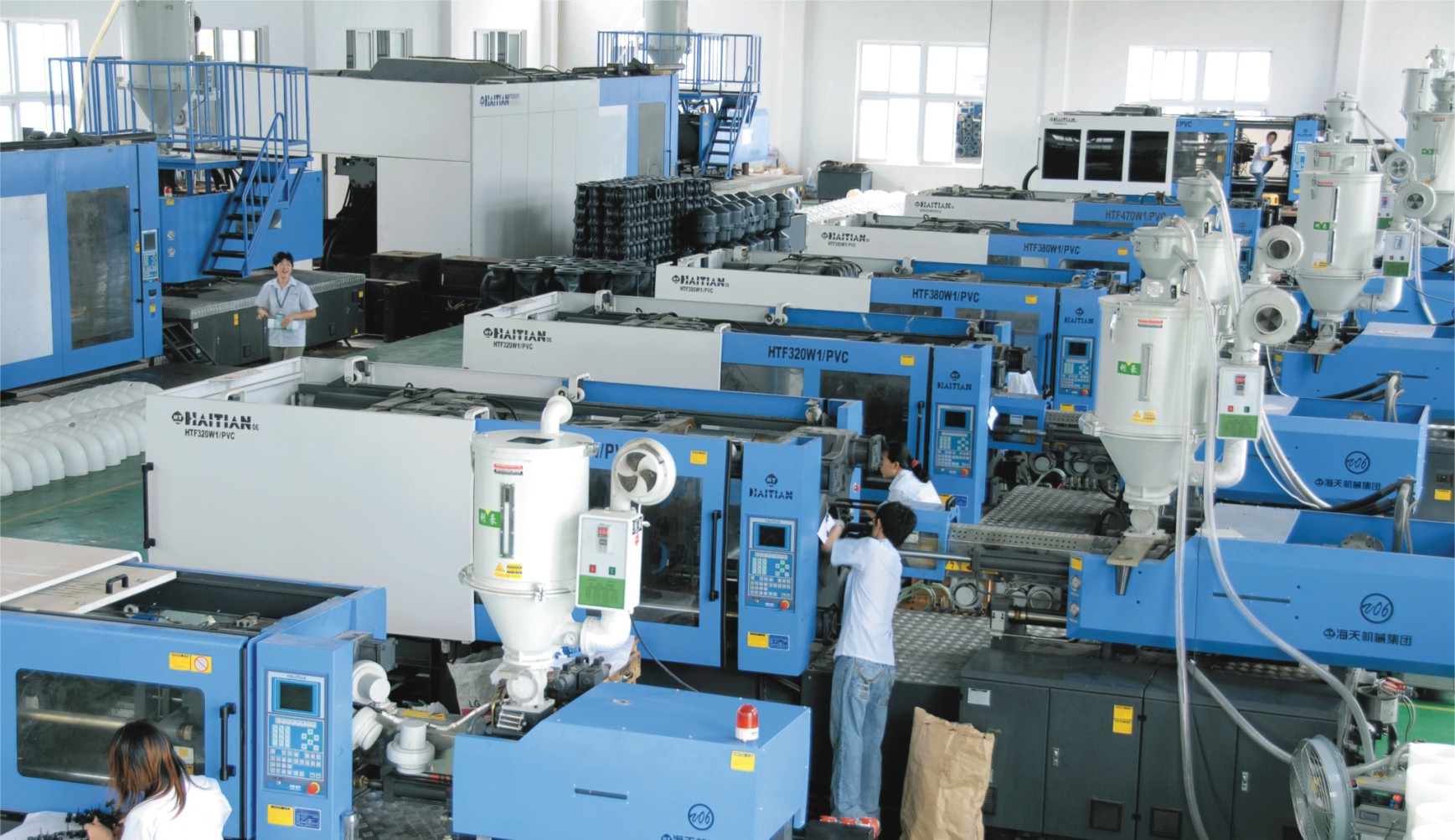
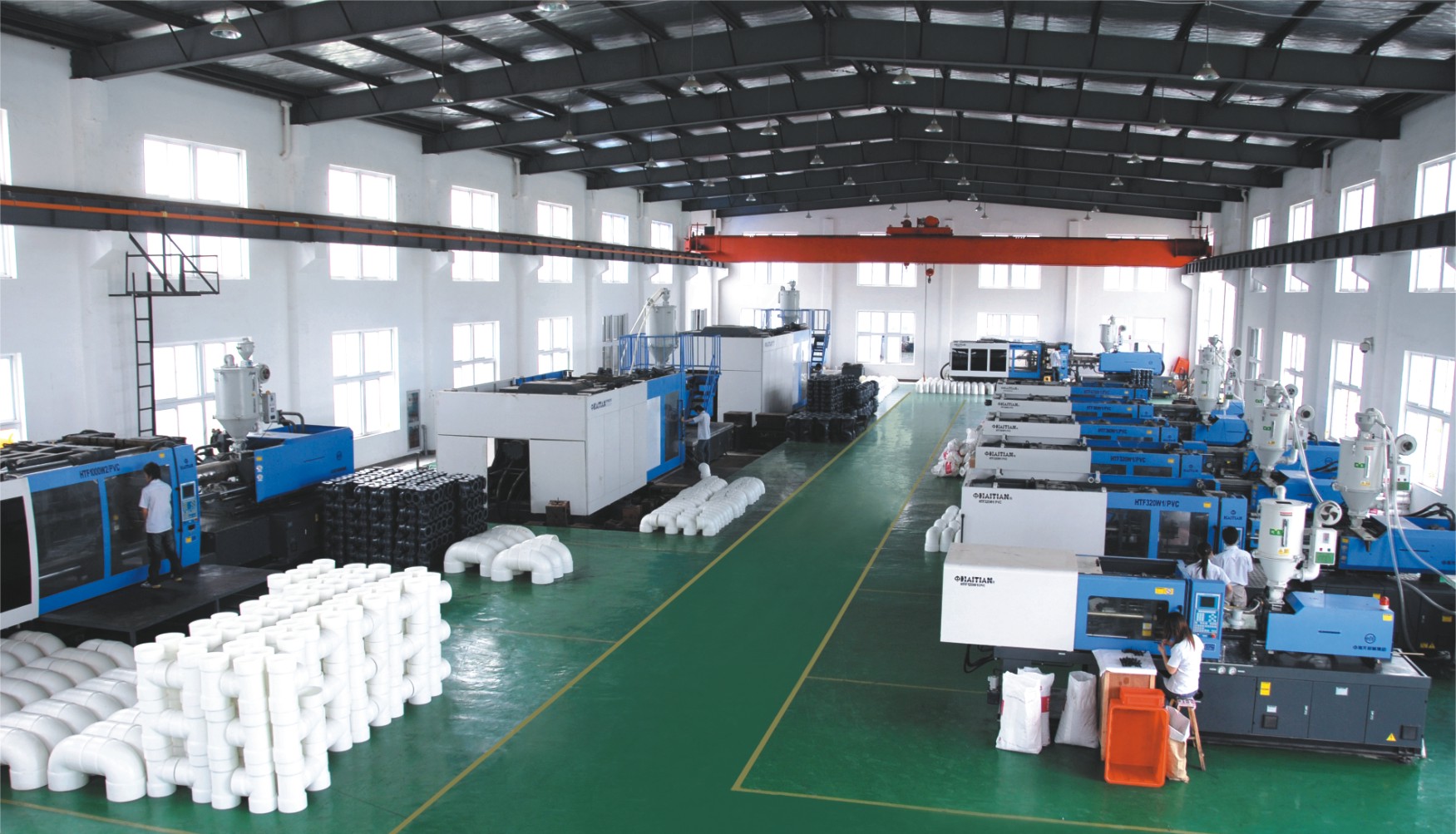
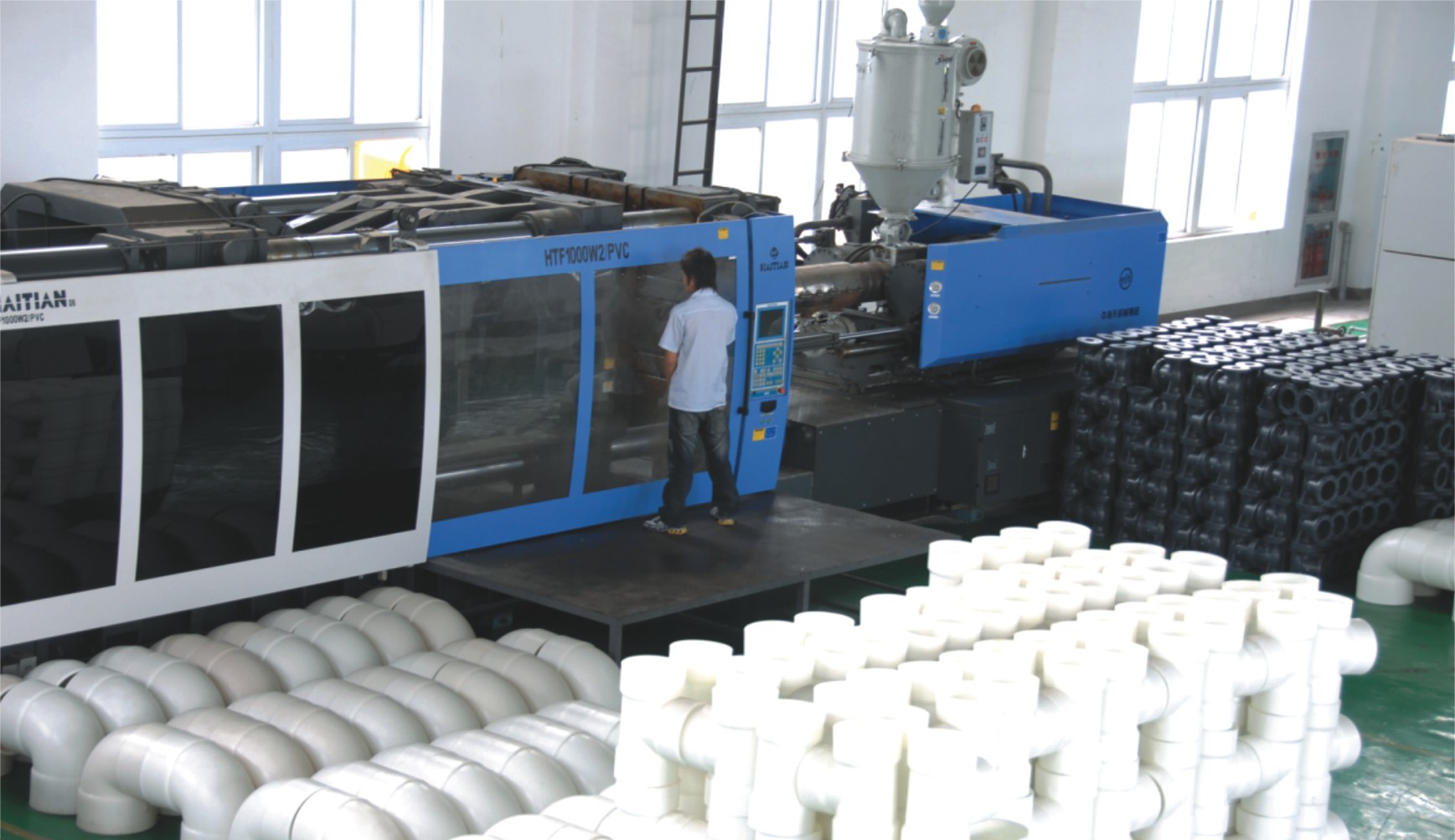
Select raw materials such as PVC, CPVC, PP, or PVDF, perform batching and drying, and mold the main components of the bottom valve (valve body, filter cage, connection ends, etc.) using injection molding or compression molding processes.
Step 3: Machining
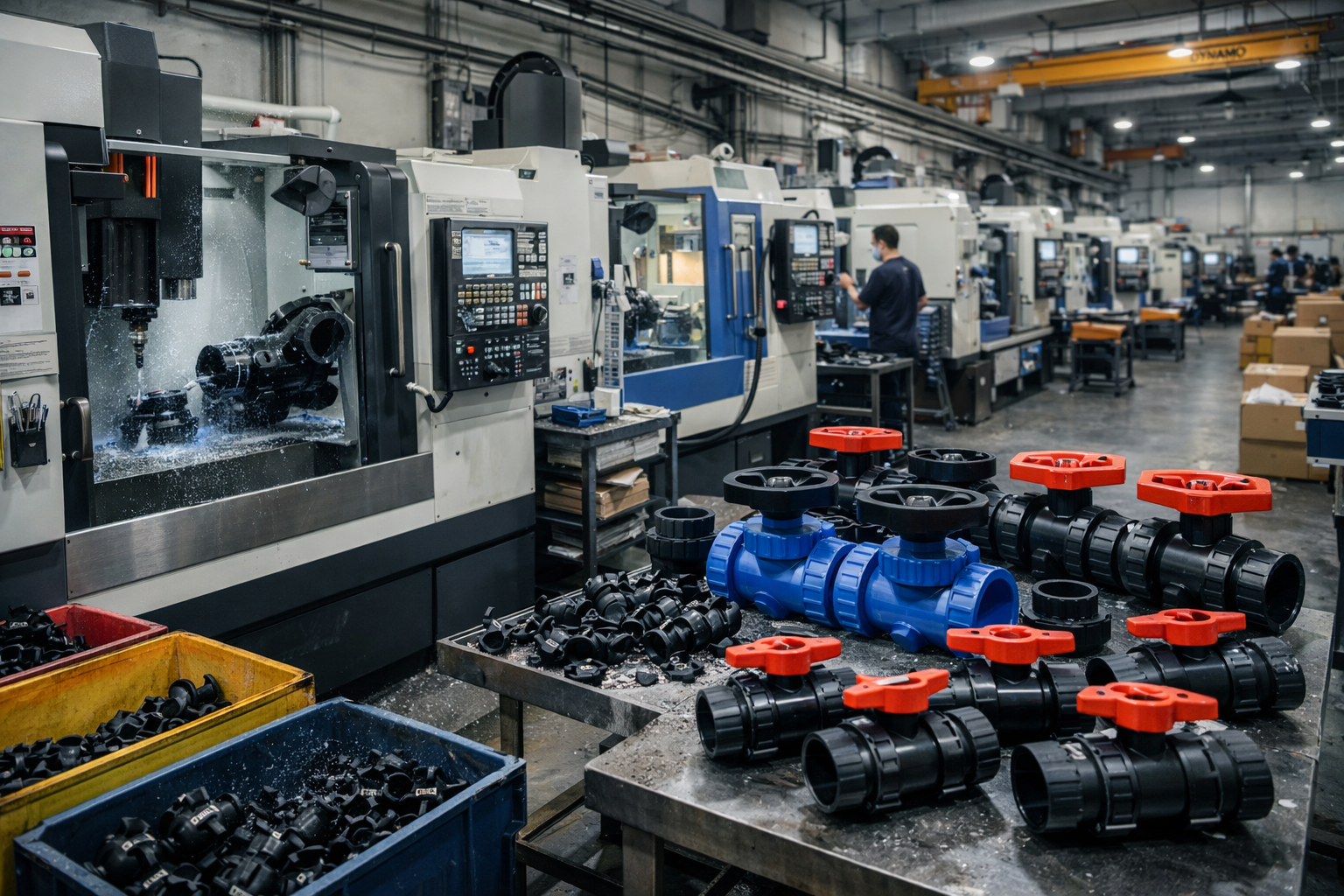
Perform precision machining on the molded bottom valve parts, including sealing surface finishing, threading, drilling of flange holes, and dimensional correction, to ensure assembly accuracy and sealing performance.
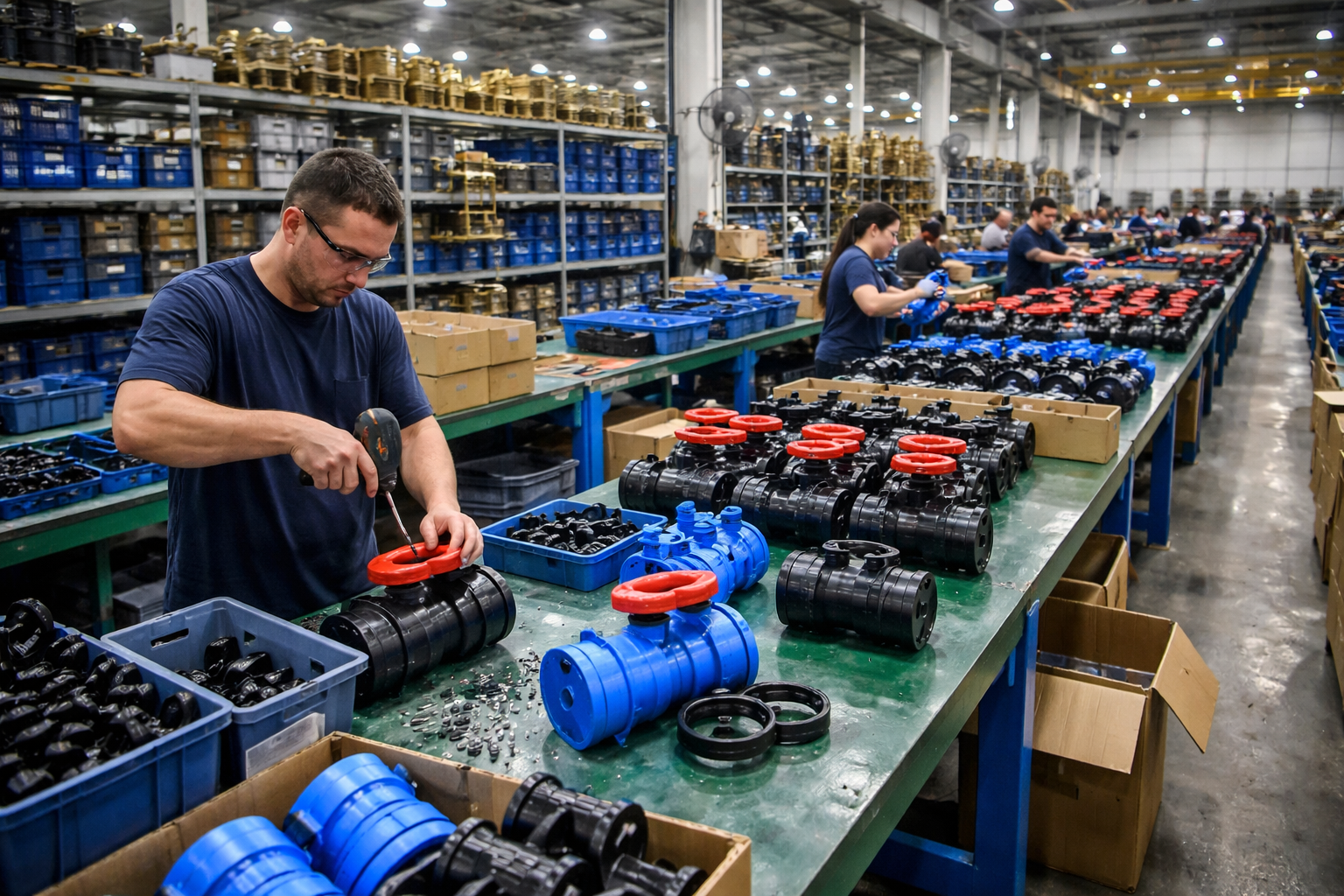
Step 4: Assembly
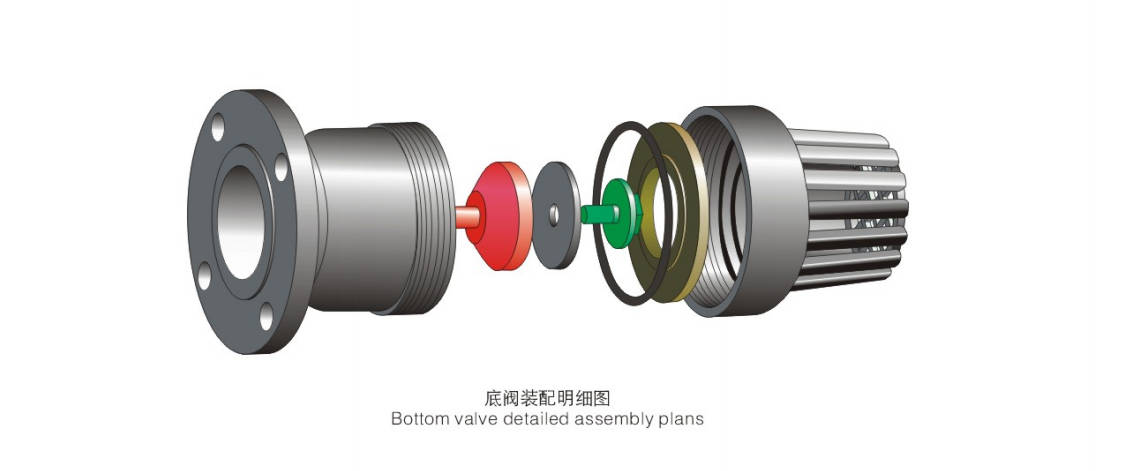
The valve body, seals (such as EPDM/FPM), filter screen, and fasteners are assembled to ensure the bottom valve operates smoothly and has a sturdy structure, while also verifying the compatibility of all connection points.
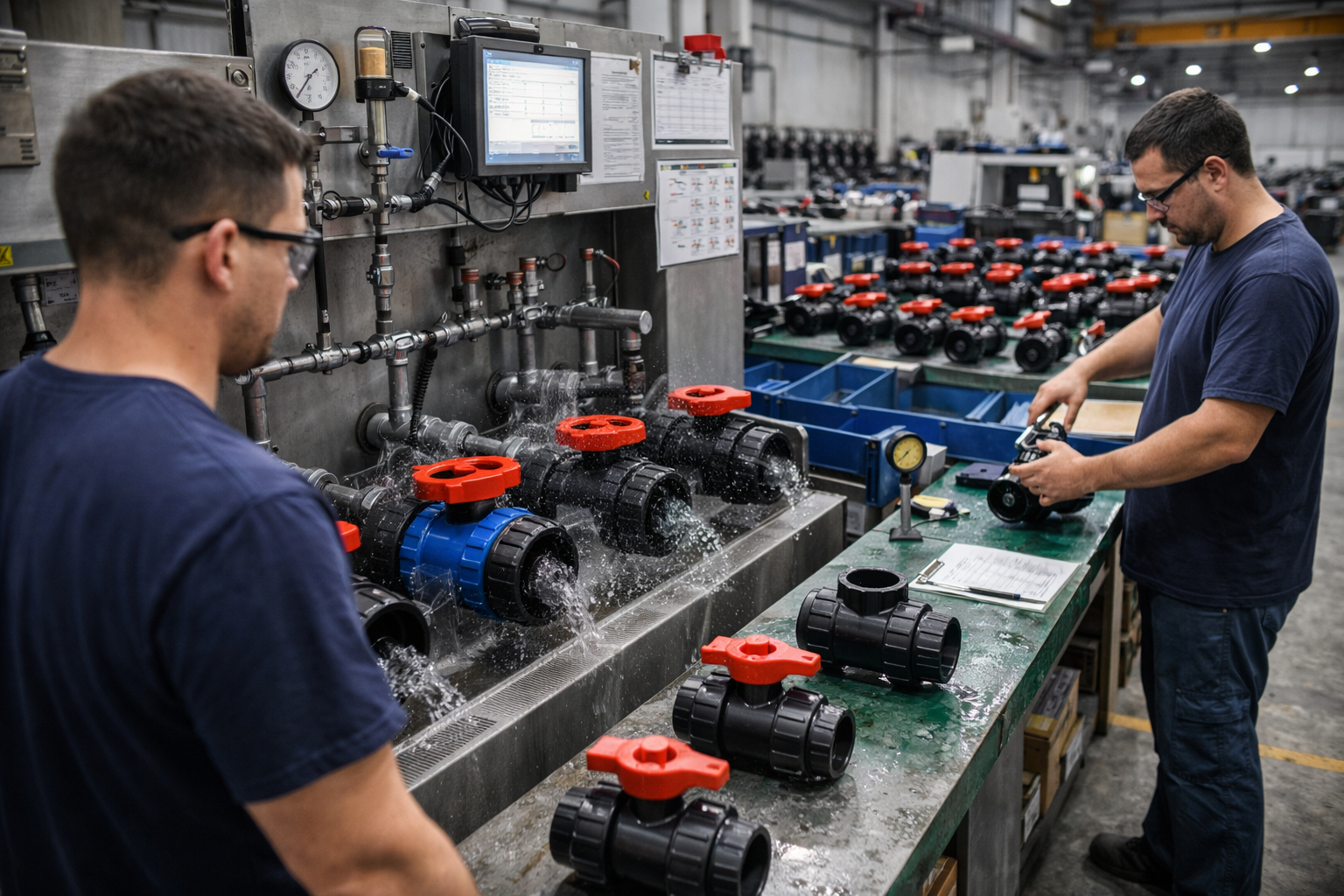
Step 5: Testing & Quality Assurance
Conduct leak tests, hydrostatic tests, and visual inspections on the assembled bottom valve to ensure there are no leaks or defects and that the product complies with relevant standards (such as ISO/DIN).
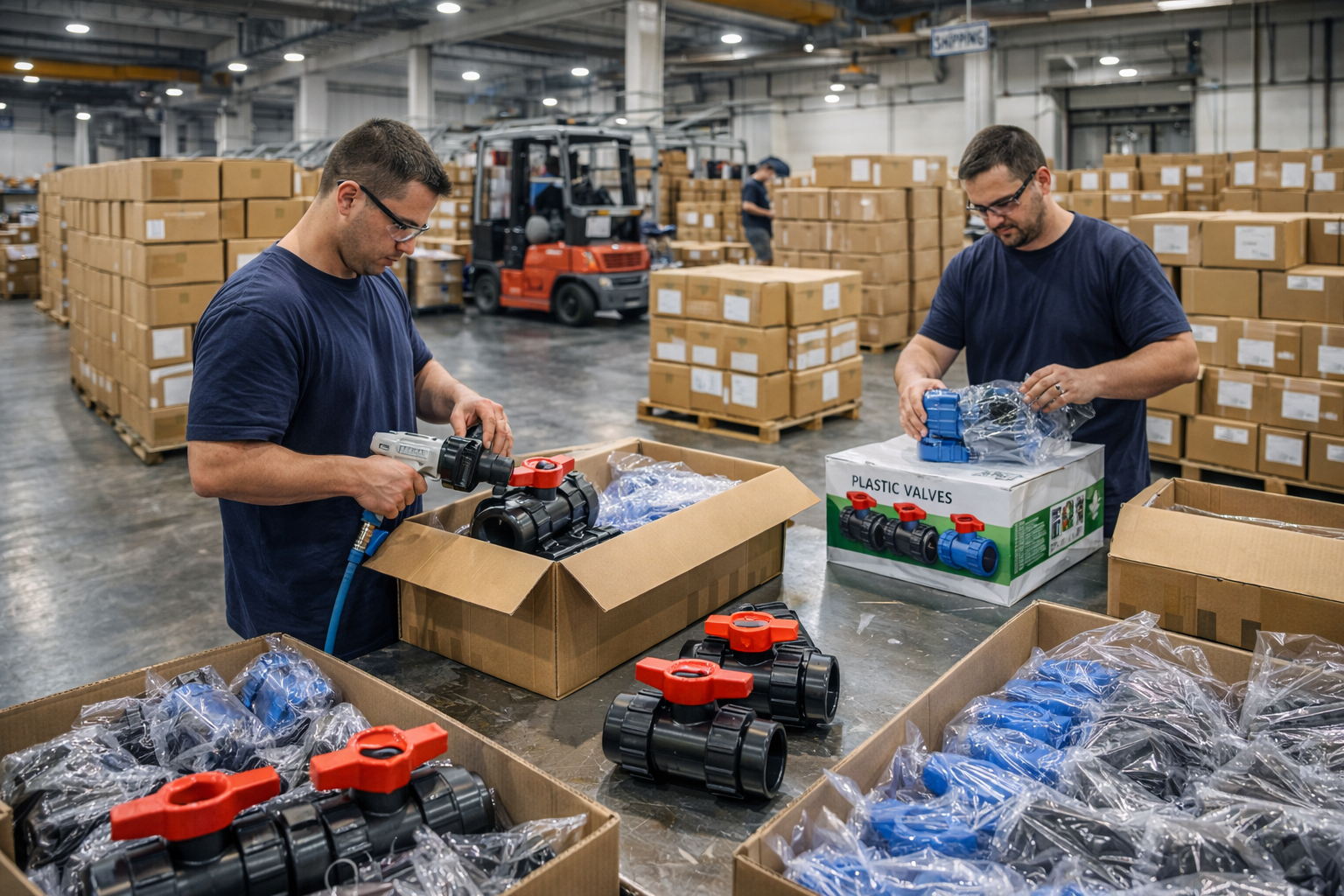
Step 6: Finishing, Packaging and Shipment
Clean the product and apply identification codes. Use protective packaging (such as plastic bags + cardboard boxes/pallets) to ensure the product remains undamaged during transport, and arrange shipment according to order requirements.
Applications
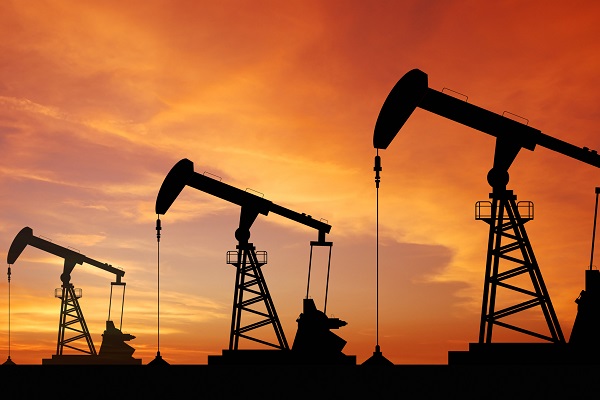
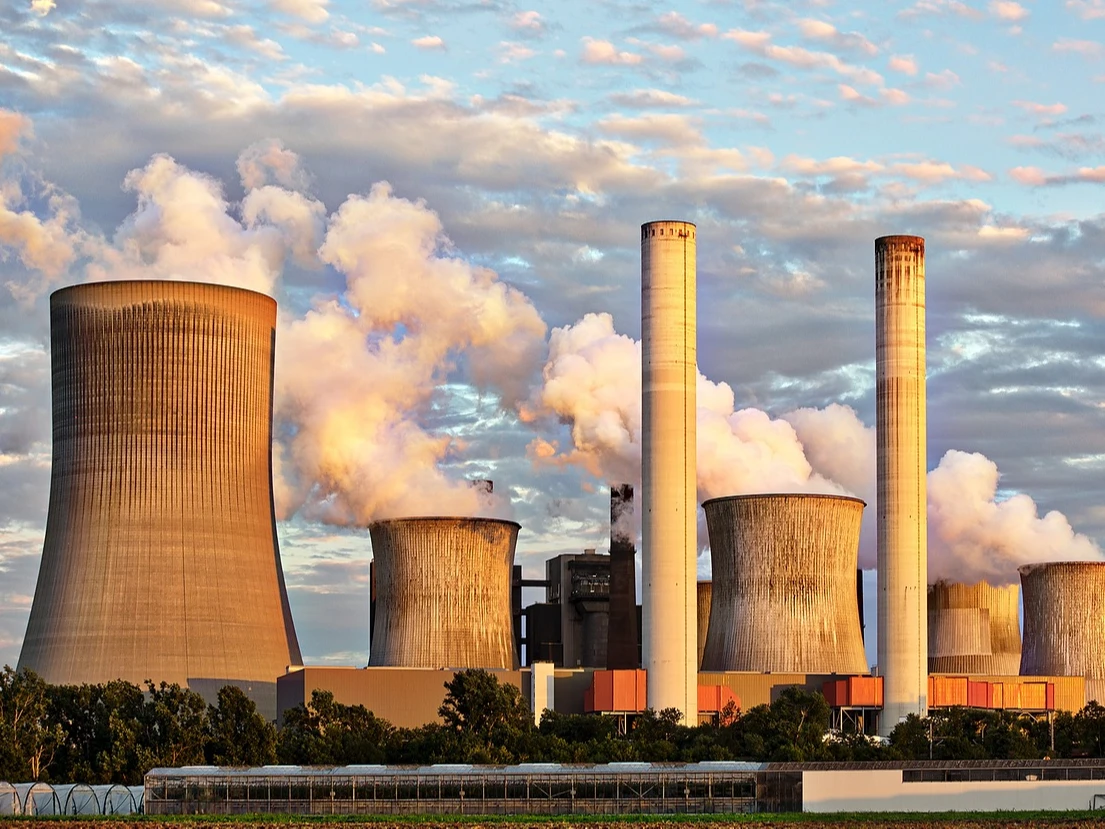
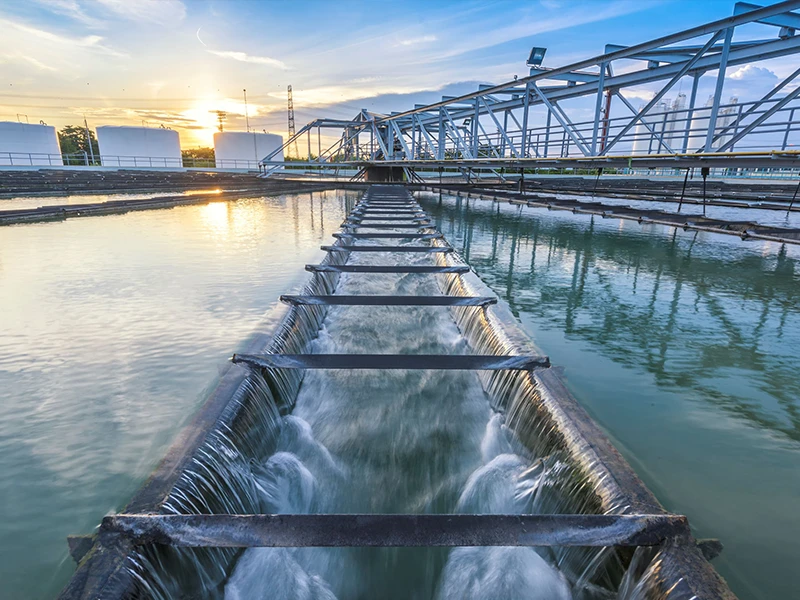
Suitable for use in the chemical industry, wastewater treatment, and other fields
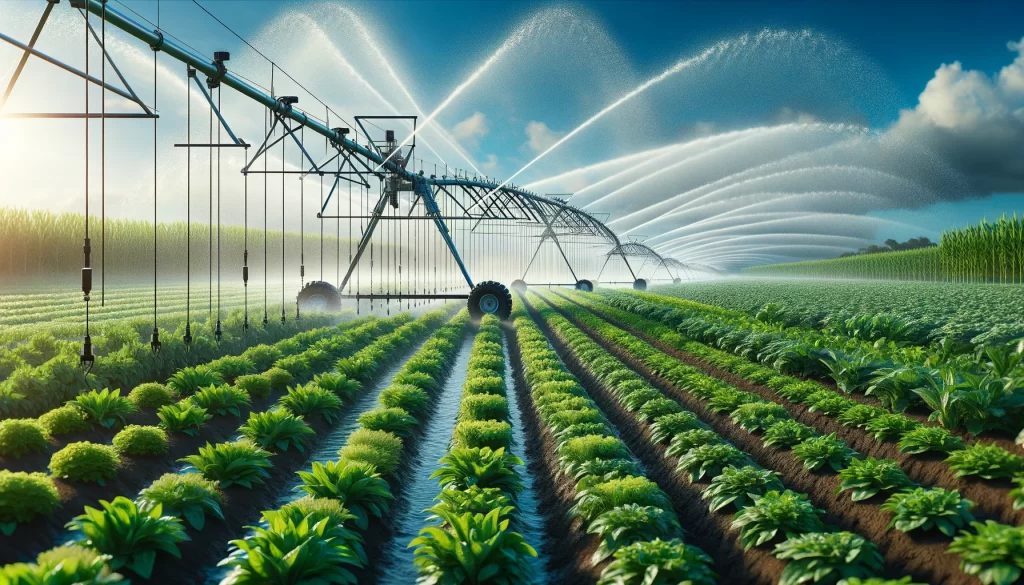
These valves are widely used in:
Agriculture and Irrigation
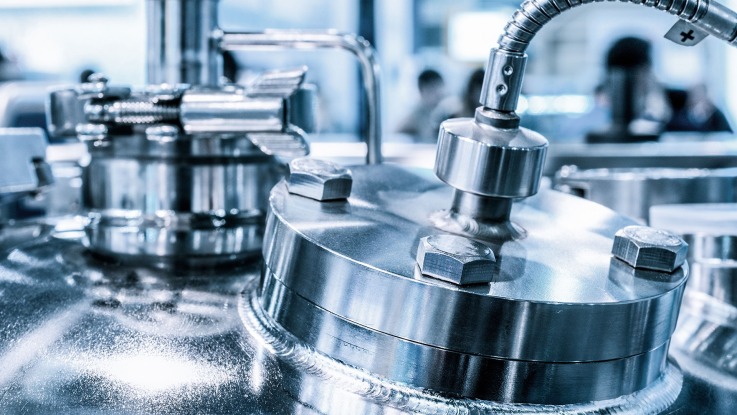
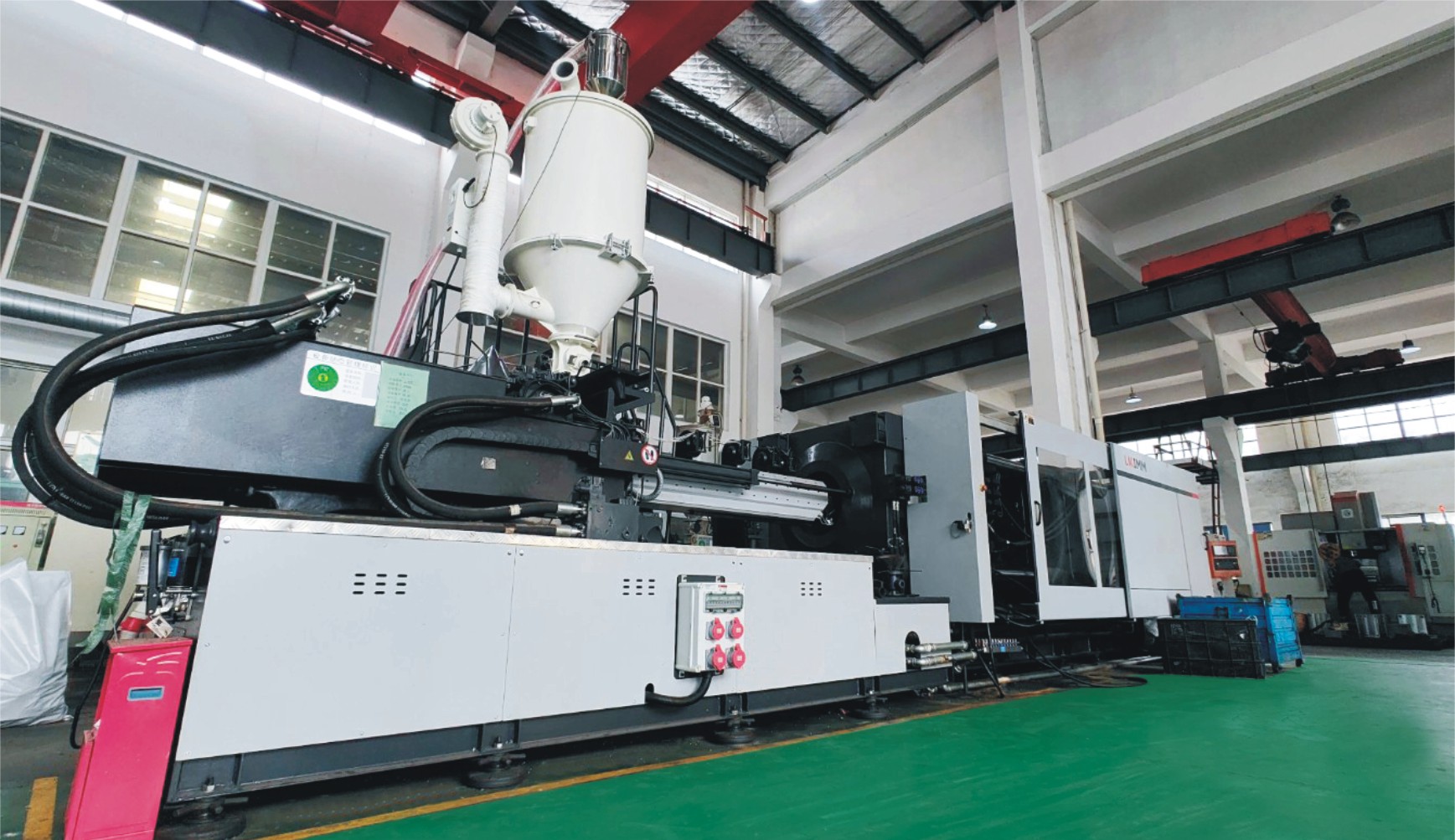
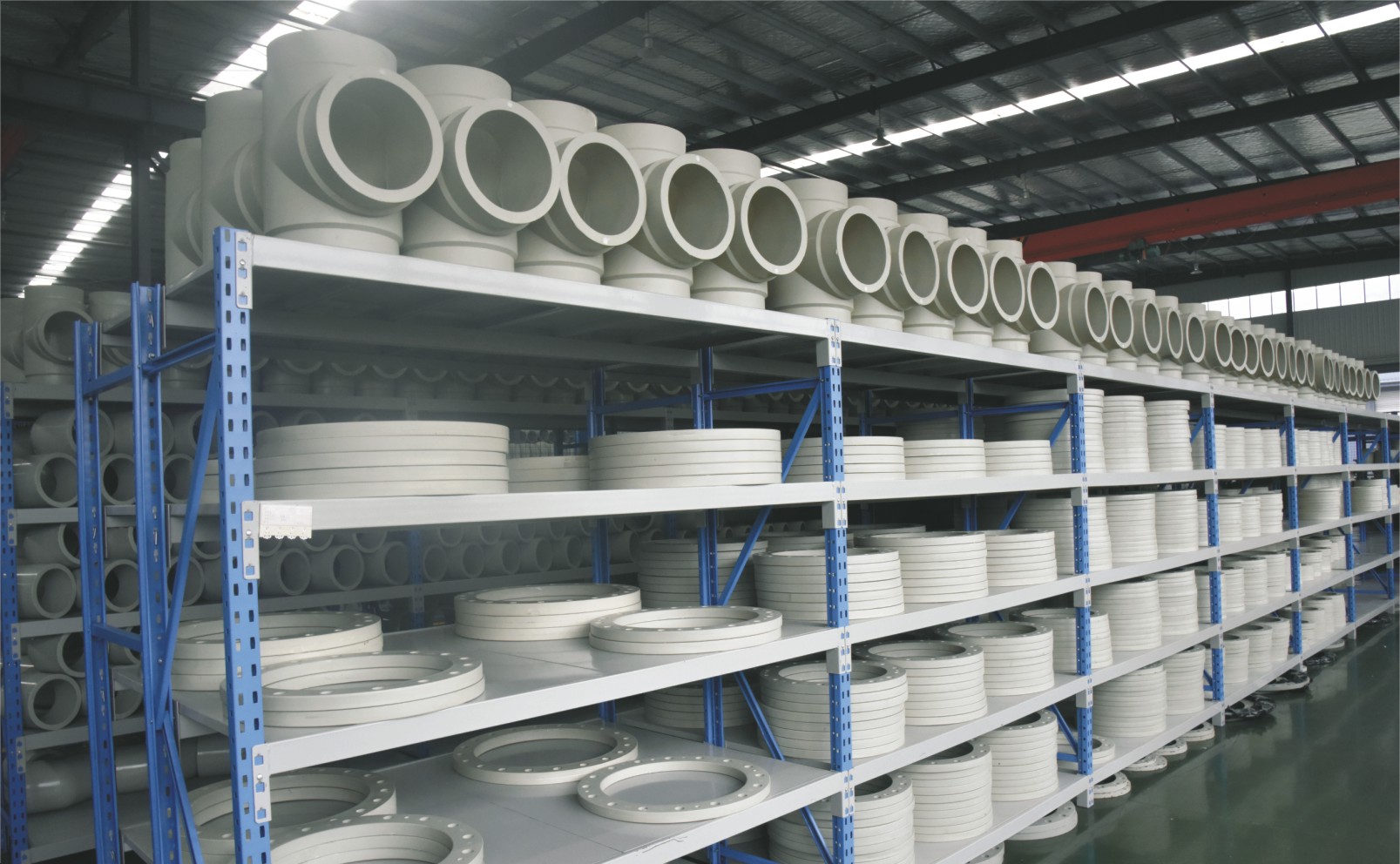
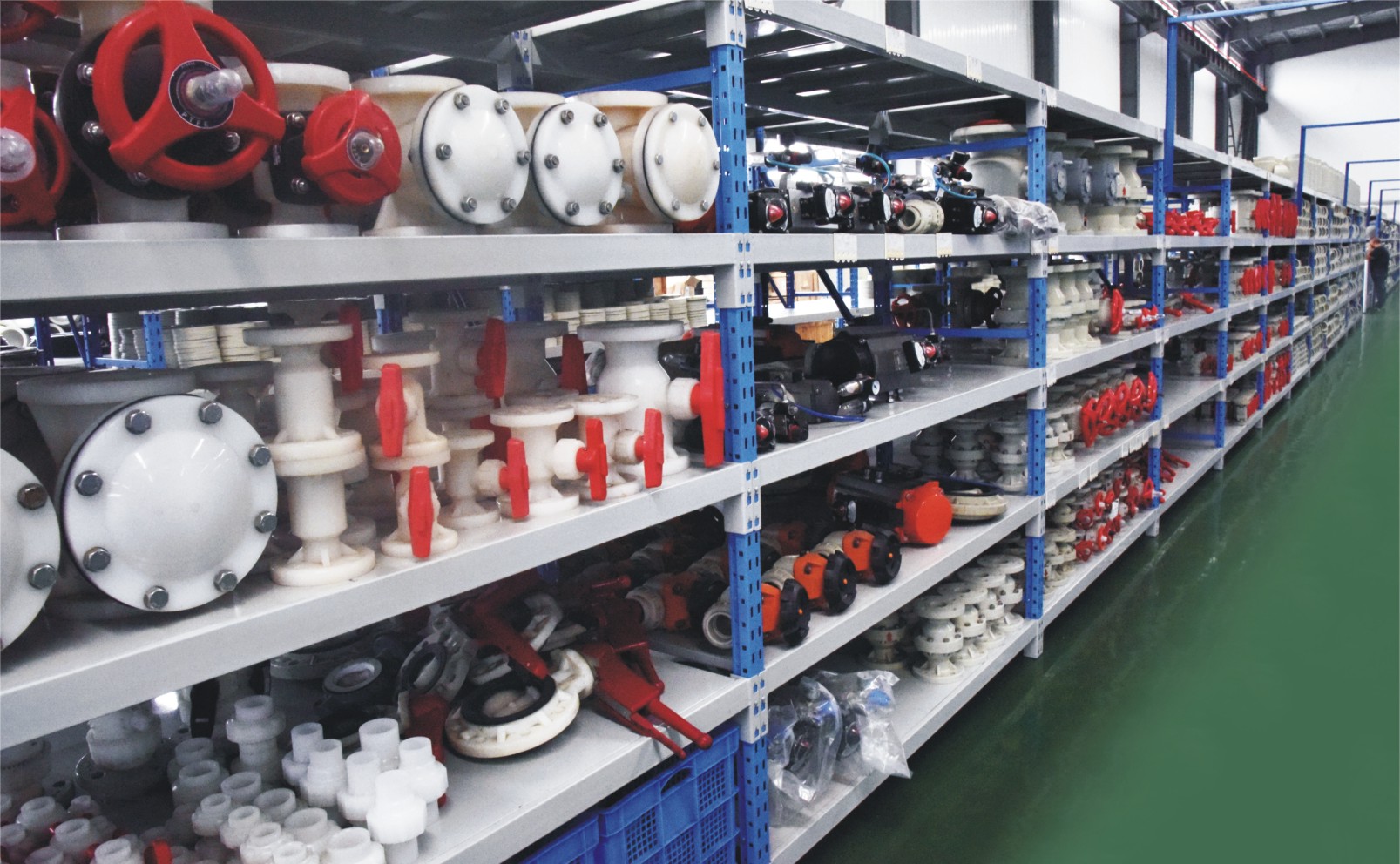
Factory Environment
Why Choose Us
Superior Quality
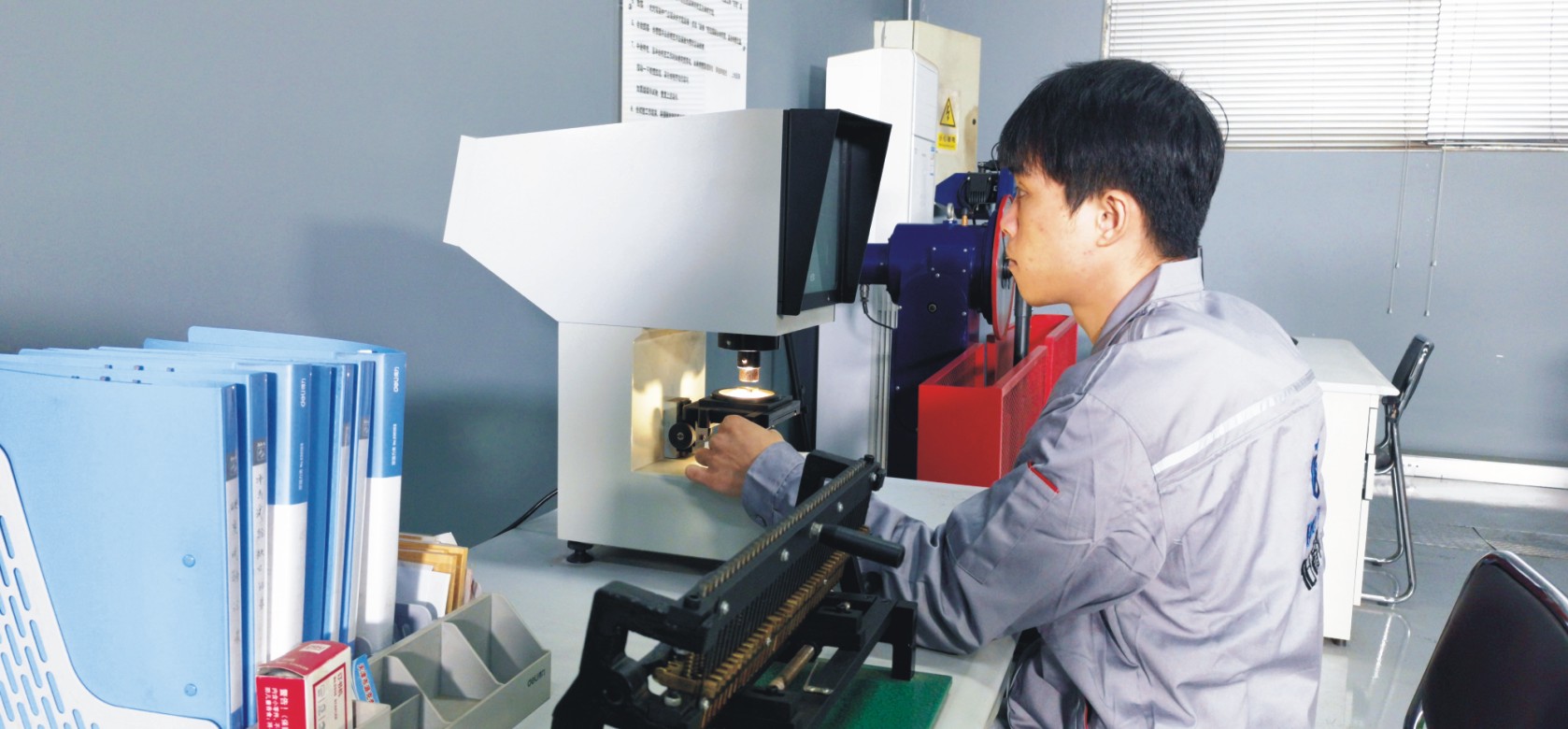
Our valves are produced from high-grade materials and subjected to strict quality inspections to guarantee dependable performance in challenging industrial environments.
Advanced Technology
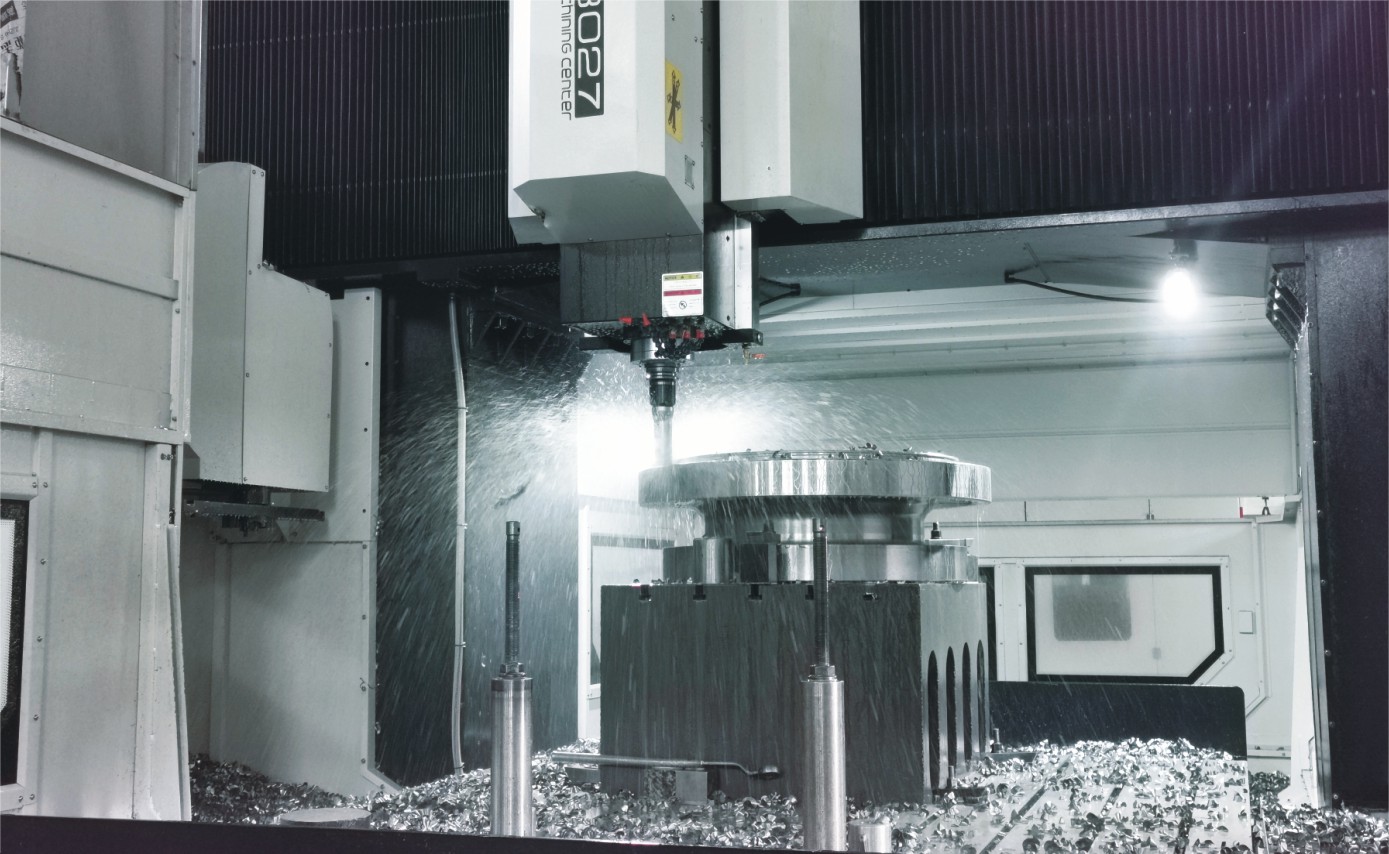
With cutting-edge CNC machining systems and high-precision manufacturing equipment, we ensure valves are made with outstanding accuracy and uniformity.
Competitive Pricing
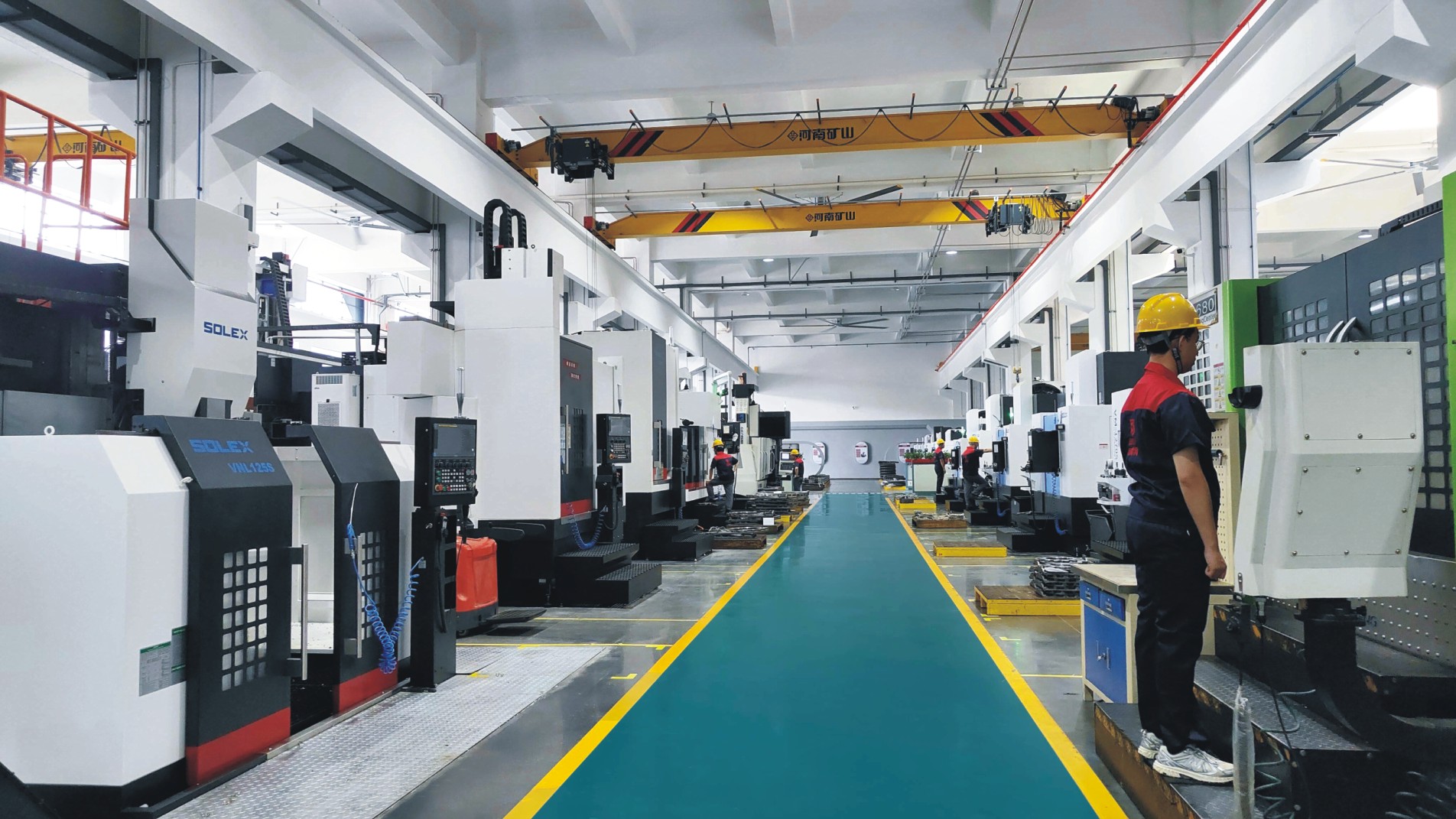
By streamlining production processes and sourcing materials in bulk, we provide premium-quality valves at competitive prices while maintaining excellent standards.
Expert Support
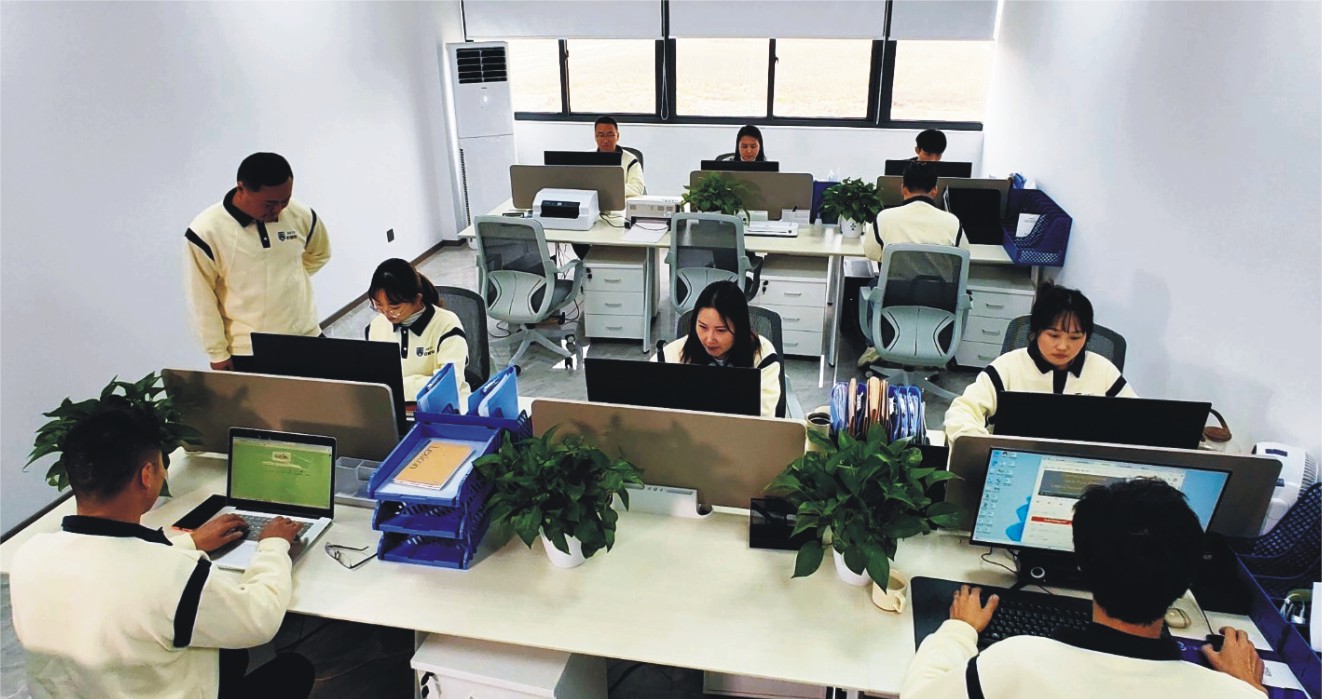
Our skilled technical team offers full support from product selection through after-sales service, helping ensure the best valve performance for your application.