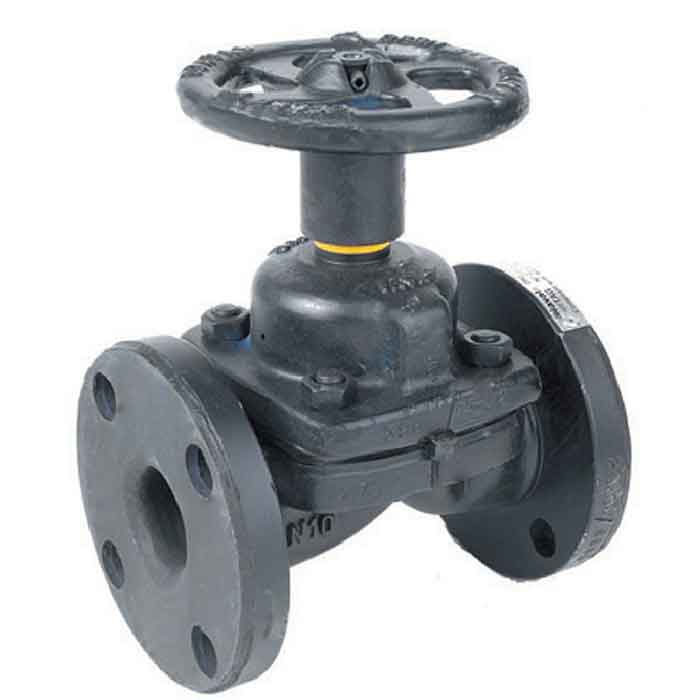
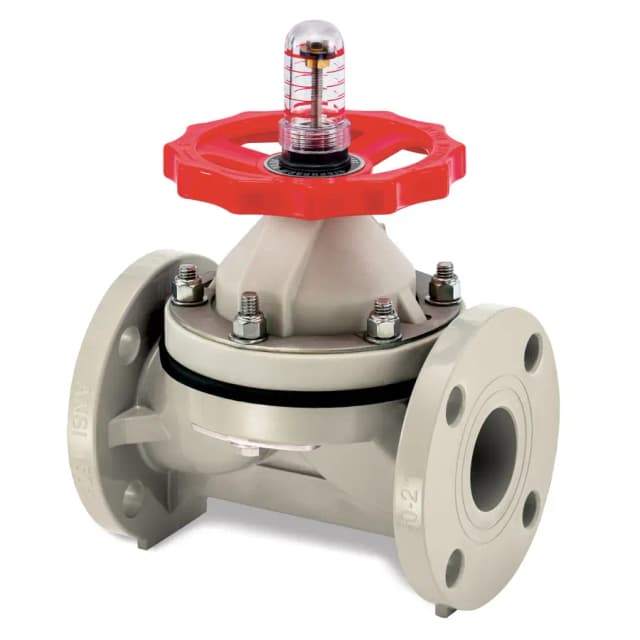
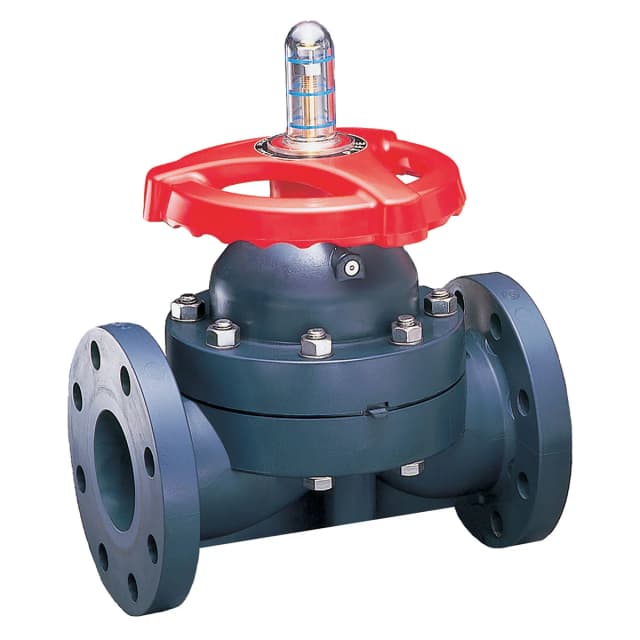
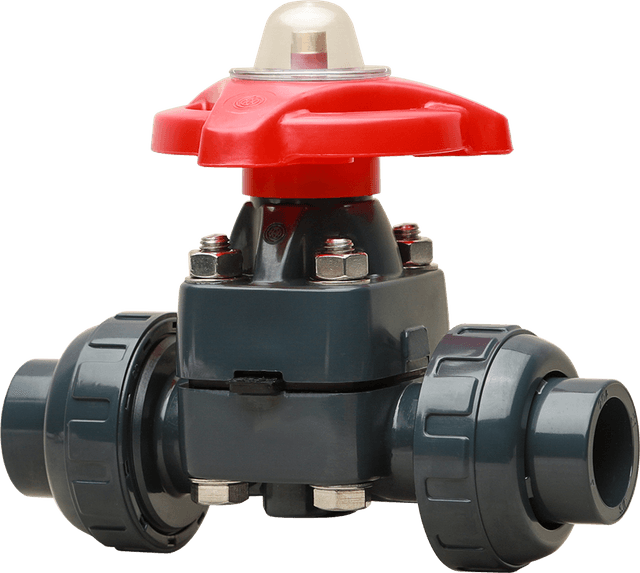
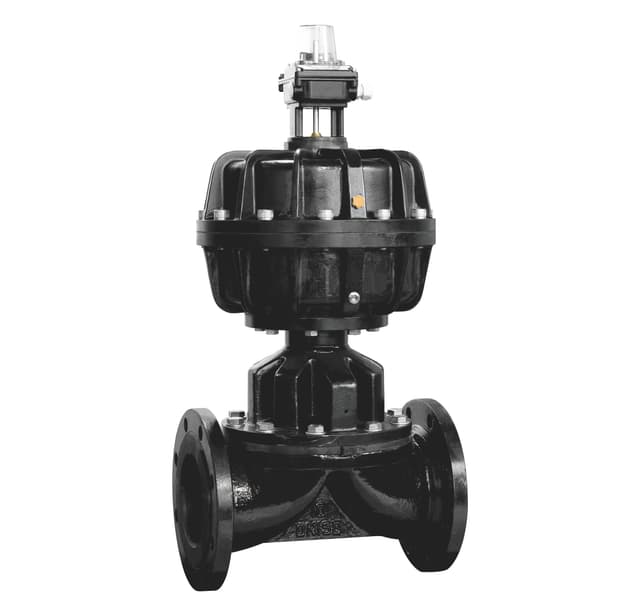
1. What is High Temperature Diaphragm Valve?
High Temperature Diaphragm Valve is an innovative flow control device creates to keep the structural strength and sealing efficiency in increased thermal ranges. This high-temp version does not rely on the usual plastic resins that will lose dimensional stability or may soften under heat but is instead constructed with heat-stabilized polymers and metal parts to contain process media even at a temperature where standard elastomers no longer possess adequate seal force. At the basic level, there is a diaphragm between flow path and bonnet / actuation area so that high-temperature fluid never gets direct contact with often sensitive mechanical components.
The construction of these thermal-resistant units often features high-performance fluoropolymers such as PVDF (Polyvinylidene Fluoride) or metallic bodies lined with PFA (Perfluoroalkoxy) or F46 (FEP). According to technical specifications for non-metallic piping, PVDF components can reliably operate at temperatures up to 140 degrees Celsius, while fluorine-lined steel bodies can handle even more extreme thermal cycles. These units are designed to withstand nominal pressures of PN1.0 to PN1.6 MPa, providing a robust solution for hot acid distribution, steam-related processes, and thermal chemical synthesis.
2. Operational Dynamics in Thermal Environments
The working principle of this high-temperature isolation device involves the linear compression of a multi-layered membrane against a stationary seat or weir. In high-heat applications, the mechanical design must account for the thermal expansion of materials to ensure that the seal remains bubble-tight without damaging the membrane.
The core operational stages include:
- Actuation and Thermal Compensation: When the manual handwheel or a pneumatic actuator—such as the AT or GT series—is engaged, the stem moves vertically. In high-temp models, the stem and compressor are often made of high-grade stainless steel (304 or 316) to prevent thermal fatigue. The actuator provides the necessary thrust to overcome both the fluid pressure and the increased resistance of the heated membrane.
- Sealing via Membrane Deformation: As the compressor descends, it forces the flexible barrier—typically a composite of PTFE backed by a heat-resistant EPDM cushion—against the body seat. The PTFE layer provides the chemical and thermal resistance required at the interface, while the EPDM backing maintains the elasticity needed for a consistent seal across varying temperatures.
- Complete Media Isolation: Once fully closed, the membrane creates a hermetic seal. Because the media is entirely contained within the lower housing, the upper bonnet assembly remains relatively cool compared to the process fluid. This isolation is critical for preventing the lubrication in the stem threads from breaking down due to excessive heat, thereby extending the maintenance intervals of the entire assembly.
3. Classifications and Material Resilience
3.1 High-Performance Material Categories
To meet the rigorous demands of thermal processing, these flow control units are categorized by their body and lining materials:
- PVDF Series: This is the premier choice for solid plastic constructions. PVDF offers exceptional mechanical strength and chemical resistance at temperatures reaching 140 degrees Celsius. It is particularly effective for handling hot halogens and strong acids.
- Fluorine-Lined Steel (PFA/F46): For applications requiring the structural strength of metal with the inertness of plastic, WCB or stainless steel bodies are lined with PFA or F46. PFA is particularly noted for its superior thermal stability and melt-processability, allowing for a seamless lining that resists cracking under thermal shock.
- Specialty Sealing Elements: The membranes used in a High Temperature Diaphragm Valve must be carefully selected. Advanced PTFE membranes are used for their near-universal chemical resistance and ability to remain functional at high temperatures without losing their sealing properties.
3.2 Automation and Control Variants
- Pneumatic Execution Systems: Utilizing aluminum alloy AT/GT actuators, these systems allow for rapid response in automated thermal loops. They are often equipped with heat-resistant seals to ensure the longevity of the pneumatic cylinders.
- Electric Actuation: High-torque electric motors with digital positioning are used where precise flow modulation is required at high temperatures, offering remote feedback to central control rooms.
4. Technical Advantages of Thermal Isolation Systems
Incorporating a High Temperature Diaphragm Valve equips the product with meaningful operational advantages, particularly in harsh environments requiring safety and endurance.
- High Heat Resistance: Materials such as PVDF and PFA has been used for the valve body to prevent any deformation or creeping when there is high heat pressure applied.
- A Membrane-Style Seal Has No Need for Packing: Stem packing is the vulnerable, failure-prone element in conventional valves exposed to high cycles.
- Temperature Corrosion Resistance: Chemical reactions speed up at the increased temperatures, which is why these units incorporate a fluoric-based material insects provide needed shield against accelerated corrosion trends.
| Component | Standard Materials | Thermal/Performance Advantage |
|---|
| Valve Body | PVDF, Lined WCB (PFA/F46) | Heat resistance up to 140°C+ and structural strength |
| Sealing Membrane | PTFE / Heat-Resistant EPDM | Universal chemical resistance and thermal elasticity |
| Drive Stem | 304/316 Stainless Steel | Prevents thermal expansion binding and corrosion |
| Bonnet Assembly | Cast Iron / PVDF | Protects mechanical parts from process heat |
| Actuator Type | AT/GT Pneumatic | High-cycle reliability in automated environments |
5. Critical Industrial Applications
The specialized capabilities of the High Temperature Diaphragm Valve make it a vital component in sectors where process temperatures are consistently elevated:
- Chemical Synthesis and Refining: Used in the production of hot concentrated acids and organic solvents where traditional elastomeric seals would fail rapidly.
- Power Generation and Utilities: Applied in water demineralization and chemical dosing for boiler feed systems where the water may be pre-heated.
- Semiconductor and Electronics: Essential for the delivery of hot ultra-pure chemicals used in wafer etching and cleaning processes, where contamination-free performance is mandatory.
- Pharmaceutical Processing: Used in systems requiring high-temperature sterilization (SIP) or hot purified water loops, benefitting from the clean, pocket-less design of the weir-style body.
- Metal Finishing and Pickling: Reliable for managing hot acid baths used in surface treatment, where the combination of high temperature and aggressive chemistry is most prevalent.