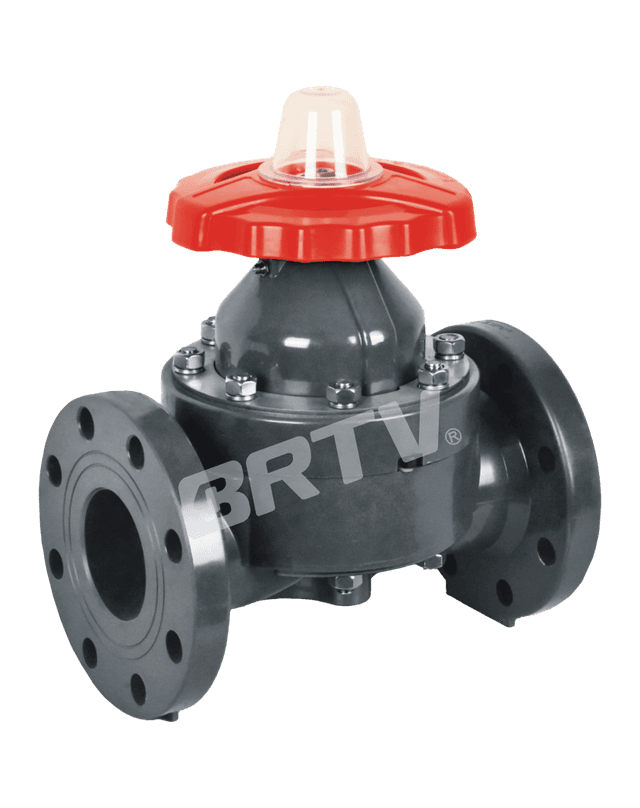
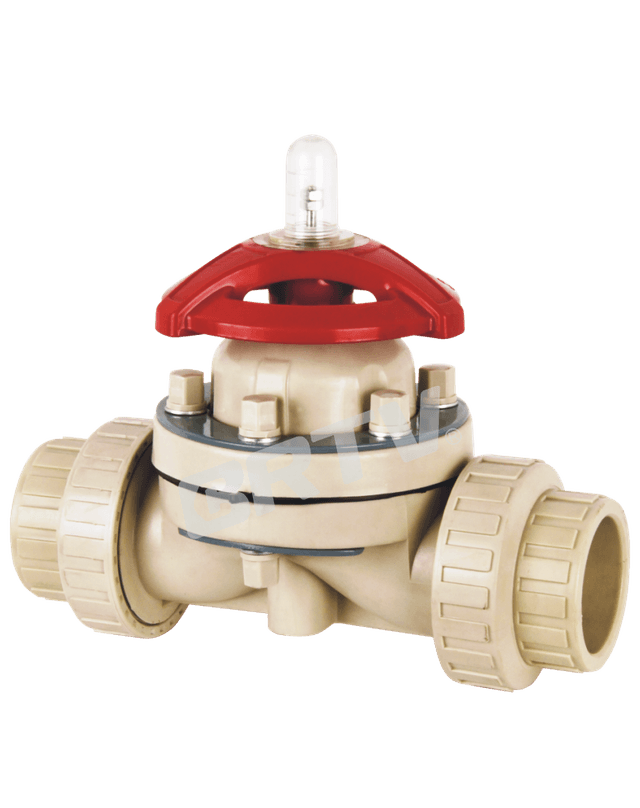
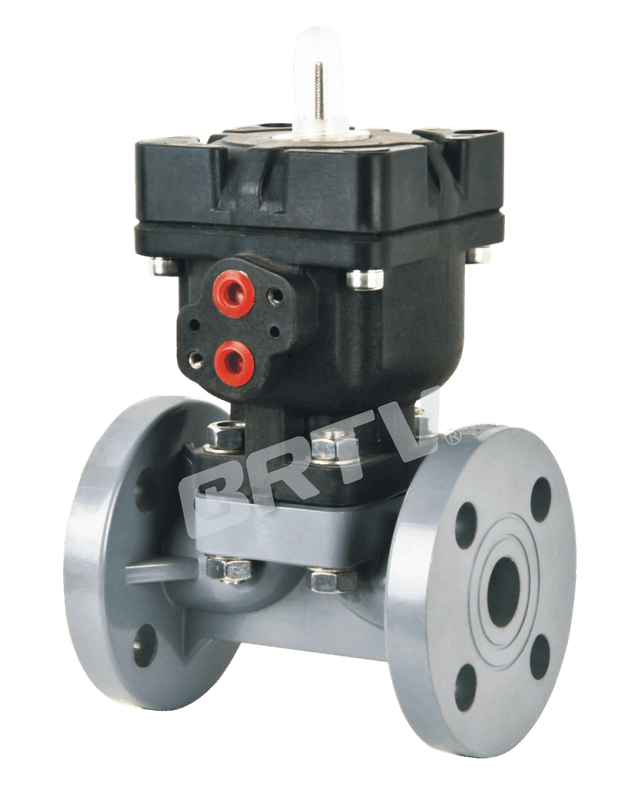
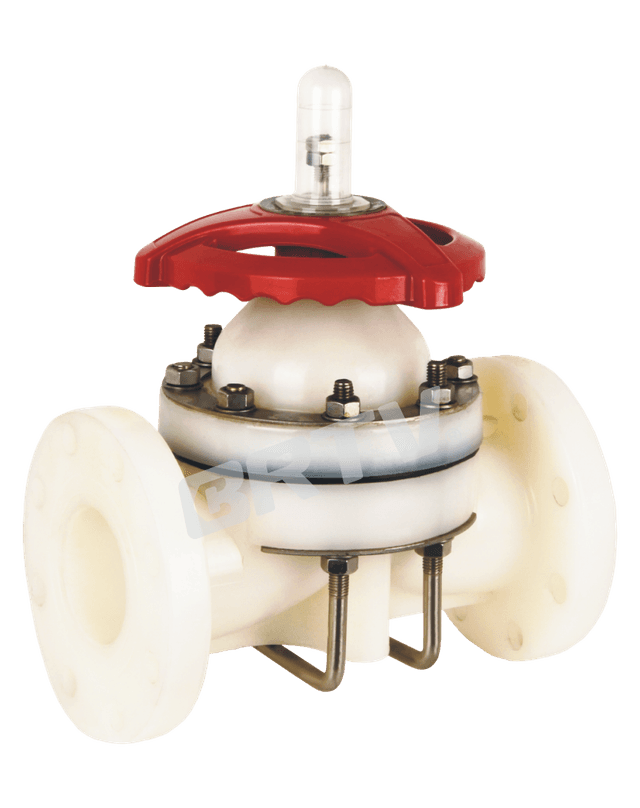
Application Temperature Range Table
| Material | Medium temperature (°C) |
|---|
| RPP | -14°C ~ +90°C |
| PVDF | -40°C ~ +140°C |
| PPH | -14°C ~ +80°C |
| UPVC | -14°C ~ +80°C |
| CPVC | -20°C ~ +95°C |
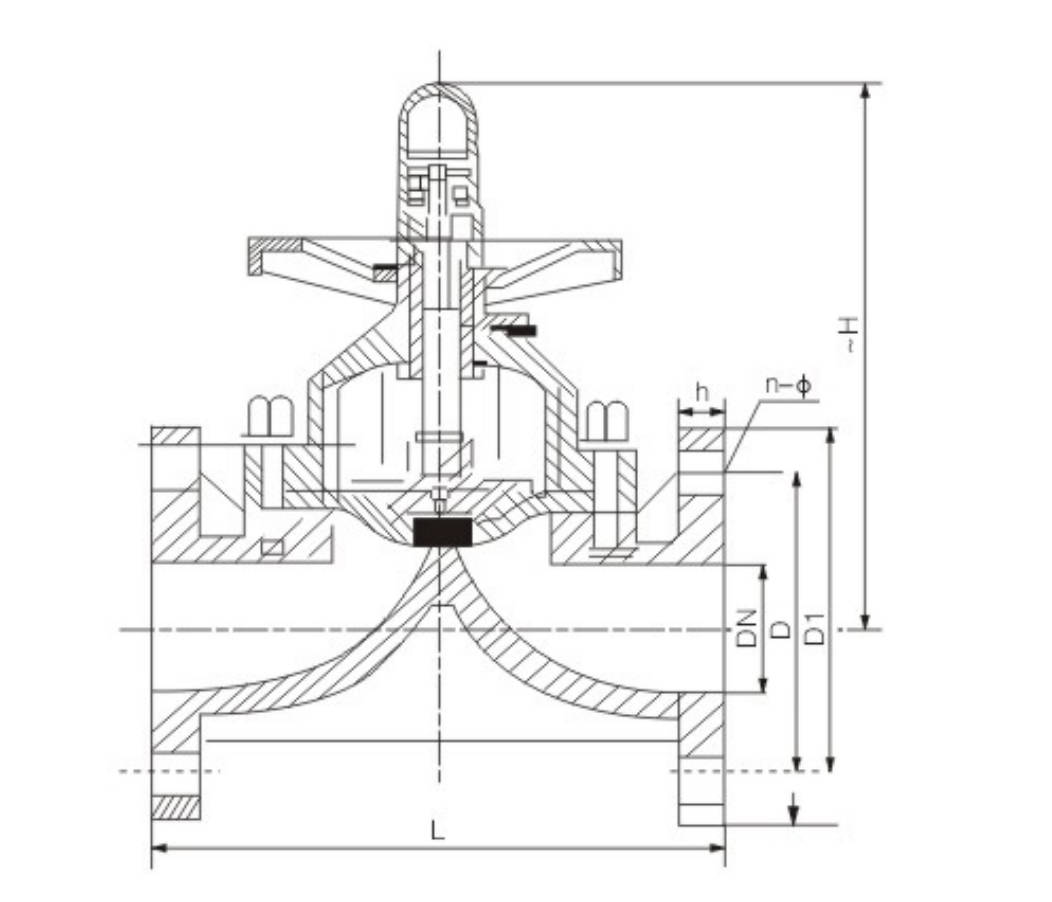
Dimensions Table
| Nominal Diameter (mm) | D2 | D1 (D) | D1 (JIS) | D1 (DIN) | D1 (ANSI) | L | L (JIS) | L (DIN) | L (ANSI) | T | H | n | n (JIS) | n (DIN) | n (ANSI) | Φ | Φ (JIS) | Φ (DIN) | Φ (ANSI) |
|---|
| 15 (1/2") | 95 | 65 | 70 | 65 | 60 | 125 | 110 | 130 | 4.33 | 15 | 125 | 4 | 4 | 4 | 4 | 14 | 15 | 14 | 0.63 |
| 20 (3/4") | 105 | 75 | 75 | 75 | 70 | 135 | 120 | 150 | 4.72 | 16 | 130 | 4 | 4 | 4 | 4 | 14 | 15 | 14 | 0.63 |
| 25 (1") | 115 | 85 | 90 | 85 | 80 | 150 | 130 | 160 | 5.12 | 16 | 145 | 4 | 4 | 4 | 4 | 14 | 19 | 14 | 0.63 |
| 32 (1 1/4") | 135 | 100 | – | – | – | 165 | – | – | – | 16 | 170 | 4 | – | 4 | 4 | 14 | – | – | – |
| 40 (1 1/2") | 145 | 110 | 105 | 110 | 100 | 190 | 180 | 200 | 7.09 | 18 | 190 | 4 | 4 | 4 | 4 | 18 | 19 | 18 | 0.63 |
| 50 (2") | 160 | 125 | 120 | 125 | 120 | 215 | 210 | 230 | 8.27 | 25 | 215 | 4 | 4 | 4 | 4 | 18 | 19 | 18 | 0.75 |
| 65 (2 1/2") | 180 | 145 | 140 | 145 | 140 | 255 | 250 | 290 | 9.84 | 25 | 280 | 4 | 4 | 4 | 4 | 18 | 19 | 18 | 0.75 |
| 80 (3") | 195 | 160 | 150 | 160 | 152 | 305 | 280 | 310 | 11.02 | 30 | 300 | 8 | 8 | 8 | 8 | 18 | 19 | 18 | 0.75 |
| 100 (4") | 215 | 180 | 175 | 180 | 190 | 355 | 340 | 350 | 13.39 | 30 | 340 | 8 | 8 | 8 | 8 | 18 | 19 | 18 | 0.75 |
| 125 (5") | 245 | 210 | 210 | 210 | 216 | 405 | 410 | 400 | 16.14 | 30 | 420 | 8 | 8 | 8 | 8 | 18 | 23 | 18 | 0.87 |
| 150 (6") | 280 | 240 | 240 | 240 | 240 | 467 | 480 | 480 | 18.90 | 30 | 480 | 8 | 8 | 8 | 8 | 23 | 23 | 23 | 0.87 |
| 200 (8") | 335 | 295 | 295 | 195 | 298 | 578 | 570 | 600 | 22.44 | 35 | 625 | 12 | 12 | 12 | 12 | 23 | 23 | 23 | 0.87 |
| 250 (10") | 395 | 350 | 355 | 350 | 362 | 690 | 680 | 730 | 26.77 | 35 | 776 | 12 | 12 | 12 | 12 | 23 | 25 | 23 | 0.87 |
Manufacturing Process
Step 1: Order and Design
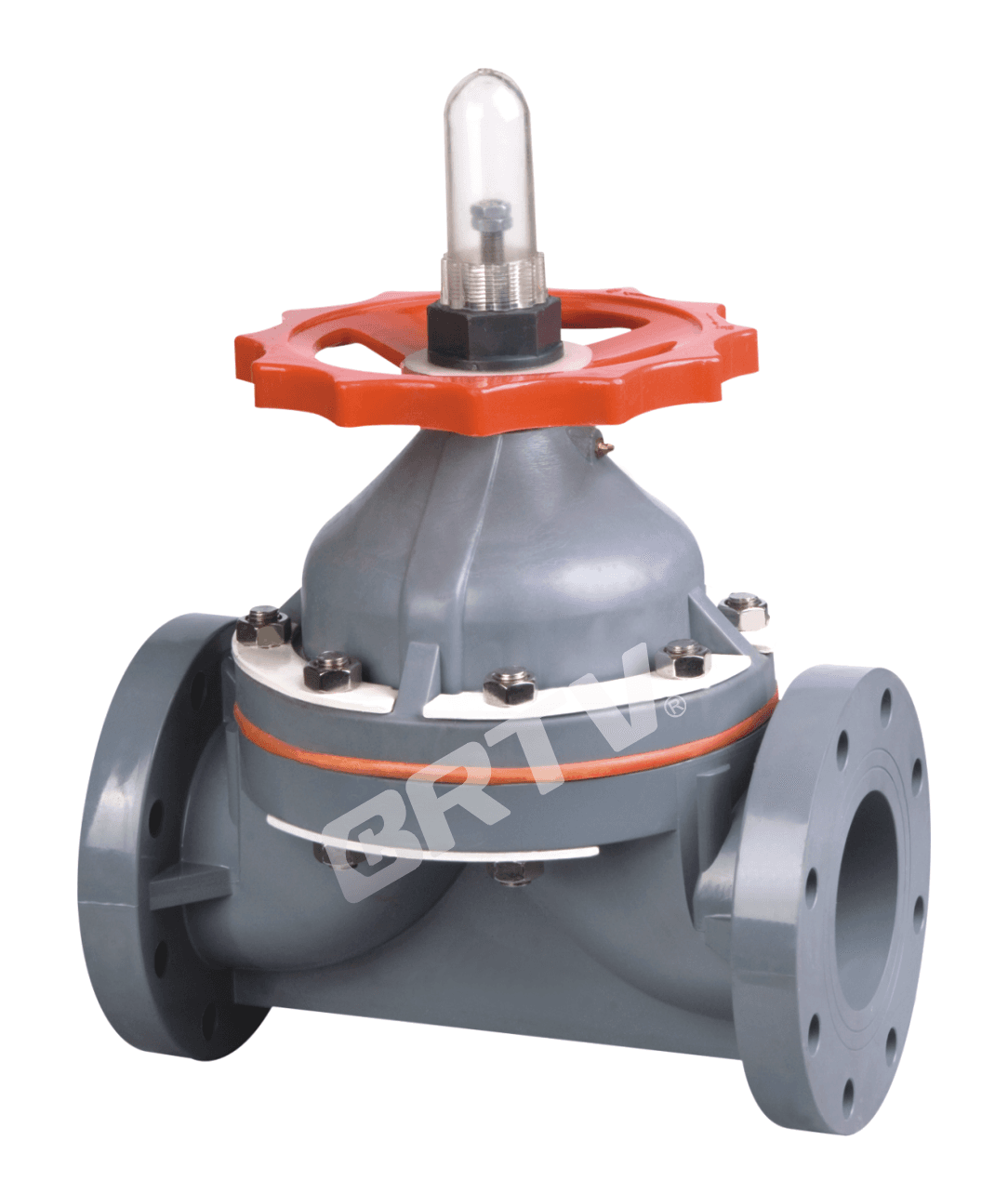
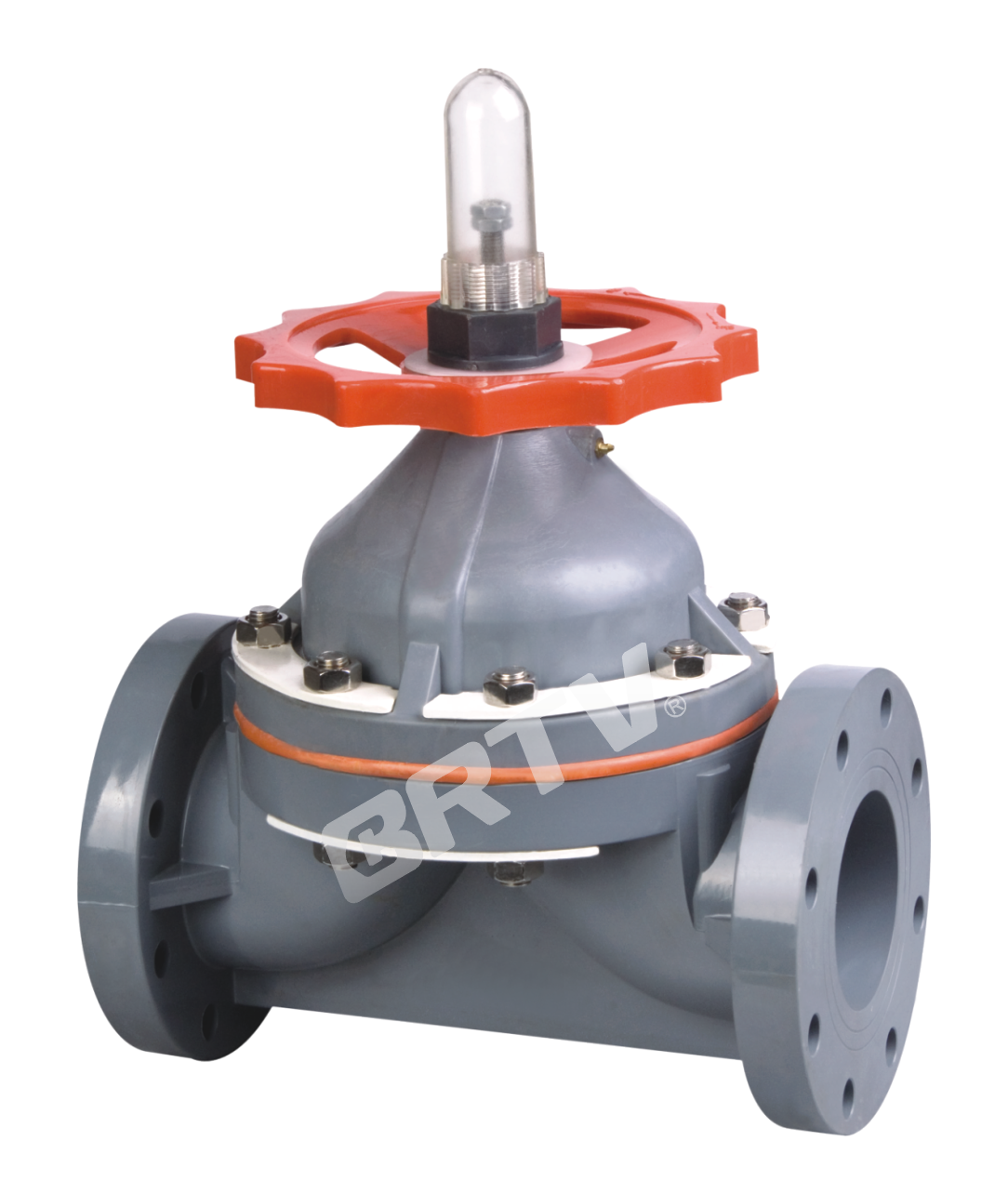
Confirm the design based on the customer’s operating conditions (pressure, temperature, and medium), and specify the structural dimensions, connection methods, and material selection (e.g., PVC, PP, PVDF, etc.) for the Type B diaphragm valve.
Step 2: Raw Material Preparation & Molding
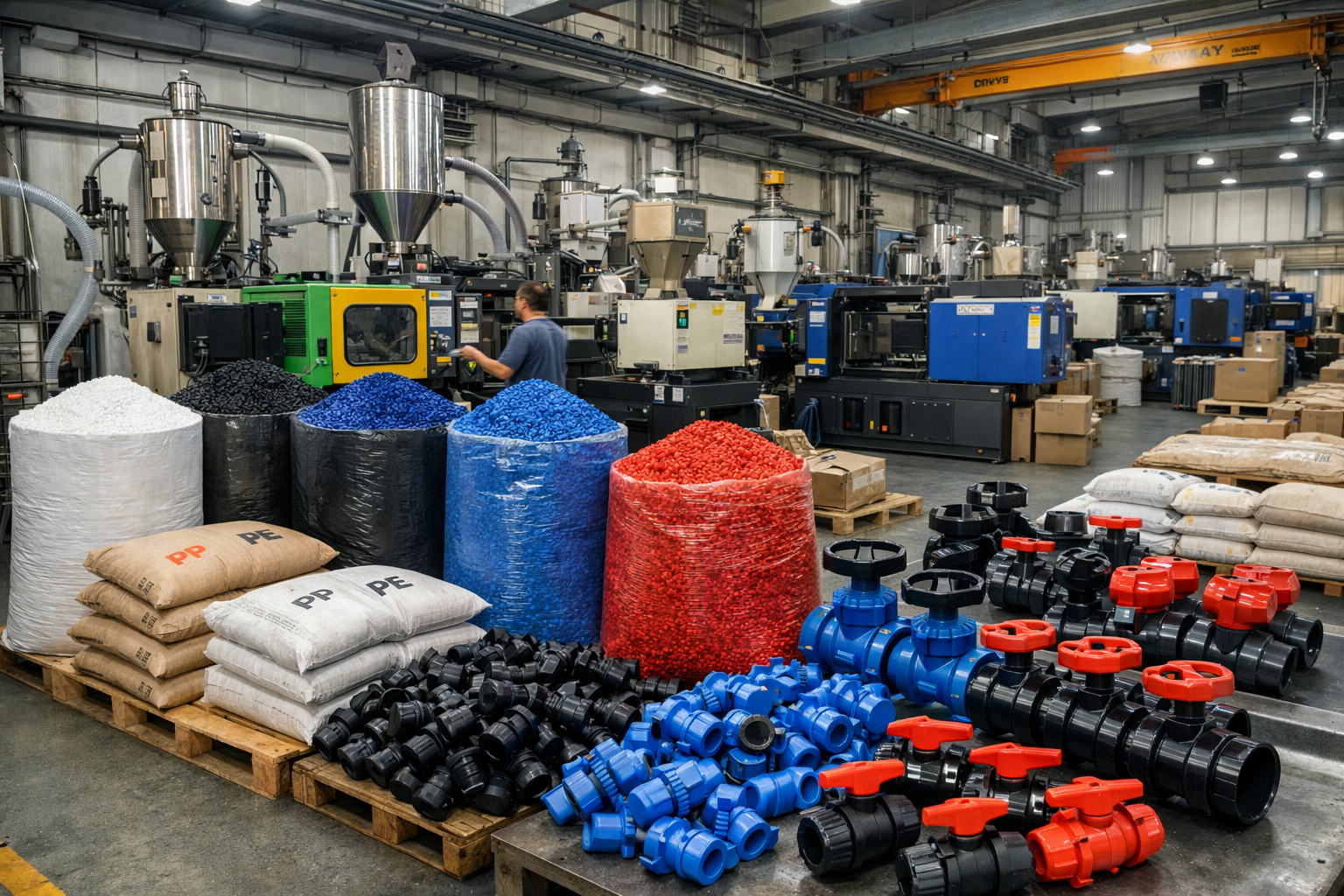
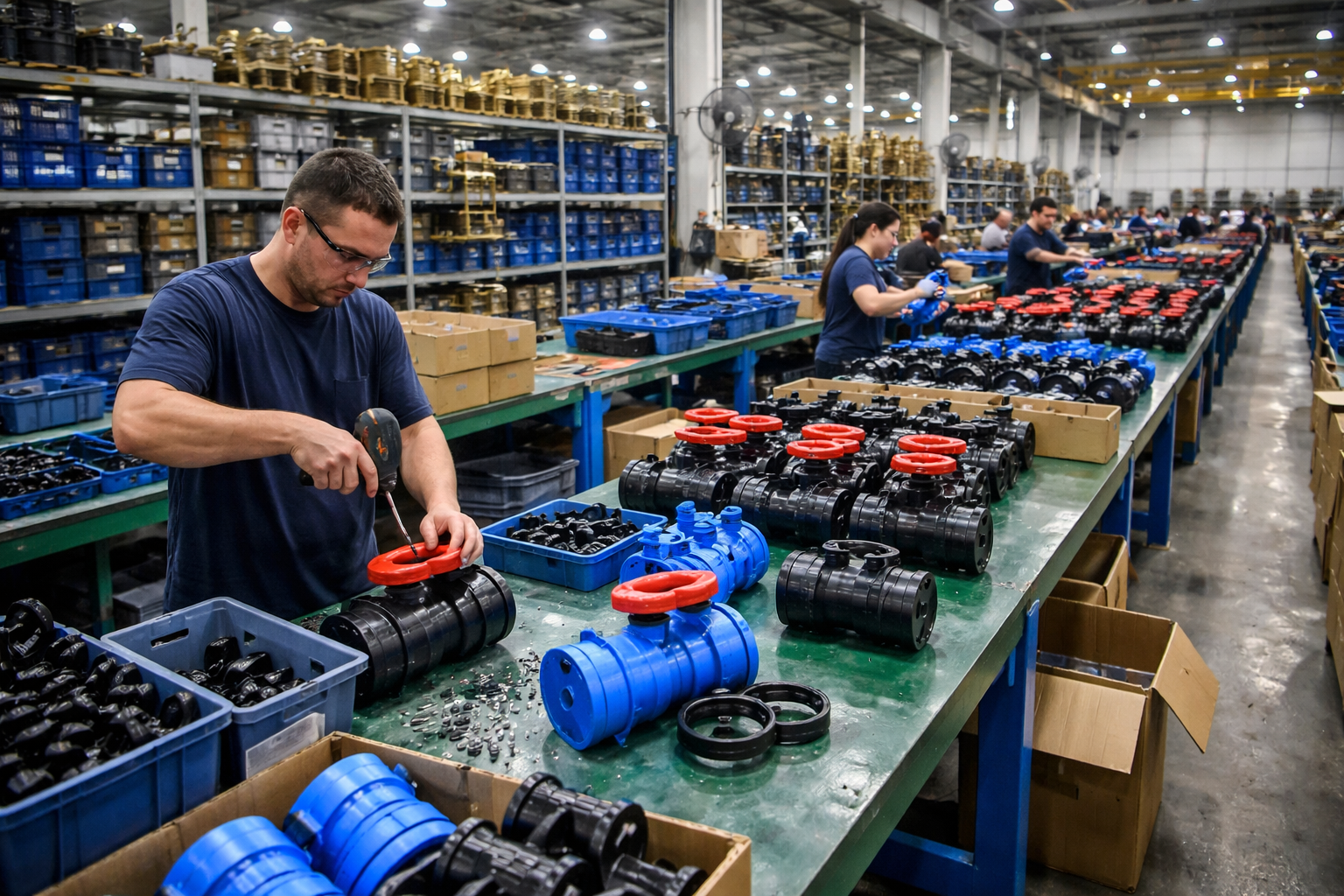
Select standard-compliant plastic raw materials and perform injection molding or compression molding on the valve body and bonnet of the Type B diaphragm valve to ensure a flawless appearance free of bubbles and defects.
Step 3: Machining
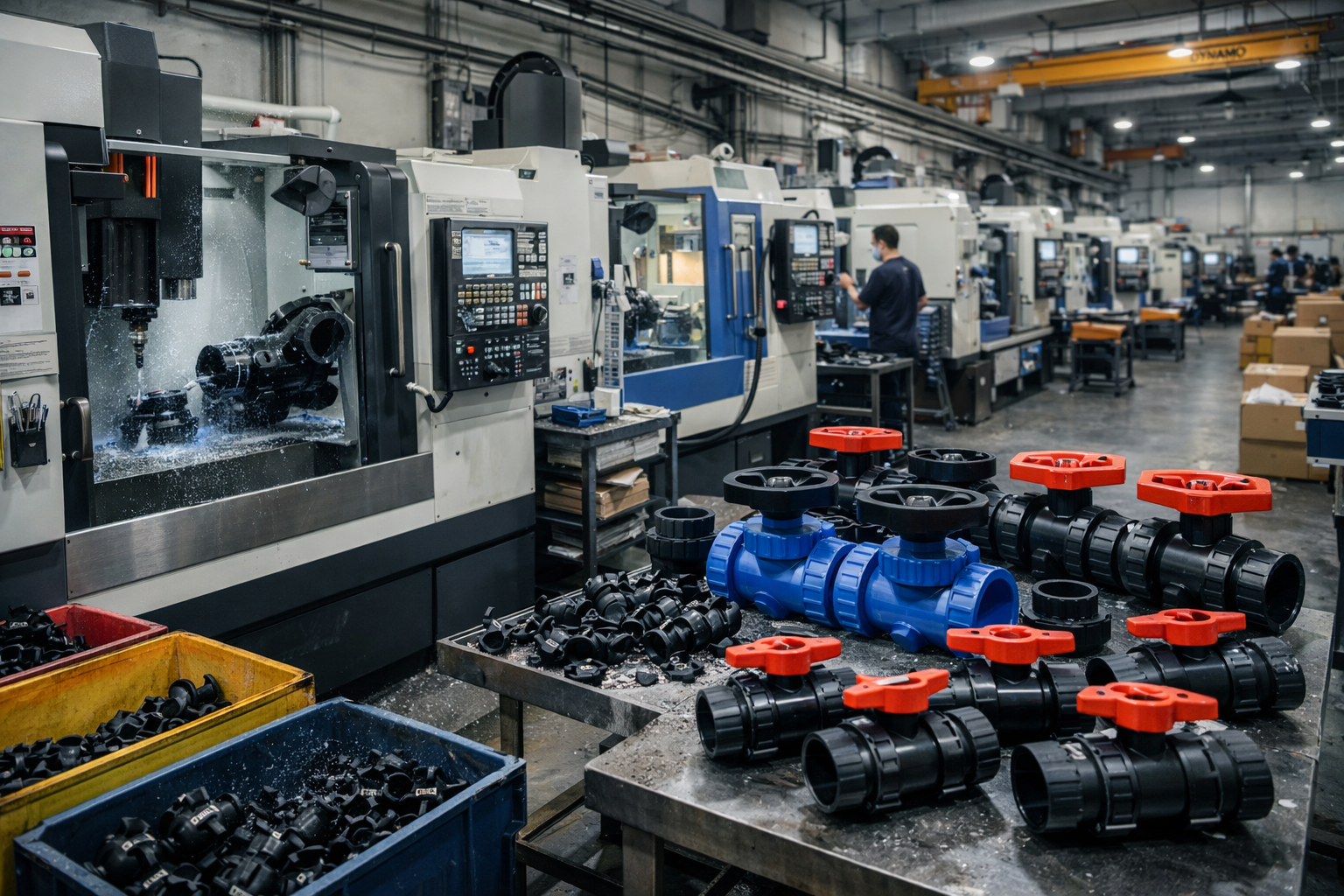
Perform precision machining on critical components of the Type B diaphragm valve, such as sealing surfaces, connecting flanges, and threads, to ensure dimensional accuracy and sealing performance.
Step 4: Assembly
Assemble the diaphragm, valve cover, and actuator to complete the overall assembly of the B-type diaphragm valve, and adjust the opening and closing stroke to ensure smooth operation.
Step 5: Testing & Quality Assurance
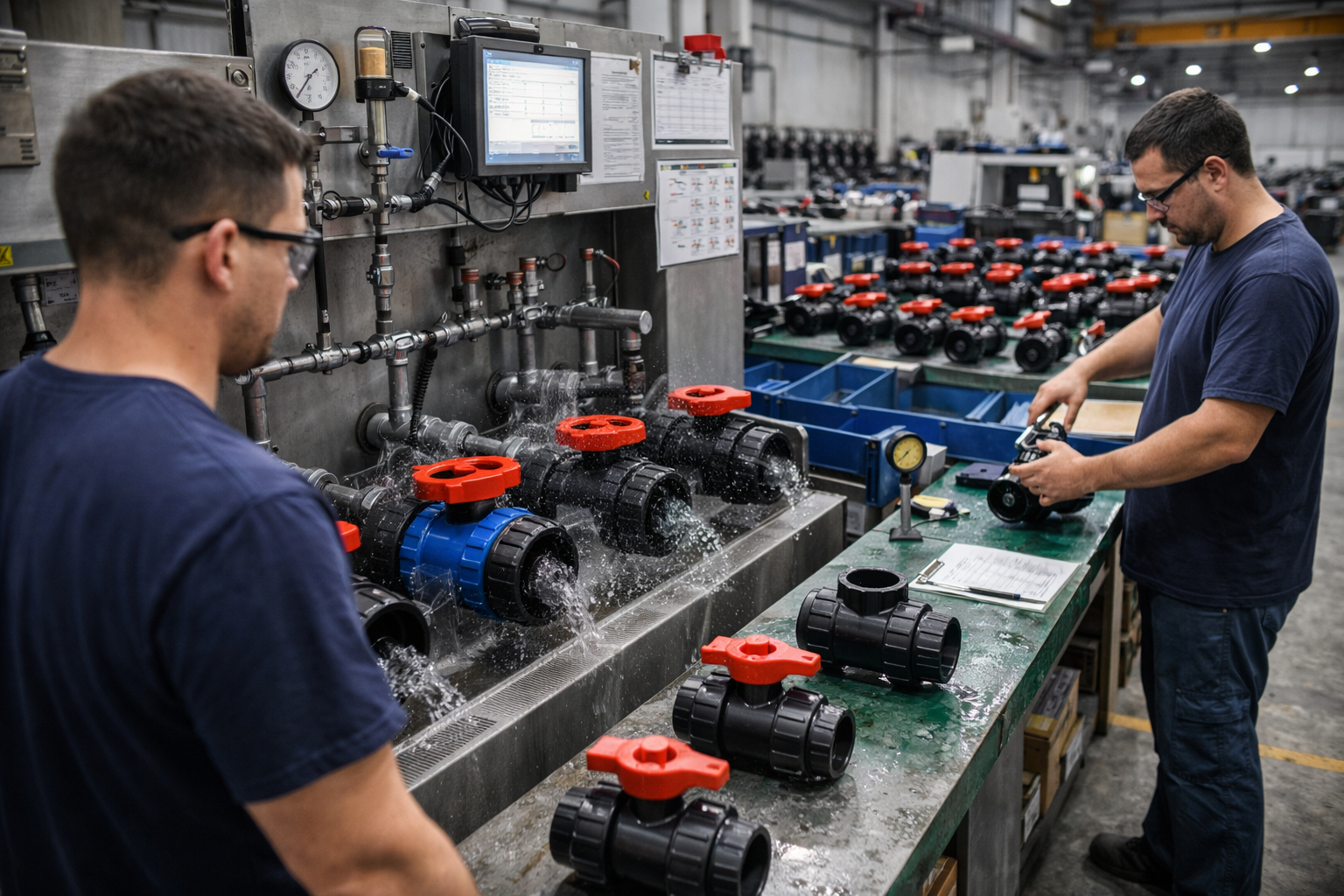
Conduct pressure testing, seal testing, and functional testing on the B-type diaphragm valve to ensure the product meets relevant standards and customer requirements.
Step 6: Finishing, Packaging and Shipment
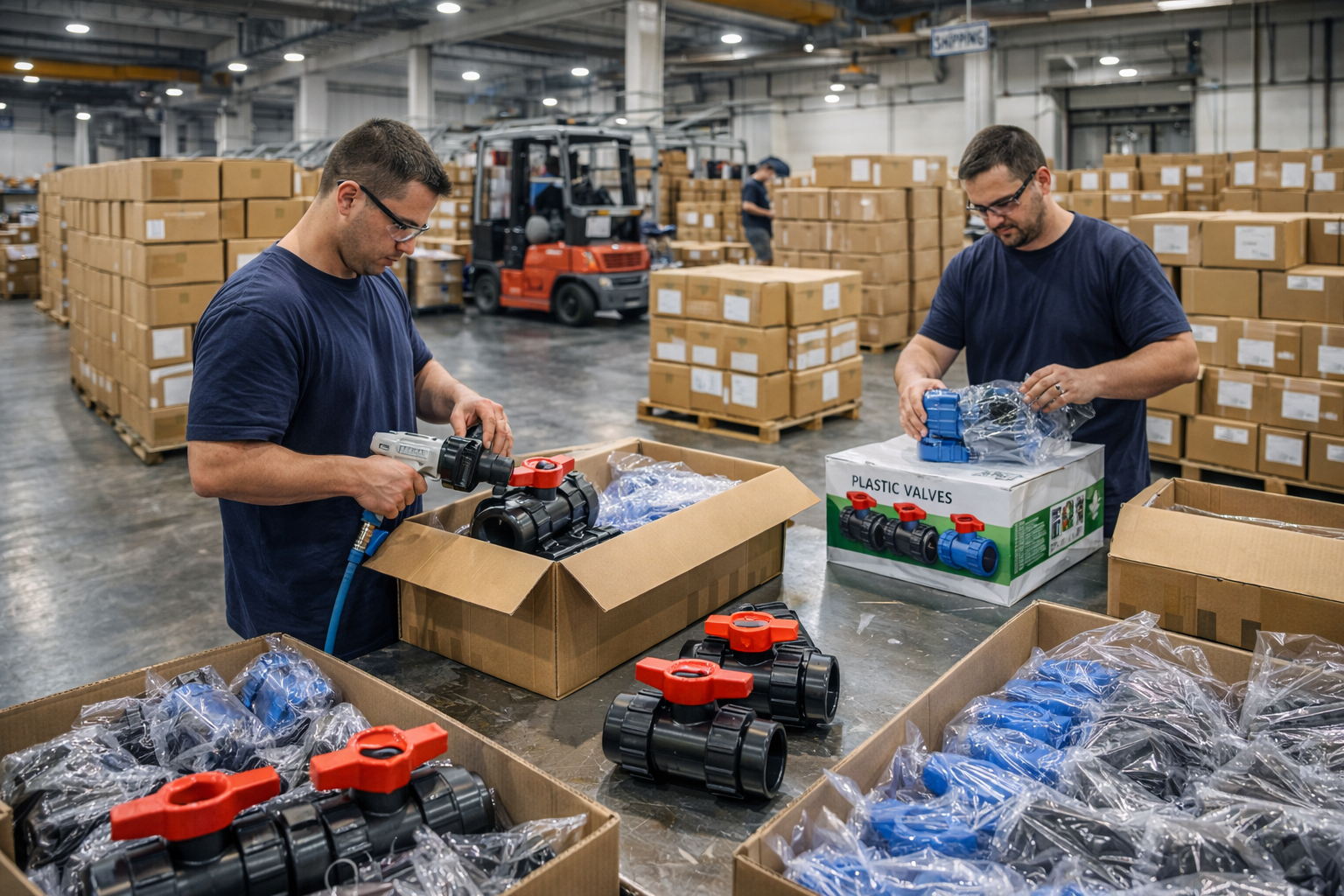
Clean the product surface, apply labels, and package the product to prevent damage during transport, then arrange for shipment.
Applications
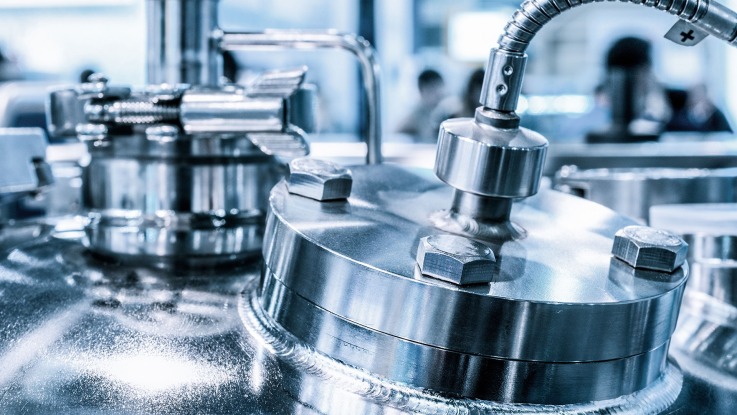
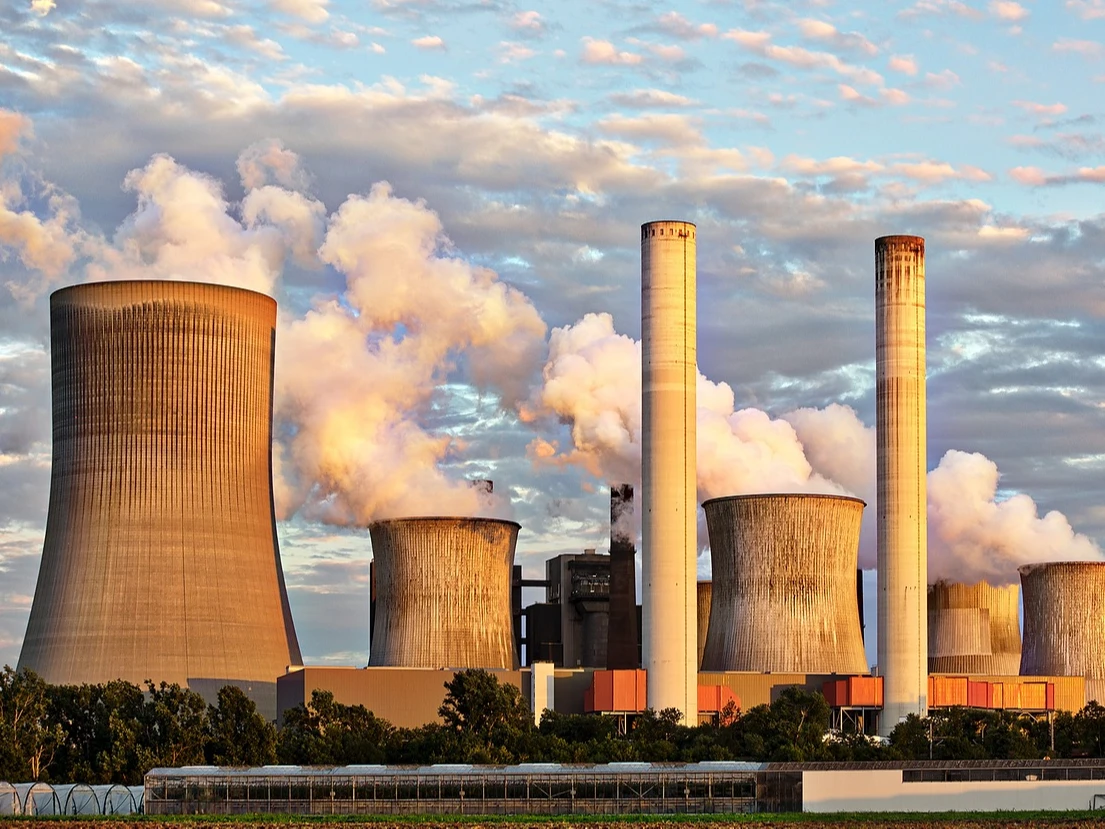
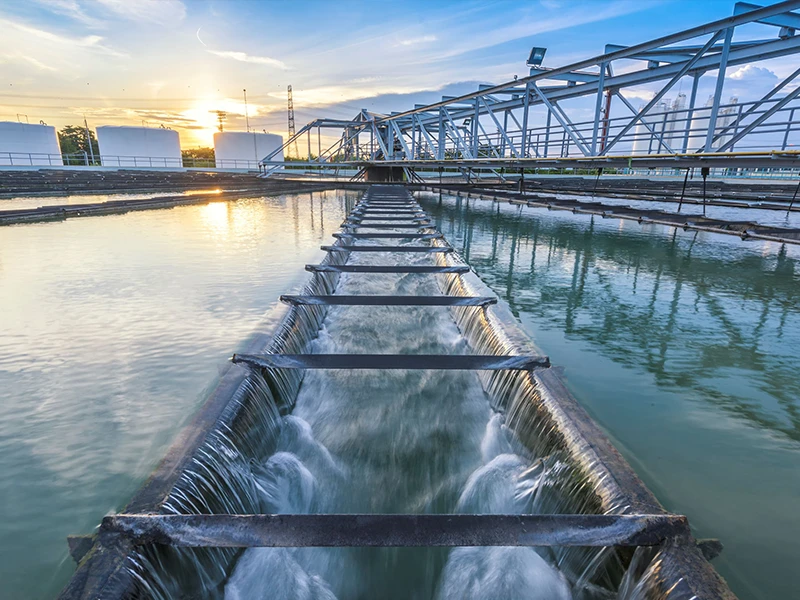
Due to their excellent corrosion resistance, sealing performance, and hygienic properties, diaphragm valves are widely used across multiple industries: in the chemical industry, they are used to control the transfer of corrosive media such as acids and alkalis; in the food and beverage industry, they are used in production and filling processes due to their ease of cleaning and contamination-free operation; in the pharmaceutical industry, they meet sterile and high-purity requirements for the transfer and preparation of pharmaceutical solutions; and in the water treatment industry, they are used to regulate water flow, pressure, and direction. Overall, diaphragm valves, with their stable and reliable performance, are capable of meeting the diverse fluid control needs across various sectors.
These valves are widely used in:
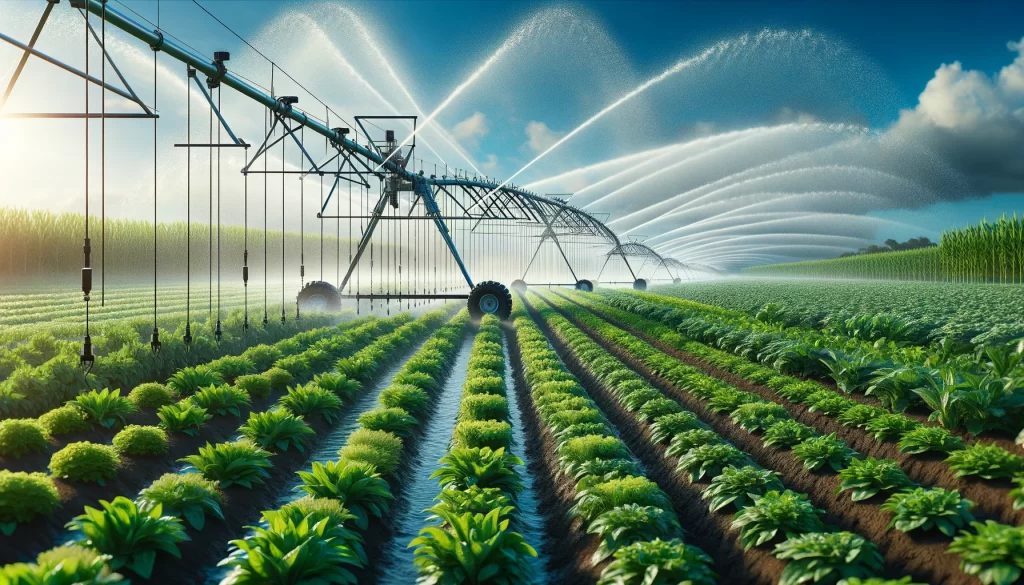
Agriculture and Irrigation
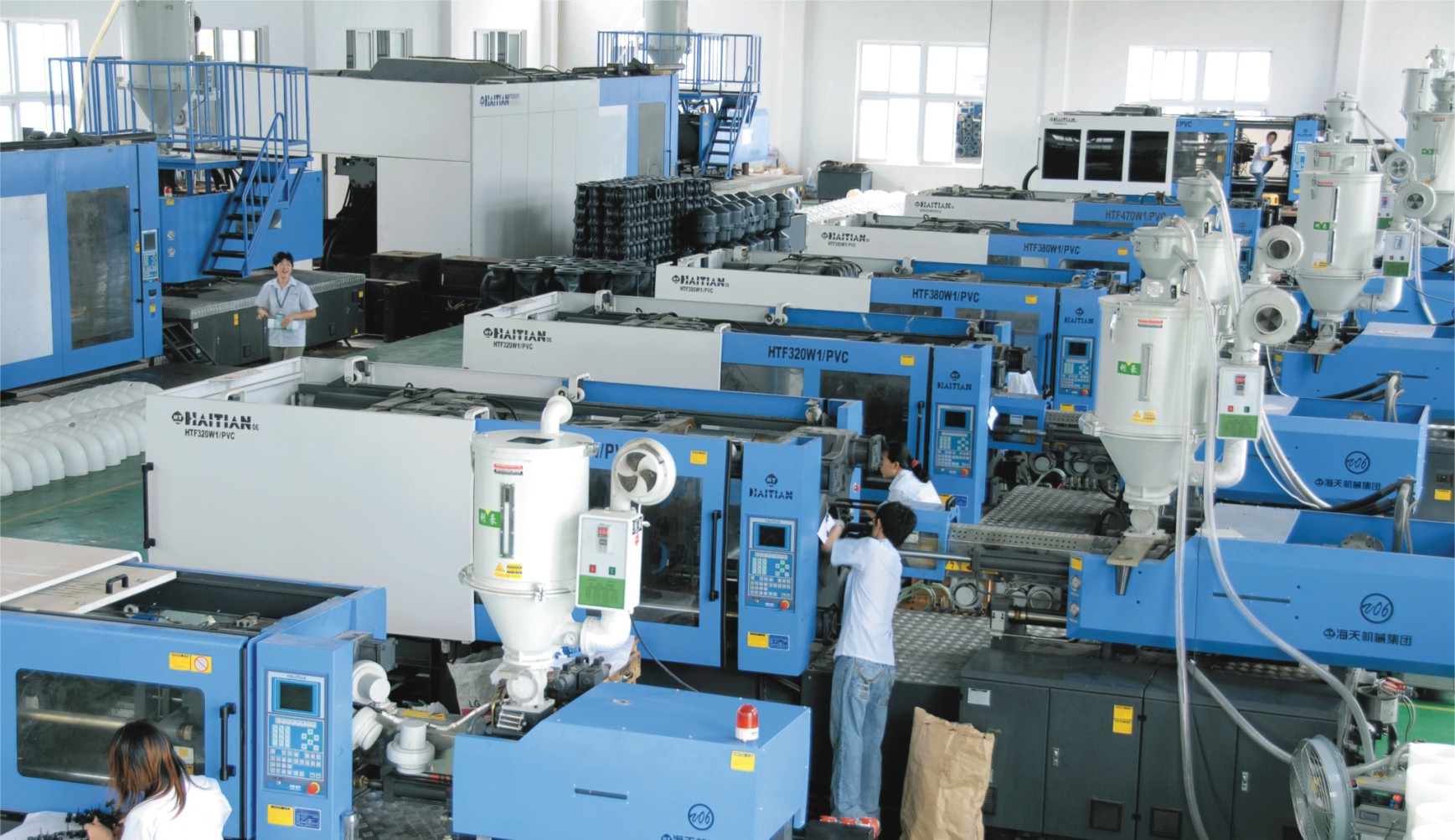
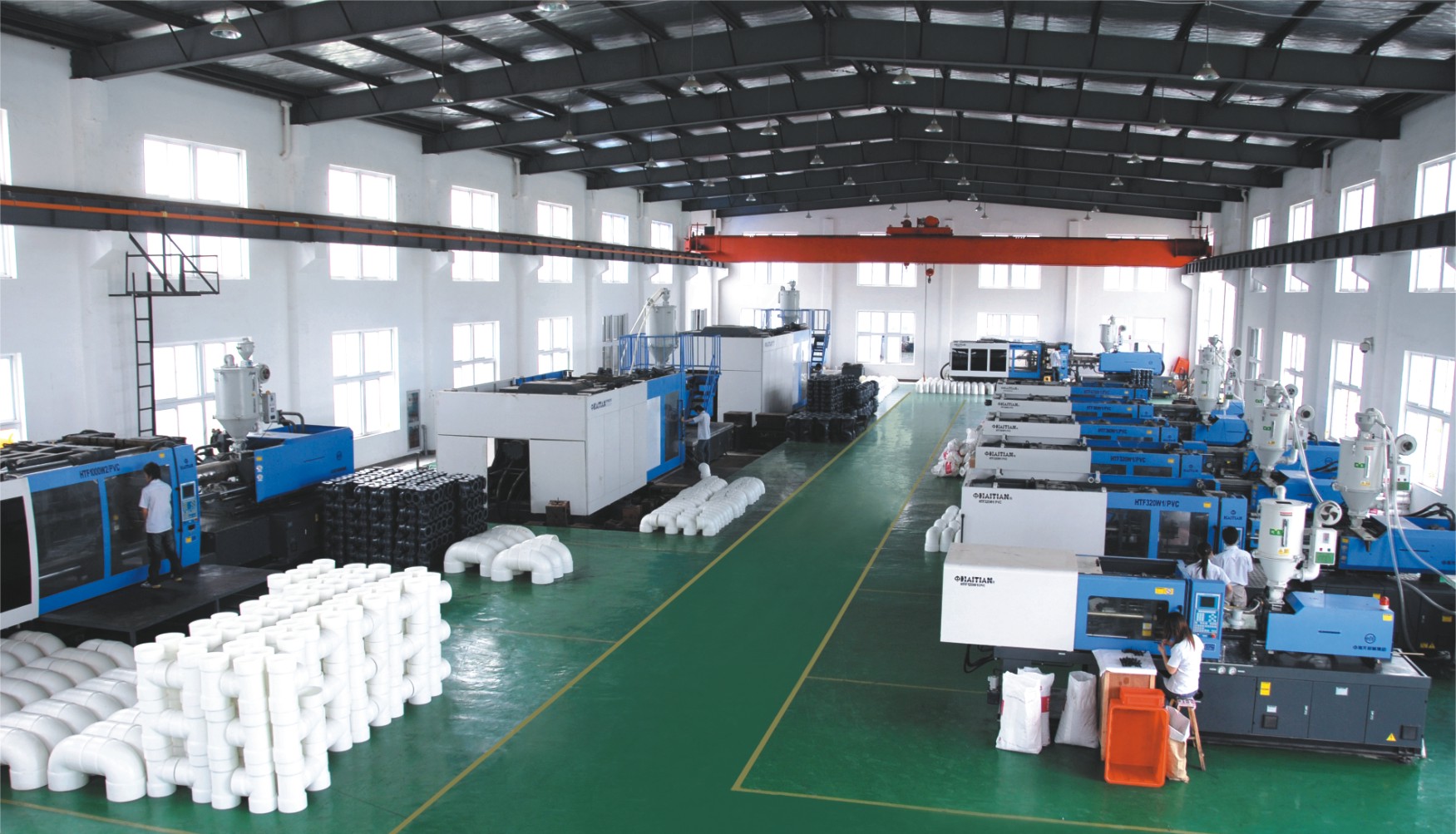
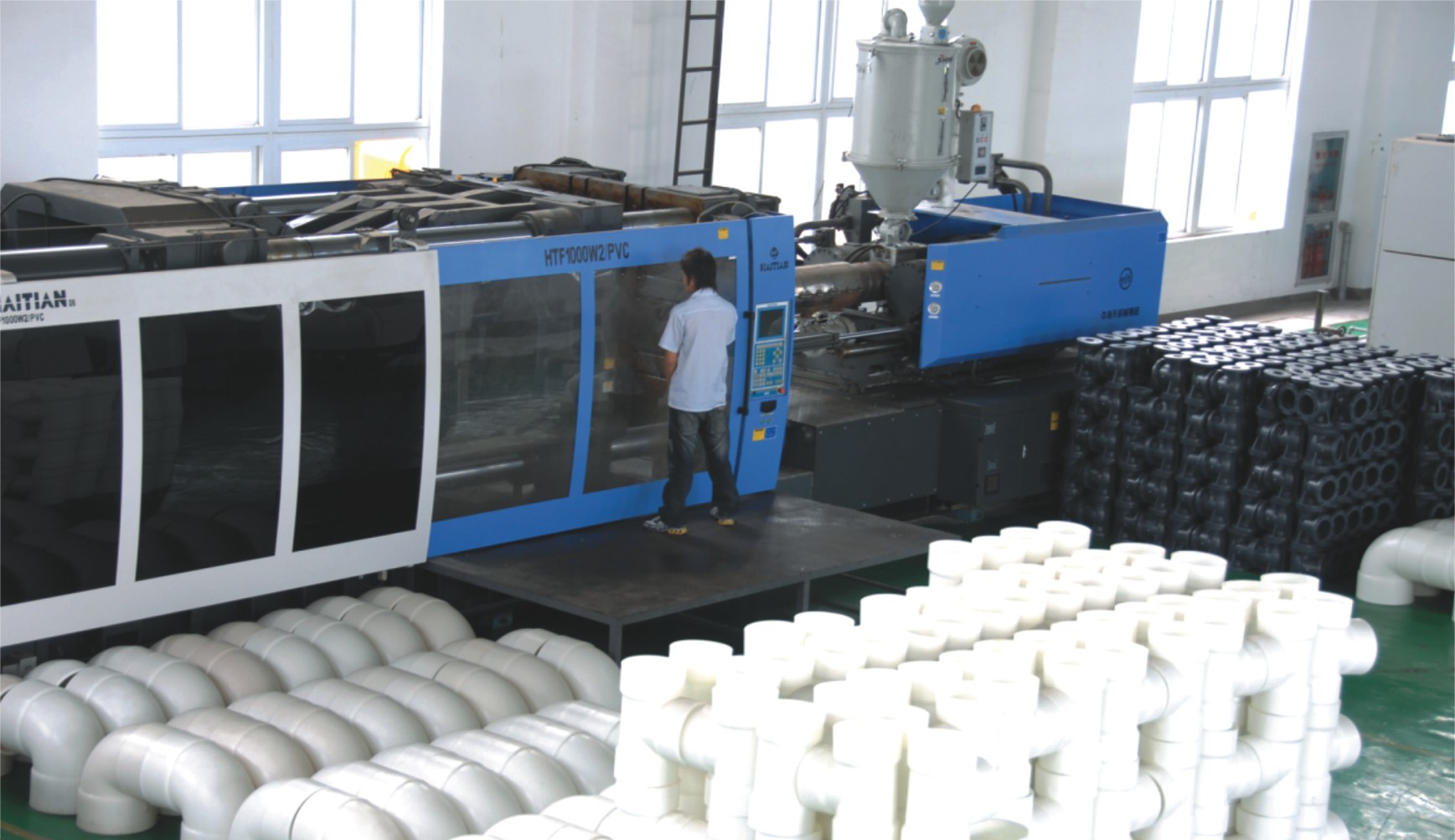
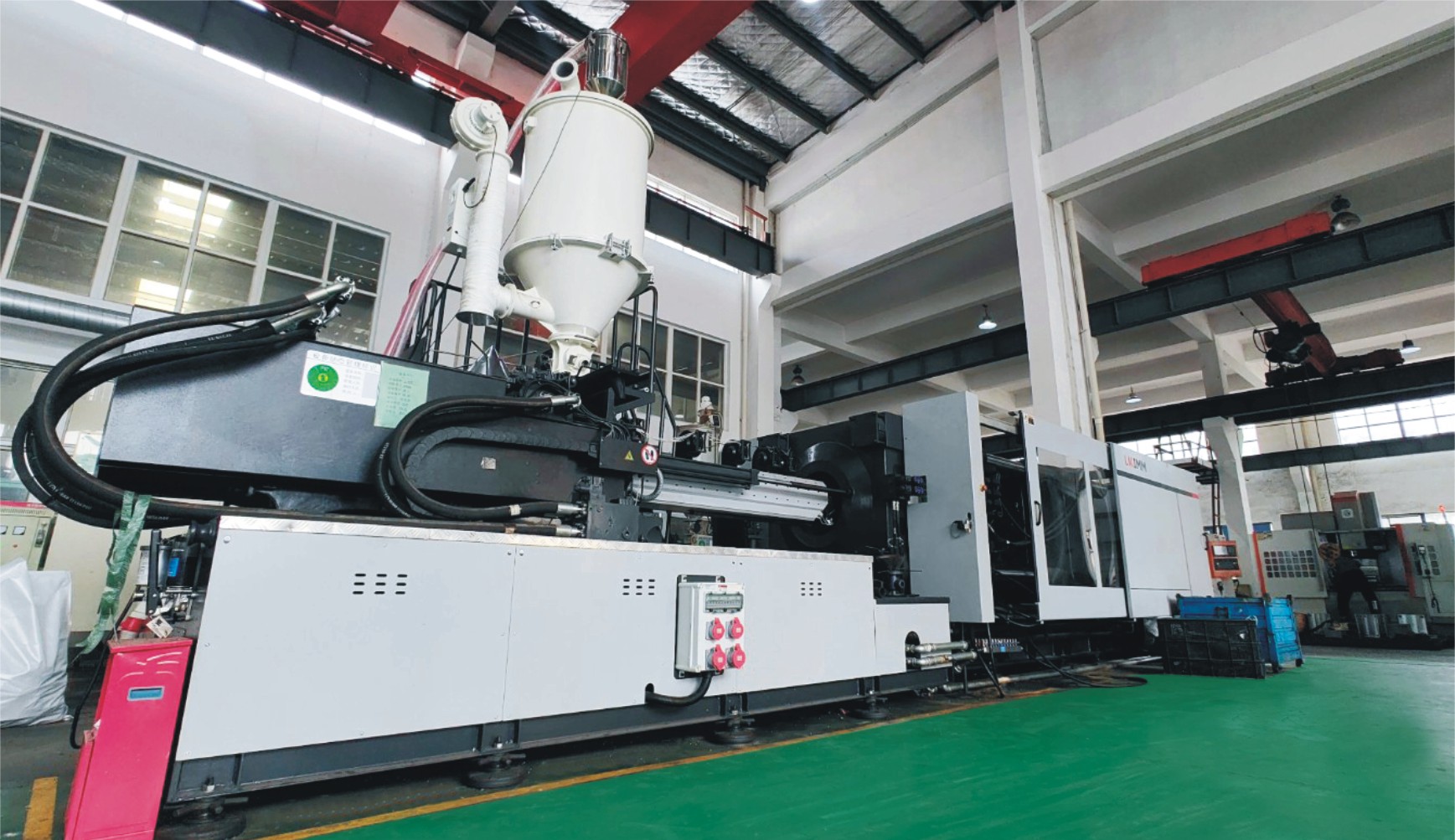
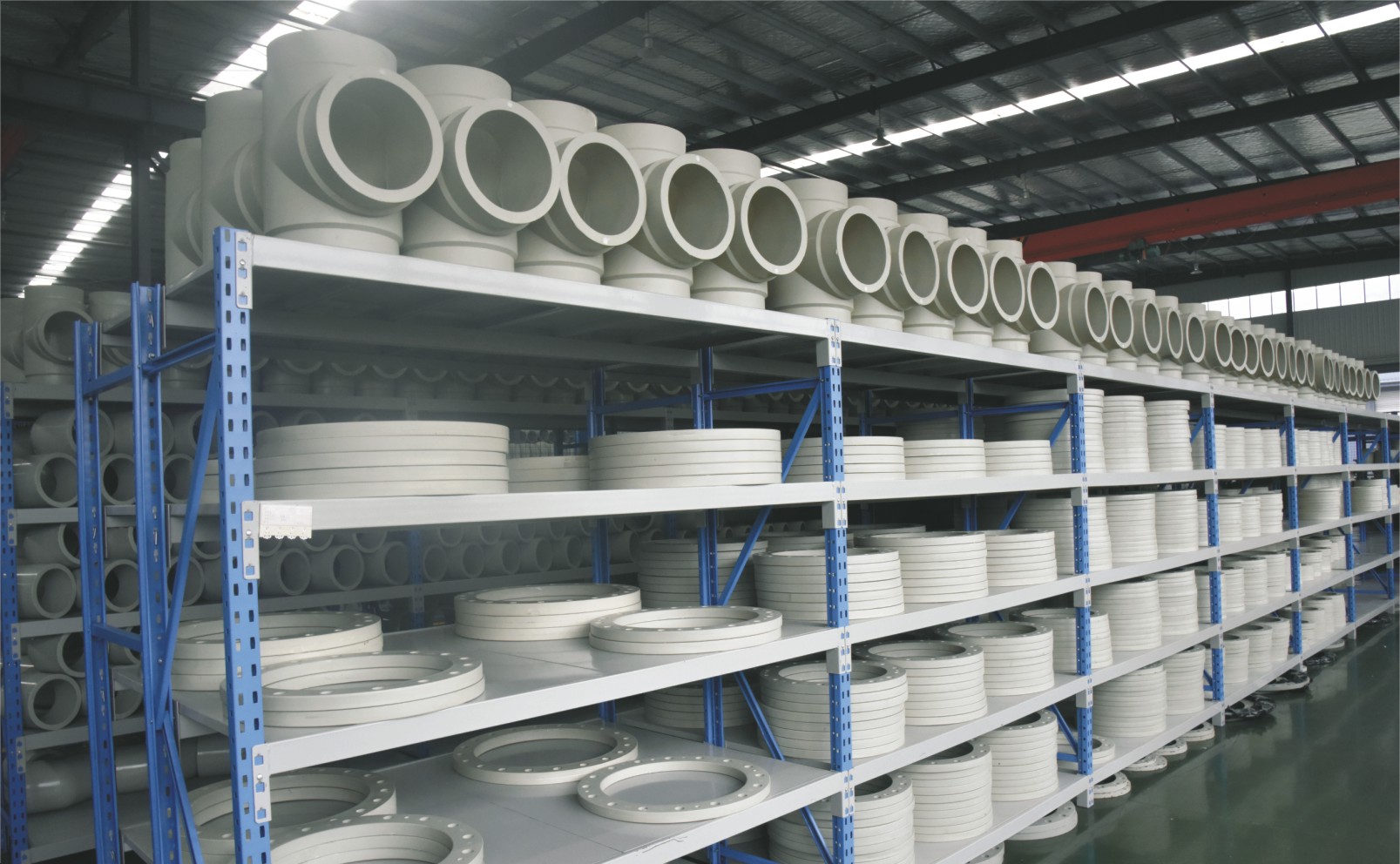
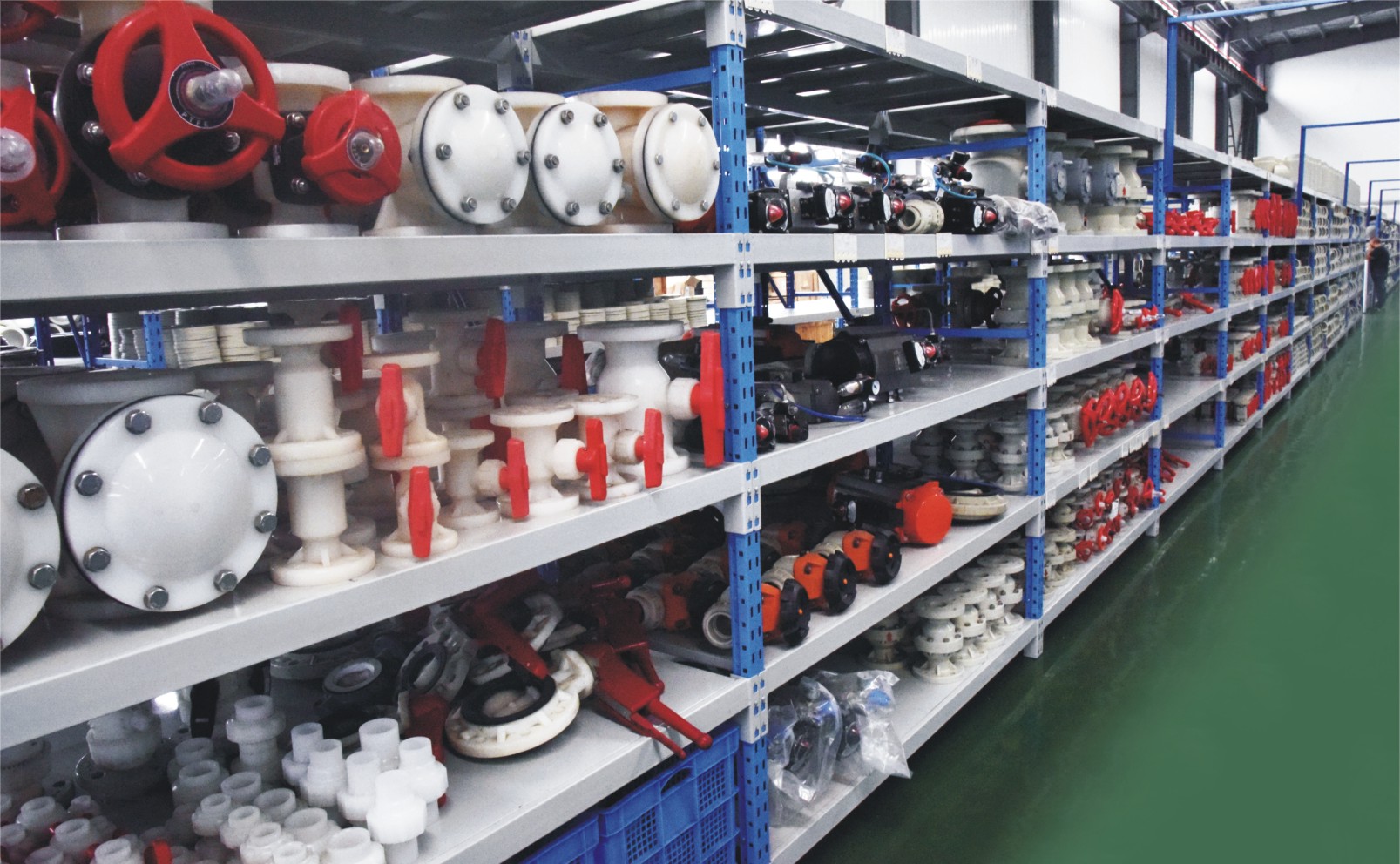
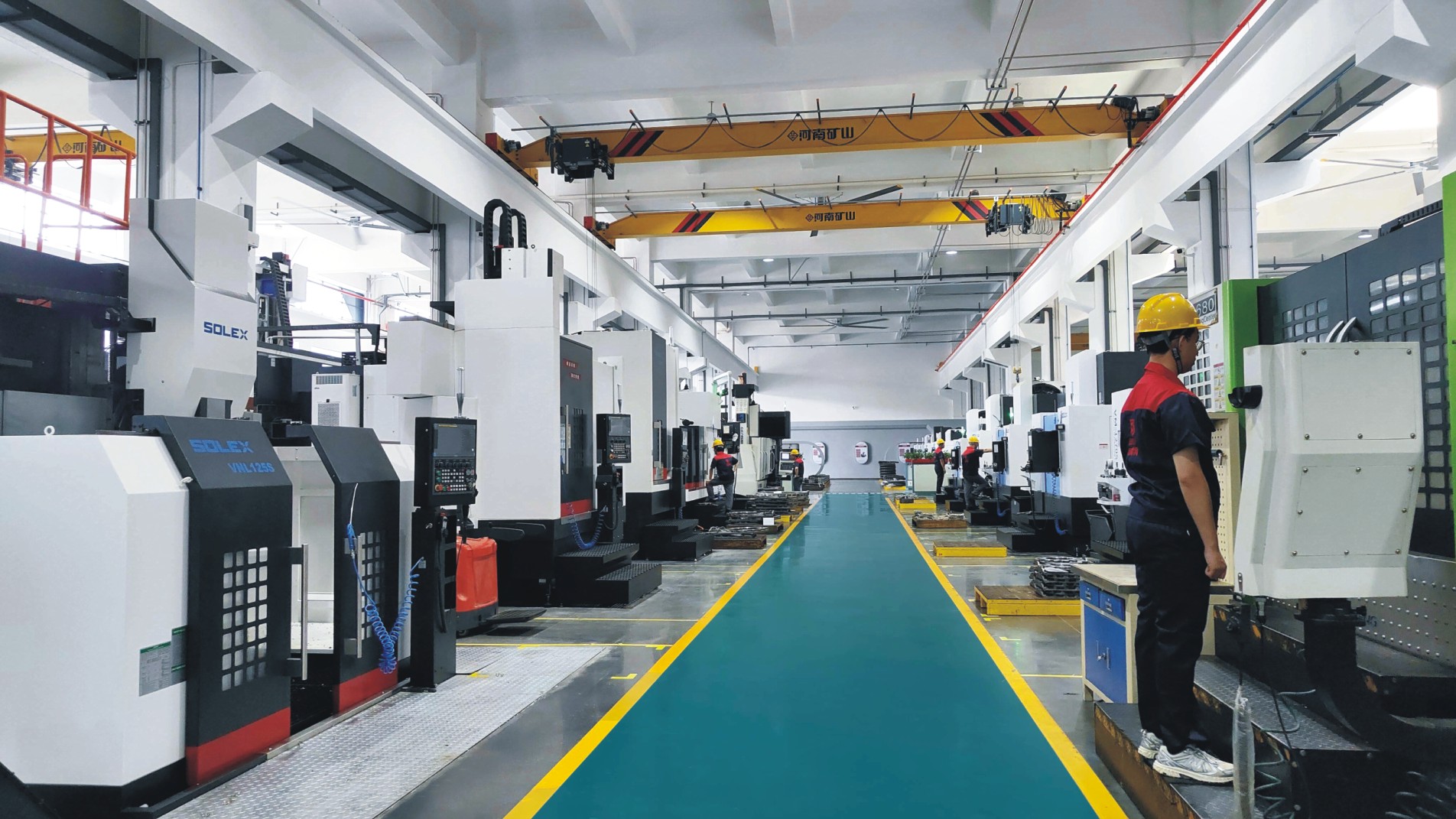
Factory Environment
Why Choose Us
Superior Quality
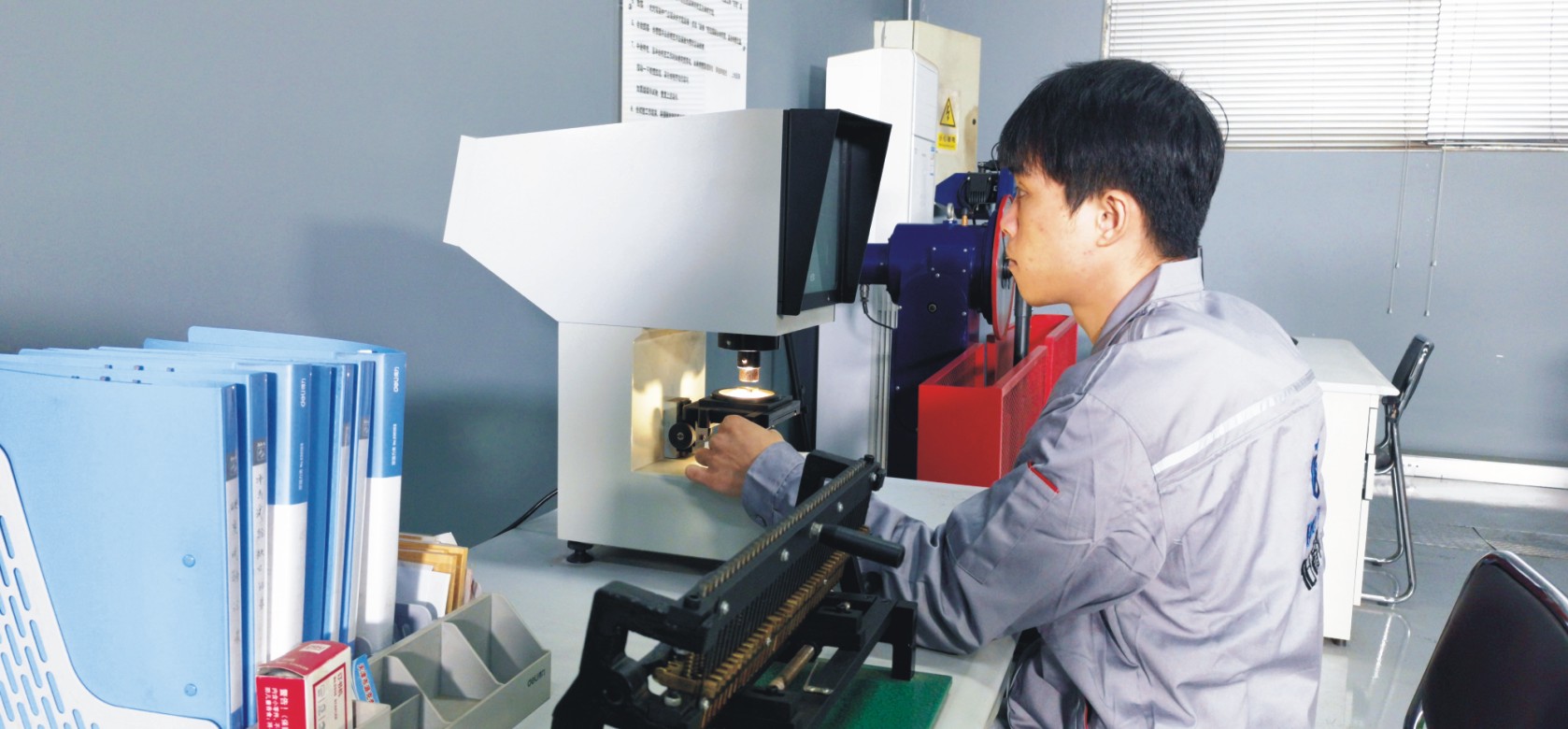
Our valves are produced from high-grade materials and subjected to strict quality inspections to guarantee dependable performance in challenging industrial environments.
Advanced Technology
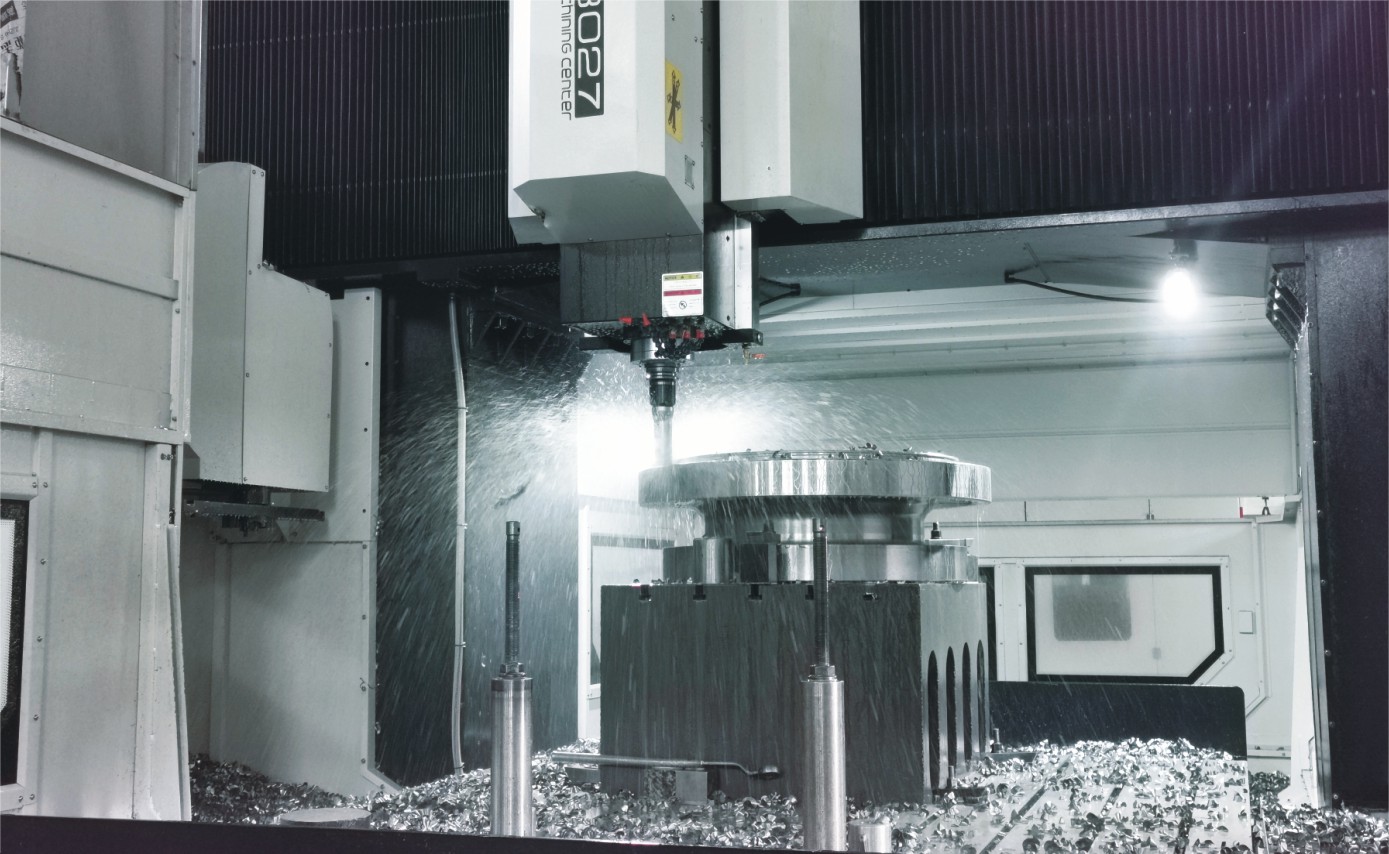
With cutting-edge CNC machining systems and high-precision manufacturing equipment, we ensure valves are made with outstanding accuracy and uniformity.
Competitive Pricing
By streamlining production processes and sourcing materials in bulk, we provide premium-quality valves at competitive prices while maintaining excellent standards.
Expert Support
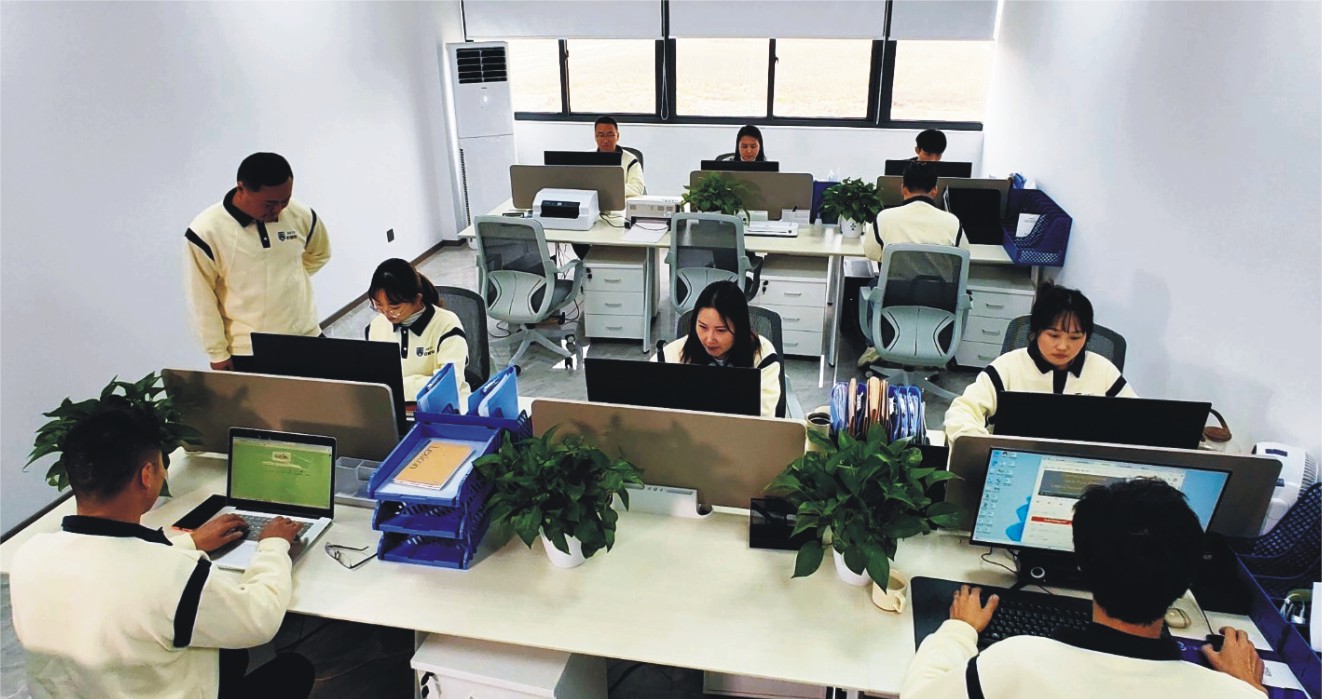
Our skilled technical team offers full support from product selection through after-sales service, helping ensure the best valve performance for your application.