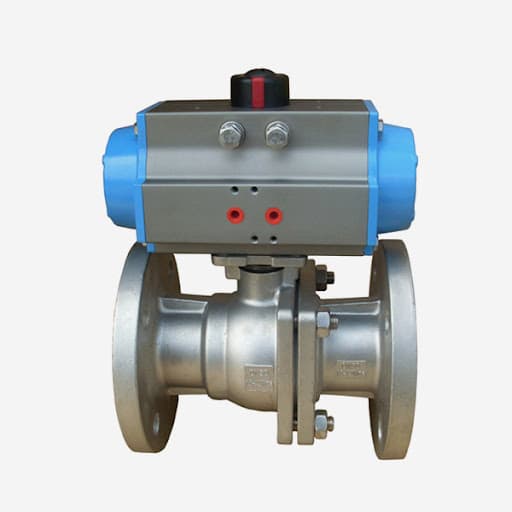
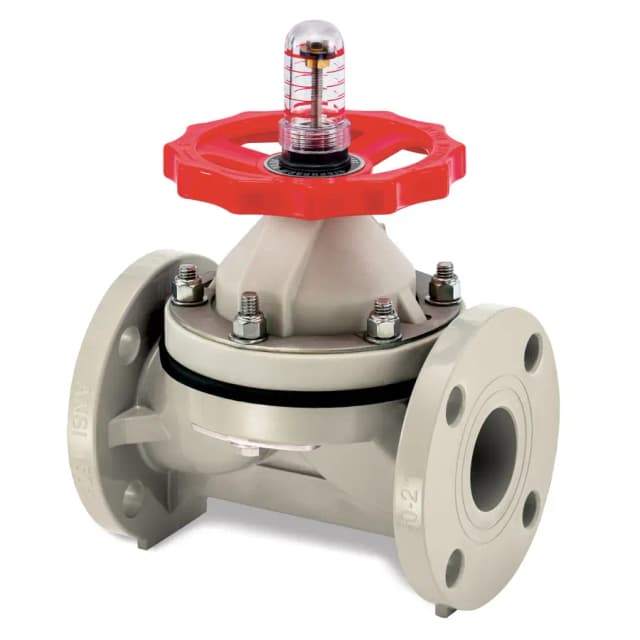
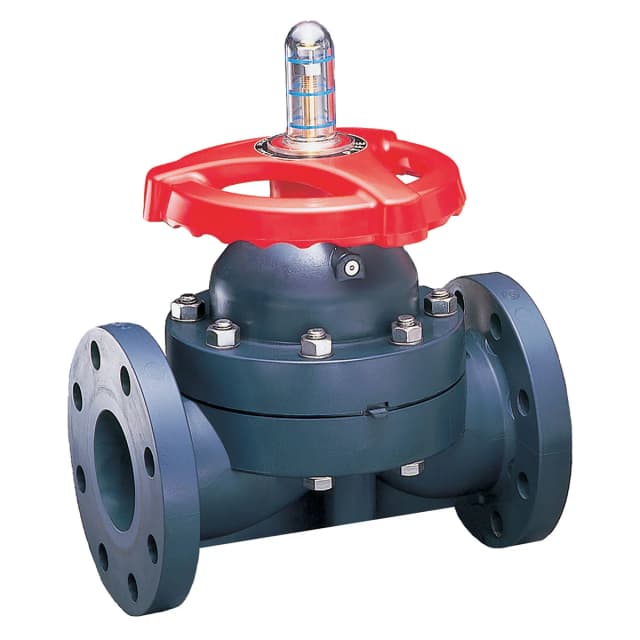
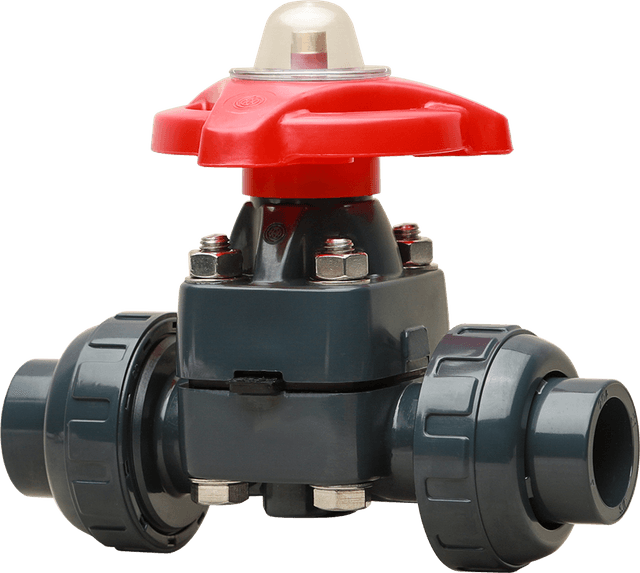
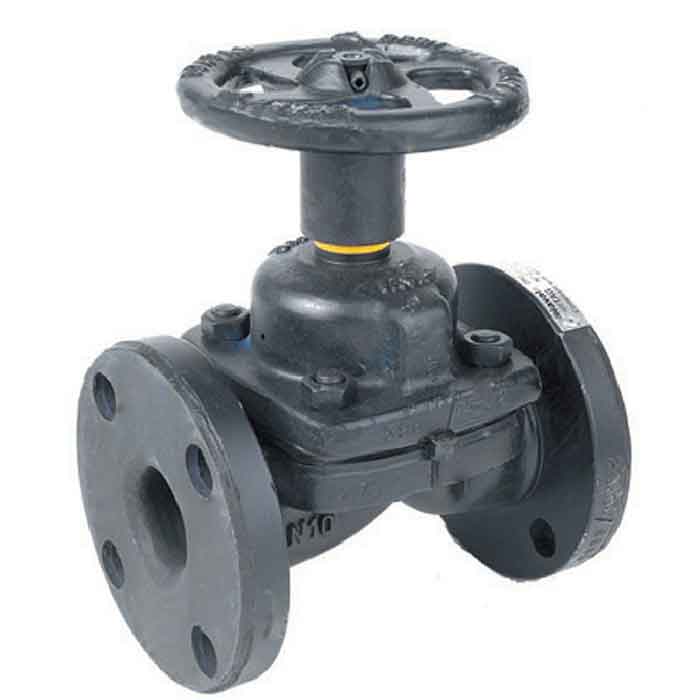
1. What is an Electric Diaphragm Valve?
The electric-actuated flow control assembly represents a high-precision automation solution engineered for industrial piping systems that demand total media isolation and leak-proof integrity. This specialized unit integrates an intelligent electric actuator with a flexible membrane-style body, effectively separating the internal mechanical operating components from the process fluid. By eliminating the traditional stem packing box, this architecture provides a hermetically sealed environment, making it the premier choice for handling ultra-pure water, aggressive chemicals, and abrasive slurries.
Built to rigorous industrial standards, these units are available in various high-grade thermoplastic materials or lined metallic configurations. The internal design ensures a smooth, unobstructed flow path that minimizes pressure drop and prevents the accumulation of residues or particles. Whether used for simple isolation or complex modulation, this assembly provides a robust interface for modern automated systems, supporting global pressure ratings such as PN10.
2. How this Electric Flow Control mechanism works?
The operational logic of this automated device centers on the conversion of electrical energy into precise linear mechanical movement to regulate fluid passage through the following stages:
- Actuator Initialization: When a digital or analog control signal (such as 4-20mA) reaches the motor, it initiates rotary movement. This torque is transmitted through a reduction gearbox to a drive nut, which moves the internal valve stem along a vertical axis.
- Linear Compression: The stem is connected to a compressor component located above the flexible barrier. As the stem moves downward, the compressor applies uniform pressure to the top of the membrane.
- Hermetic Shut-off and Modulation: The membrane is forced against the weir or seat of the body, creating a positive seal that stops the flow entirely. When the actuator reverses direction, the compressor lifts, allowing the membrane to return to its open position through mechanical attachment or fluid pressure, ensuring a clear flow path with minimal turbulence.
3. Classifications of the Membrane Control Unit
3.1 Material and Thermal Configurations
To ensure compatibility with diverse chemical environments, these units are categorized based on their polymer or lined-alloy composition:
UPVC Series: This is the standard choice for general industrial water and mildly corrosive fluids. It maintains excellent structural integrity and chemical resistance within a temperature range of 0 to 45 degrees Celsius.
CPVC Series: A specialized configuration for higher temperature environments, capable of handling aggressive acids and hot process media at temperatures reaching up to 95 degrees Celsius.
PPH Series: Known for superior chemical resistance and high impact strength, this material is ideal for demanding chemical transport applications with an operational range up to 95 degrees Celsius.
Lined Metallic Series: For high-pressure services, a cast steel body lined with FEP or PFA is utilized, combining mechanical robustness with the inert properties required for extreme chemical aggression.
3.2 Automation and Control Variants
Isolation Systems: These utilize basic multi-turn electric actuators for reliable on-off functionality, often used in safety bypass lines.
Intelligent Modulating Systems: Equipped with integrated positioners, these allow for precise percentage-based flow adjustment in closed-loop control environments.
4. Core Advantages of the Automated Design
The integration of electric actuation with a membrane-based body provides significant technical benefits for industrial infrastructure management.
Zero Total Leakage: The packless design prevents hazardous or costly fluids from escaping through the stem, safeguarding the surrounding atmosphere.
Cleanability and Particle Containment: Dead zones are eliminated, as is smooth internal geometry means there are no areas where bacteria can grow or particles accumulate from higher purity applications.
Feedback and Friction: Electric actuation ensures your solution is digitally controllable in real time with absolute position/status feedback, even if the environment does not have compressed air.
| Component | Materials | Functional Advantage |
|---|
| Body Housing | UPVC, CPVC, PPH | Corrosion protection and durability |
| Sealing Membrane | EPDM, PTFE, FPM | Hermetic isolation and chemical neutrality |
| Drive Stem | Stainless Steel | Precision linear movement and wear resistance |
| Actuator Unit | Electric Motor | Reliable remote control and digital feedback |
| Internal Path | Weir Style | Optimized flow and minimal residue buildup |
5. Industrial Applications
Its diverse applicability is the reason why Electric Diaphragm Valve acts as a very crucial element across hundreds of specific industrial sectors:
- Semiconductor Manufacturing:- Crucial for control of flow in cleanroom etching and UPW(post DI) applications.
- Chemical Processing: To be Used for automated dosing systems with concentrated acids, alkalis and reactive process fluids JSBracketAccess
- Application in Water & Wastewater Treatment: Ideal for slurry lines, chemical reagents as well desalination plants and industrial effluent facilities.
- Pharmaceutical Production: Isolated flow path, ensures sterile conditions for the transport of sensitive biological ingredients.