Application Temperature Range Table
| Materials | Medium Temperature (°C) |
|---|
| RPP (Reinforced Polypropylene) | -14°C ~ +90°C |
| UPVC (Unplasticized Polyvinyl Chloride) | -10°C ~ +70°C |
| PVDF (Polyvinylidene Fluoride) | -40°C ~ +140°C |
| CPVC (Chlorinated Polyvinyl Chloride) | -40°C ~ +95°C |
Features
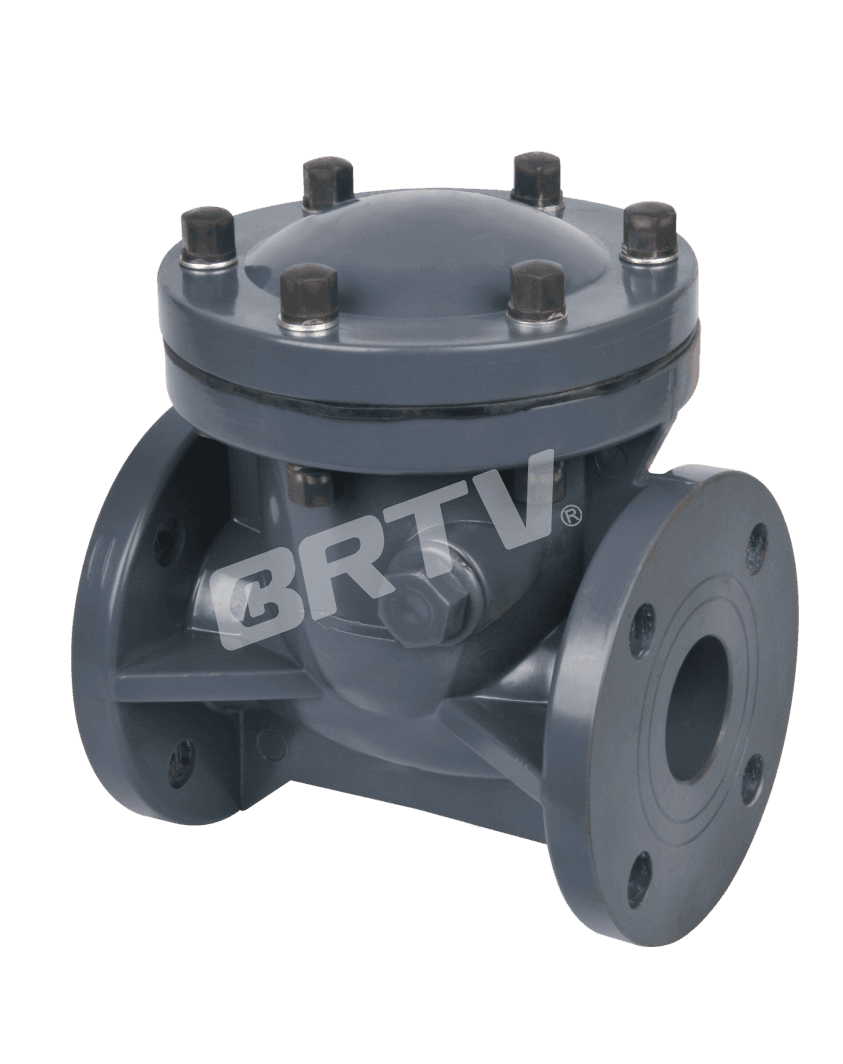
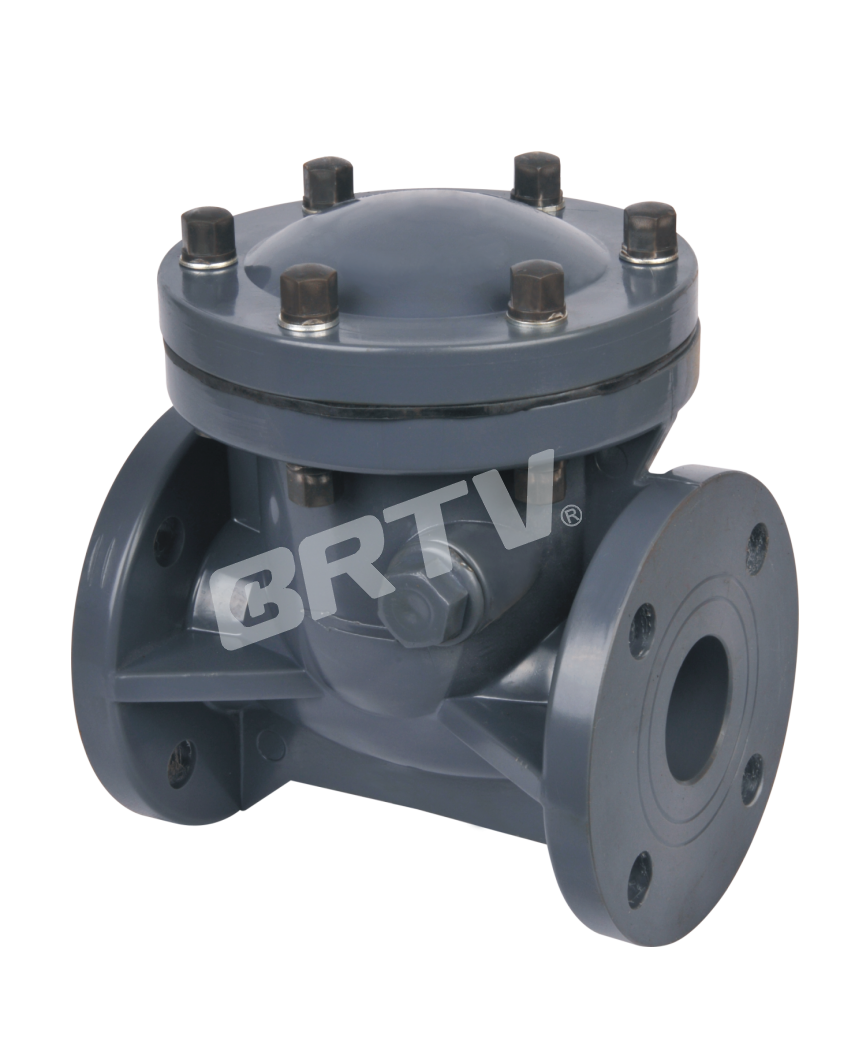
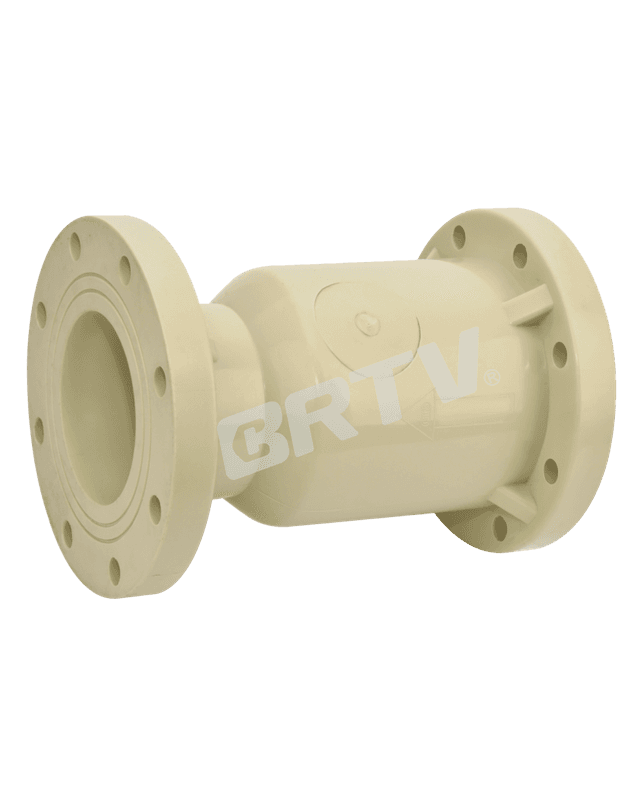
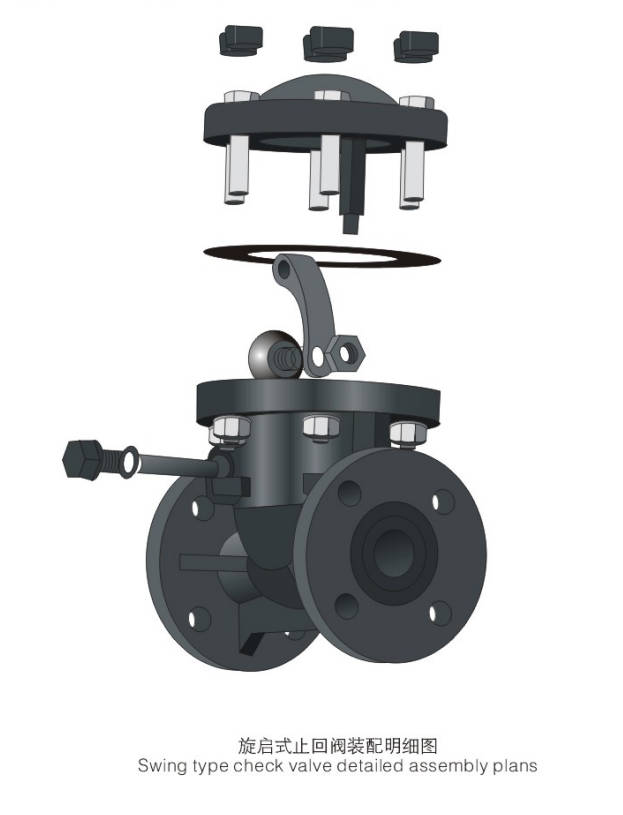
• The rotary check valve is a swing-arm type check valve with minimal flow resistance.
• During maintenance, the valve cover can be opened for repair or replacement without removing the valve from the pipeline.
• High strength and low vibration.
Parts & Material
| No. | Parts | Materials |
|---|
| 1 | Bonnet | FRPP, PPH, UPVC, CPVC, PVDF |
| 2 | Board | Steel, Stainless Steel |
| 3 | Stud Bolt & Nut | Steel, Stainless Steel |
| 4 | Swing Arms | FRPP, PPH, UPVC, CPVC, PVDF |
| 5 | Nut | FRPP, PPH, UPVC, CPVC, PVDF |
| 6 | Disc Sealing | EPDM, FPM, PTFE |
| 7 | Disc Holder | FRPP, PPH, UPVC, CPVC, PVDF |
| 8 | Disc | FRPP, PPH, UPVC, CPVC, PVDF |
| 9 | Body | FRPP, PPH, UPVC, CPVC, PVDF |
| 10 | Positioning Shaft | FRPP, PPH, UPVC, CPVC, PVDF |
| 11 | Bonnet Cushion | EPDM, FPM, PTFE |
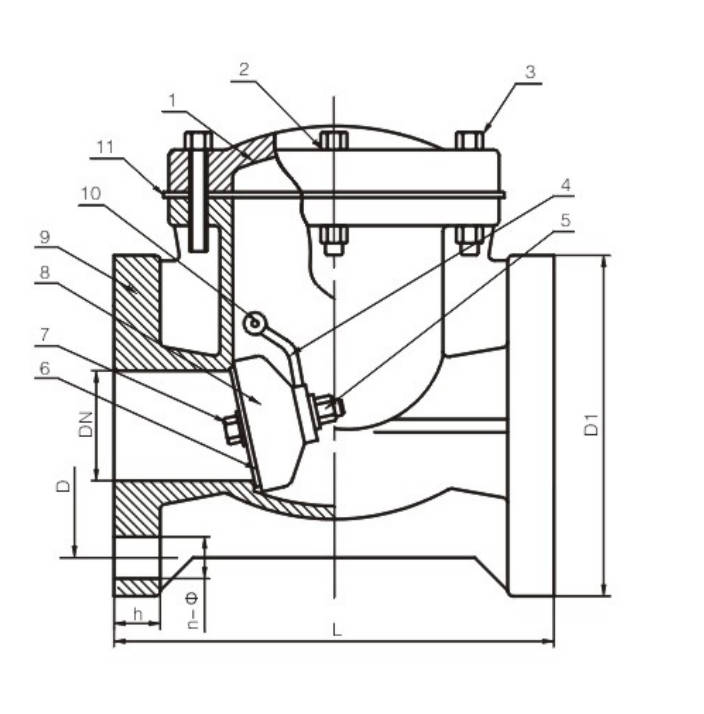
Dimensions Table
| DN | D (DIN) | D (JIS) | D (ANSI) | D1 | L | H | n (HG/DIN) | n (JIS) | n (ANSI) | Φ (HG/DIN) | Φ (JIS) | Φ (ANSI) | Working Pressure (MPa) | Minimum Back Pressure (MPa) |
|---|
| 25 | 85 | 90 | 79 | 125 | 160 | 16 | 4 | 4 | 4 | 14 | 15 | 16 | 1.0 | 0.05 |
| 32 | 100 | 100 | 89 | 145 | 180 | 16 | 4 | 4 | 4 | 18 | 19 | 16 | 1.0 | 0.06 |
| 40 | 110 | 105 | 98 | 145 | 180 | 16 | 4 | 4 | 4 | 18 | 19 | 16 | 1.0 | 0.06 |
| 50 | 125 | 120 | 121 | 160 | 200 | 18 | 4 | 4 | 4 | 18 | 19 | 19 | 1.0 | 0.06 |
| 65 | 145 | 140 | 140 | 180 | 240 | 22 | 4 | 4 | 4 | 18 | 19 | 19 | 1.0 | 0.08 |
| 80 | 160 | 150 | 152 | 195 | 260 | 22 | 8 | 8 | 4* | 18 | 19 | 19 | 0.6 | 0.08 |
| 100 | 180 | 175 | 190 | 215 | 300 | 22 | 8 | 8 | 8 | 18 | 19 | 19 | 0.6 | 0.08 |
| 125 | 210 | 210 | 216 | 250 | 350 | 28 | 8 | 8 | 8 | 18 | 19 | 22 | 0.6 | 0.10 |
| 150 | 240 | 240 | 241 | 280 | 405 | 30 | 8 | 8 | 8 | 22 | 23 | 22 | 0.6 | 0.10 |
| 200 | 295 | 290 | 298 | 330 | 500 | 34 | 8 | 12* | 8 | 22 | 23 | 22 | 0.3 | 0.10 |
| 250 | 350 | 355 | 362 | 395 | 600 | 37 | 12 | 12 | 12 | 22 | 25 | 26 | 0.3 | 0.10 |
| 300 | 400 | 400 | 432 | 450 | 600 | 38 | 12 | 16* | 12 | 22 | 25 | 26 | 0.3 | 0.10 |
Manufacturing Process
Step 1: Order and Design
Based on customer requirements (dimensions, pressure rating, connection type, etc.), we confirm the design and finalize the structural drawings for the swing check valve, select materials (such as PVC, CPVC, PP), and design the sealing solution.
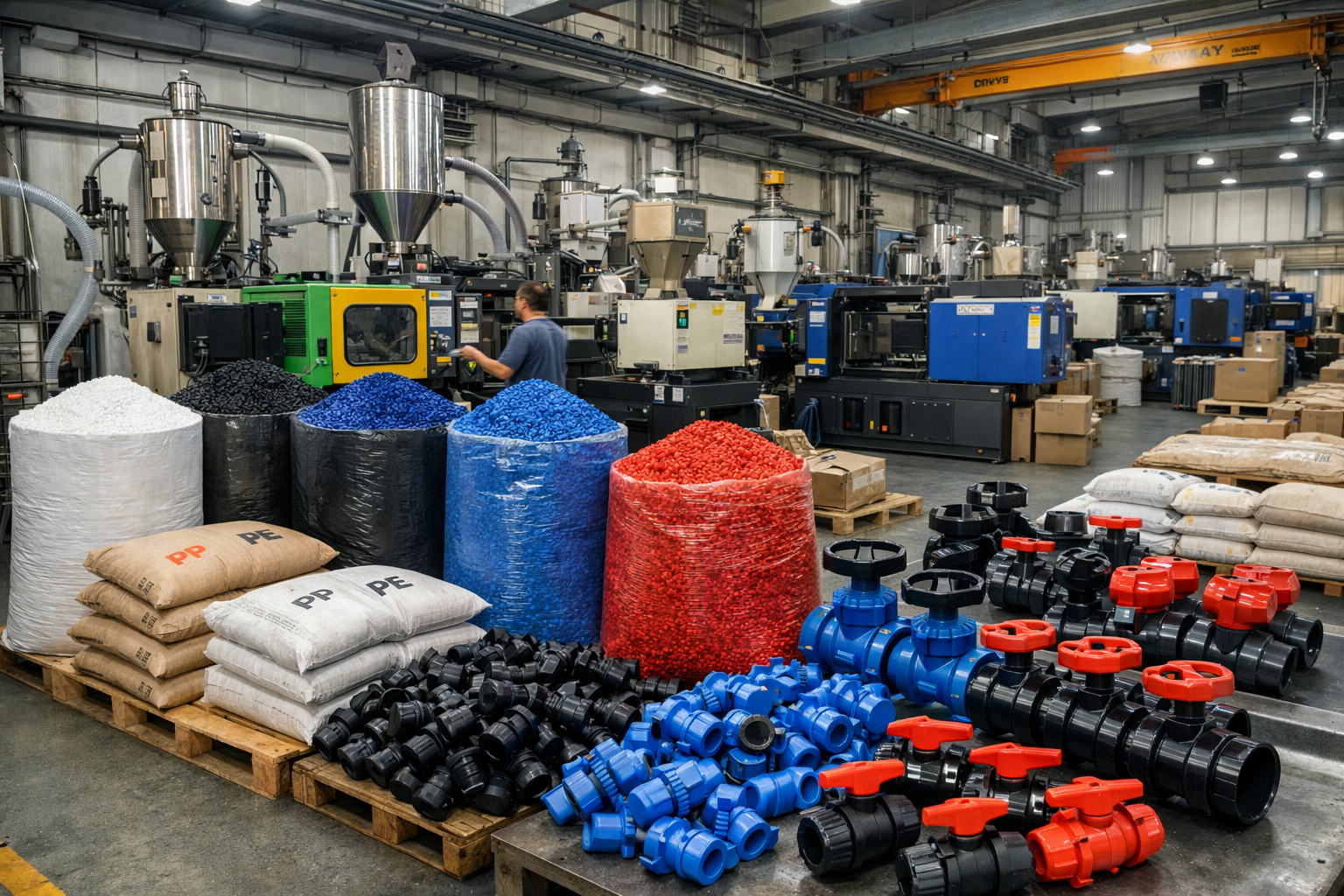
Step 2: Raw Material Preparation & Molding
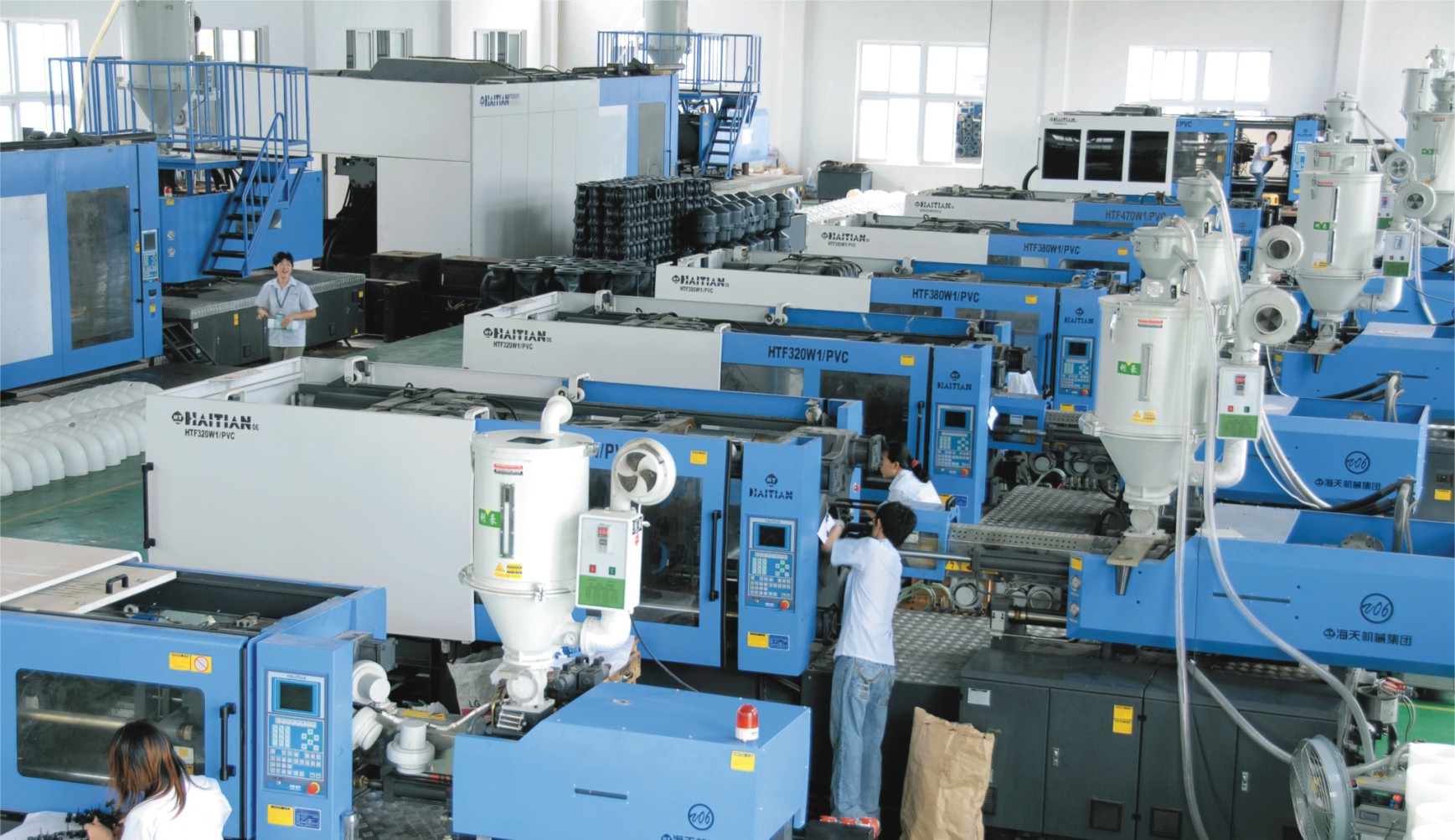
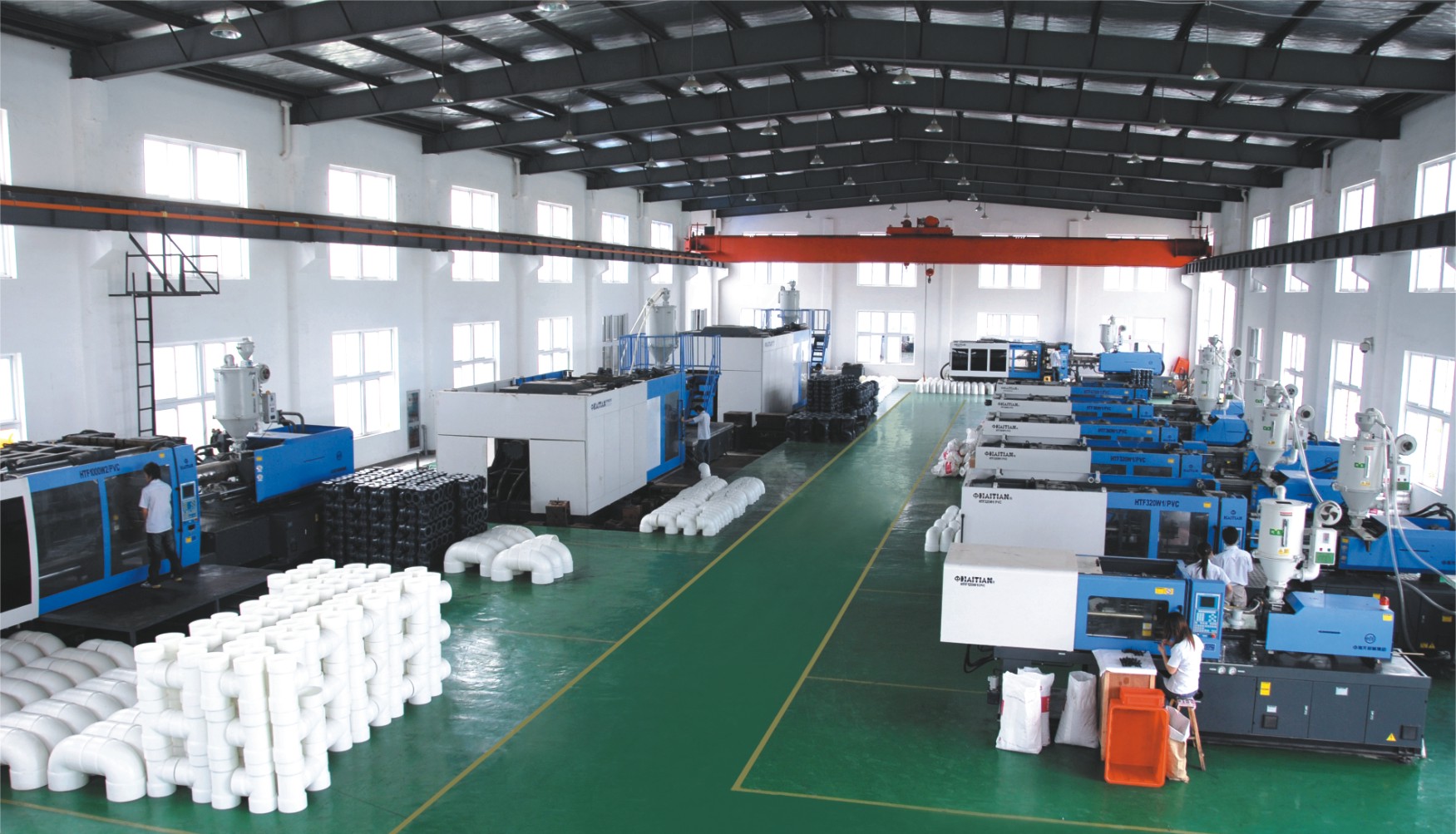
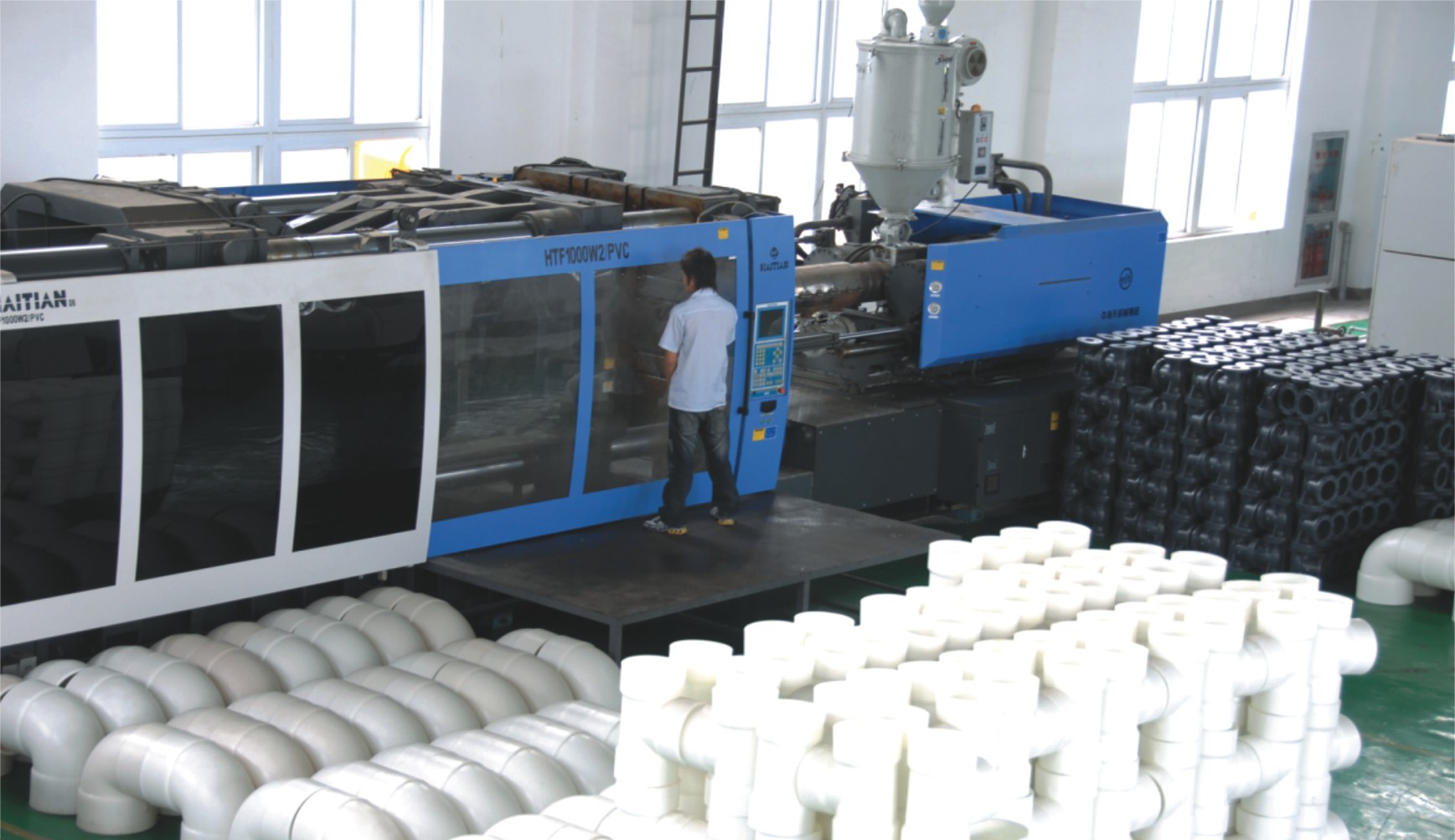
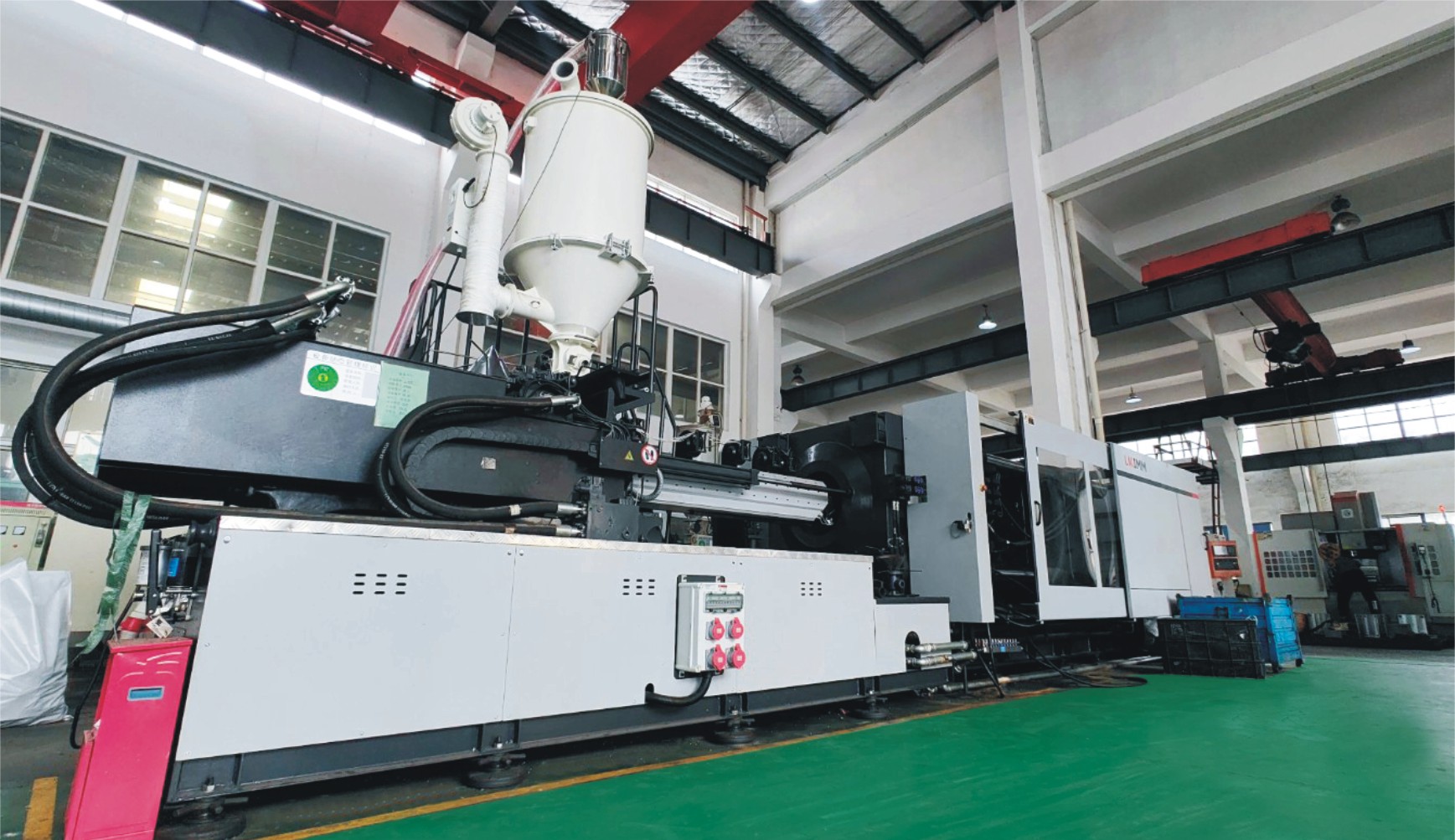
Select standard-compliant plastic raw materials. After drying, use injection molding or compression molding processes to form the swing check valve’s main components, including the valve body, bonnet, and disc.
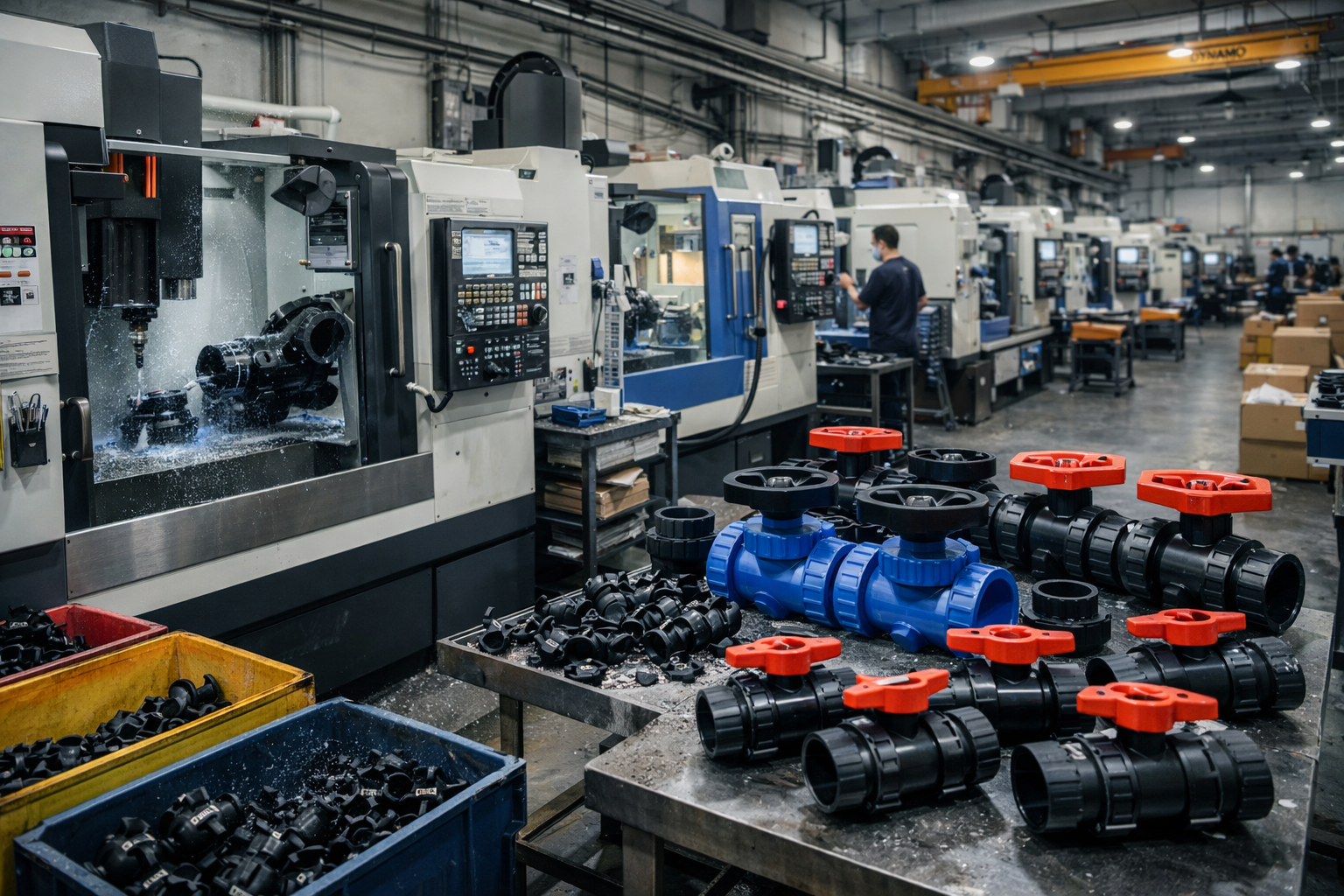
Step 3: Machining
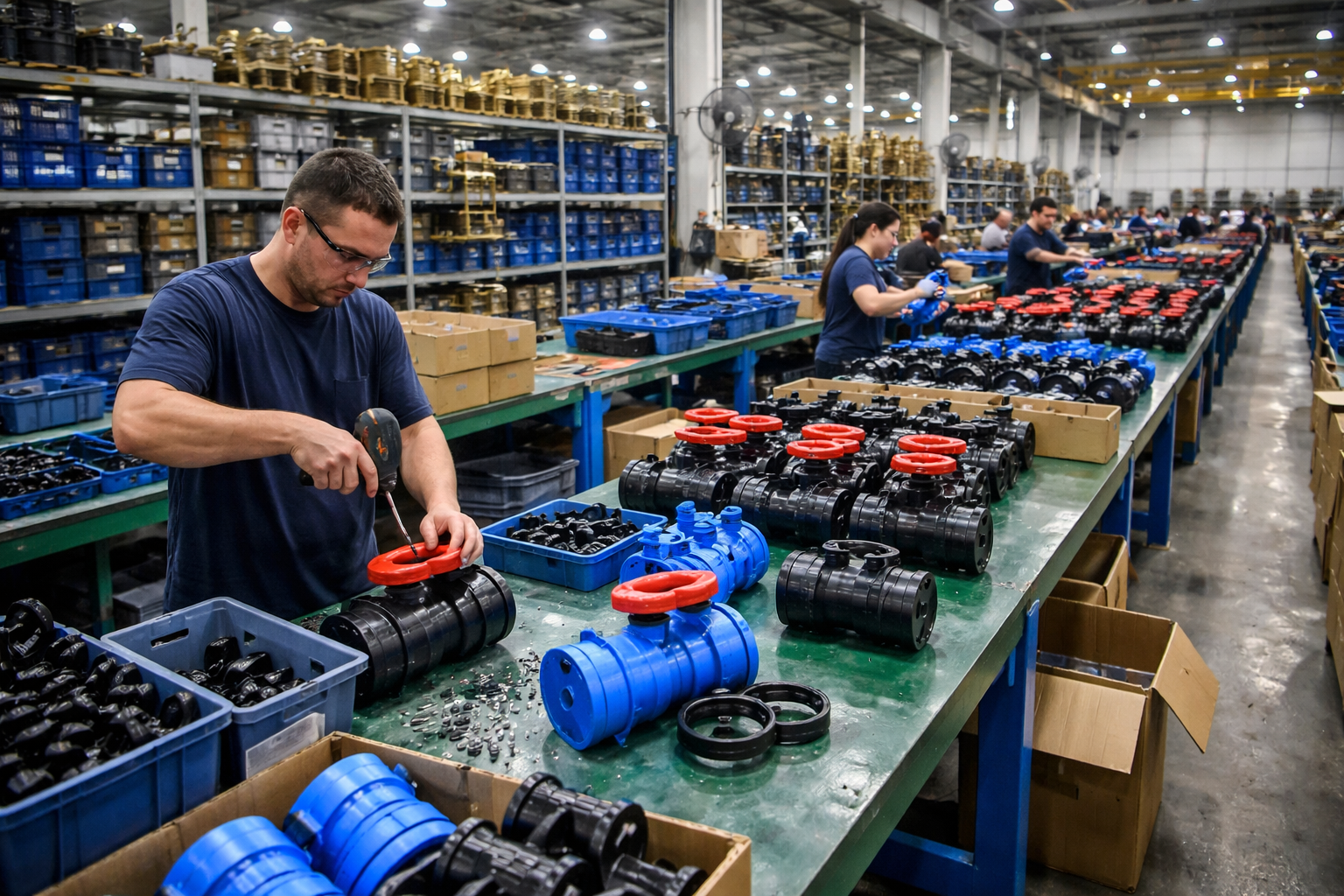
Perform precision machining on the molded swing check valve parts, including flange face machining, sealing surface finishing, and hole position accuracy processing, to ensure assembly precision and sealing performance.
Step 4: Assembly
Assemble components such as the valve disc, pins, and seals into the valve body to complete the overall assembly of the swing check valve, and inspect the ease of opening and closing as well as alignment.
Step 5: Testing & Quality Assurance
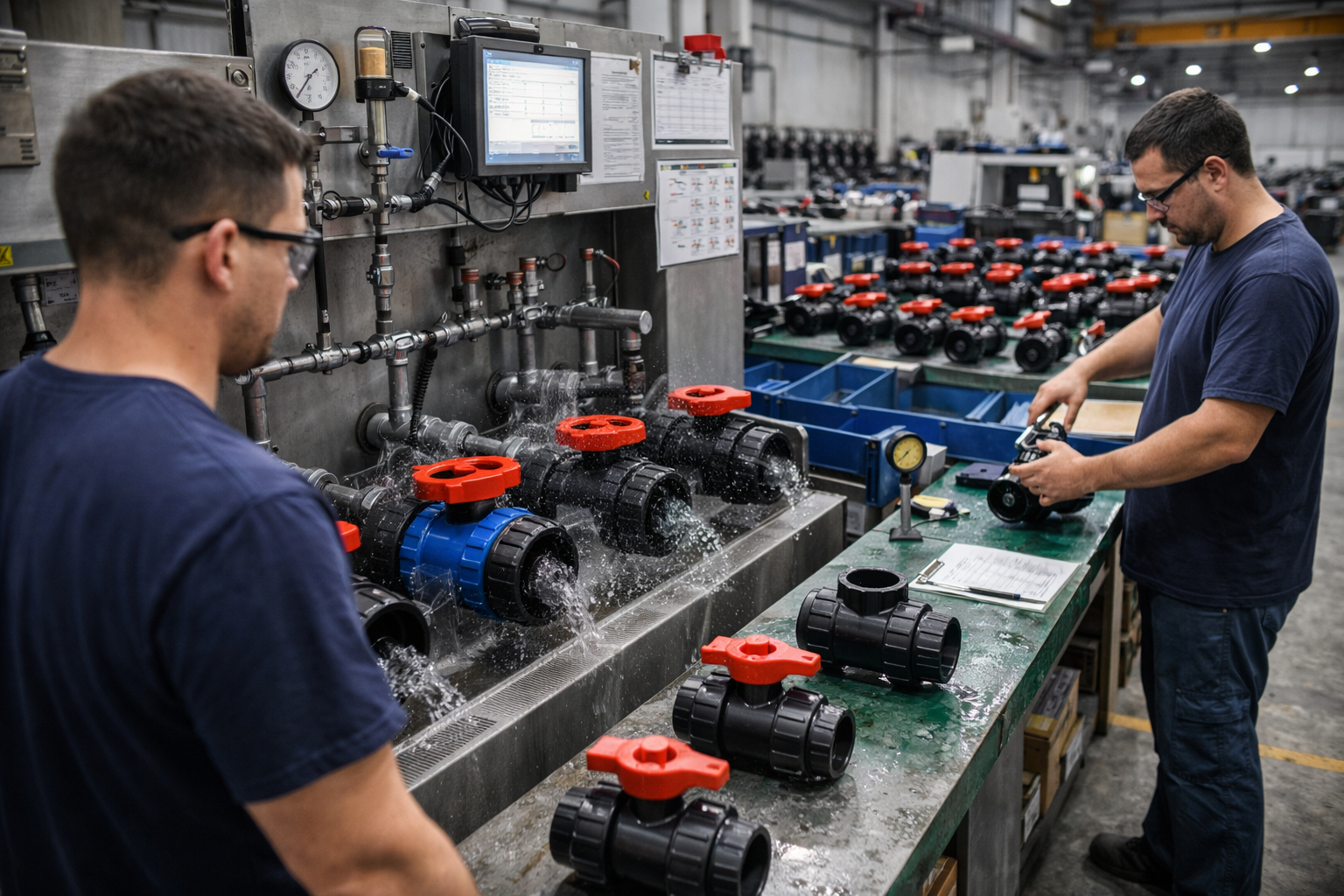
Conduct pressure testing, seal testing, and visual inspection on the swing check valve to ensure the product complies with relevant standards (such as DIN, ANSI, etc.) and customer requirements.
Step 6: Finishing, Packaging and Shipment
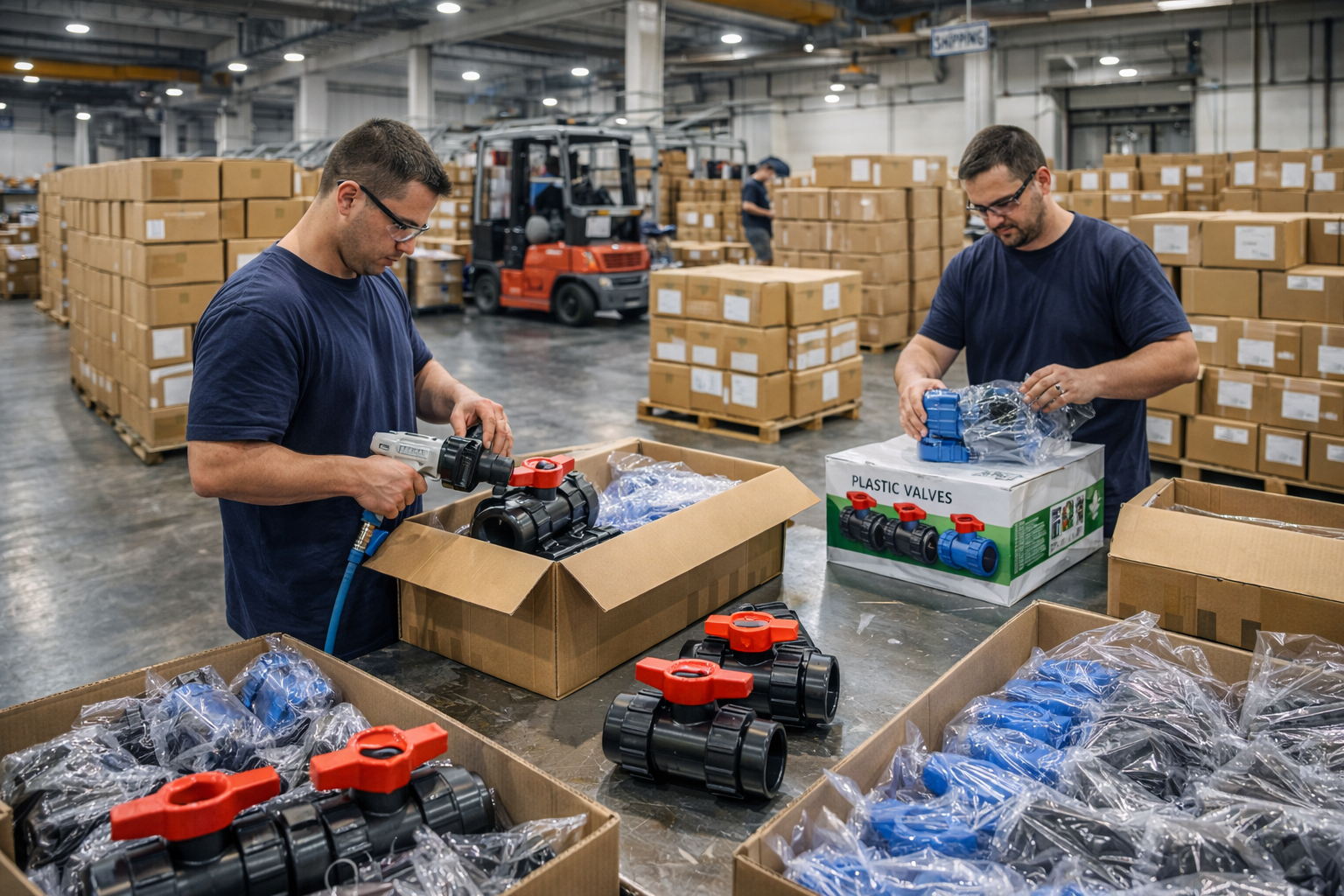
Clean and protect the products, label them with specifications and model numbers, package them for storage, and arrange for transportation and shipment.
Applications
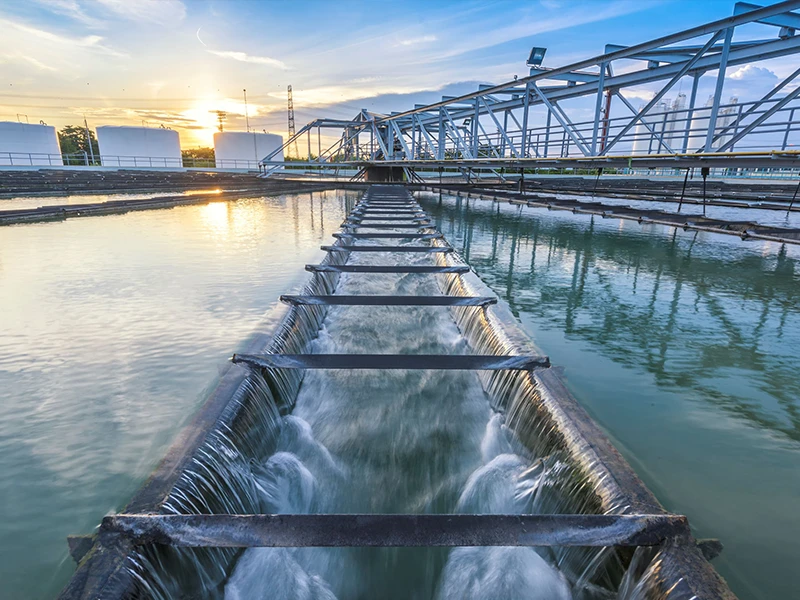
By selecting different materials, these products are suitable for a wide range of media, including water, steam, oils, nitric acid, acetic acid, strong oxidizing agents, and urea.
These valves are widely used in:
Agriculture and Irrigation
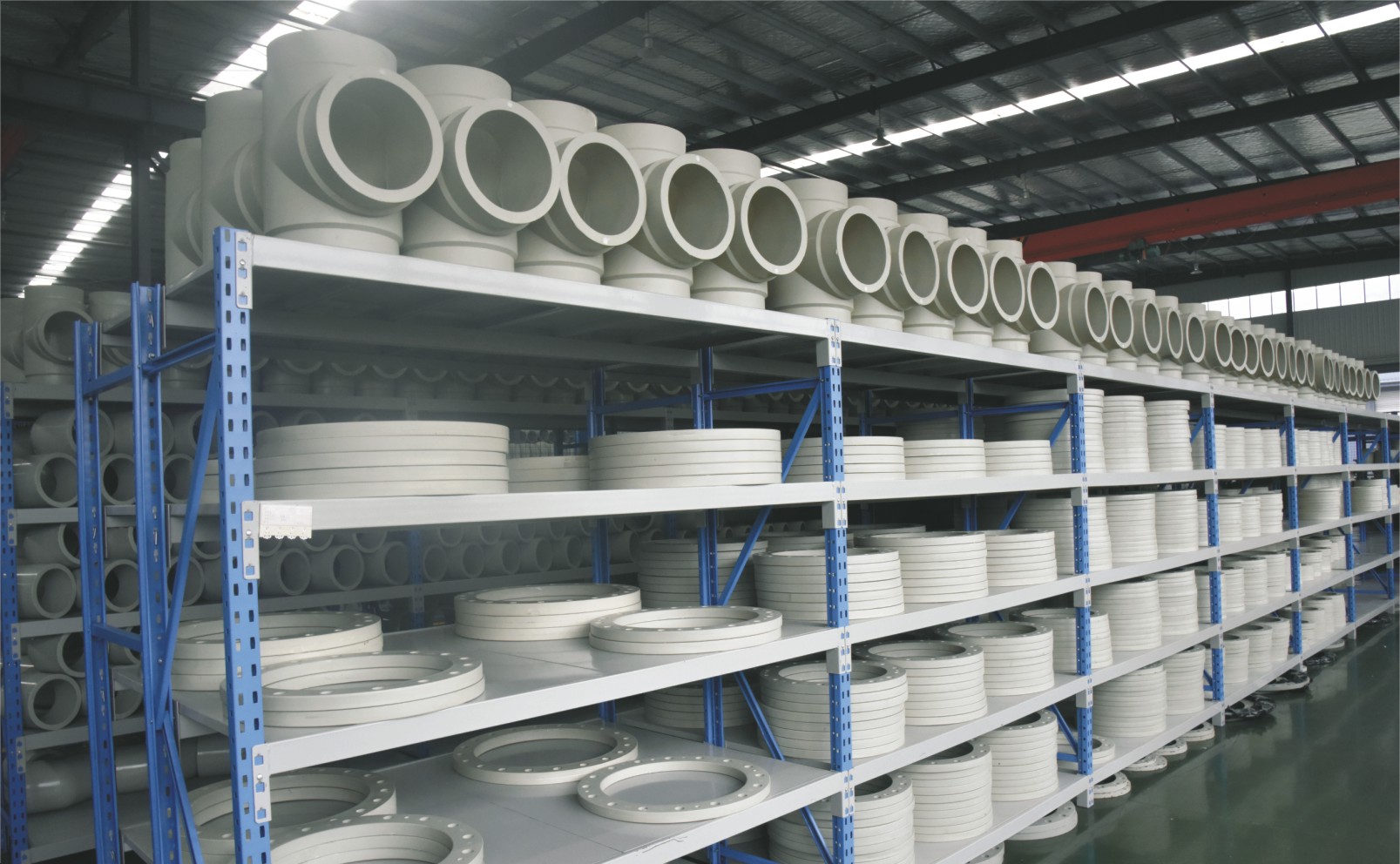
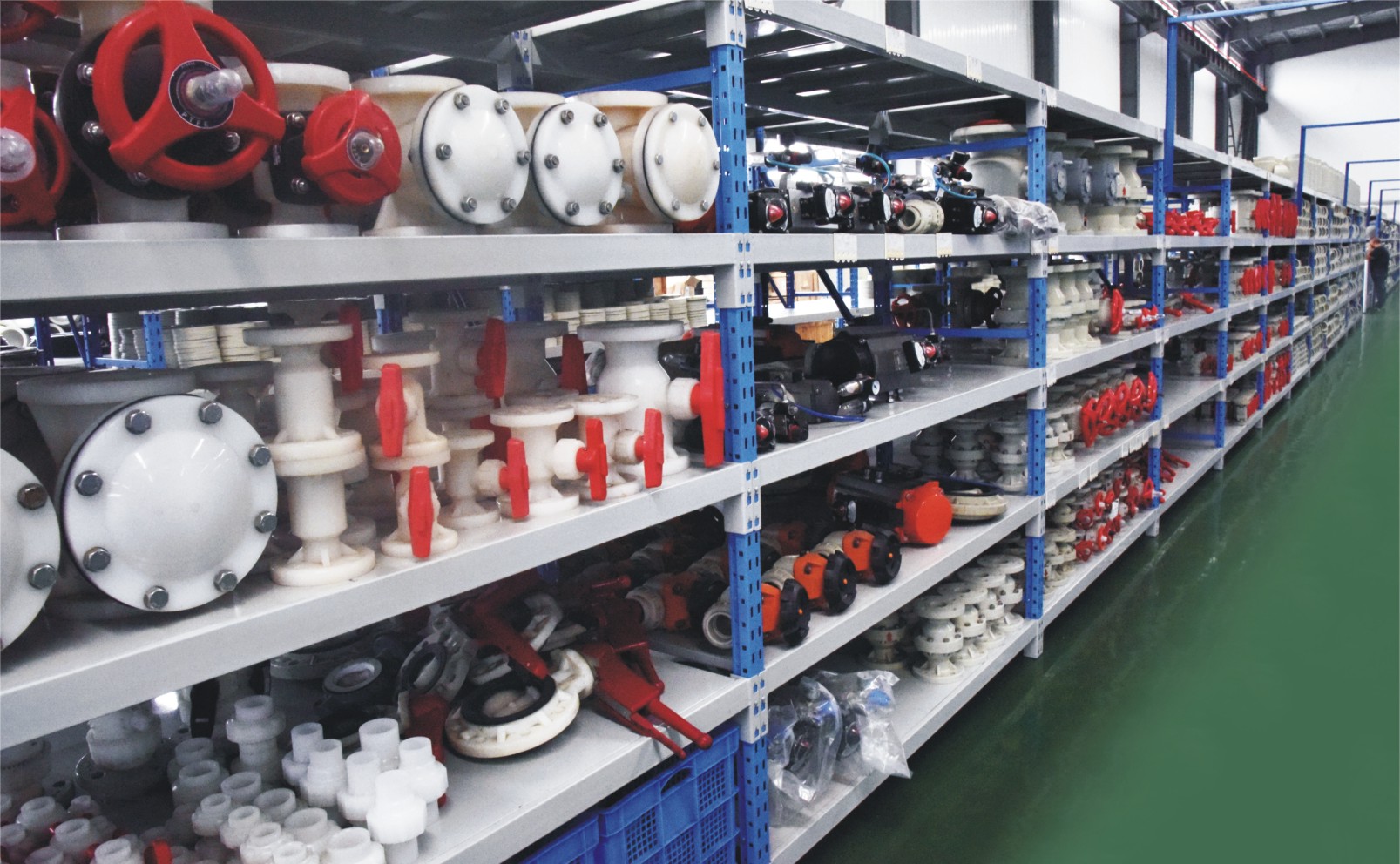
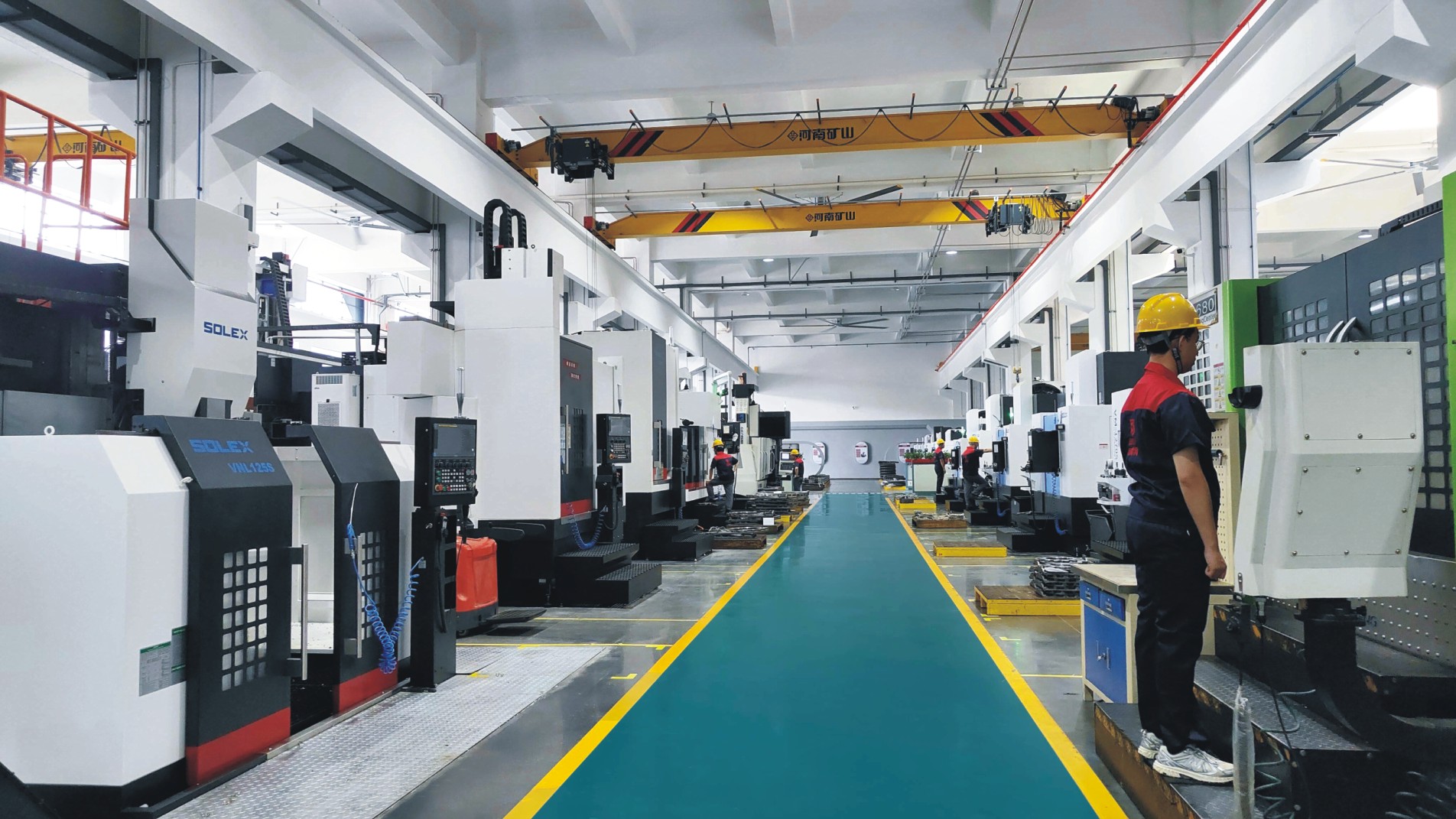
Factory Environment
Why Choose Us
Superior Quality
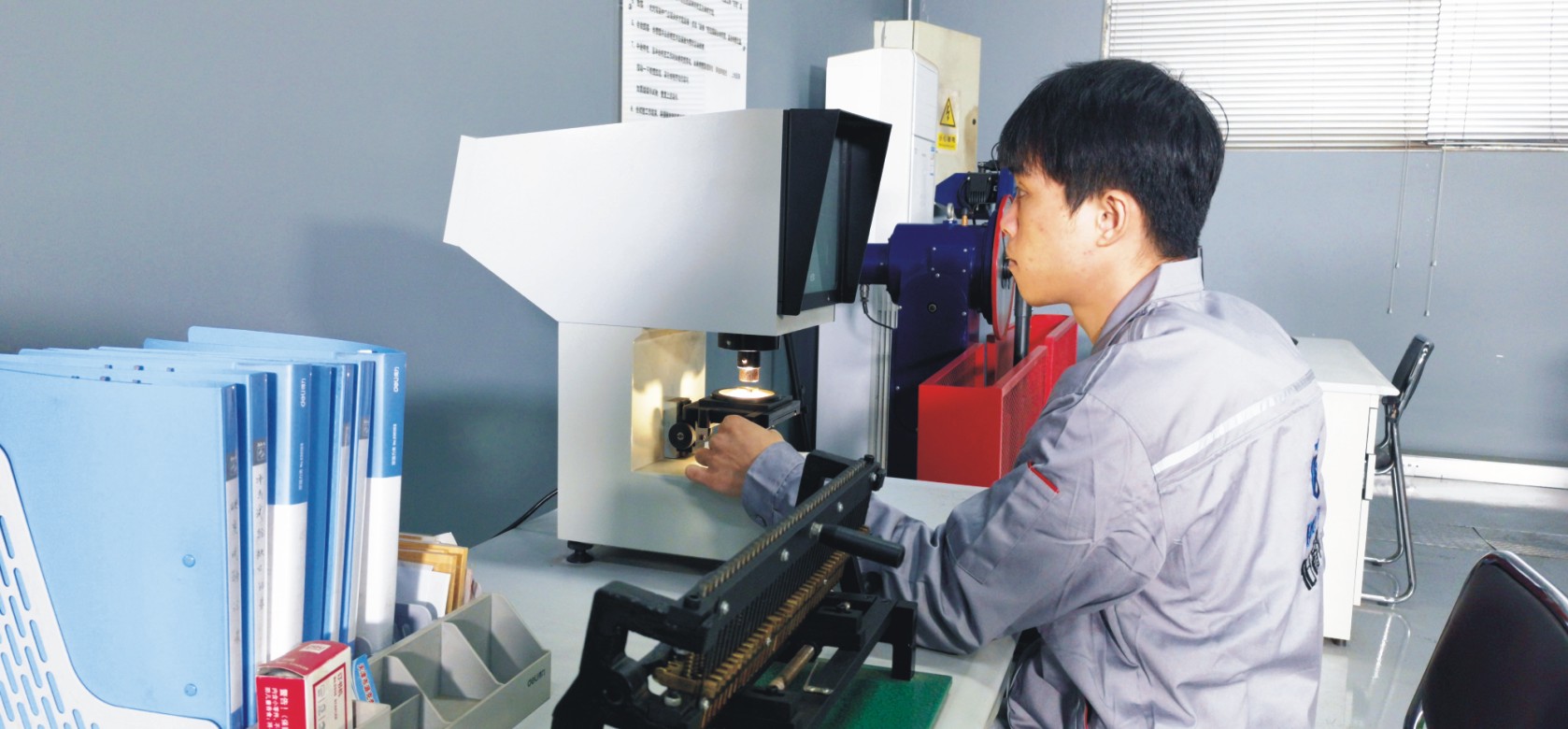
Our valves are produced from high-grade materials and subjected to strict quality inspections to guarantee dependable performance in challenging industrial environments.
Advanced Technology
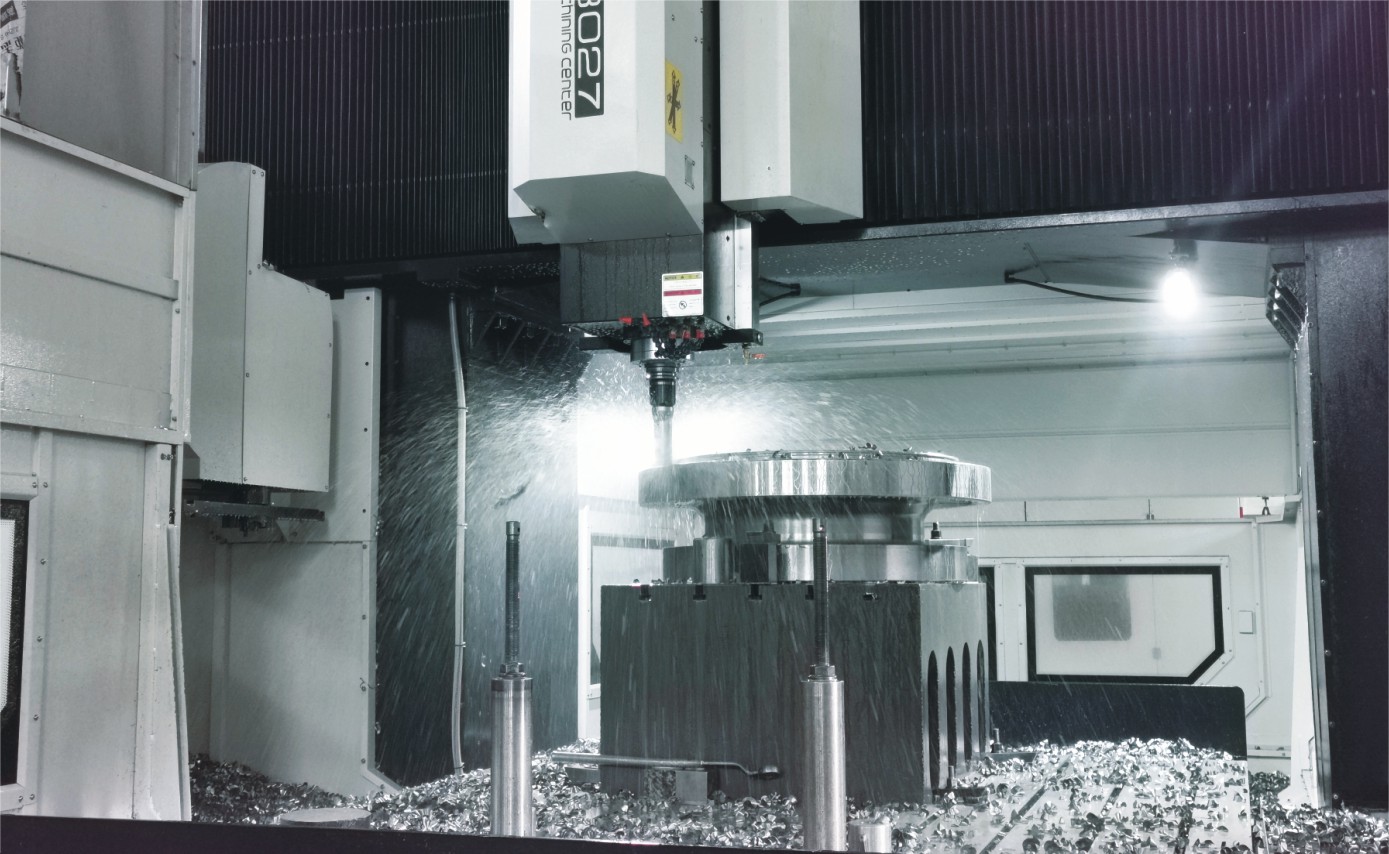
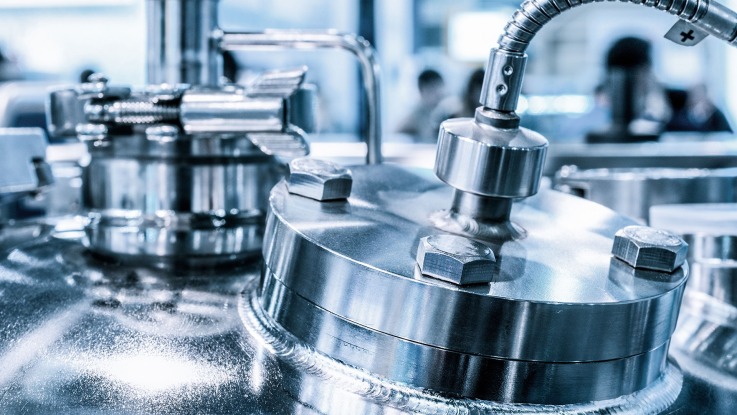
With cutting-edge CNC machining systems and high-precision manufacturing equipment, we ensure valves are made with outstanding accuracy and uniformity.
Competitive Pricing
By streamlining production processes and sourcing materials in bulk, we provide premium-quality valves at competitive prices while maintaining excellent standards.
Expert Support
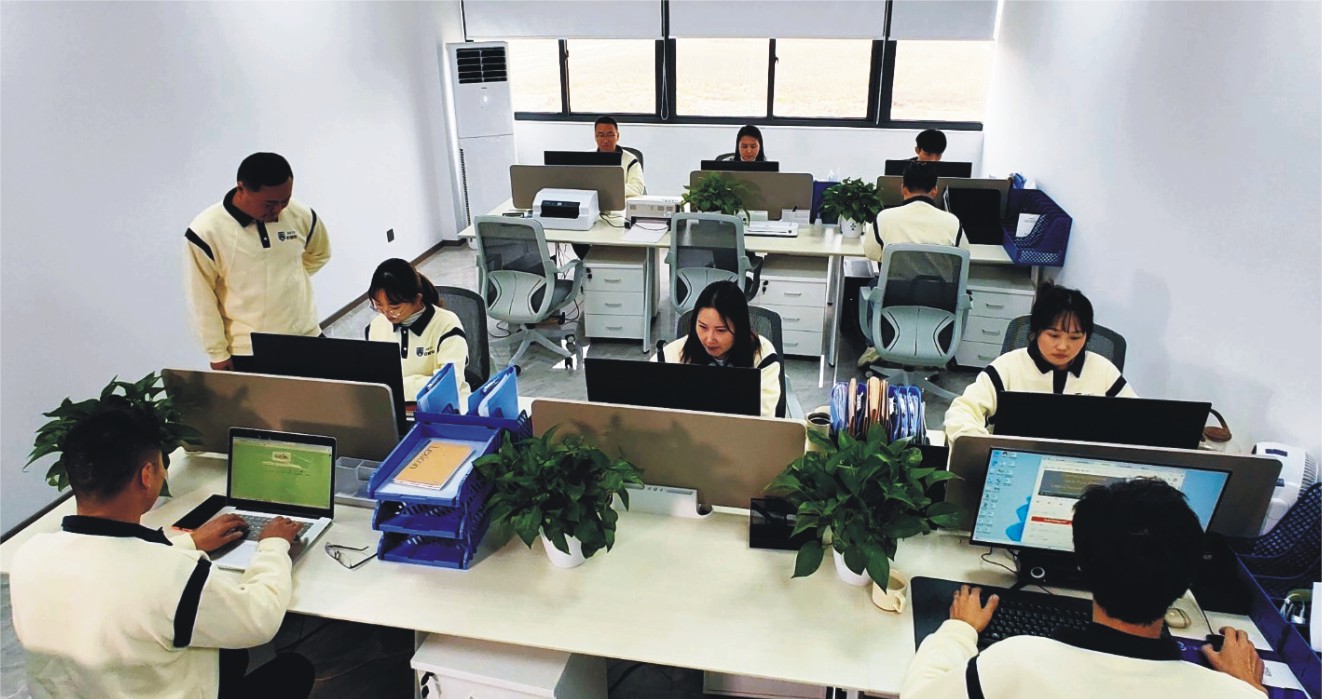
Our skilled technical team offers full support from product selection through after-sales service, helping ensure the best valve performance for your application.