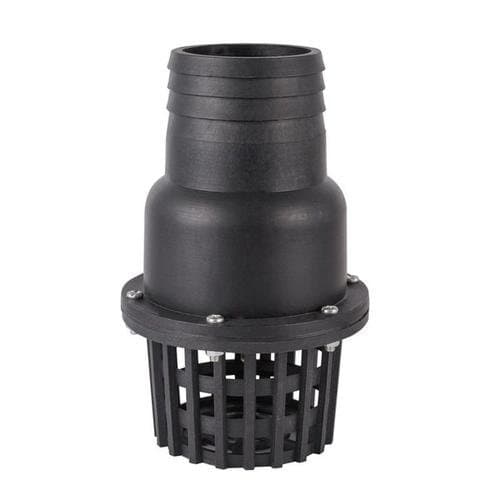
1. What is Socket Weld Check Valve?
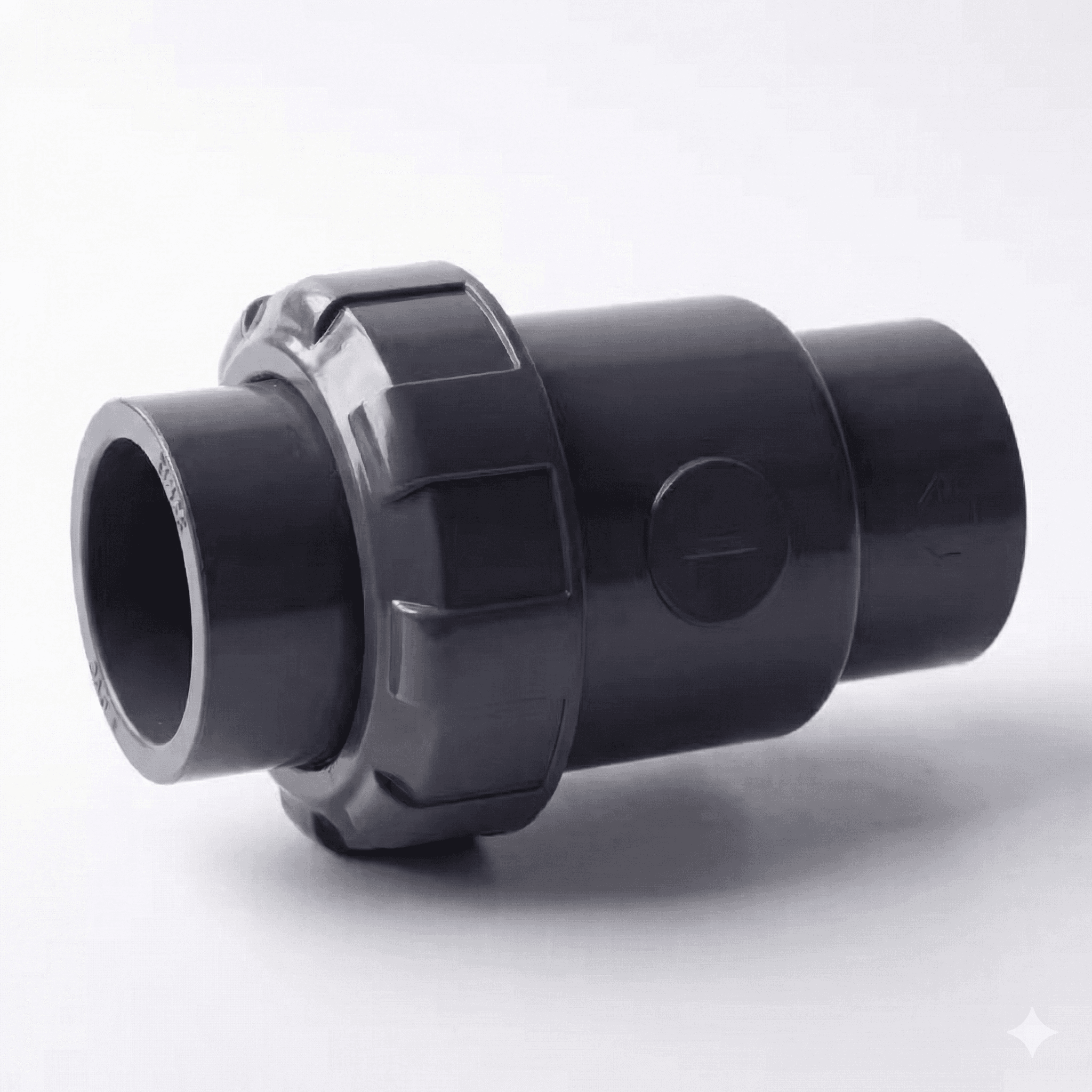
The socket-fused unidirectional flow controller is a high-performance piping component engineered for permanent, leak-proof integration into thermoplastic or small-bore fluid networks. This specialized unit features recessed female ends designed to receive pipes of the same outer diameter, which are then joined using solvent cement or thermal fusion techniques. This construction creates a seamless, monolithic bond that is significantly more resistant to vibration and thermal expansion than traditional threaded connections.
Primarily constructed from advanced industrial polymers like CPVC or PPH, this assembly functions as a critical safety device within a pipeline. Its primary purpose is to allow fluid passage in a single direction while automatically blocking any reverse migration. By eliminating bulky flanges and prone-to-leak threads, the socket weld design offers a compact footprint ideal for modular skids and high-purity chemical distribution systems where spatial efficiency and joint integrity are paramount.
2. Mechanical Principles and Fusion Functionality
The operational reliability of this fused-joint non-return assembly relies on a gravity-assisted or spring-loaded internal mechanism that responds instantaneously to pressure differentials. The internal process functions through three distinct stages:
- Forward Pressure Activation: When the upstream fluid pressure overcomes the cracking pressure of the internal disc or ball, the mechanism shifts into the open position. In socket-style units, the internal geometry is often precision-molded to ensure that the flow path remains as clear as possible, minimizing energy loss during high-velocity transmission.
- Stabilized Flow Path: Once open, the media passes through the central chamber. The lack of internal threads or complex mechanical fasteners in the flow path reduces the risk of turbulence and prevents the accumulation of residues. This is essential for maintaining the purity of the transported media in sensitive processing environments.
- Immediate Backflow Prevention: Upon the cessation of forward flow, the internal member—typically a sphere or a weighted flap—returns to the seat. The backward pressure of the fluid forces the member against a resilient gasket, creating a hermetic seal. This one-way mechanism protects pumps and sensitive dosing equipment from the damaging effects of hydraulic shock and reverse flow.
3. Material Standards and Sealing Varieties
To ensure technical compatibility with various industrial chemical profiles and thermal demands, these fusion-ready flow controllers are produced in several high-performance material configurations:
UPVC and CPVC Series: UPVC is the standard choice for general industrial water treatment within a 0 to 45 degrees Celsius range. For more aggressive environments, CPVC models handle corrosive acids and hot media at temperatures reaching up to 95 degrees Celsius, providing excellent mechanical strength and flame retardancy.
PPH and PVDF Series: PPH configurations are preferred for their high impact strength and chemical neutrality in alkaline services. For the most demanding high-purity or highly corrosive halogens, PVDF assemblies offer a broad operating range from -20 to 120 degrees Celsius and are immune to UV degradation.
Sealing Components: The internal shut-off is facilitated by high-quality elastomers. EPDM is used for standard utility water, while FPM (Viton) is selected for systems involving oils, fuels, or more aggressive chemical reagents to ensure long-term sealing reliability.
4. Technical Benefits of the Fused Connection
The implementation of a Socket Weld Check Valve provides several critical advantages for the lifecycle of a high-purity or high-pressure piping system:
Leak-Free Integrity: The solvent-welded or fusion-bonded joints eliminate the leak paths common in threaded systems, making these units ideal for transporting hazardous, toxic, or expensive chemicals.
Superior Flow Characteristics: The smooth internal transitions of the socket design reduce frictional losses compared to threaded alternatives, contributing to better overall system efficiency and lower pumping costs.
| Component | Example Materials | Performance Advantage |
|---|
| Main Housing | UPVC, CPVC, PPH | Corrosion-proof and fusion-ready |
| Closing Member | Weighted Ball or Disc | Fast response and reliable sealing |
| Sealing Seat | EPDM, FPM (Viton) | Resistance to a wide range of chemicals |
| Socket Ends | Precision-Molded Polymer | Easy alignment and high joint strength |
| Internal Spring | HC-276 or Stainless | Enhanced closure speed in any orientation |
5. Primary Industrial Applications
The reliability and compact nature of this fused non-return assembly make it a critical component across numerous specialized sectors:
- Semiconductor and Electronics: Employed in the distribution of high-purity water and specialized etching chemicals where thread-born contaminants must be strictly avoided.
- Pharmaceutical Manufacturing: Used in sterile piping systems where the smooth, crevice-free internal surface of the socket connection prevents bacterial growth and contamination.
- Chemical Dosing and Processing: Integrated into automated dosing skids for the transport and regulation of concentrated acids, alkalis, and reactive reagents.
- Water Desalination: Ideal for handling high-salinity water in compact filtration modules where metallic components would quickly deteriorate due to galvanic corrosion.