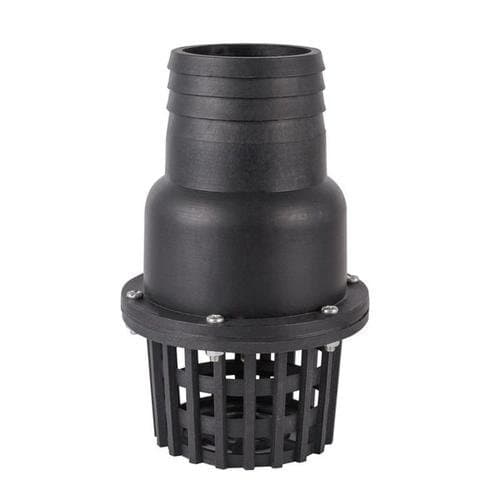
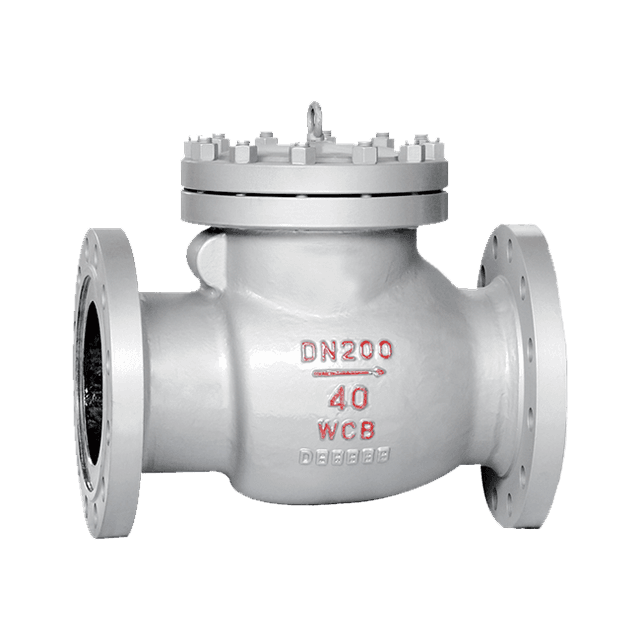
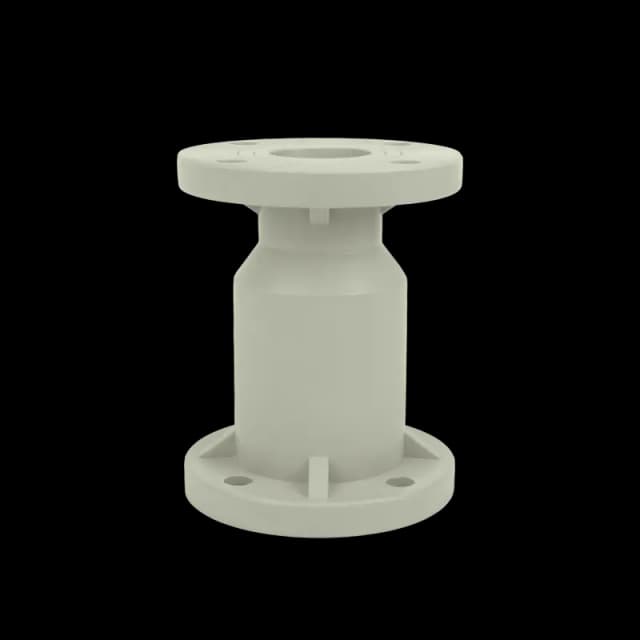
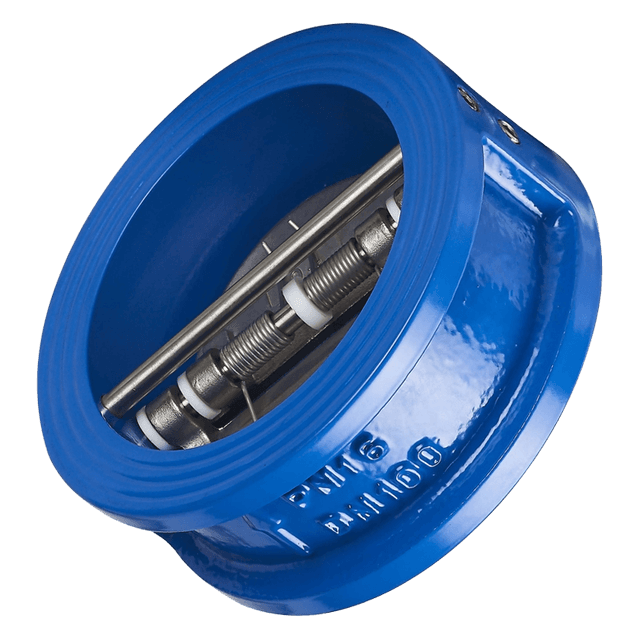
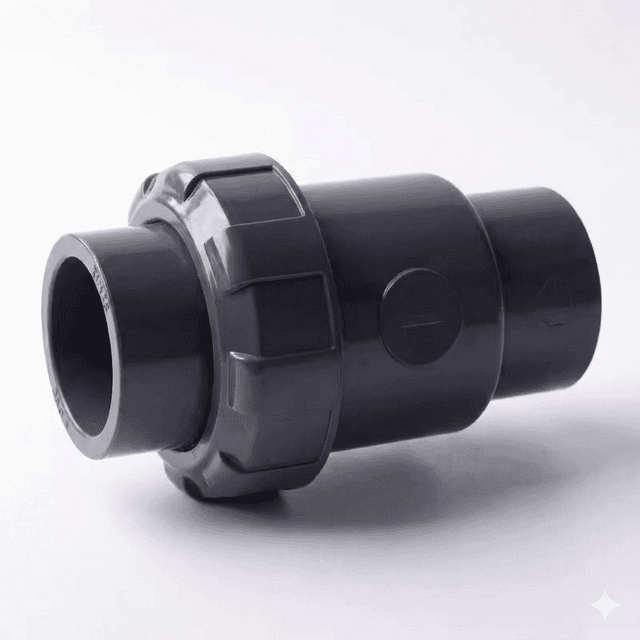
Bottom Valve is a non-return safety element that will close in the event of failure on an assembly (suction pipe) at its lowest point. Not only does it incorporate a unidirectional flow controller to allow unrestricted fluid delivery, but this valve also has the ability to shed skilled debris from contaminating and potentially damaging downstream equipment while keeping your suction line charged with fluid. The result is that no prime is lost, which means all pumps remain other than manual priming without delay. Particularly prized in applications handling corrosive fluids (where traditional metal assemblies would rapidly degrade)
Mechanical Principles and Functionality
The operational cycle of this fluid control device is governed by pressure differentials and gravity, functioning through a sequence of technical stages:
-
Suction Activation: When the pump starts, the suction force creates a pressure drop that lifts the internal piston or ball away from its seat. The unique global shaped core design is engineered to provide a clear flow path, minimizing turbulence even when the media contains small particles.
-
Filtration and Flow: As fluid enters, it passes through an integrated network mask or screen. This partition blocks suspended solids from entering the system, while the internal geometry ensures that the flow resistance remains minimal to maintain system efficiency.
-
Automatic Sealing: Upon pump shutdown, the internal member returns to its seated position via gravity or backpressure. The contact between the high-performance elastomer seal and the valve seat creates a hermetic barrier, preventing the liquid column from draining back into the reservoir.
Material Standards and Sealing Varieties
To meet the demands of various chemical processes, these assemblies are manufactured in a range of high-performance thermoplastic materials:
UPVC and CPVC Series: UPVC is suitable for industrial water treatment and general chemical applications between -10 and 70 degrees Celsius. CPVC offers enhanced thermal stability for acidic or oxidizing media at temperatures up to 95 degrees Celsius.
PPH and PVDF Series: PPH provides excellent impact strength and alkaline resistance for service up to 80 degrees Celsius. For the most aggressive environments involving high-purity chemicals or halogens, PVDF units operate reliably from -40 to 140 degrees Celsius.
Sealing Elements: High-quality EPDM or FPM (Viton) elastomers are utilized to ensure chemical compatibility and long-term sealing integrity across a wide range of industrial reagents.
Technical Benefits of Thermoplastic Designs
Implementing a Bottom Valve provides significant technical advantages over traditional metal alternatives, including superior corrosion resistance and a lightweight structure.
| Component | Standard Materials | Functional Advantage |
|---|
| Main Body | UPVC, CPVC, PPH, PVDF | Comprehensive corrosion resistance |
| Internal Ball / Piston | Global Shaped Core | Clog-resistant and low flow resistance |
| Filtration Mask | FRPP, PVDF, PPH | Integrated debris protection |
| Sealing Seat | EPDM, FPM | Hermetic backflow prevention |
| Connection Type | Flanged or Socket / Union | Flexible and leak-proof integration |
Primary Industrial Applications
These versatile units are a vital part of the most difficult industries, where joint integrity and corrosion resistance are essential:
-
Chemical Processing and Chlor-alkali: Handling corrosive acids, alkalis, and salts in large-scale distribution networks.
-
Lithium Battery and Copper Foil Production: Electrolyte Quickly navigate integrated fluidics for the electrolyte, as well as stringent control of specialized fluids in high-precision manufacturing processes.
-
Pharmaceutical and food industry: "Due to the use of ultra-pure PVDF materials, media contamination can be avoided in sterile piping systems."
-
High-Pressure Pumps in Saline or Waste-water Environments (Water Treatment, Desalination): Save water treatment plants and desalinization equipment from costly damage_driven by harmful debris in intake.