1. What is PVDF Pipe?
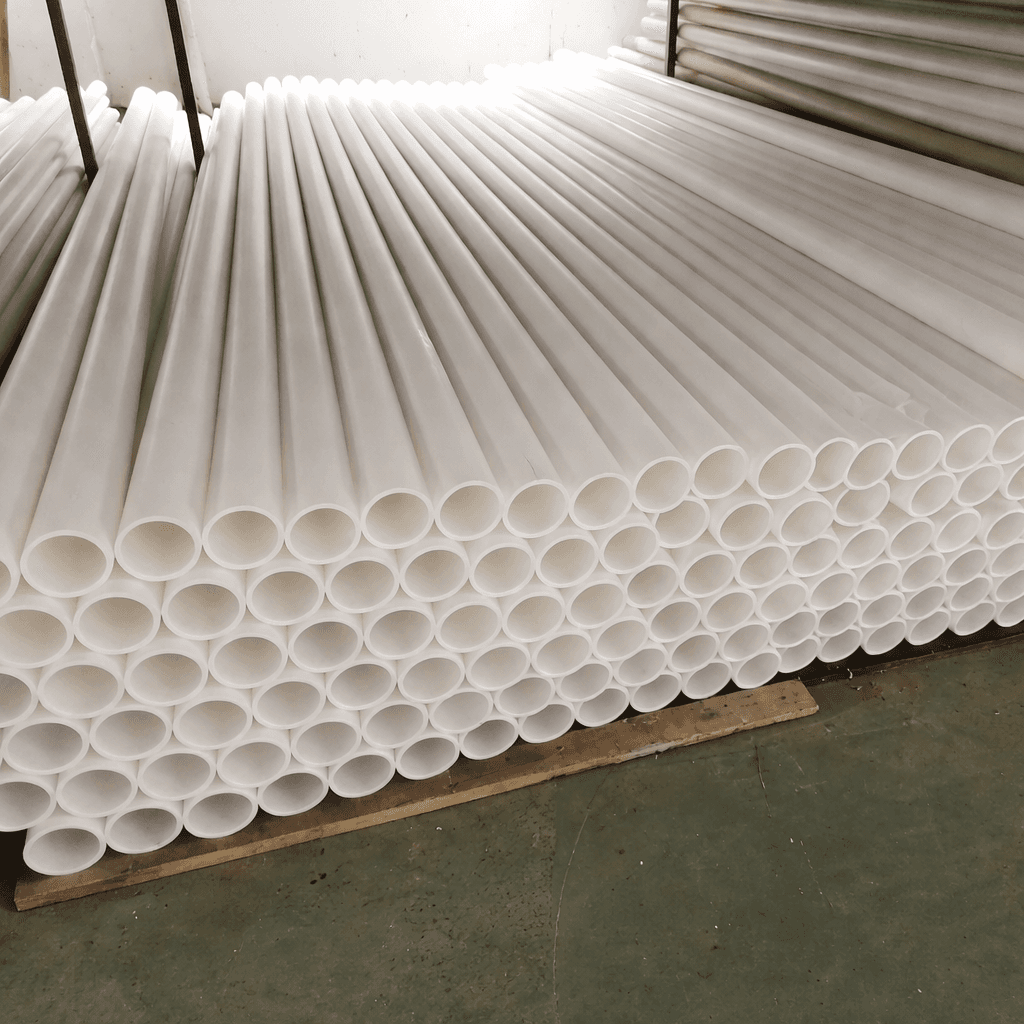
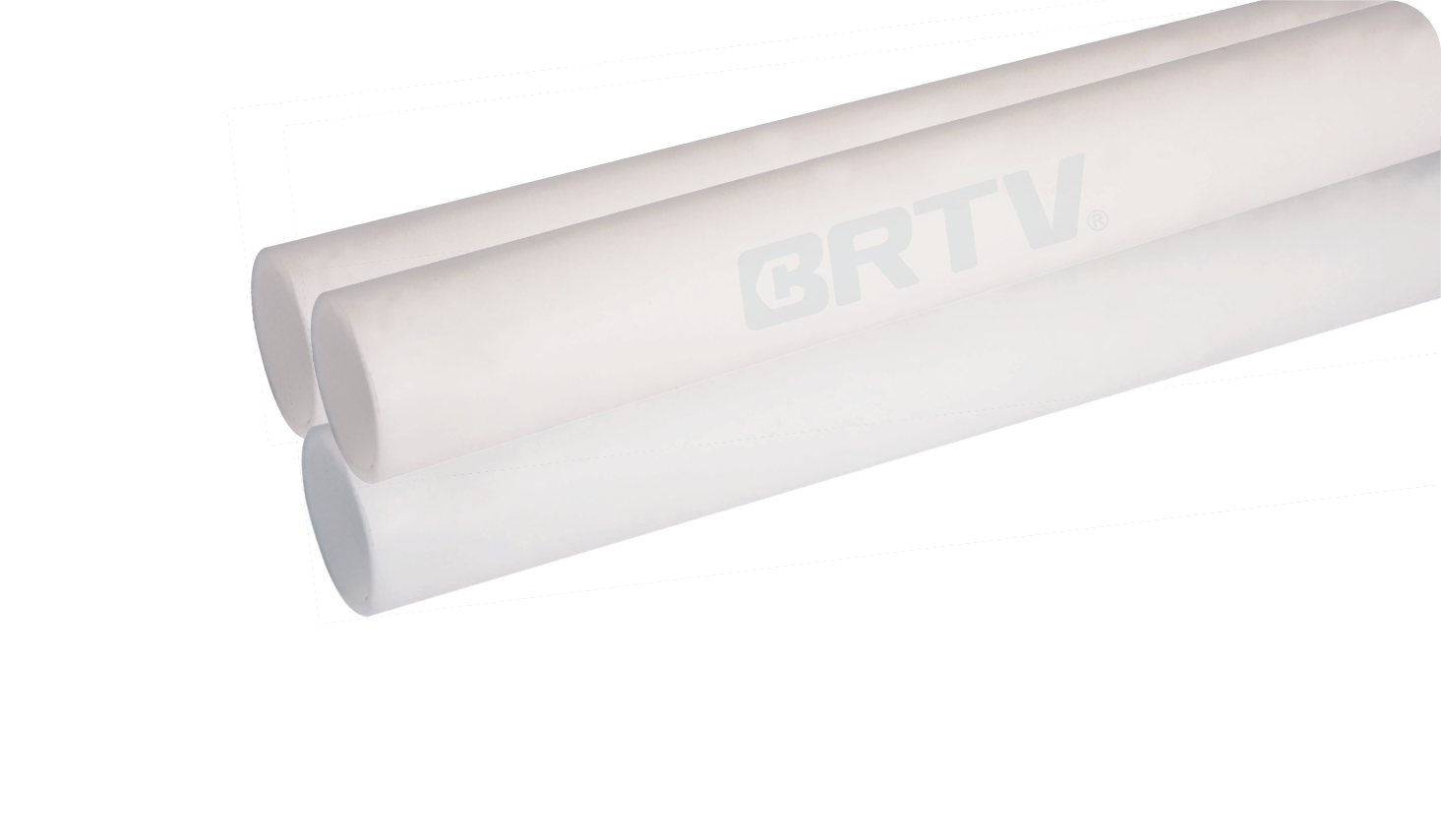
PIPEPVC PipePVDF (Polyvinylidene Fluoride)pipe is a compound of top-execution thermoplastic pipe that can meet the necessities and conditions forintense mechanical nature. A thermoplastic fluropolivinilideno polymer is an example of one such lowly reactive material that we receive via nucleophilic/vinylic radical chain prolocessing with chemical modification. Especially those applications that demands with highest purity and against from solvents, acids or bases. When conducting a formal review of the data, Brandon understood that unlike standard polymers this equipment would not break down and always hold its shape in ultra-extreme thermal conditions or 98% acid concentration.
The piping system is a key part of cutting-edge fluid infrastructure, and therefore must be produced in accordance with broad international manufacturing specifications (DIN-ANSI-JIS). The structure of the material gives it high mechanical strength and chemical inertness at the same time. Given its natural resistance to both UV and nuclear radiation, it is the optimal option for external deployments and specific high-tech installations. With the capability to work with fluid temperatures of between -40 and 140 degrees Celsius, it is suitable for inclusion in process loops that would normally destroy plastics or traditional metal conduits.
2. Thermal Fusion and Operating Mechanisms
The operational efficiency of a PVDF Pipe system is centered on its specialized joining techniques and its exceptional molecular stability. These mechanisms ensure a leak-proof and high-purity environment for sensitive industrial processes.
- Inertia and molecular stability: The bonds between the carbon atoms of the molecule are cross-linked with fluorine making it nearly one of hardest set in chemistry. This gives the pipe a natural ability to resist most organic and inorganic compounds. In use, the material does not leach particles to contaminate the fluid stream hence preferred for ultra-pure water (UPW) systems and semiconductor manufacturing.
- Thermal Fusion Integrity:An advanced thermal fusion system mainly butt and socket fusions on the other side 100% leak-proof piping network. At the melting point of this material, when it is melted and pressure-controlled to form a bond in which polymer chains are allowed to interdiffuse across the interface. As the joint cools, it forms a single monolithic structure with mechanical properties equal to those of the pipe itself.
- High Fluid density: The pipe has a high deflection temperature for heat, enabling its surface to remain more even inside at 140 degrees Celsius. This eliminates the pressure drops and turbulence that can occur due to friction in less stable materials. This is for a consistent flow subscription: the smooth bore reduces biofilm-build-up and particle entrapment, ensuring repeatable quality of effluent.
- Pressure and Vacuum Resistant: The stiffness of the piping makes it suitable for very high internal pressures and vacuum service. This is especially critical in chemical suction lines and high pressure delivery systems where wall collapse or bursting could result into hazardous spill.
3. Material Classification and Specifications
To meet the precise demands of high-tech industries, these units are available in specific grades and technical configurations:
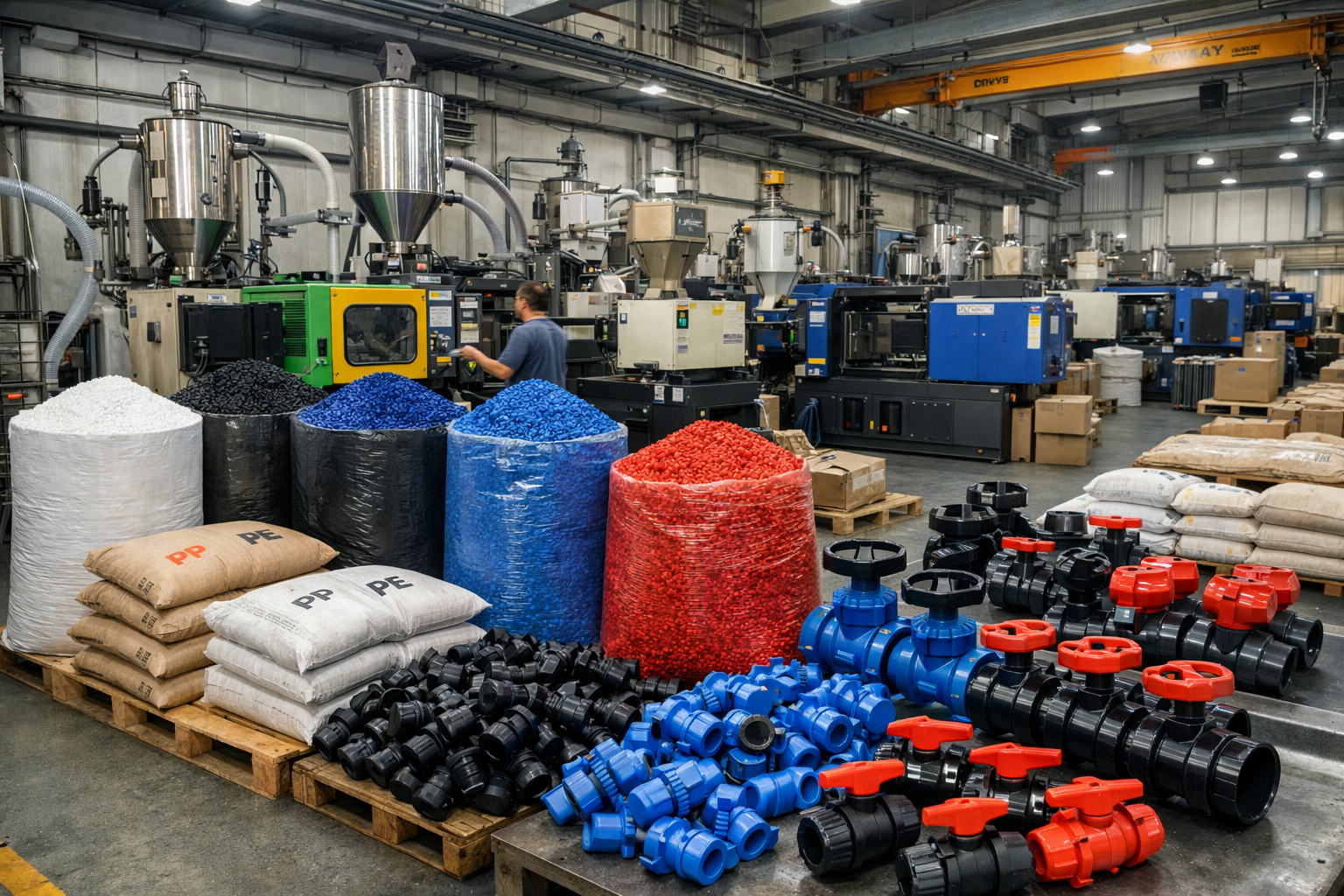
- High-Purity Resin Series: The pipes are fabricated from 100% virgin PVDF resin without the addition of pigments or stabilizers. This ensures the highest level of chemical compatibility. For lithium battery manufacturing, this material is selected for its ability to transport electrolytes without any risk of metal ion contamination or polymer degradation.
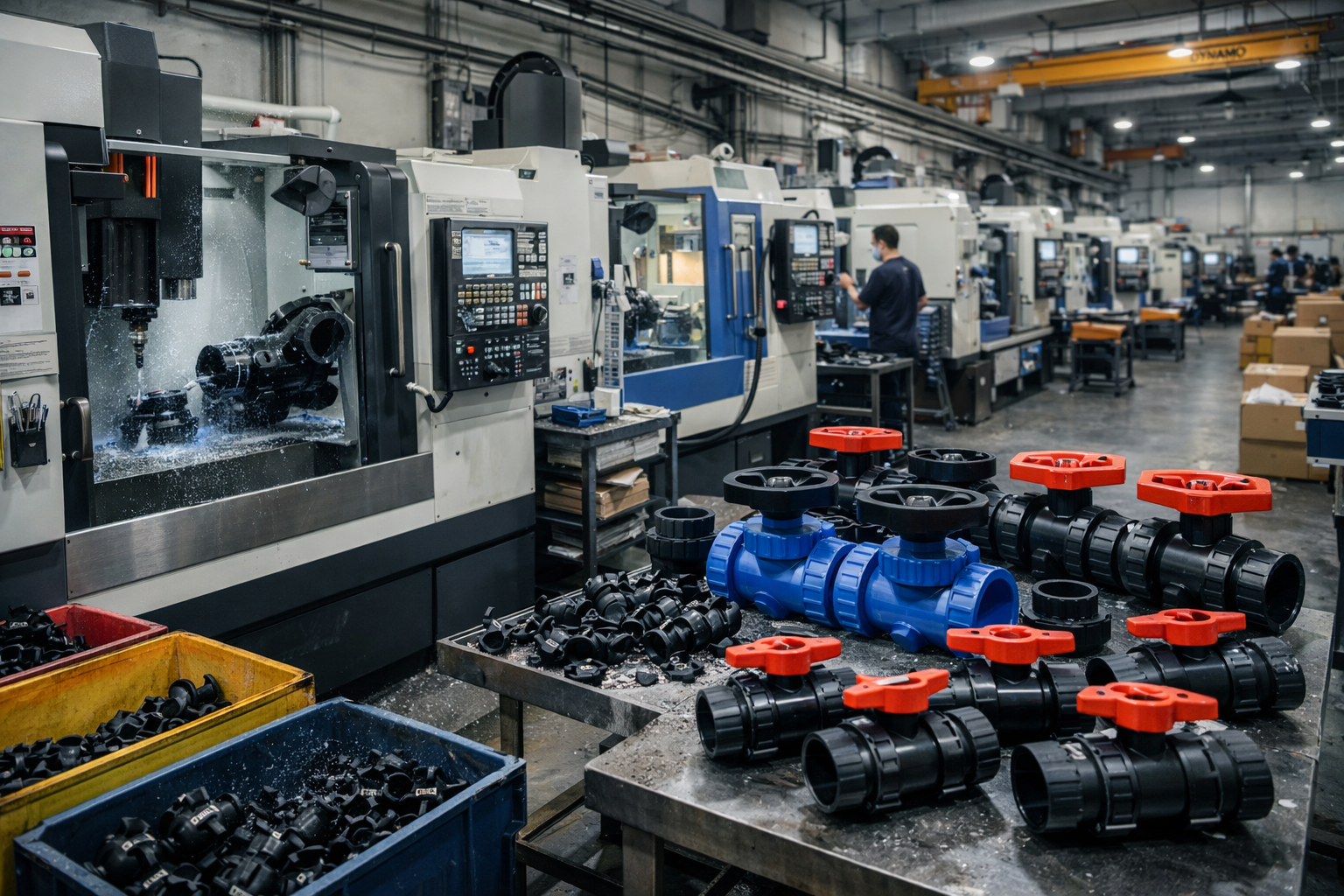
- Pressure Ratings and Standards: These units are primarily designed with pressure ratings such as PN10 or PN16. They are available in a comprehensive range of dimensions, from small instrumentation tubing to large-scale industrial mains. The manufacturing process ensures wall thickness uniformity, which is critical for maintaining safety factors in high-pressure loops.
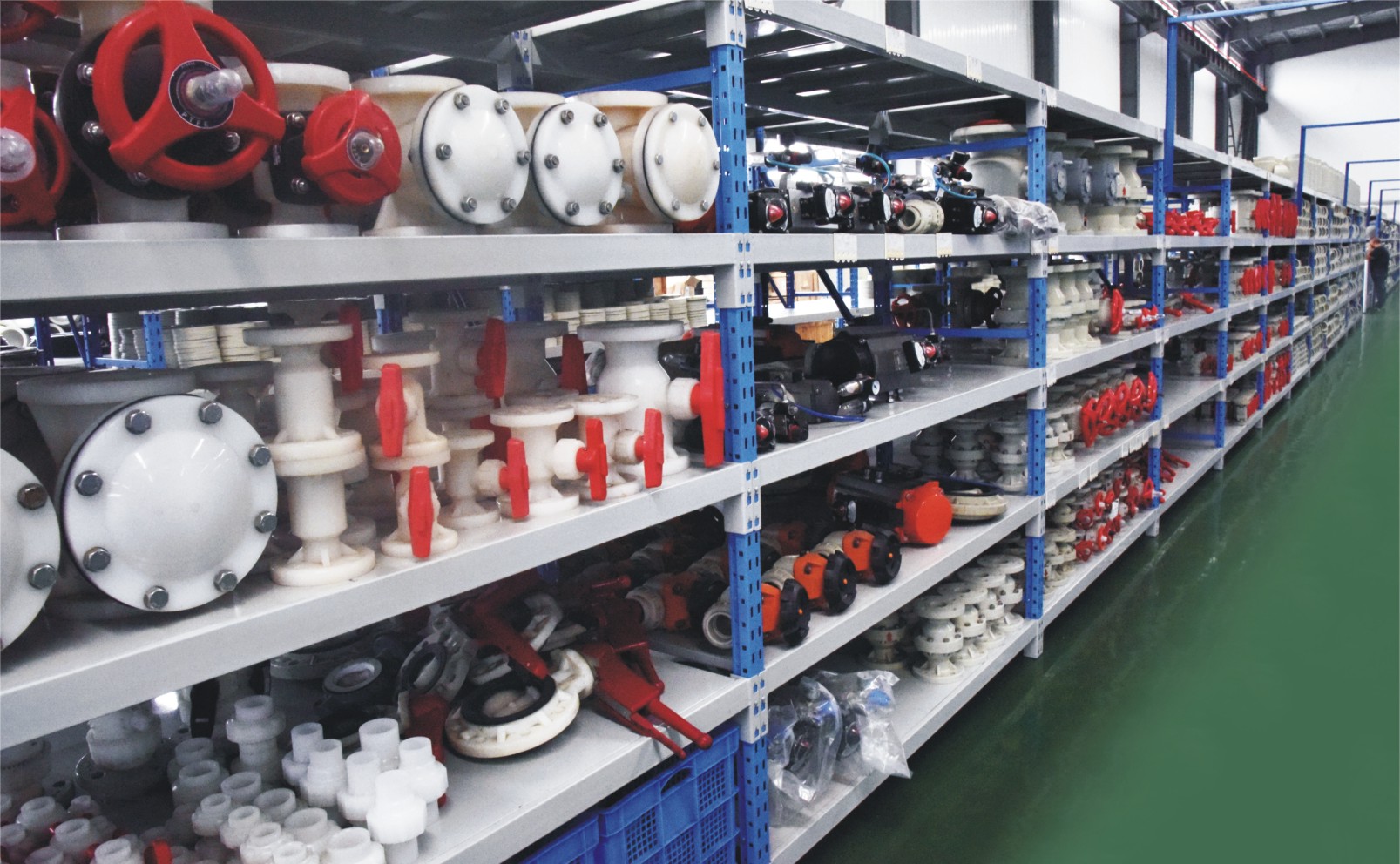
- Compatibility with Sealing Systems: In systems where valves are integrated with the piping, the choice of sealing material is paramount. FPM (Viton) or PTFE-lined seals are typically used in conjunction with these pipes to match the chemical resistance of the pipe body, ensuring a completely hermetic and corrosion-resistant fluid network.
4. Core Advantages of the PVDF System
The implementation of a high-performance fluoropolymer piping system provides several technical benefits that enhance the operational safety and longevity of a facility.
- High chemical resistance: Equipment is not damaged by most strong acids (sulfuric, hydrochloric) or halogens chlorine and bromine. This eliminate the scarring and scaling problems associated with stainless steel or other polymers.
- High Temperature Durability: Can be used at temperatures up to 140°C without losing its properties, making it one of the best forms of heat resistant plastic pipes. This reduces the frequency of replacement required for Ag, Ni pipes in hot acid circulation systems.
- UV and Radiation Resistance: The material does not decompose when it is exposed to sunlight, either directly or with few exceptions high energy radiation. This makes the material an ideal solution for low maintenance applications such as outdoor chemical storage or nuclear applications, without added protective coatings.
- High Mechanical Strength: Despite being a polymer, it possesses high tensile strength and impact resistance. This allows it to withstand mechanical stresses during installation and operation in busy industrial environments.
| Component Name | Material Configuration | Performance Advantage |
|---|
| Main Pipe Body | 100% Virgin PVDF Resin | Maximum chemical resistance and thermal stability |
| Internal Surface | High-Purity Smooth Bore | Prevents contamination and minimizes flow resistance |
| Joining System | Butt Fusion / Socket Fusion | Creates permanent, leak-proof homogenous joints |
| Support System | High-Performance Hangers | Manages thermal expansion in high-temp loops |
| Connection Hardware | PVDF Flanges / FPM Seals | Ensures zero-leakage at critical interface points |
5. Industrial Applications
PVDF Pipe is an essential tool across high-end sectors that require the highest safety and purity standards:
- Semiconductor and Electronics: Essential for the distribution of ultra-pure water and highly corrosive etching chemicals. The material ensures that no ions or particles are introduced into the sensitive manufacturing environment.
- Lithium Battery Production: Vital for handling the aggressive electrolytes and acids used in battery cell assembly. Its high purity prevents contamination that could compromise battery performance or safety.
- Chemical Processing and Bromine Production: Used in the transport of halogens and hot concentrated acids where other materials would fail within weeks. Its durability in these environments leads to significantly lower downtime.
- Pharmaceutical and Biotech: The material's resistance to ozone and hot steam sterilization makes it perfect for purified water systems and reactor feed lines that require frequent sanitation.