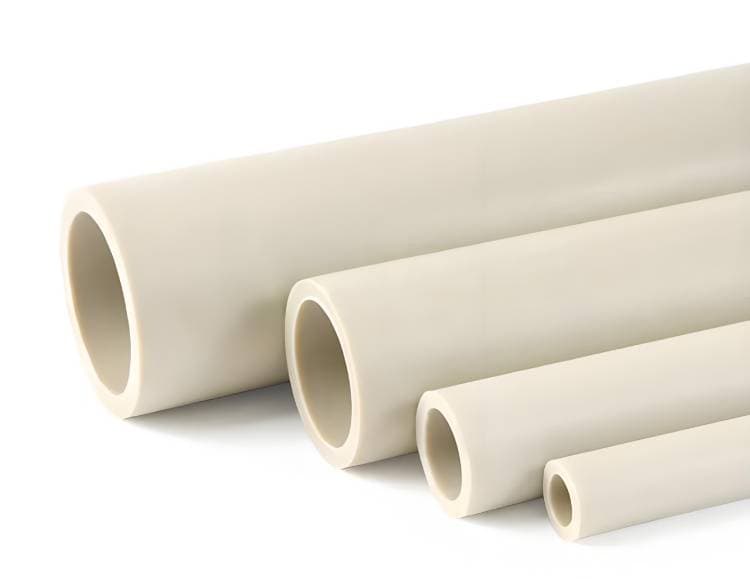
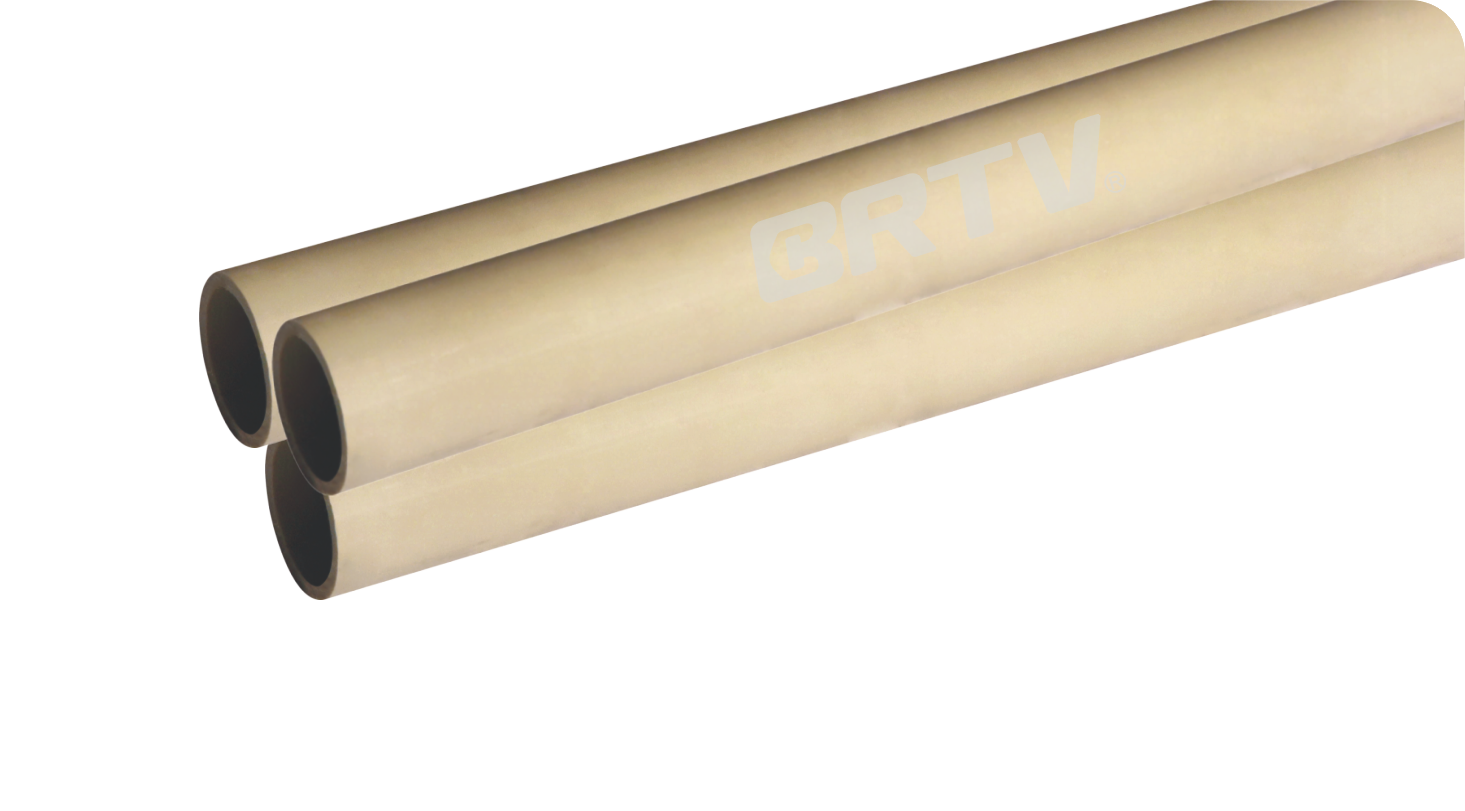
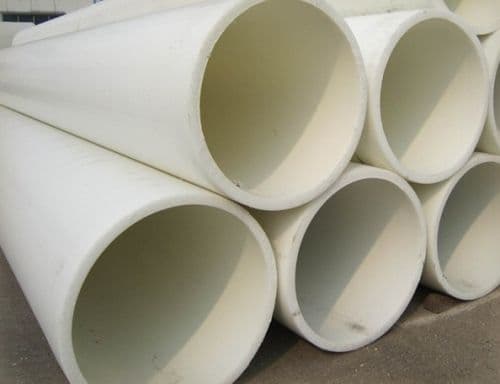
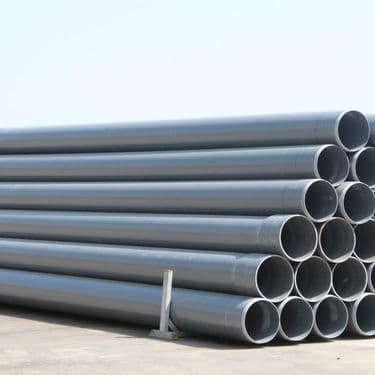
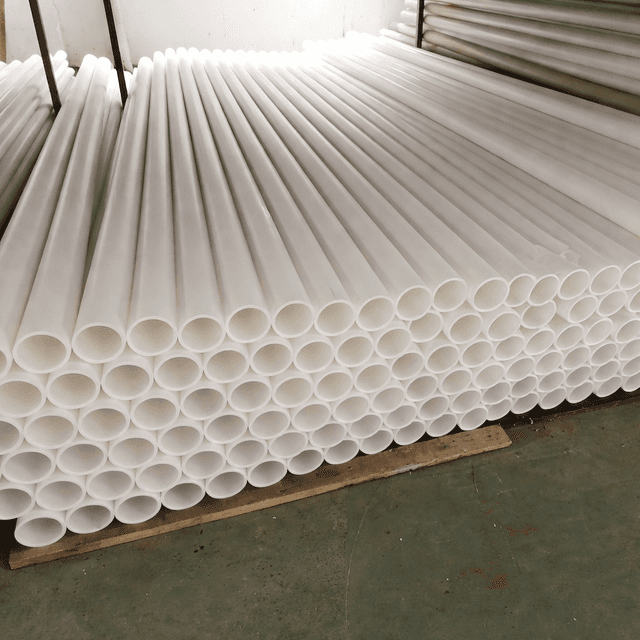
PPH Pipe Dimension Table
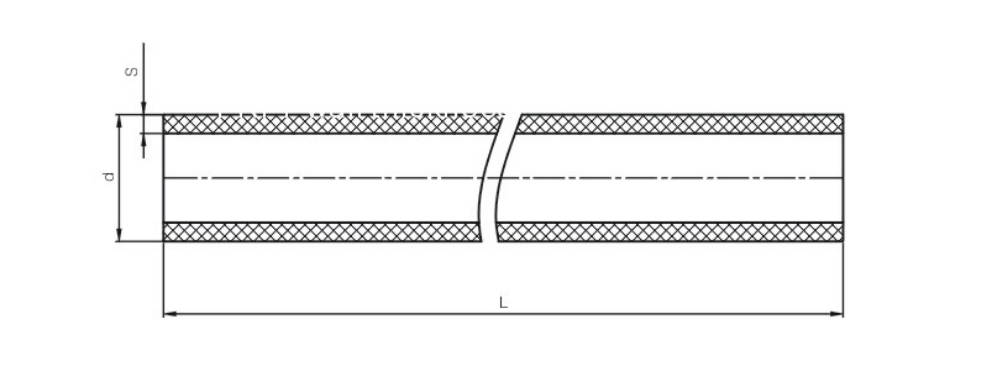
| DN (mm) | Outer Diameter (mm) | FRPP Thickness (0.4 MPa) | FRPP Thickness (0.6 MPa) | FRPP Thickness (1.0 MPa) | PPH Thickness (0.6 MPa / S3.3) | PPH Thickness (1.0 MPa / S5) | Fiberglass Layer (mm) |
|---|
| 15 | 20 | — | — | 2.0 | — | 2.0 | 3 |
| 20 | 25 | — | — | 2.1 | — | 2.3 | 3 |
| 25 | 32 | — | — | 2.7 | — | 2.9 | 3 |
| 32 | 40 | — | — | 3.4 | — | 3.7 | 3 |
| 40 | 50 | — | — | 4.2 | — | 4.6 | 3 |
| 50 | 65 | — | — | 5.2 | — | 5.8 | 3 |
| 65 | 80 | — | — | 6.2 | — | 6.8 | 3 |
| 80 | 90 | — | — | 7.5 | — | 8.2 | 3 |
| 100 | 110 | — | 5.7 | 9.1 | — | 10.0 | 3 |
| 125 | 140 | — | 7.2 | 11.6 | — | 12.7 | 3 |
| 150 | 160 | — | 8.3 | 13.3 | — | 14.6 | 3 |
| 200 | 225 | 7.9 | 11.6 | 18.7 | 12.8 | 20.5 | 3 |
| 250 | 280 | 9.9 | 14.4 | — | 15.9 | 25.4 | 4 |
| 300 | 315 | 11.1 | 16.2 | — | 17.9 | 28.6 | 4 |
| 350 | 355 | 12.5 | 18.3 | — | 20.1 | 32.2 | 4 |
| 400 | 400 | 14.1 | 20.6 | — | 22.7 | 36.3 | 5 |
Note: FRPP and PPH are generally supplied in lengths of 5 meters per piece.
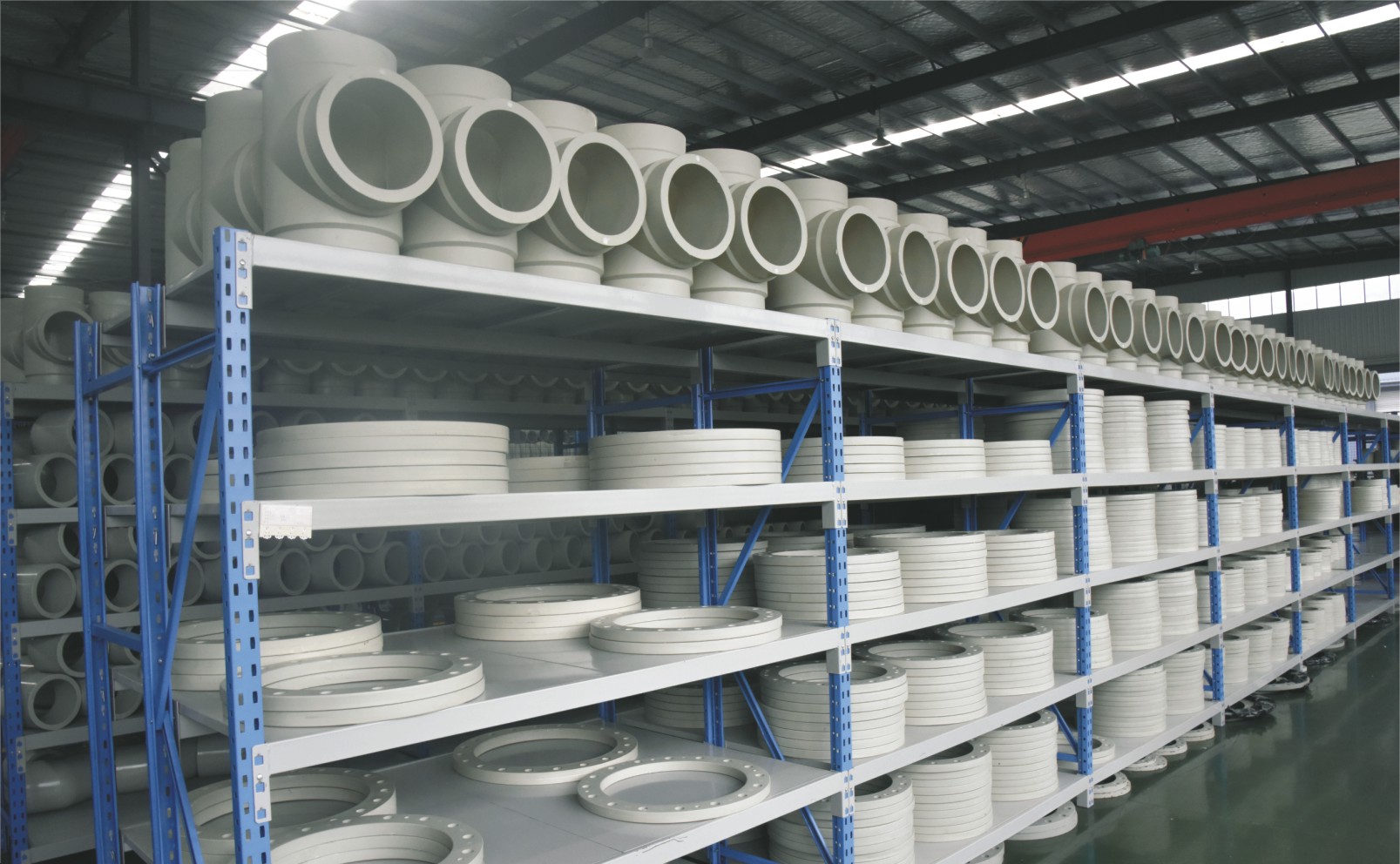
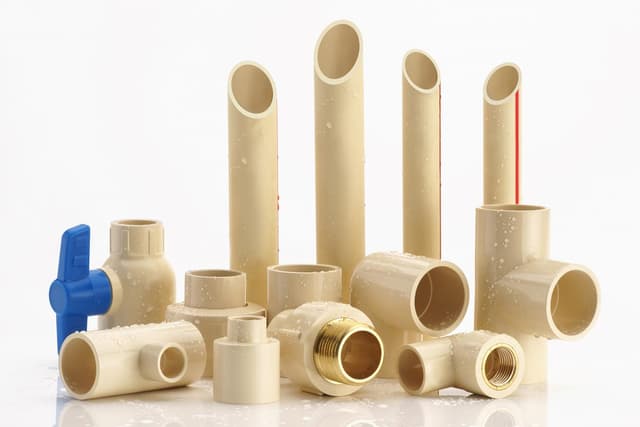
PPH List of Hot-melt Welded Fittings
| DN | 90° Elbow | Coupling | Tee | 45° Elbow | Flange | Lined Steel Flange | End Cap | Union | Cross | Male Coupling | Y Tee |
|---|
| DN15 | ○ | ○ | ○ | ○ | ○ | — | ○ | ○ | — | — | — |
| DN20 | ○ | ○ | ○ | ○ | ○ | — | ○ | ○ | — | — | — |
| DN25 | ○ | ○ | ○ | ○ | ○ | ○ | ○ | ○ | — | ○ | — |
| DN32 | ○ | ○ | ○ | ○ | ○ | ○ | ○ | ○ | — | ○ | — |
| DN40 | ○ | ○ | ○ | ○ | ○ | ○ | ○ | ○ | — | ○ | — |
| DN50 | ○ | ○ | ○ | ○ | ○ | ○ | ○ | ○ | ○ | ○ | ○ |
| DN65 | ○ | ○ | ○ | ○ | ○ | ○ | ○ | ○ | ○ | ○ | — |
| DN80 | ○ | ○ | ○ | ○ | ○ | ○ | ○ | ○ | ○ | ○ | — |
| DN100 | ○ | ○ | ○ | ○ | ○ | ○ | ○ | ○ | ○ | ○ | — |
PPH List of Butt Welded Fittings
| DN | 90° Elbow | Tee | 45° Elbow | Flange | Lined Steel Flange |
|---|
| DN50 | ○ | ○ | — | ○ | — |
| DN65 | ○ | ○ | — | ○ | — |
| DN80 | ○ | ○ | — | ○ | — |
| DN100 | ○ | ○ | — | ○ | — |
| DN125 | ○ | ○ | ○ | ○ | ○ |
| DN150 | ○ | ○ | ○ | ○ | ○ |
| DN200 | ○ | ○ | ○ | ○ | ○ |
| DN250 | ○ | ○ | ○ | ○ | ○ |
| DN300 | ○ | ○ | ○ | ○ | ○ |
PPH List of Socket Welded Fittings
| DN | 90° Elbow | Coupling | Tee | 45° Elbow | Flange | Blind Flange |
|---|
| DN15 | ○ | ○ | ○ | ○ | ○ | ○ |
| DN20 | ○ | ○ | ○ | ○ | ○ | ○ |
| DN25 | ○ | ○ | ○ | ○ | ○ | ○ |
| DN32 | ○ | ○ | ○ | ○ | ○ | ○ |
| DN40 | ○ | ○ | ○ | ○ | ○ | ○ |
| DN50 | ○ | ○ | ○ | ○ | ○ | ○ |
| DN65 | ○ | ○ | ○ | ○ | ○ | ○ |
| DN80 | ○ | ○ | ○ | ○ | ○ | ○ |
| DN100 | ○ | ○ | ○ | ○ | ○ | ○ |
| DN125 | ○ | ○ | ○ | ○ | ○ | ○ |
| DN150 | ○ | ○ | ○ | ○ | ○ | ○ |
| DN200 | ○ | ○ | ○ | ○ | ○ | ○ |
| DN250 | ○ | ○ | ○ | ○ | ○ | ○ |
| DN300 | ○ | ○ | ○ | ○ | ○ | ○ |
| DN350 | ○ | ○ | ○ | ○ | ○ | ○ |
| DN400 | ○ | ○ | ○ | ○ | ○ | ○ |
PPH List of Threaded Fittings
| DN | 90° Elbow | Coupling | Tee | Flange | Male Coupling | Flange | Union |
|---|
| DN15 | ○ | ○ | ○ | ○ | ○ | ○ | ○ |
| DN20 | ○ | ○ | ○ | ○ | ○ | ○ | ○ |
| DN25 | ○ | ○ | ○ | ○ | ○ | ○ | ○ |
| DN32 | ○ | ○ | ○ | ○ | ○ | ○ | ○ |
| DN40 | ○ | ○ | ○ | ○ | ○ | ○ | ○ |
| DN50 | ○ | ○ | ○ | ○ | ○ | ○ | ○ |
Manufacturing Process
Step 1: Order and Design
Determine the specifications of the PPH pipe (such as outer diameter, wall thickness, and pressure rating) based on customer requirements, and complete the product structural design and production process planning.
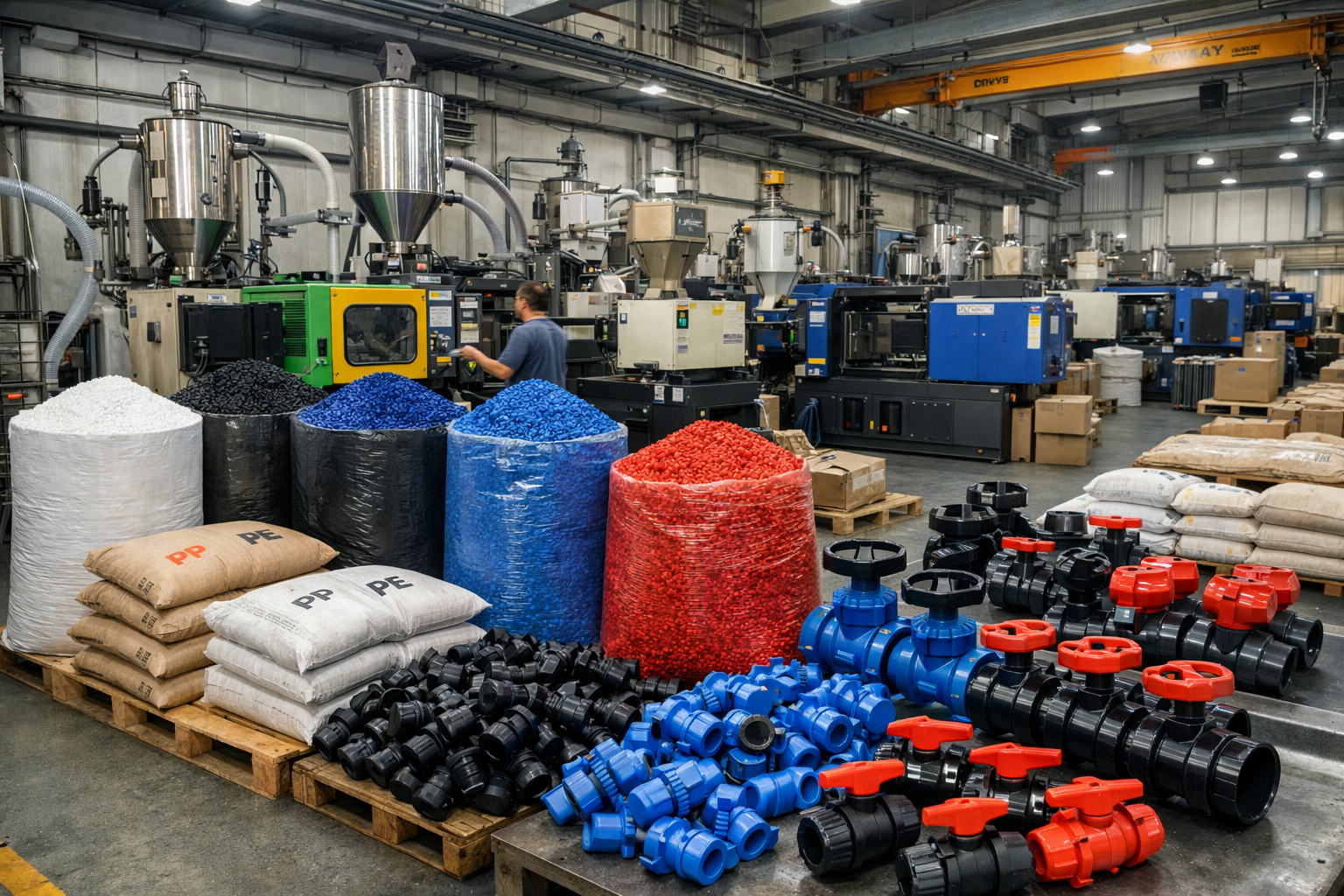
Step 2: Raw Material Preparation & Molding
Select high-quality PPH raw material (β-crystalline polypropylene). After drying, produce the PPH pipe using an extrusion molding process to ensure material uniformity and dimensional stability.
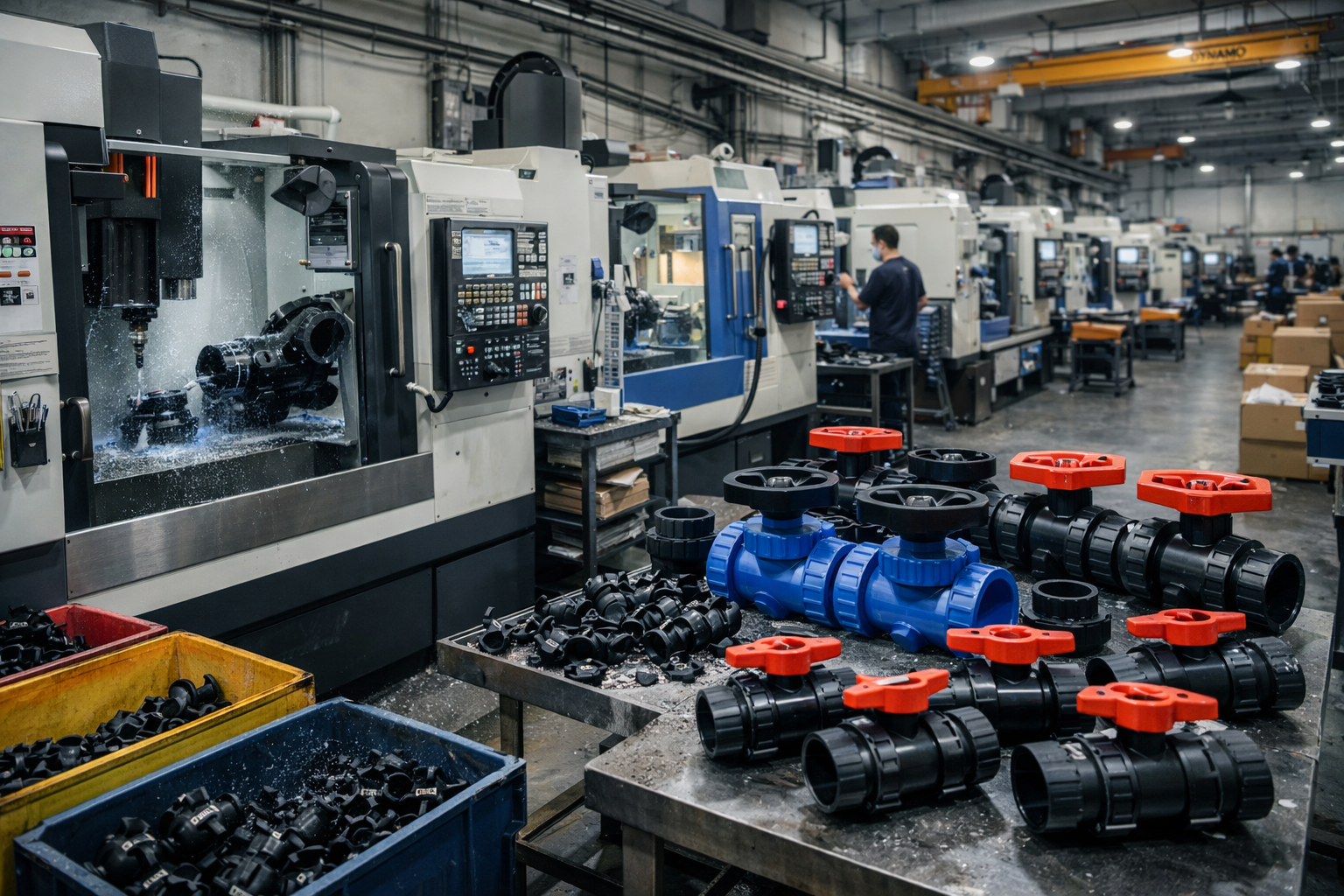
Step 3: Machining
Perform cutting, end face finishing, and necessary dimensional machining on the molded PPH pipe to meet installation and connection requirements.
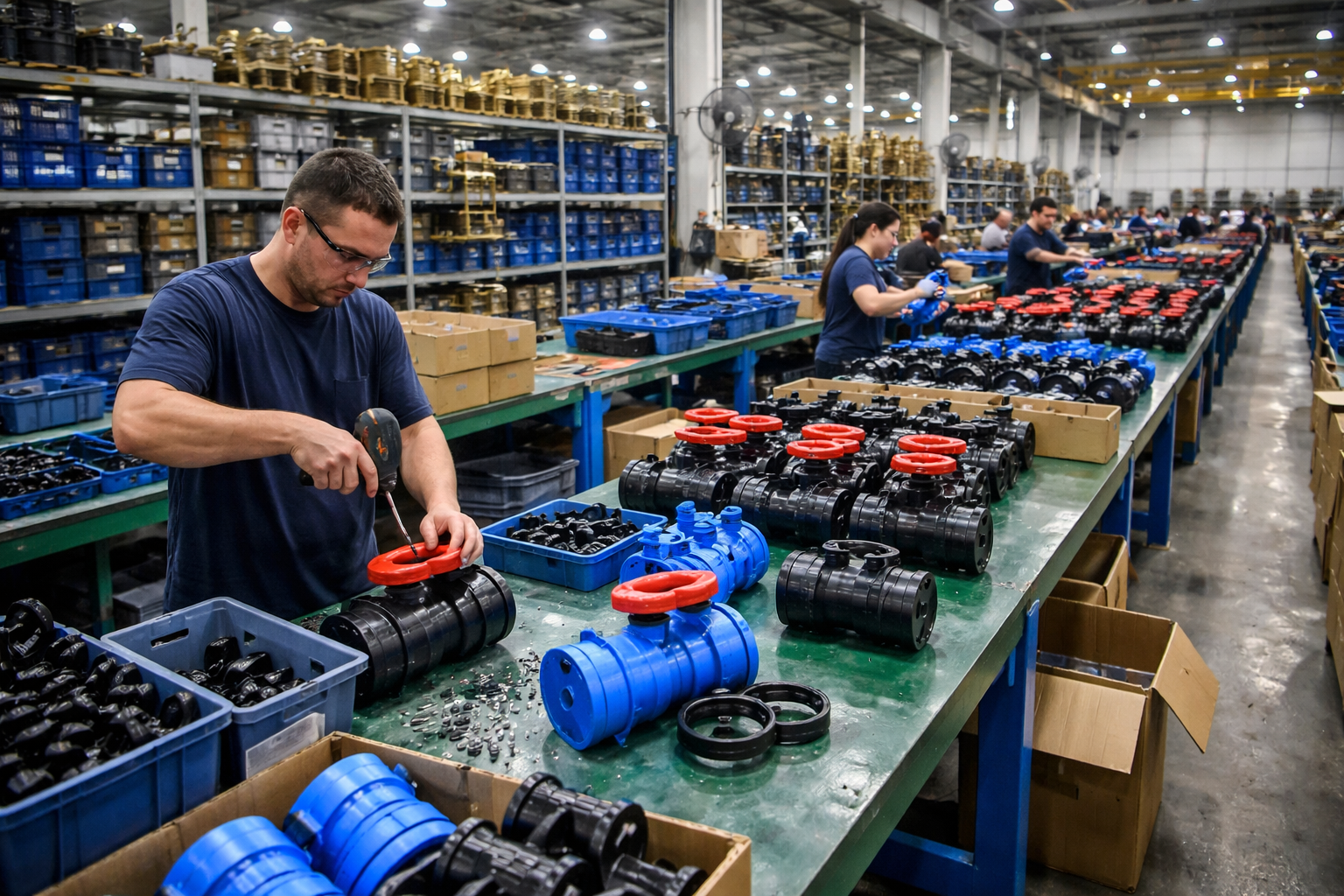
Step 4: Assembly
Perform appropriate connections on the PPH pipe (such as heat fusion or flange connections) according to application requirements, and pre-assemble with related fittings.
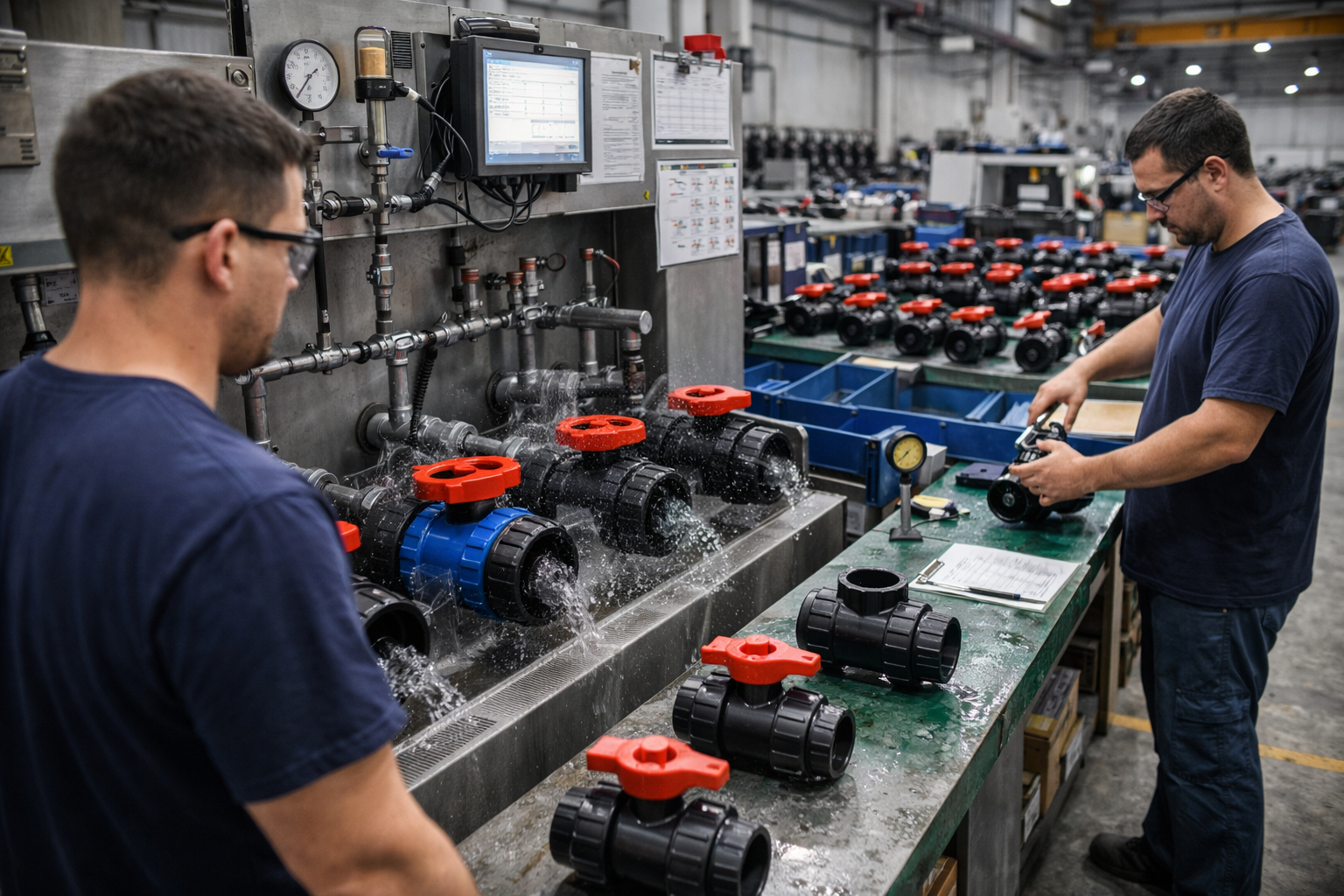
Step 5: Testing & Quality Assurance
The PPH pipes undergo pressure testing, dimensional inspection, and visual inspection to ensure compliance with industry standards (such as DIN, ISO, etc.) and customer requirements.
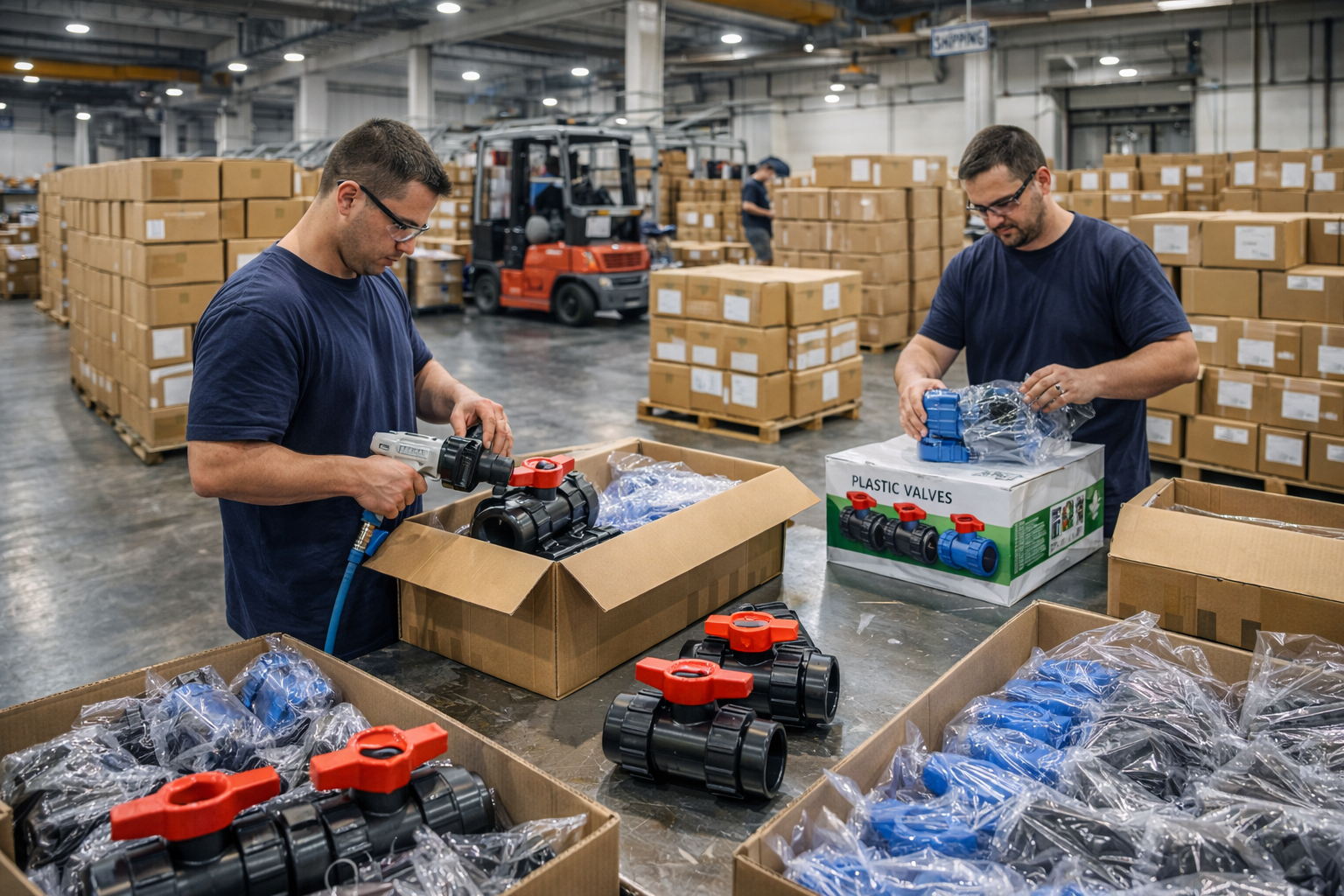
Step 6: Finishing, Packaging and Shipment
The products are cleaned, protected with packaging (to prevent dust and scratches), sorted, packed, and then shipped.
Applications
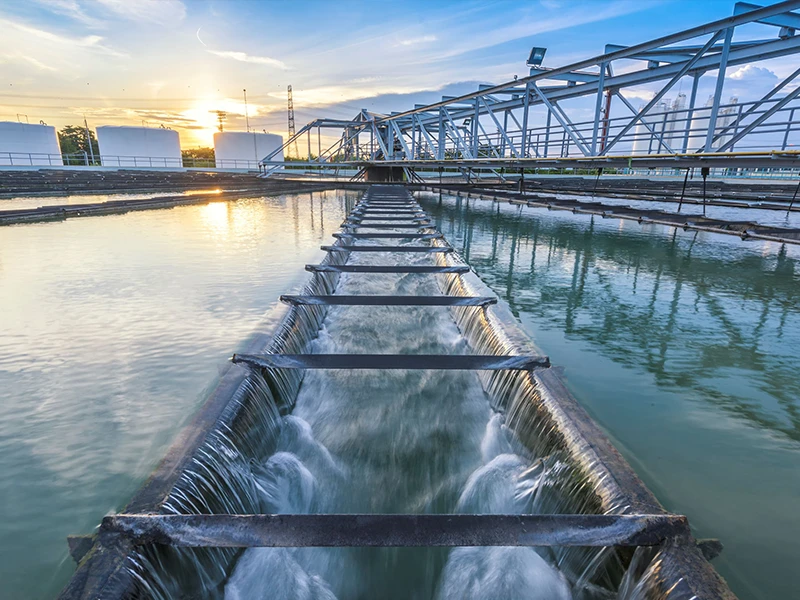
Suitable for a wide range of industries, including chemical plants, electronics and semiconductor factories, pharmaceutical plants, and wastewater treatment plants.
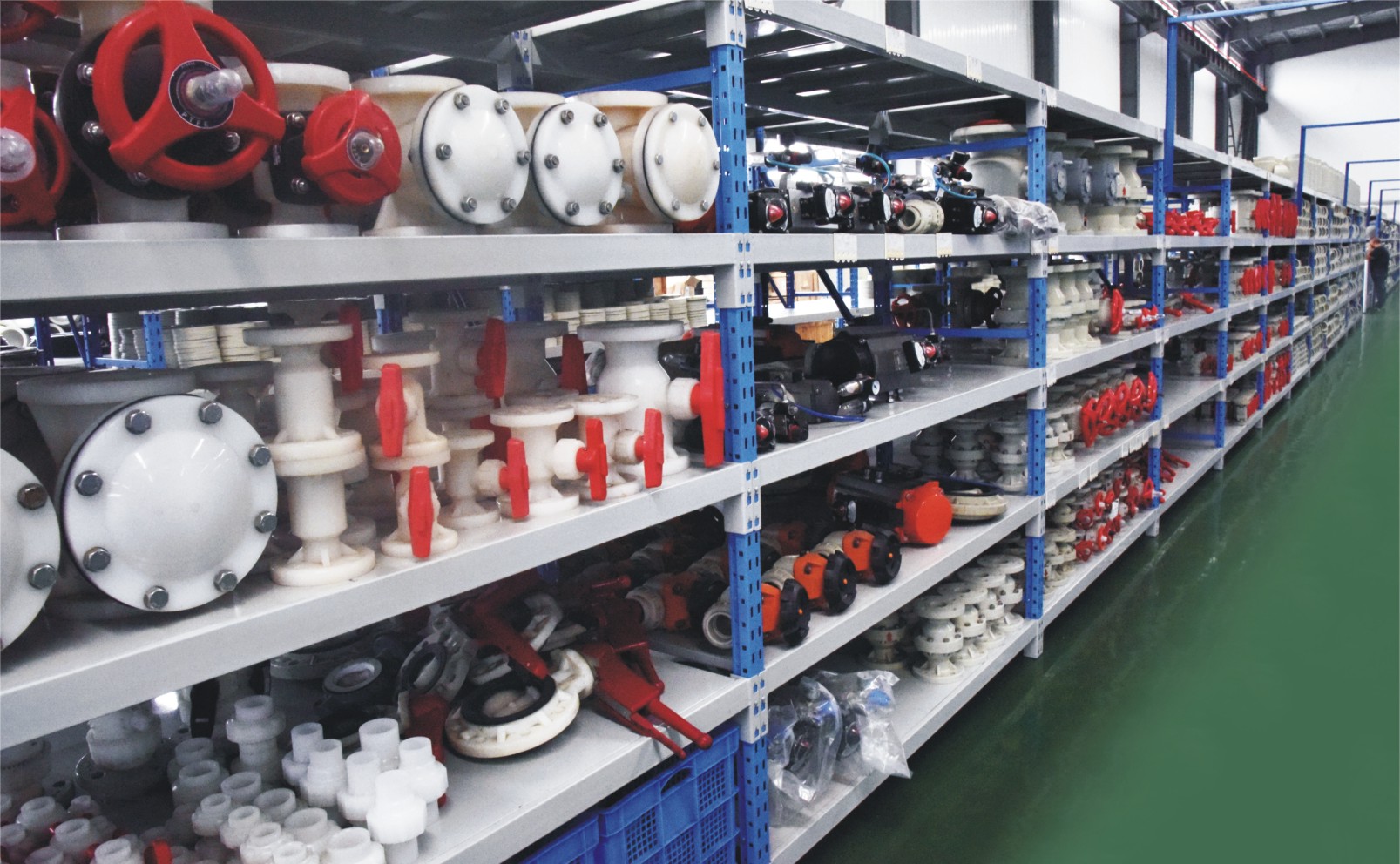
These valves are widely used in:
Agriculture and Irrigation
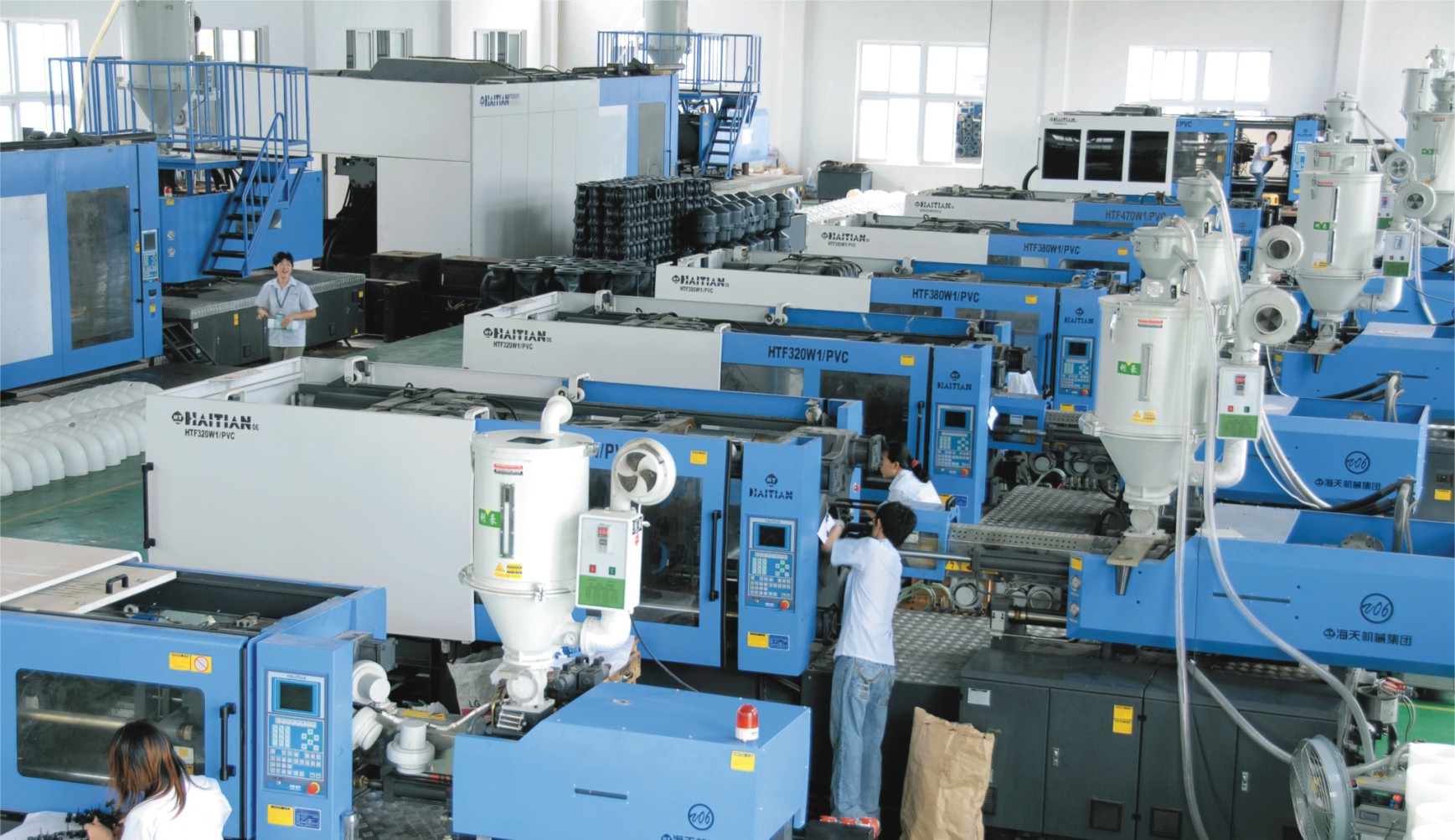
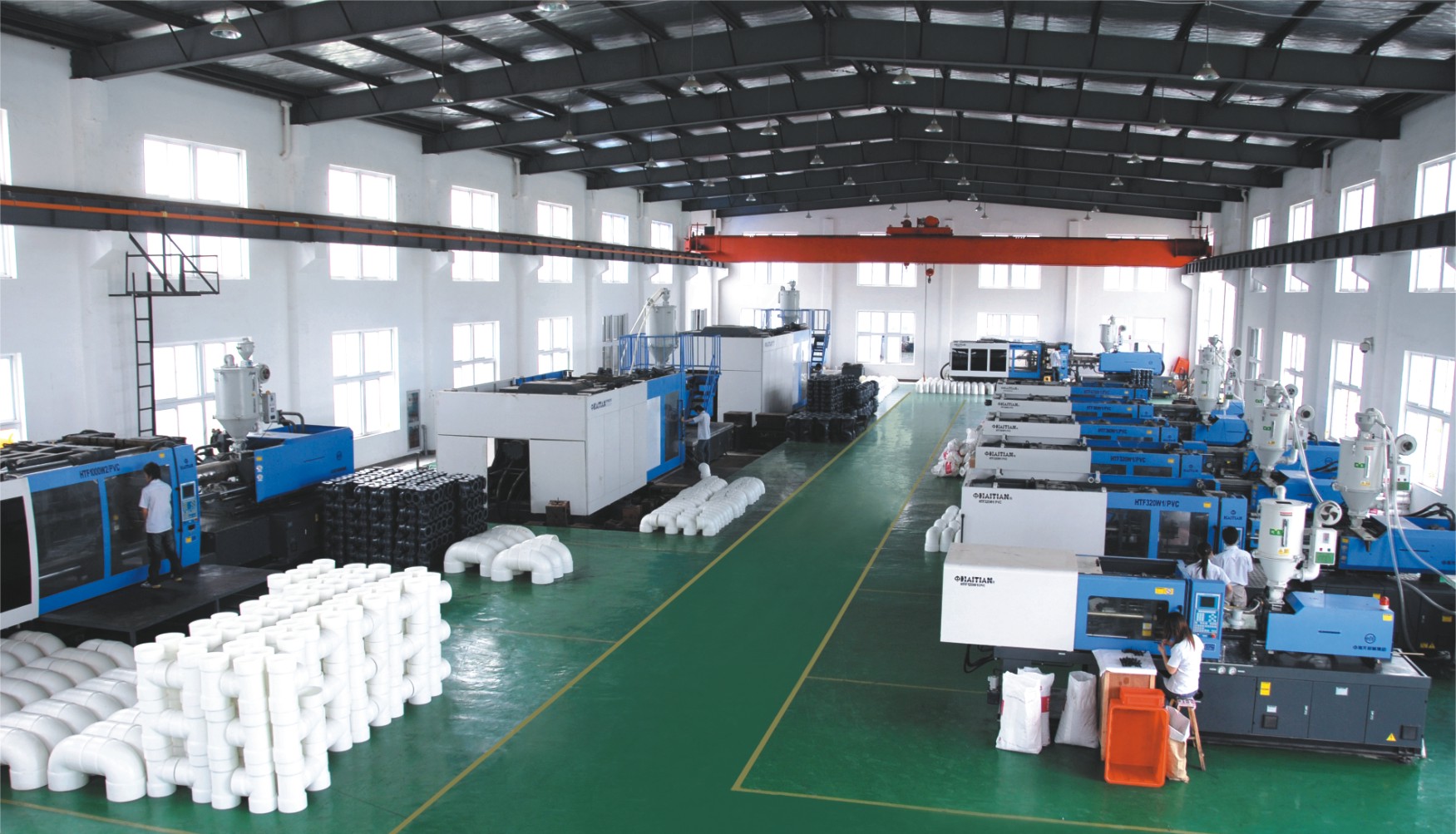
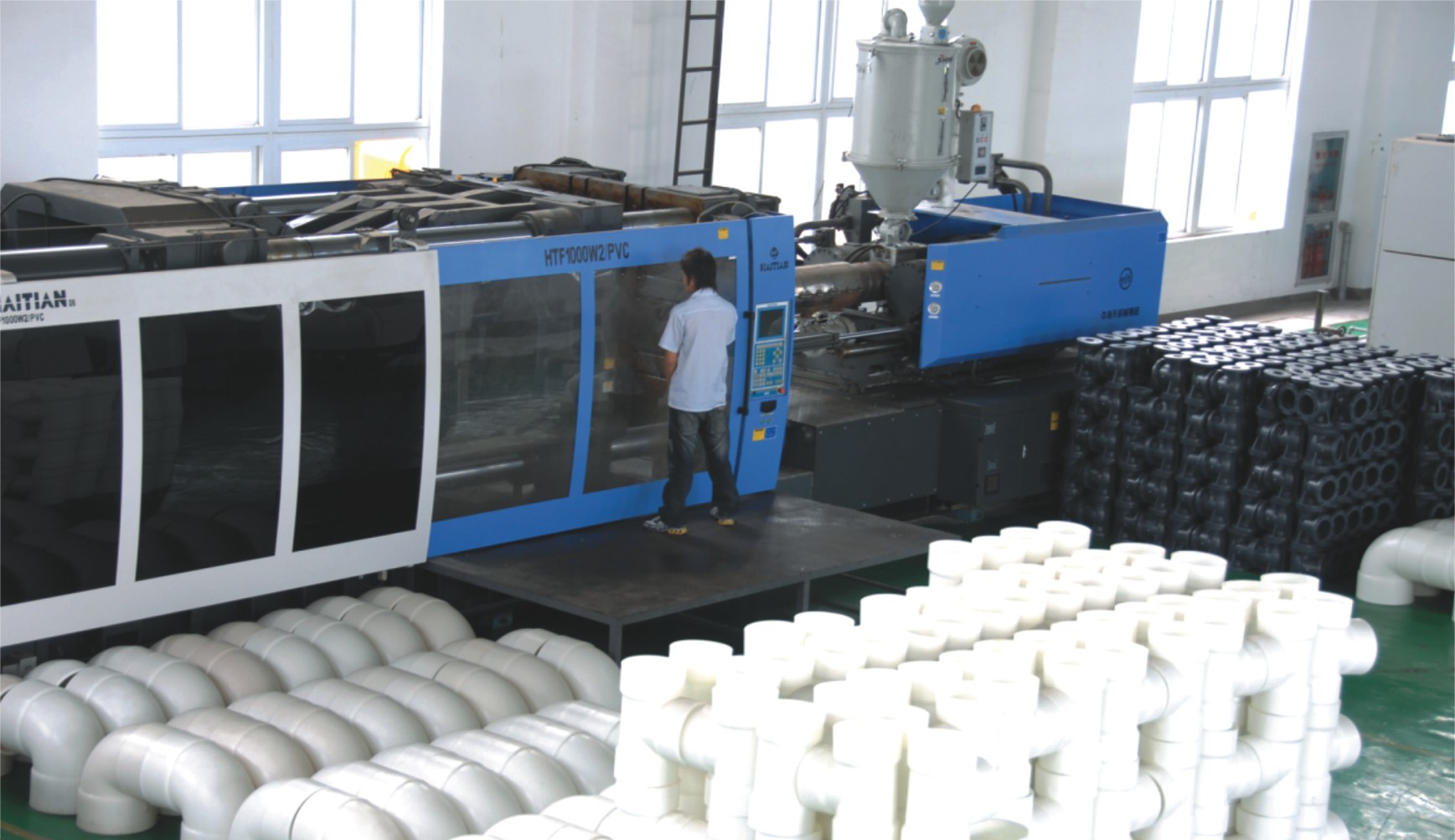
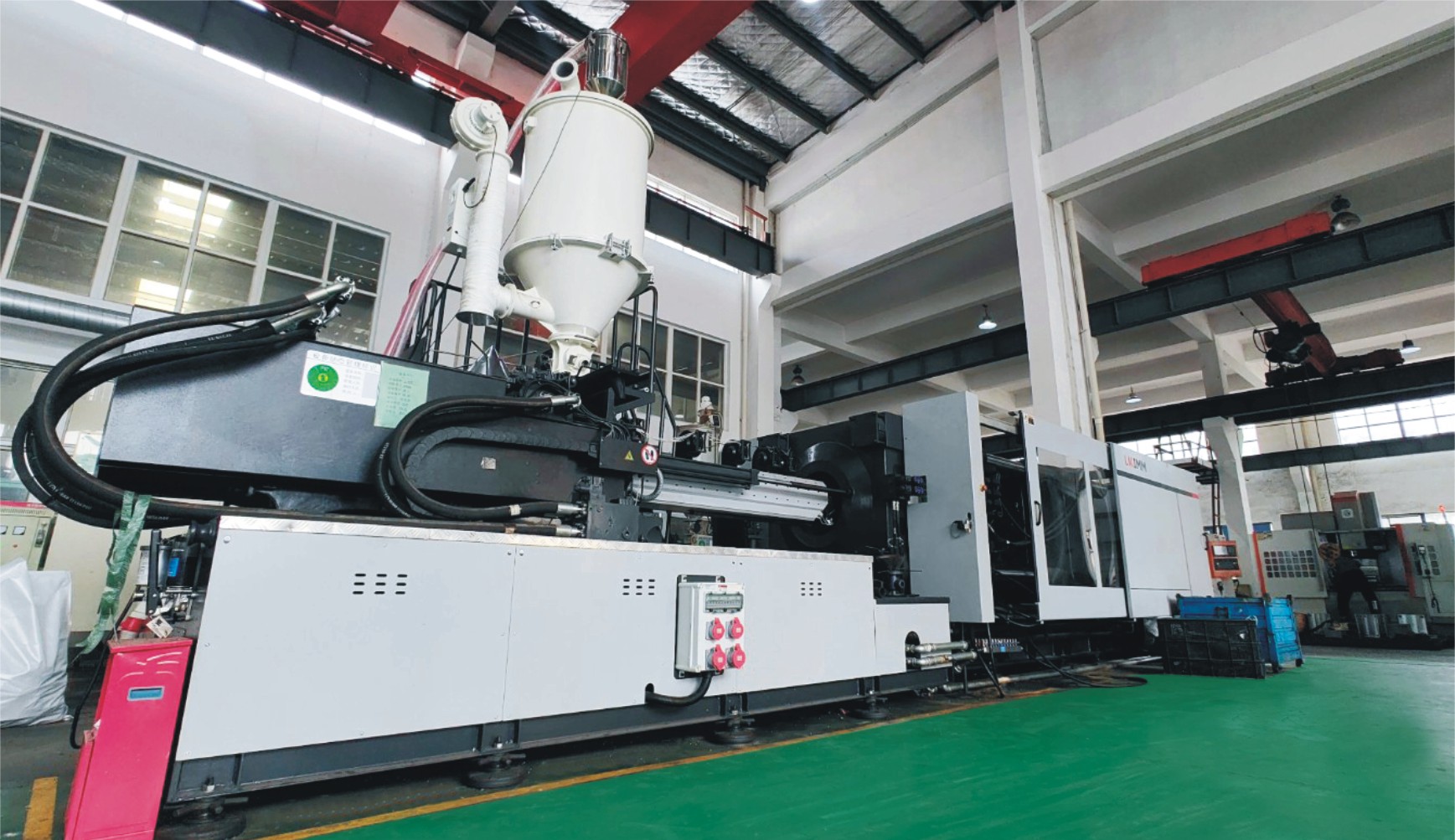
Factory Environment
Why Choose Us
Superior Quality
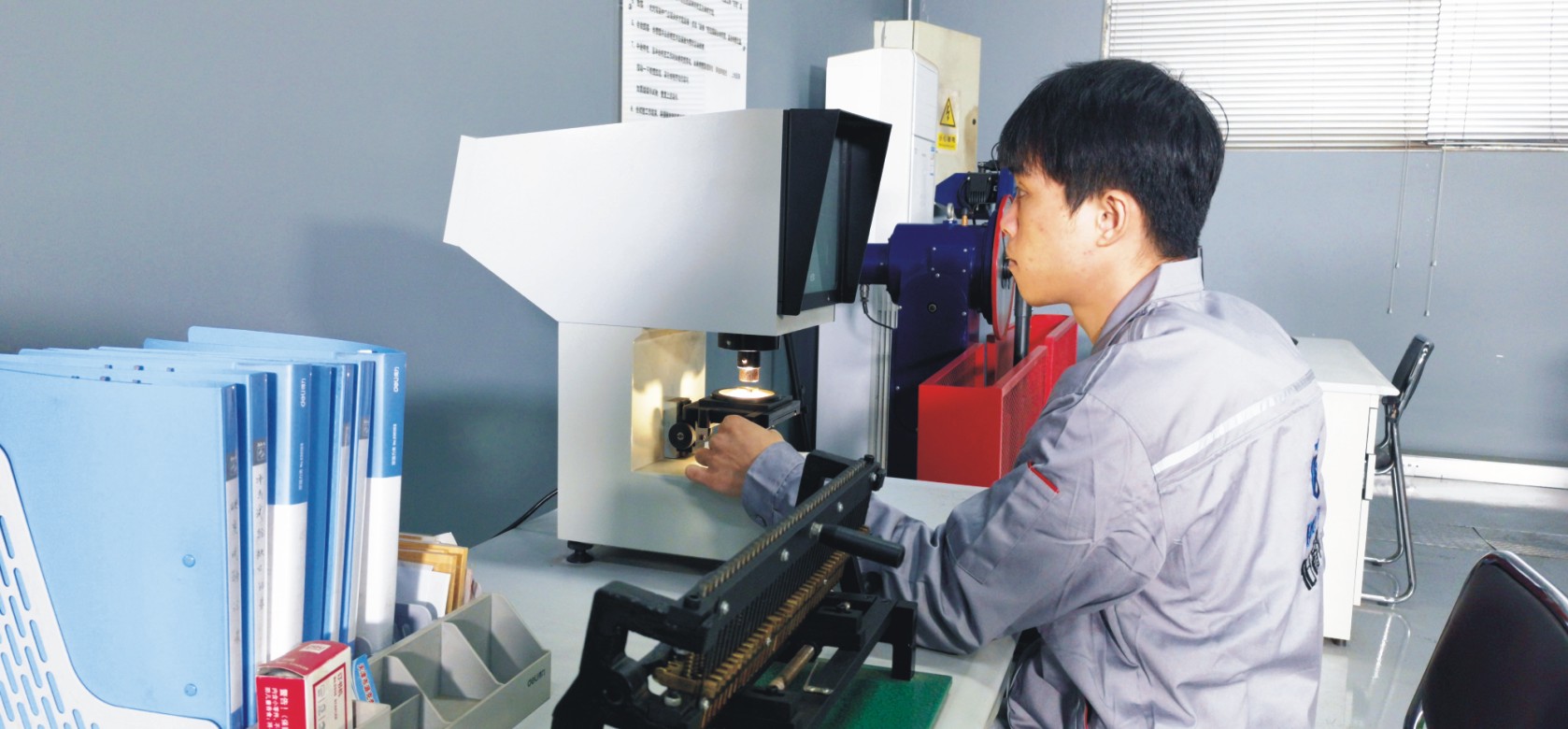
Our valves are produced from high-grade materials and subjected to strict quality inspections to guarantee dependable performance in challenging industrial environments.
Advanced Technology
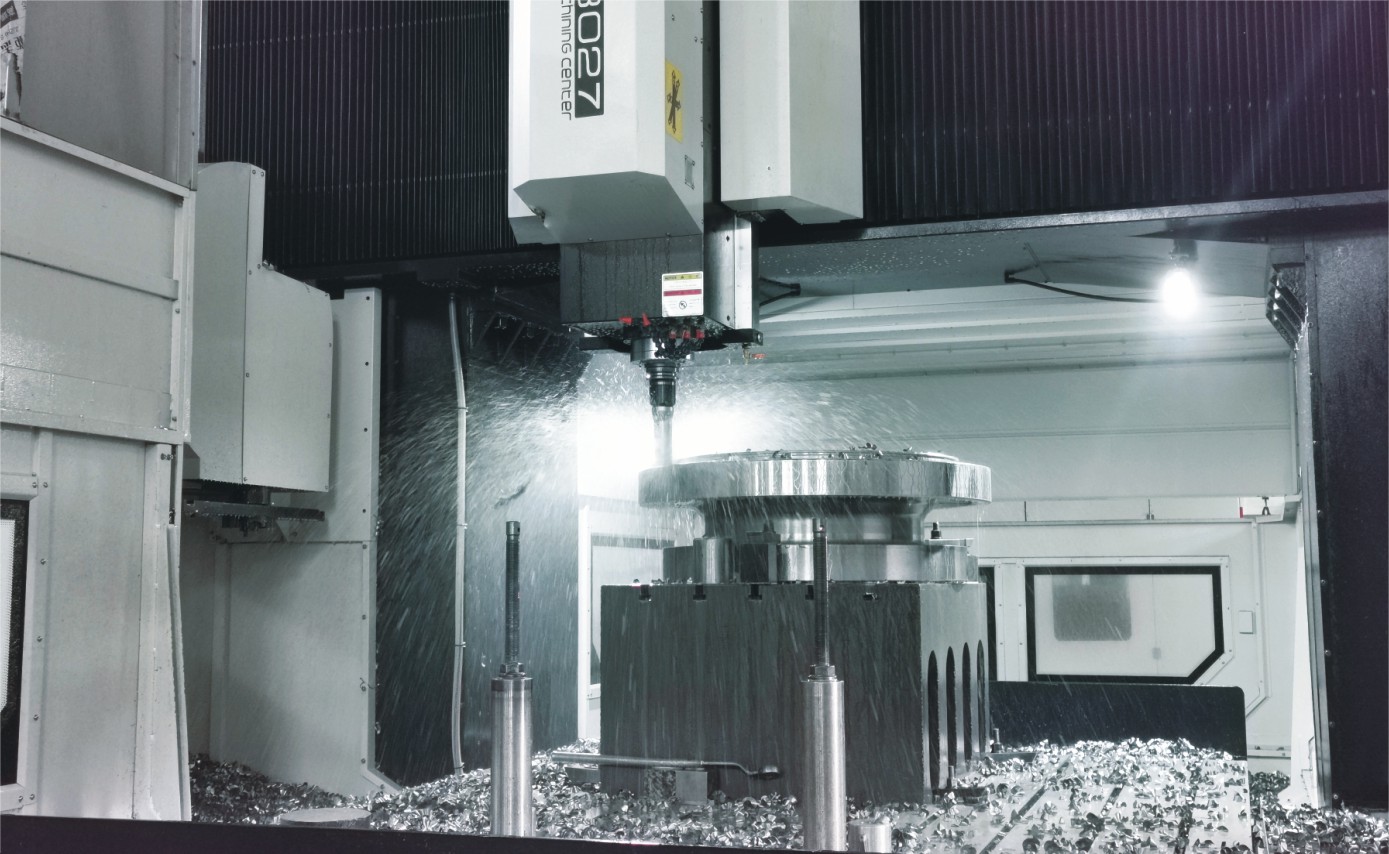
With cutting-edge CNC machining systems and high-precision manufacturing equipment, we ensure valves are made with outstanding accuracy and uniformity.
Competitive Pricing
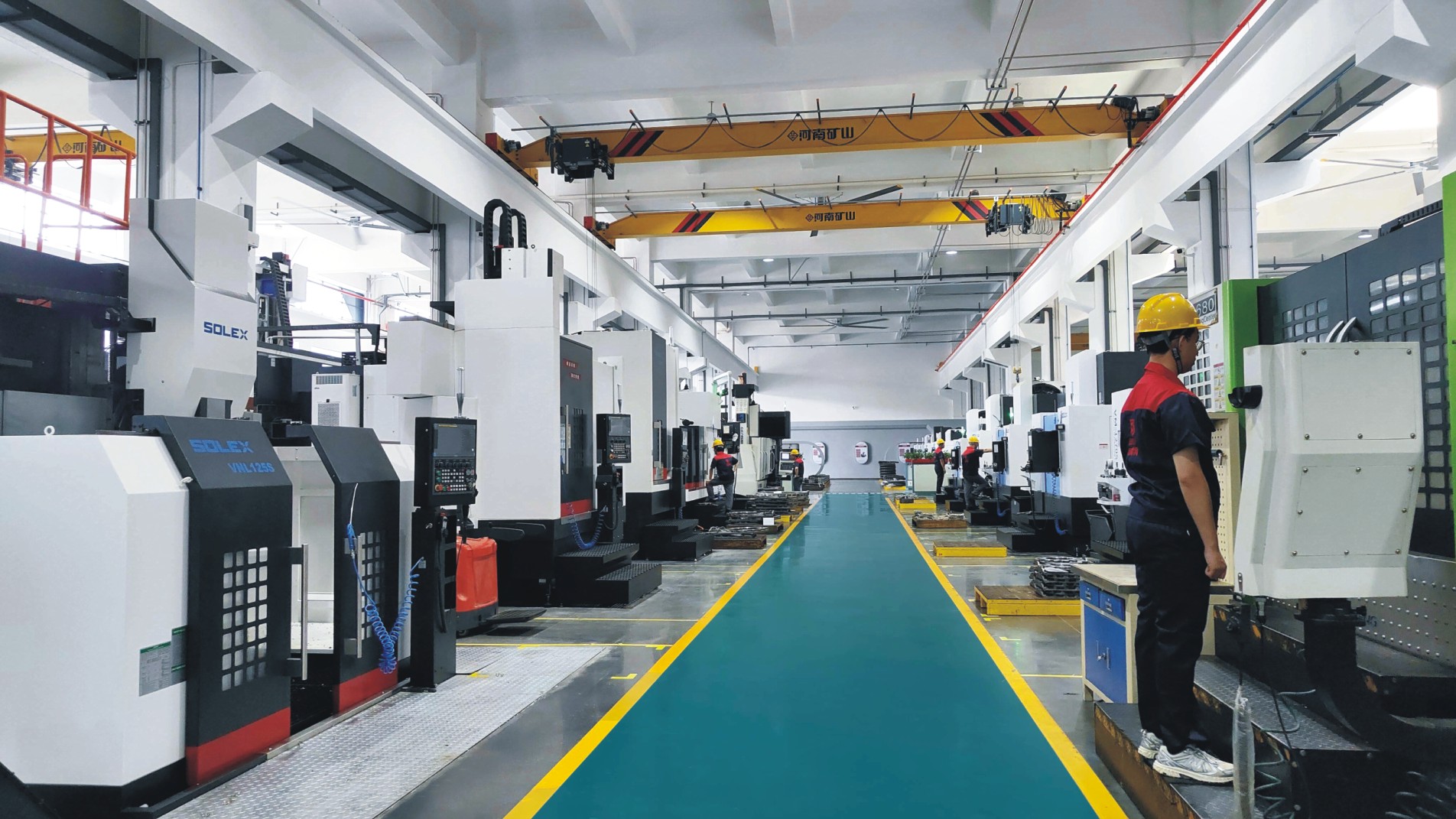
By streamlining production processes and sourcing materials in bulk, we provide premium-quality valves at competitive prices while maintaining excellent standards.
Expert Support
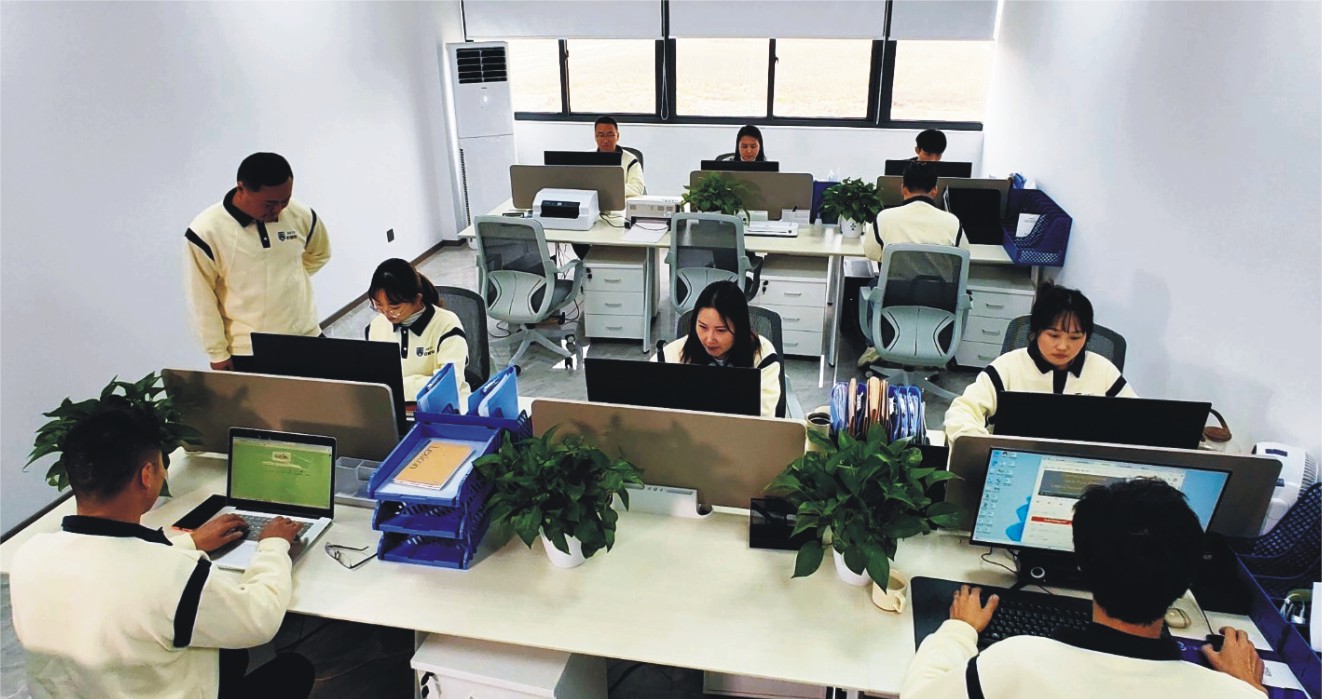
Our skilled technical team offers full support from product selection through after-sales service, helping ensure the best valve performance for your application.