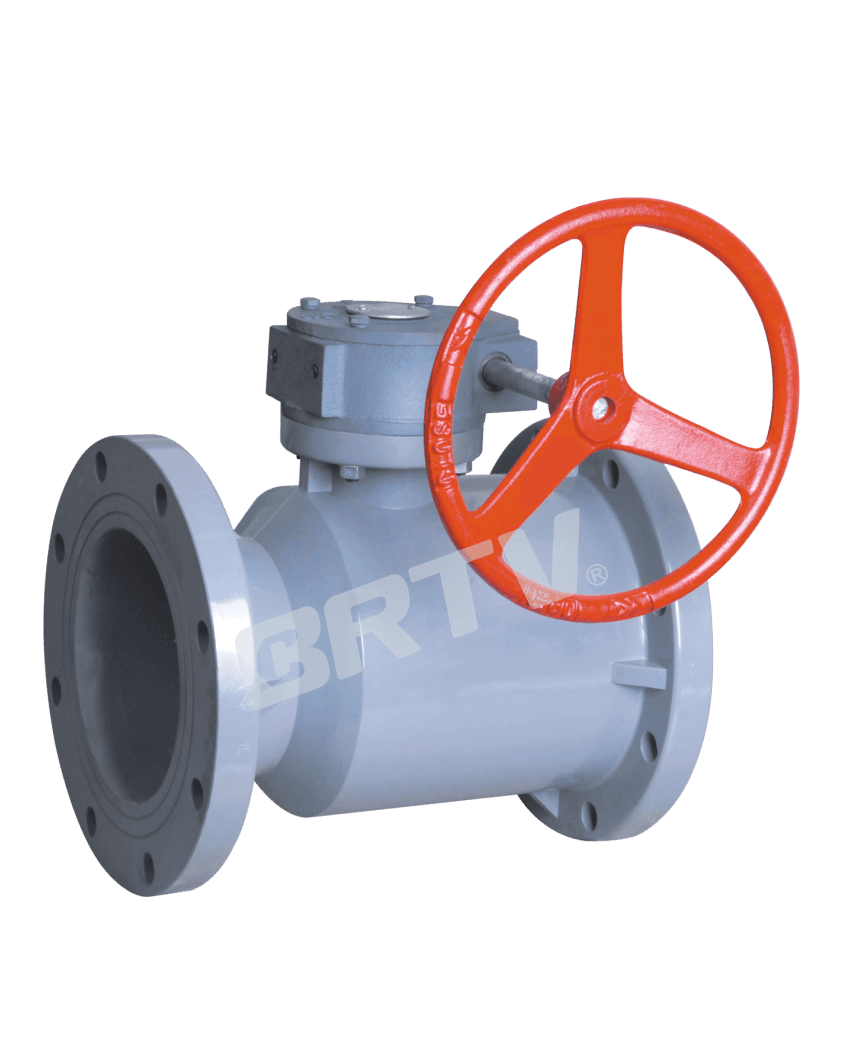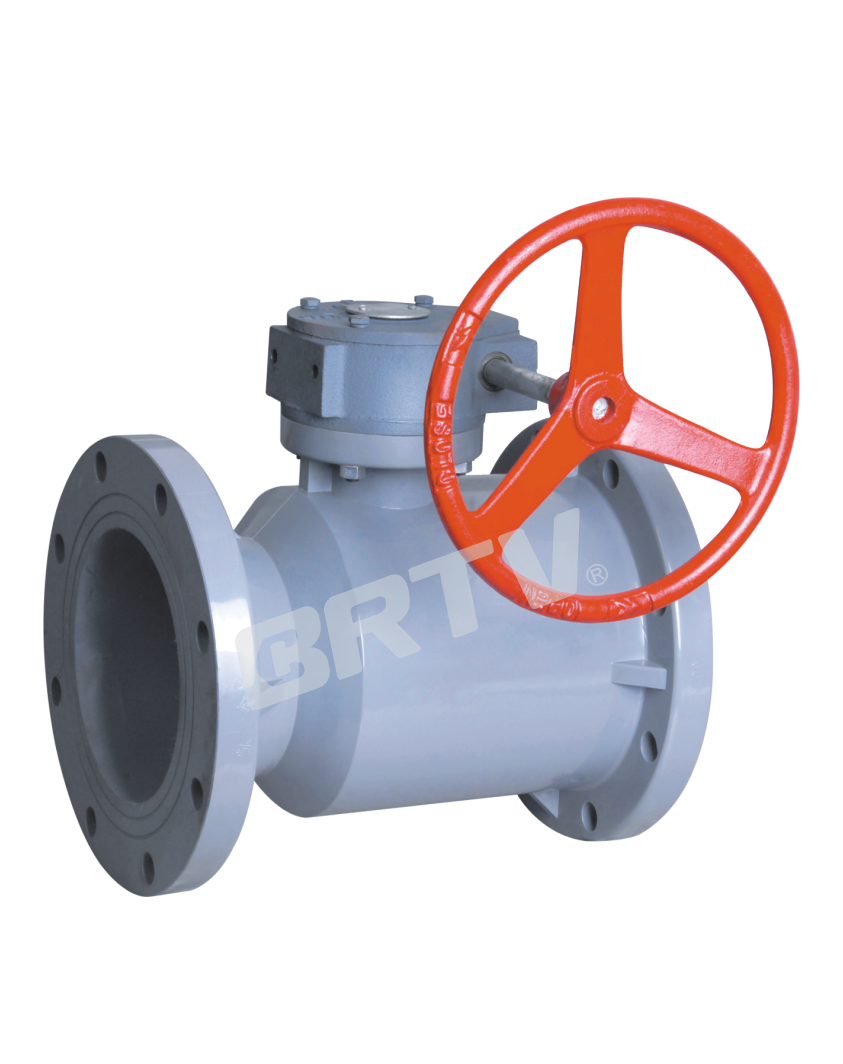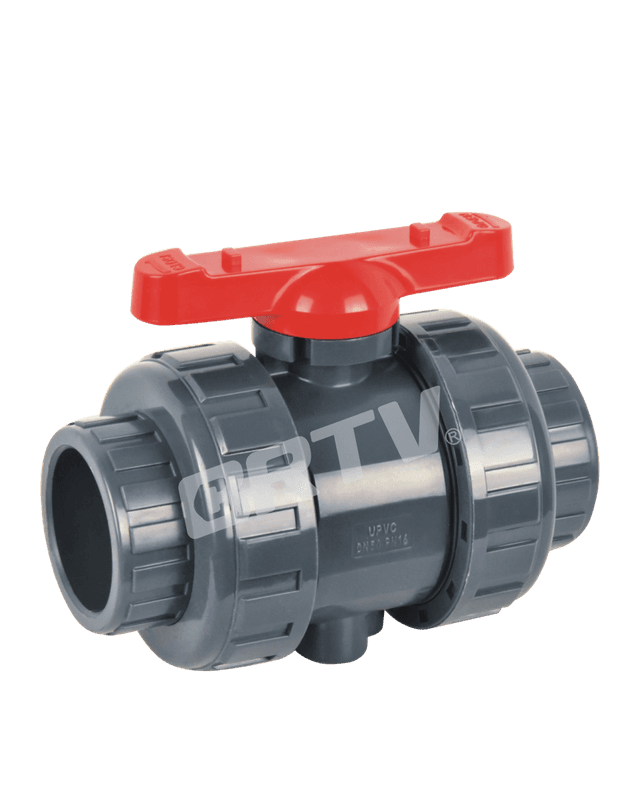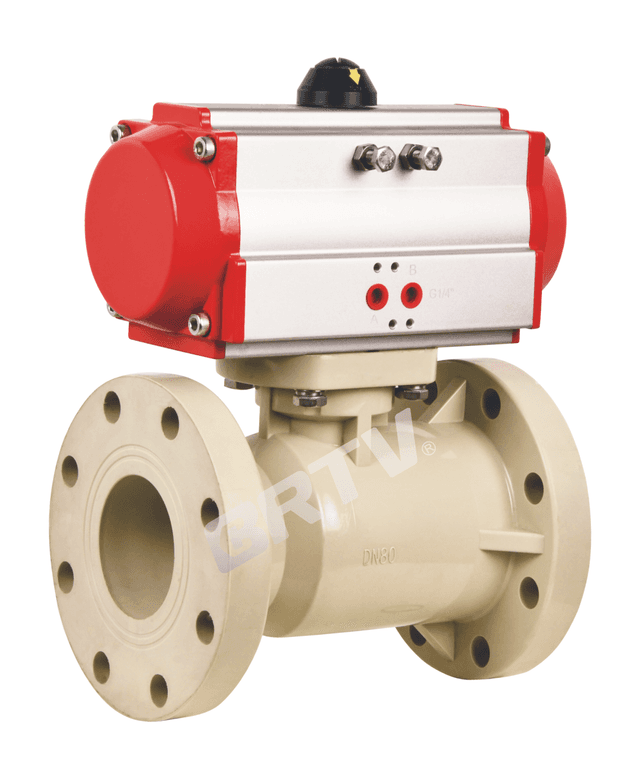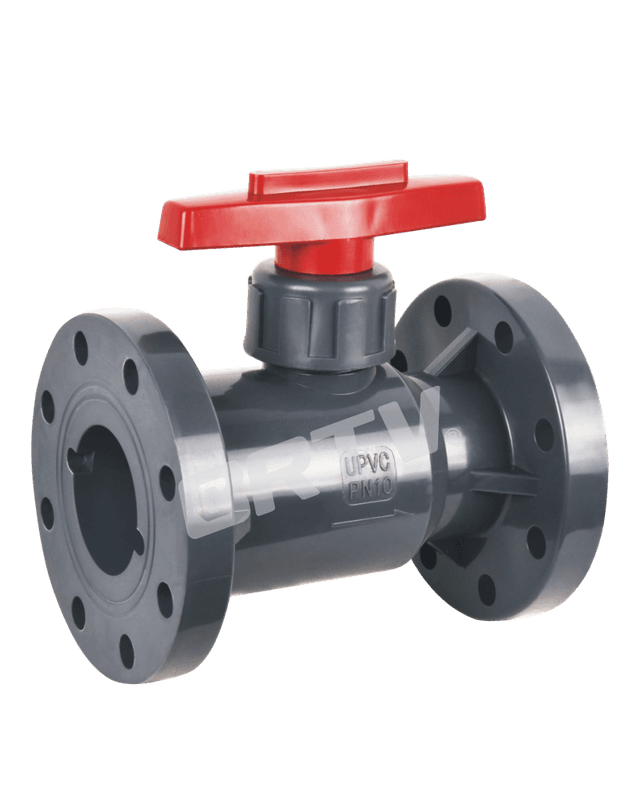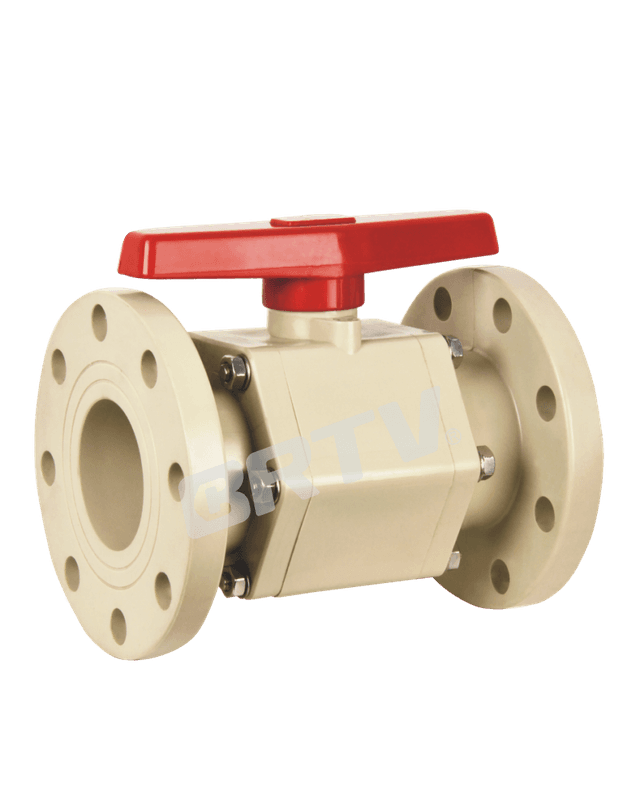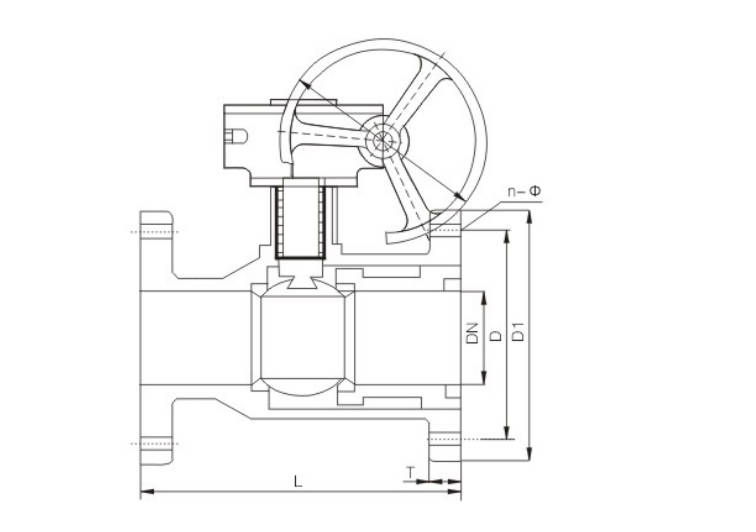
Dimensions Table
| Nominal Diameter (mm) | D2 | D1 | D1 (JIS) | D1 (DIN) | D1 (ANSI) | L | T | n | n (JIS) | n (DIN) | n (ANSI) | Φ | Φ (JIS) | Φ (DIN) | Φ (ANSI) | Working Pressure (PVDF) | Working Pressure (RPP) | Weight (RPP) | Weight (PVDF) | Weight (CPVC) | Weight (UPVC) |
|---|
| 15 (1/2") | 105 | 65 | 70 | 65 | 60 | 120 | 18 | 4 | 4 | 4 | 4 | 14 | 15 | 14 | 0.63 | 1.0 | 1.0 | 0.39 | 0.67 | 0.60 | 0.54 |
| 20 (3/4") | 105 | 75 | 75 | 75 | 70 | 120 | 18 | 4 | 4 | 4 | 4 | 14 | 15 | 14 | 0.63 | 1.0 | 1.0 | 0.42 | 0.72 | 0.65 | 0.58 |
| 25 (1") | 116 | 85 | 90 | 85 | 80 | 145 | 16 | 4 | 4 | 4 | 4 | 14 | 19 | – | 0.63 | 1.0 | 1.0 | 0.55 | 0.94 | 0.84 | 0.75 |
| 32 (1-1/4") | 135 | 100 | – | – | – | 150 | 19 | 4 | – | – | – | 18 | – | 18 | – | 1.0 | 1.0 | 0.85 | 1.45 | 1.30 | 1.16 |
| 40 (1-1/2") | 145 | 110 | 105 | 110 | 98 | 168 | 19 | 4 | 4 | 4 | 4 | 18 | 19 | 18 | 0.63 | 1.0 | 1.0 | 1.00 | 1.75 | 1.57 | 1.40 |
| 50 (2") | 160 | 125 | 120 | 125 | 120 | 195 | 20 | 4 | 4 | 4 | 4 | 18 | 19 | 18 | 0.75 | 1.0 | 1.0 | 1.32 | 2.25 | 2.00 | 1.80 |
| 65 (2-1/2") | 180 | 145 | 140 | 140 | 140 | 220 | 20 | 4 | 4 | 4 | 4 | 18 | 19 | 18 | 0.75 | 1.0 | 1.0 | 1.90 | 3.20 | 2.90 | 2.60 |
| 80 (3") | 195 | 160 | 150 | 160 | 152 | 247 | 22 | 8 | 8 | 8 | 4 | 18 | 19 | 18 | 0.75 | 1.0 | 1.0 | 2.40 | 4.10 | 3.70 | 3.30 |
| 100 (4") | 215 | 180 | 175 | 180 | 190 | 283 | 24 | 8 | 8 | 8 | 8 | 18 | 19 | 18 | 0.75 | 1.0 | 1.0 | 3.60 | 6.10 | 5.50 | 4.90 |
| 125 (5") | 245 | 210 | 210 | 210 | 216 | 365 | 30 | 8 | 8 | 8 | 8 | 18 | 23 | 18 | 0.87 | 0.8 | 0.8 | 5.90 | 10.00 | 9.00 | 8.00 |
| 150 (6") | 280 | 240 | 240 | 240 | 240 | 408 | 30 | 8 | 8 | 8 | 8 | 23 | 23 | 23 | 0.87 | 0.8 | 0.8 | 7.40 | 12.60 | 11.20 | 10.00 |
| 200 (8") | 337 | 295 | 290 | 295 | 298 | 412 | 35 | 8 | 12 | 8 | 8 | 23 | 23 | 23 | 0.87 | 0.8 | 0.8 | 12.00 | 21.00 | 18.00 | 16.00 |
| 250 (10") | 390 | 350 | 355 | 362 | 500 | 500 | 40 | 12 | 12 | 12 | 12 | 23 | 23 | 23 | 2.8 | 0.8 | 1.0 | 18.00 | 32.00 | 29.00 | 27.00 |
| 300 (12") | 435 | 400 | 445 | 400 | 432 | 500 | 40 | 12 | 16 | 12 | 12 | 23 | 25 | 25 | – | – | – | 30.00 | 42.00 | 38.00 | 36.00 |
Manufacturing Process
Step 1: Order and Design
Based on the customer’s operating conditions (pressure, temperature, and medium), determine the structural configuration, dimensional standards (e.g., DIN/ANSI), and actuation method (turbo/manual) for the turbo ball valve. Complete 3D modeling and seal design, and confirm the materials for the valve body, ball, and seat (e.g., PVC, CPVC, PP, etc.).
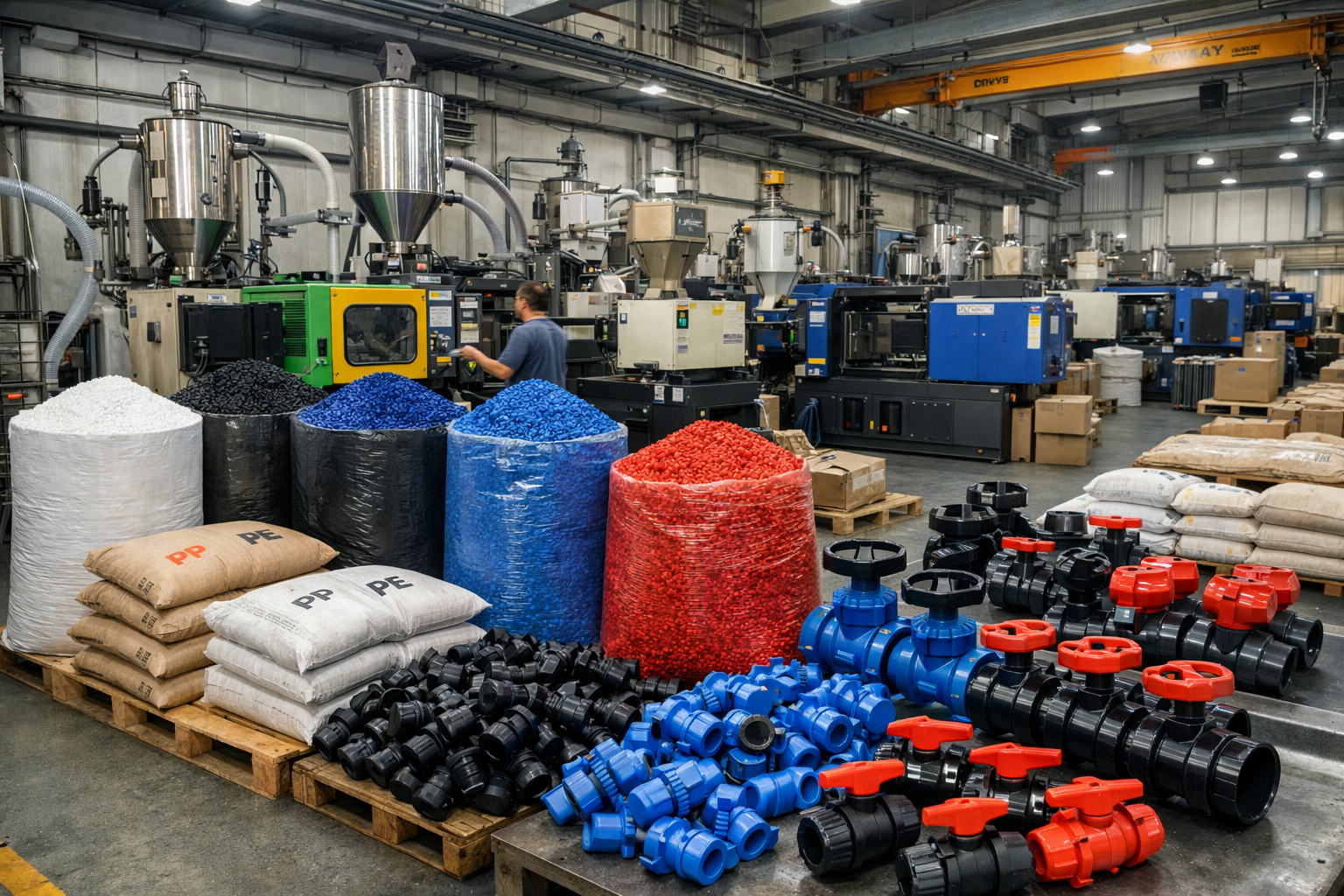
Step 2: Raw Material Preparation & Molding
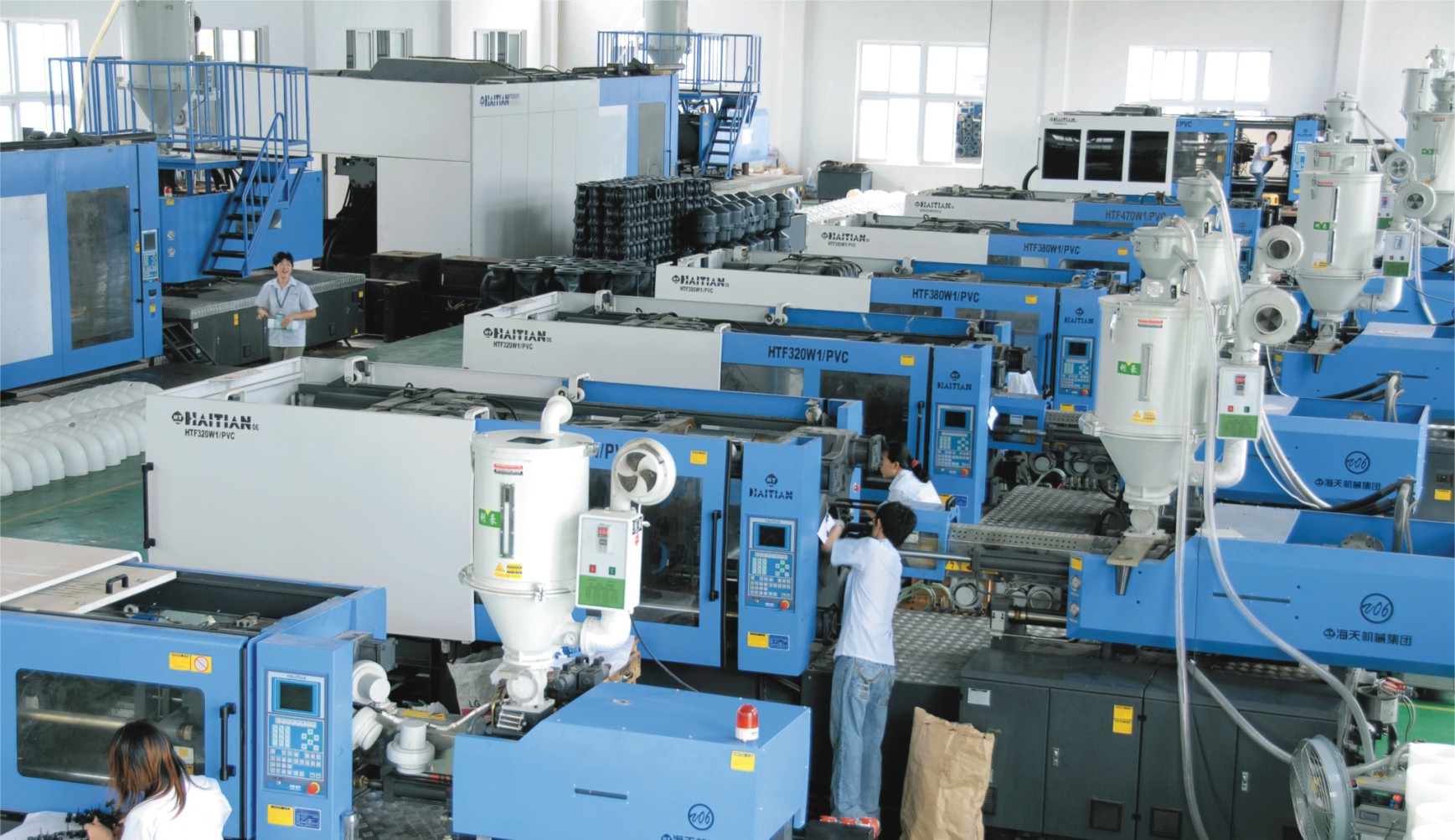
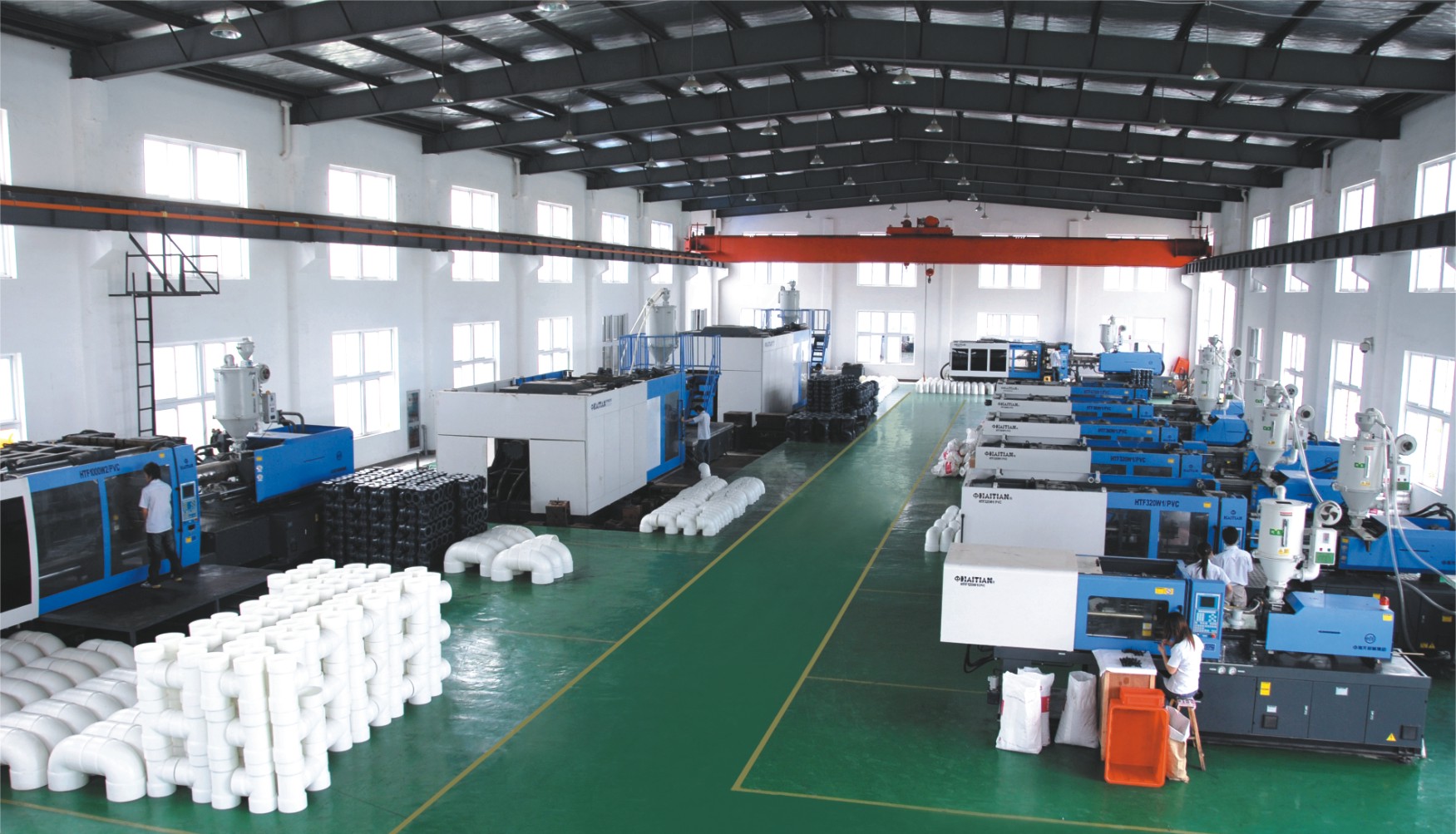
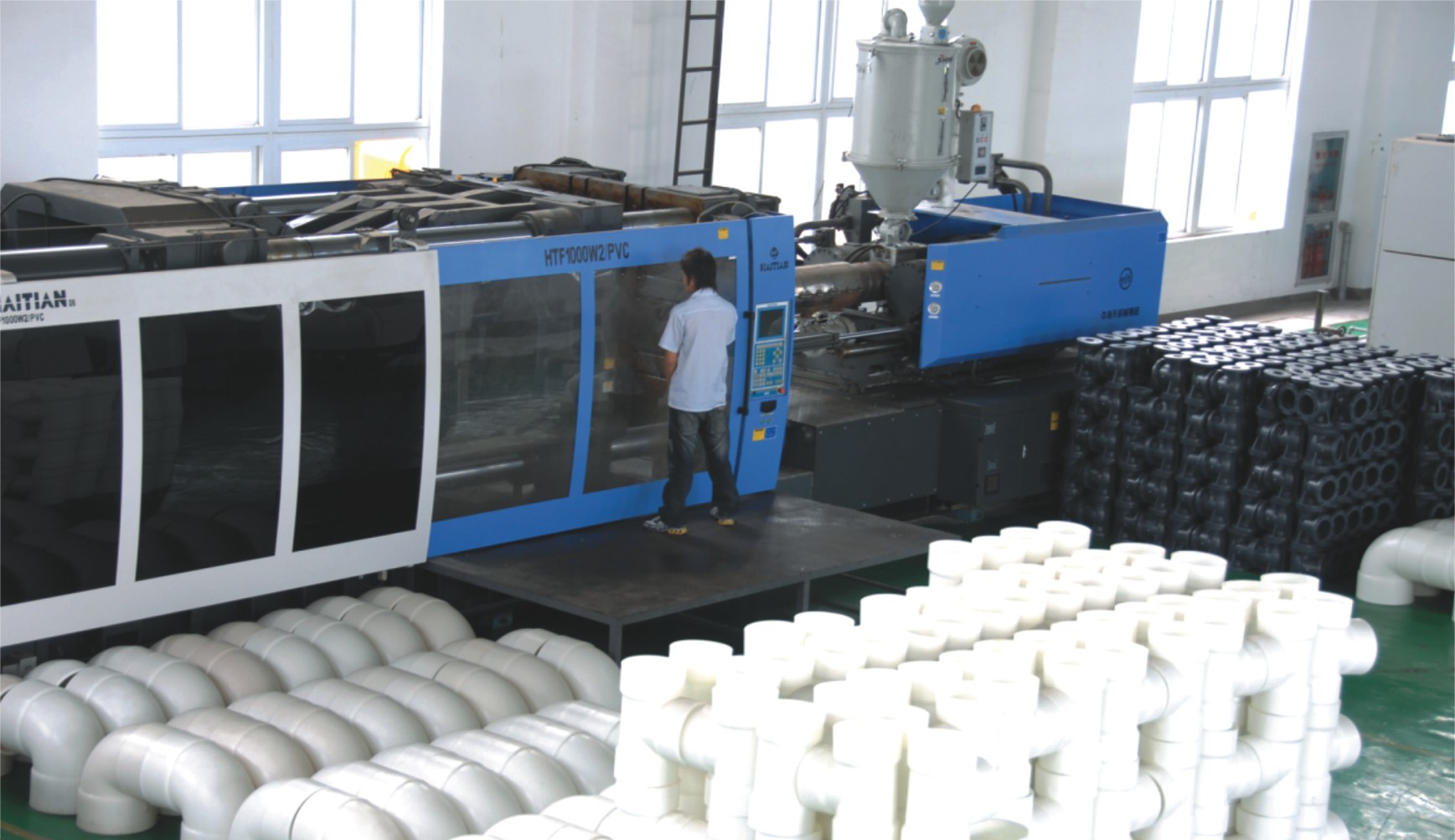
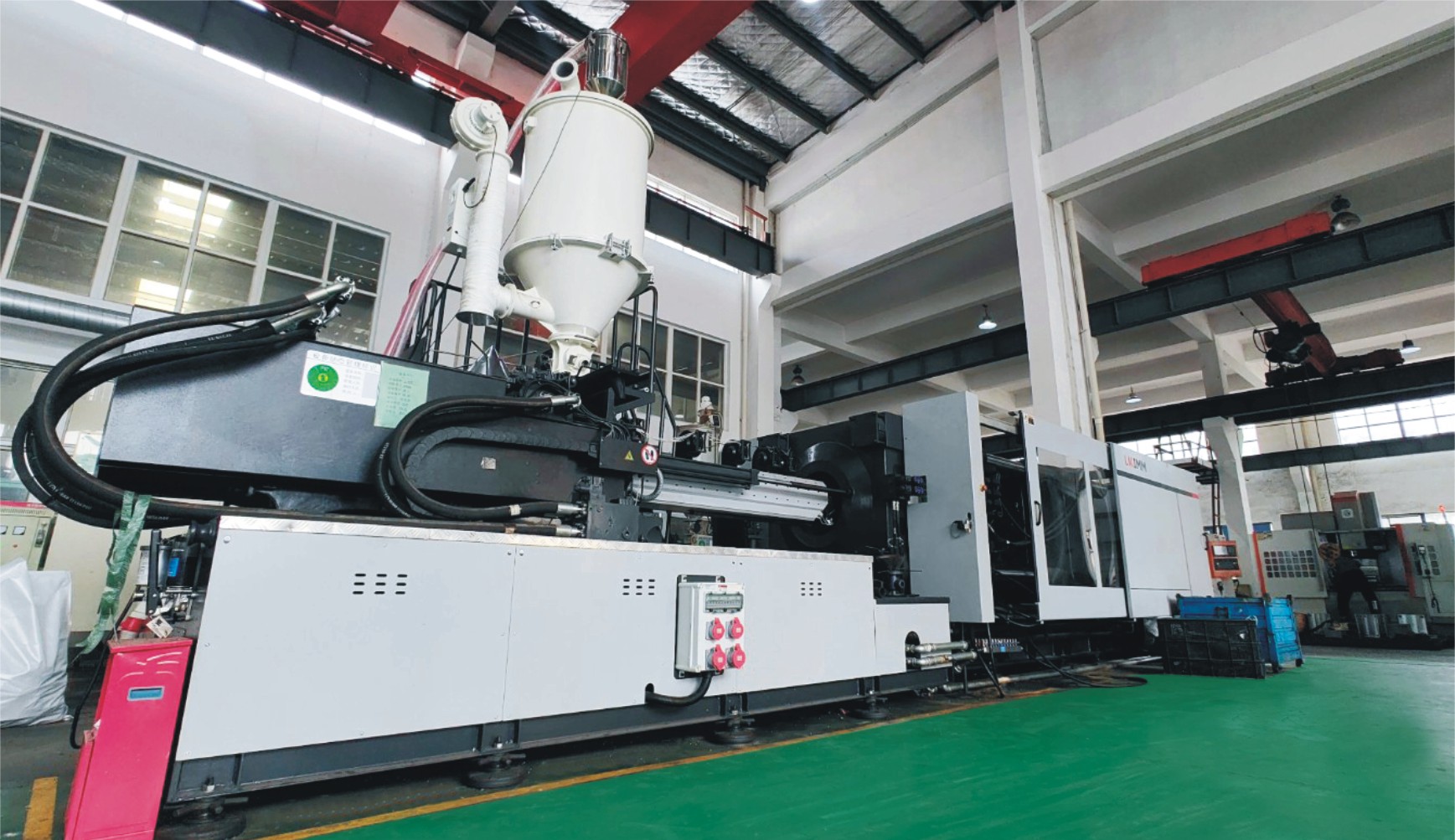
Select high-quality plastic pellets, dry them, and then produce key components such as the valve body and ball via injection molding or compression molding. Ensure that all components of the turbo ball valve are free of bubbles and shrinkage cavities, with stable dimensions.
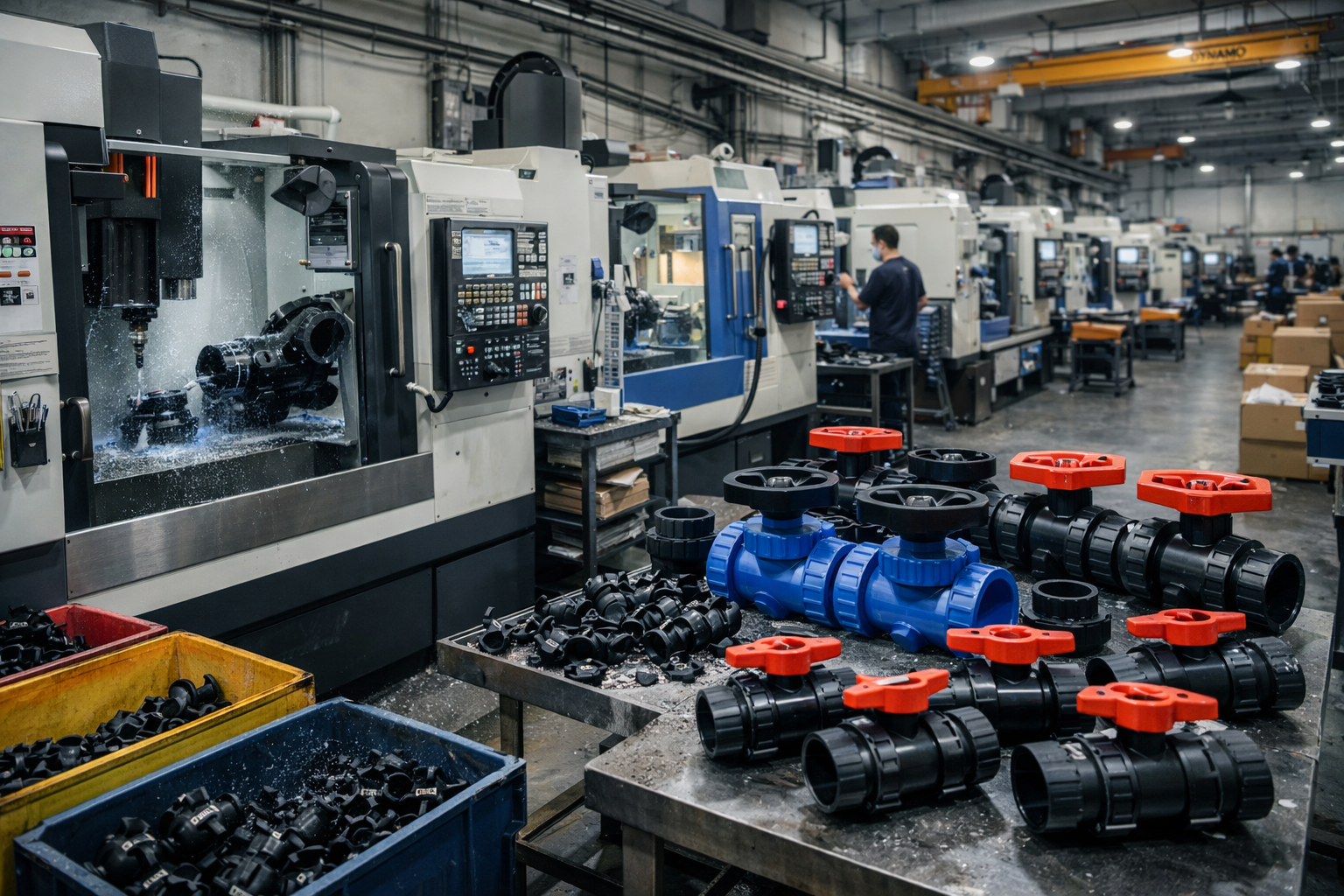
Step 3: Machining
Perform precision machining on the molded parts, including flange face turning, sealing surface machining, and ball polishing. This ensures the sealing precision and fit tolerances of the turbo ball valve, enhancing smooth opening and closing.
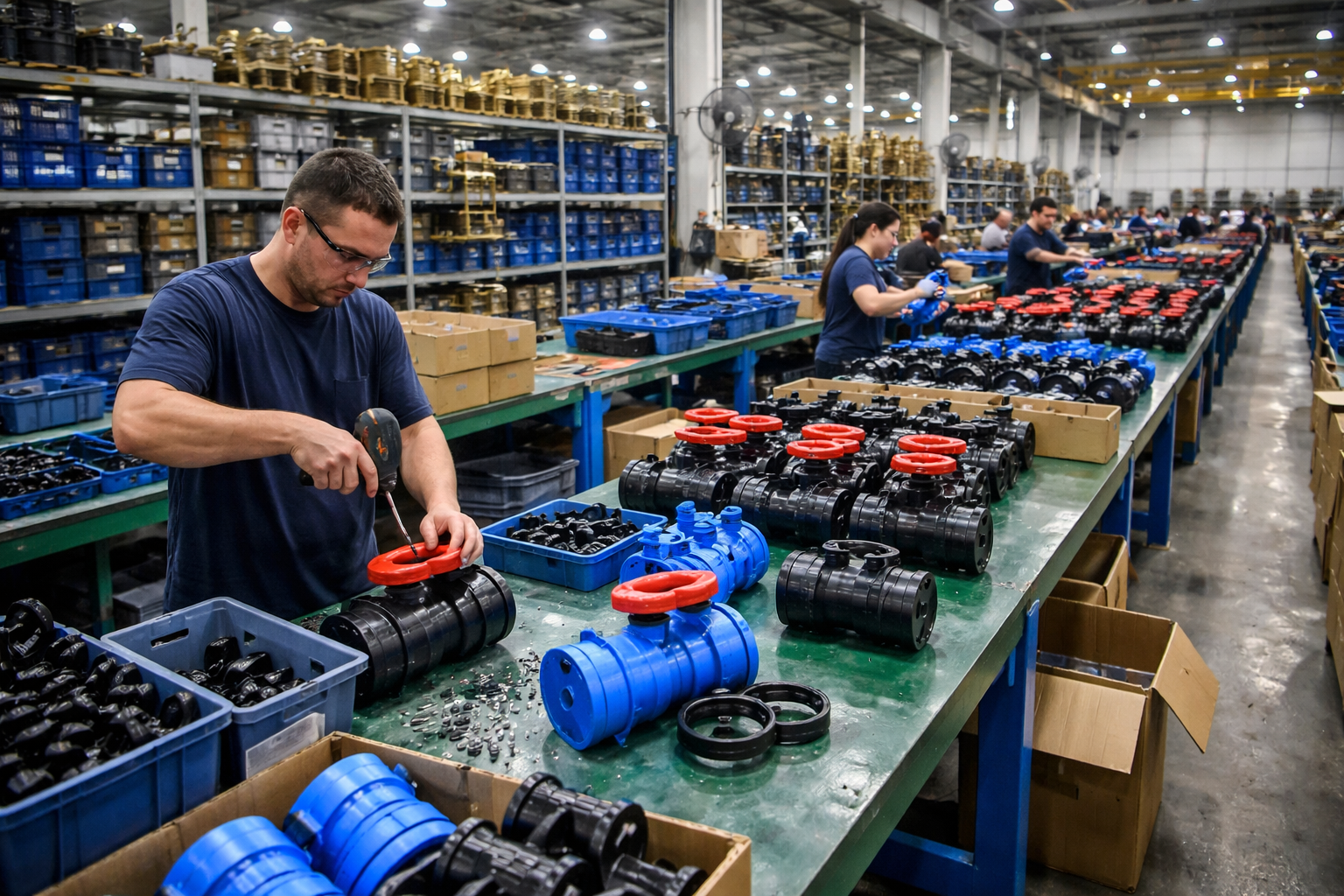
Step 4: Assembly
Assemble the valve body, ball, stem, seal rings, and turbine head assembly. During installation, ensure the coaxiality of the turbo ball valve and the correct positioning of the seals to prevent leakage risks.
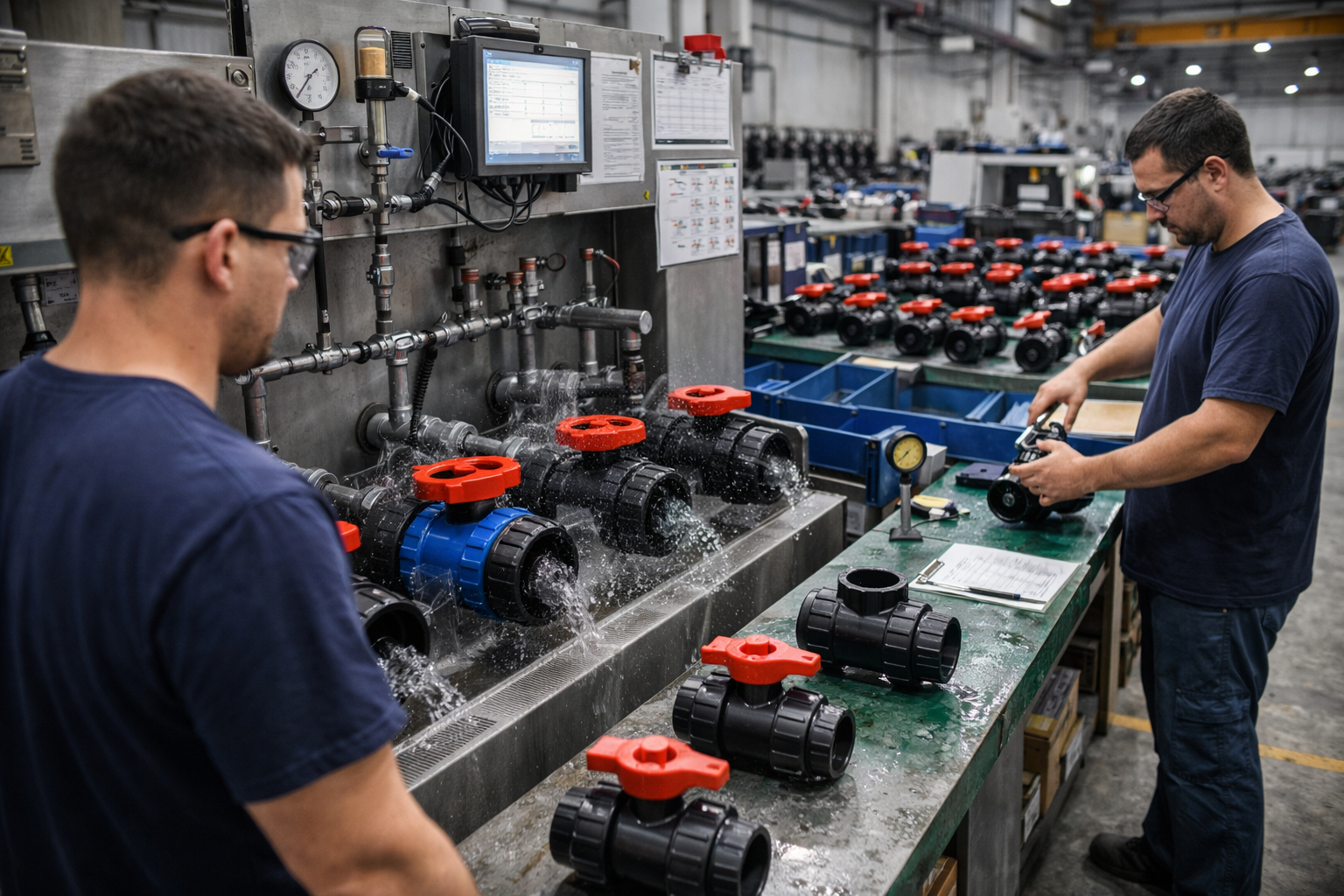
Step 5: Testing & Quality Assurance
Conduct pressure testing, seal testing, and operating torque testing on the turbo ball valve to ensure compliance with relevant standards (such as ISO or API). Simultaneously perform visual and dimensional inspections to ensure product consistency.
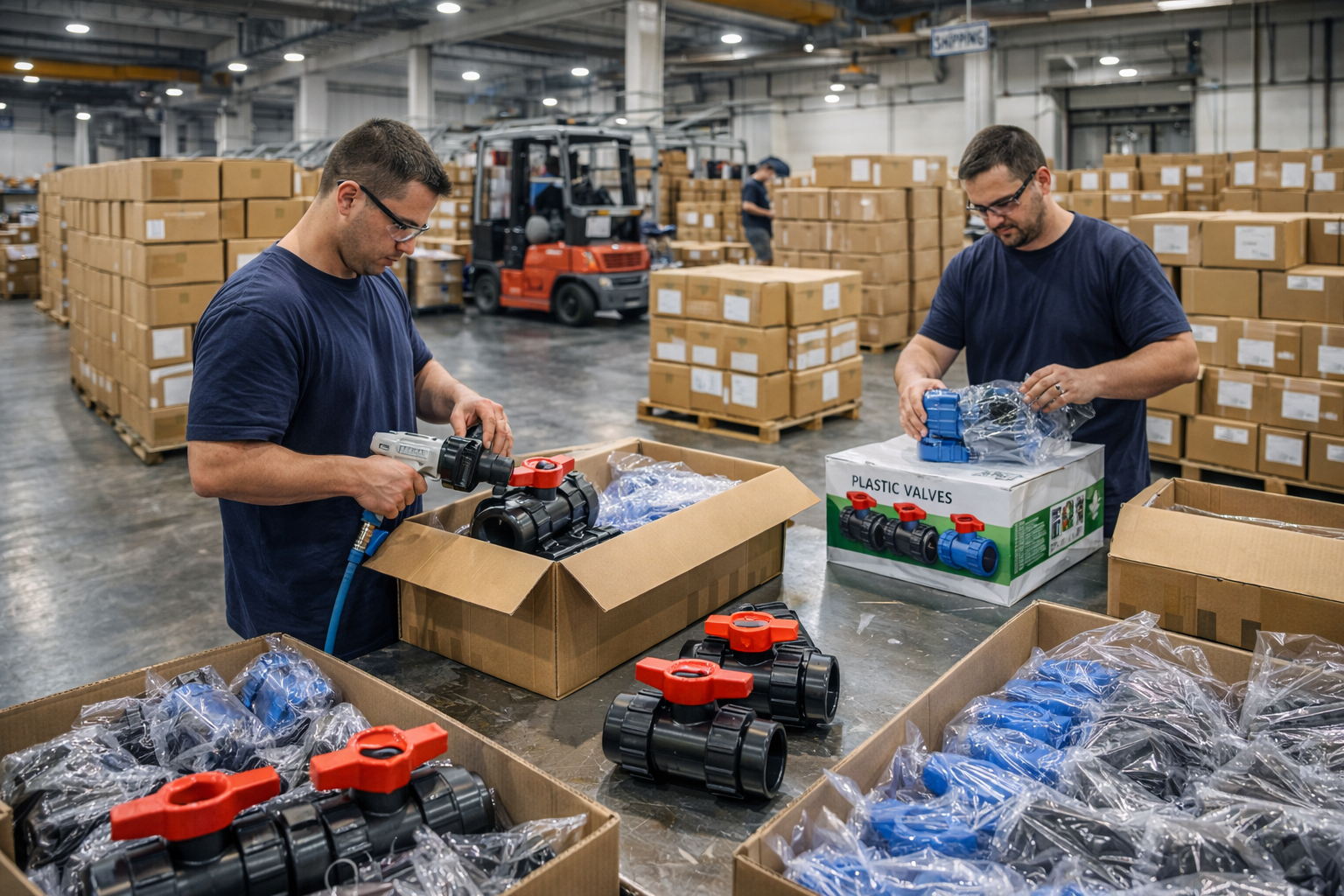
Step 6: Finishing, Packaging and Shipment
Clean the product surface and print markings as necessary. Package the turbo ball valve in protective packaging (dust-proof and moisture-proof), pack it into boxes according to order requirements, and arrange for shipment.
Applications
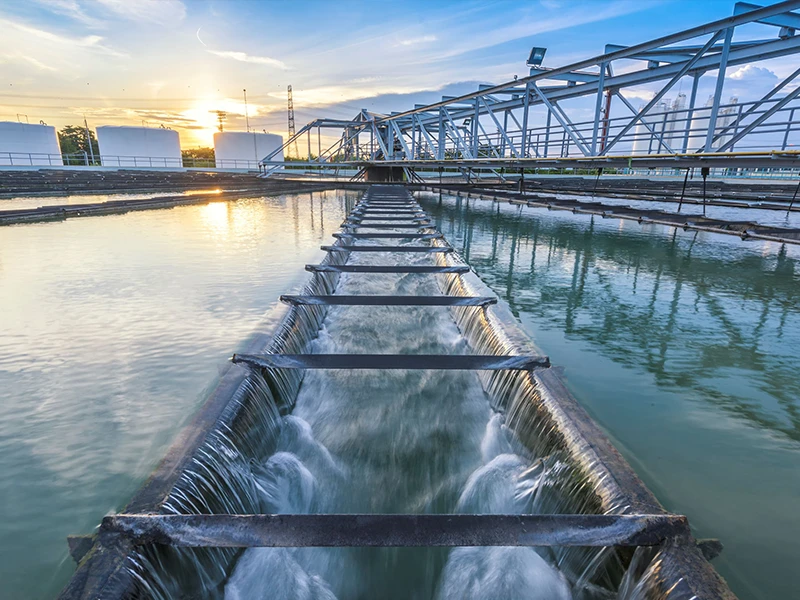
Water treatment, environmental engineering, chemical corrosion protection, chemical raw material transportation, mining and smelting, and the food and beverage industry.
These valves are widely used in:
Agriculture and Irrigation
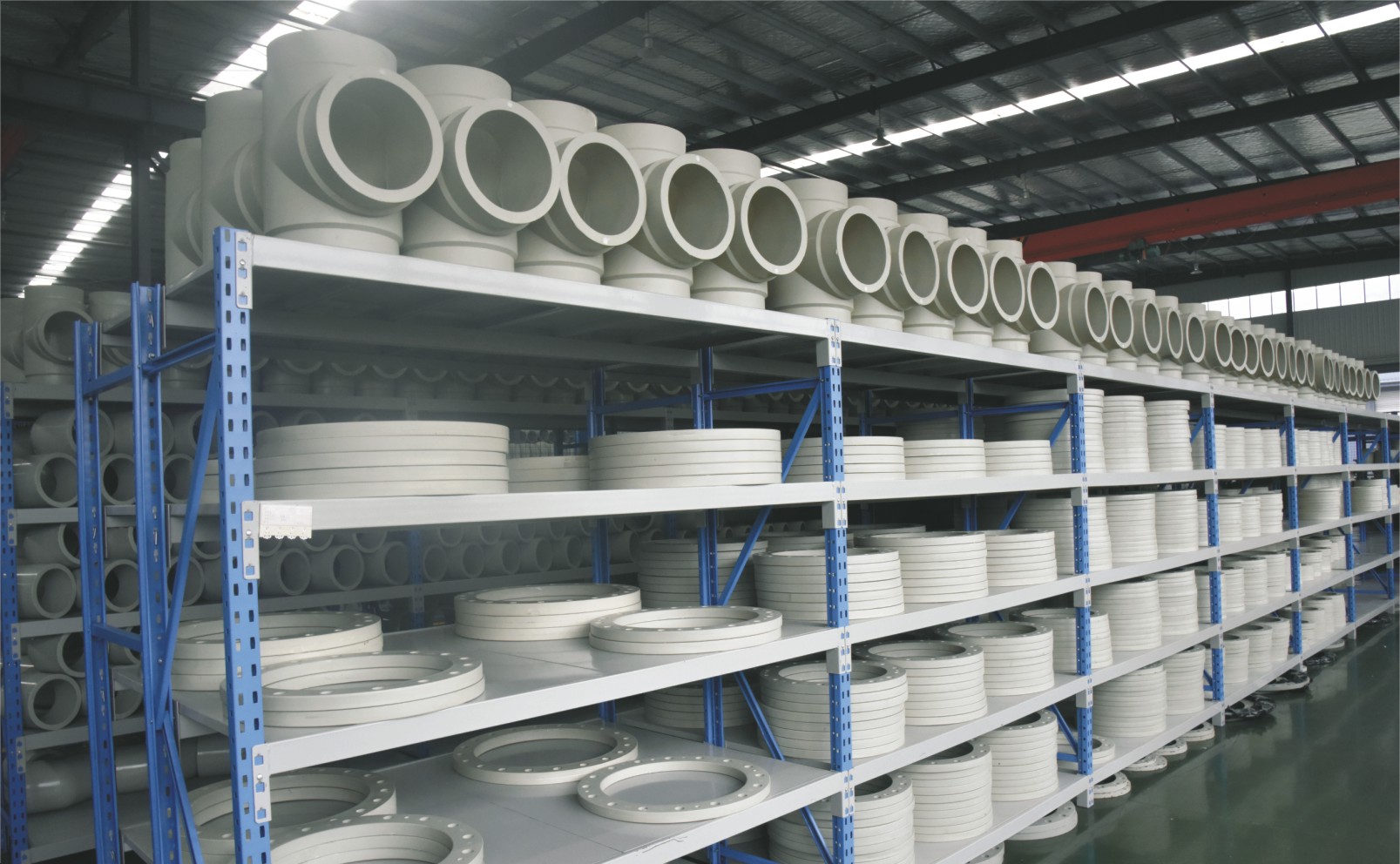
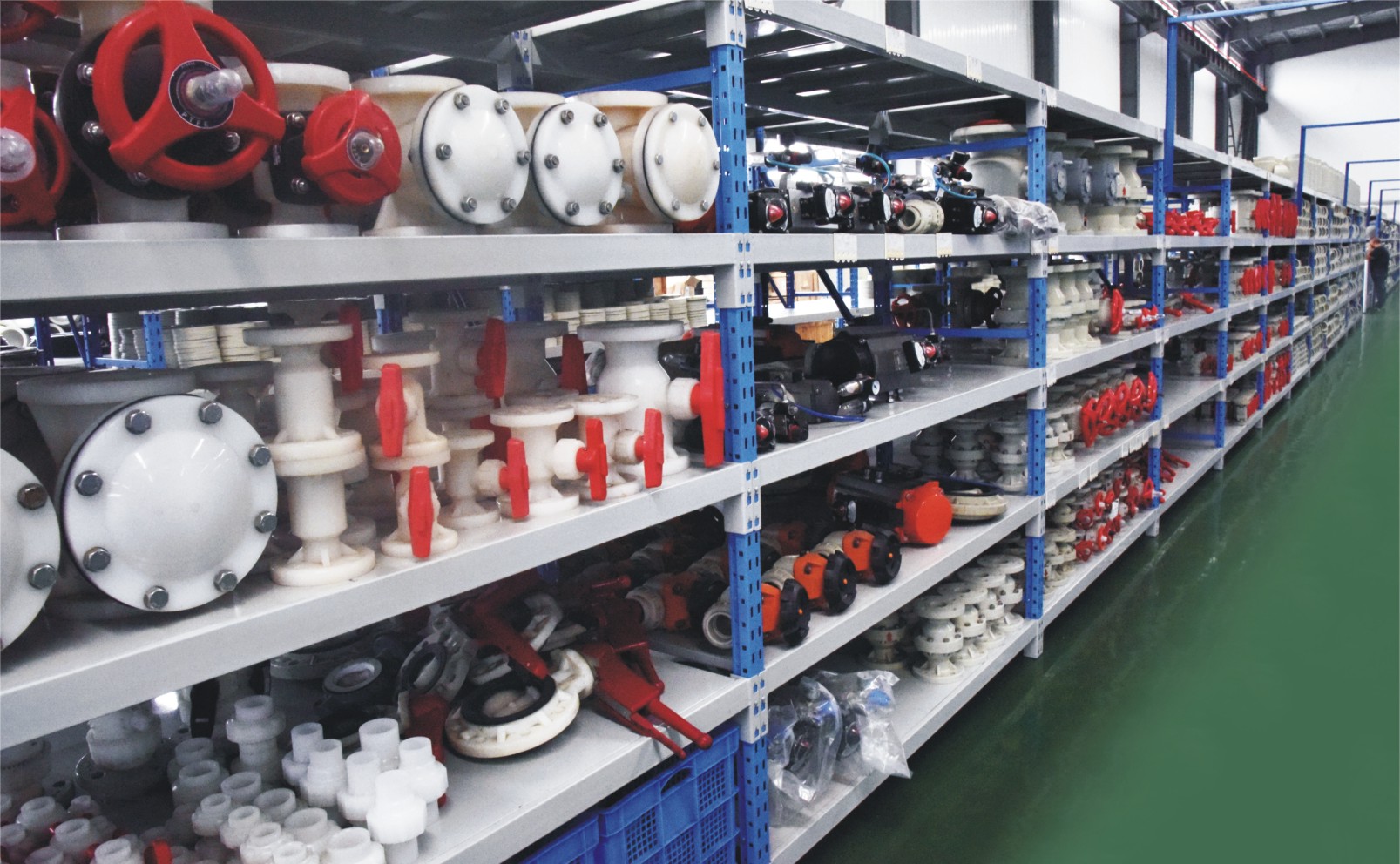
Factory Environment
Why Choose Us
Superior Quality
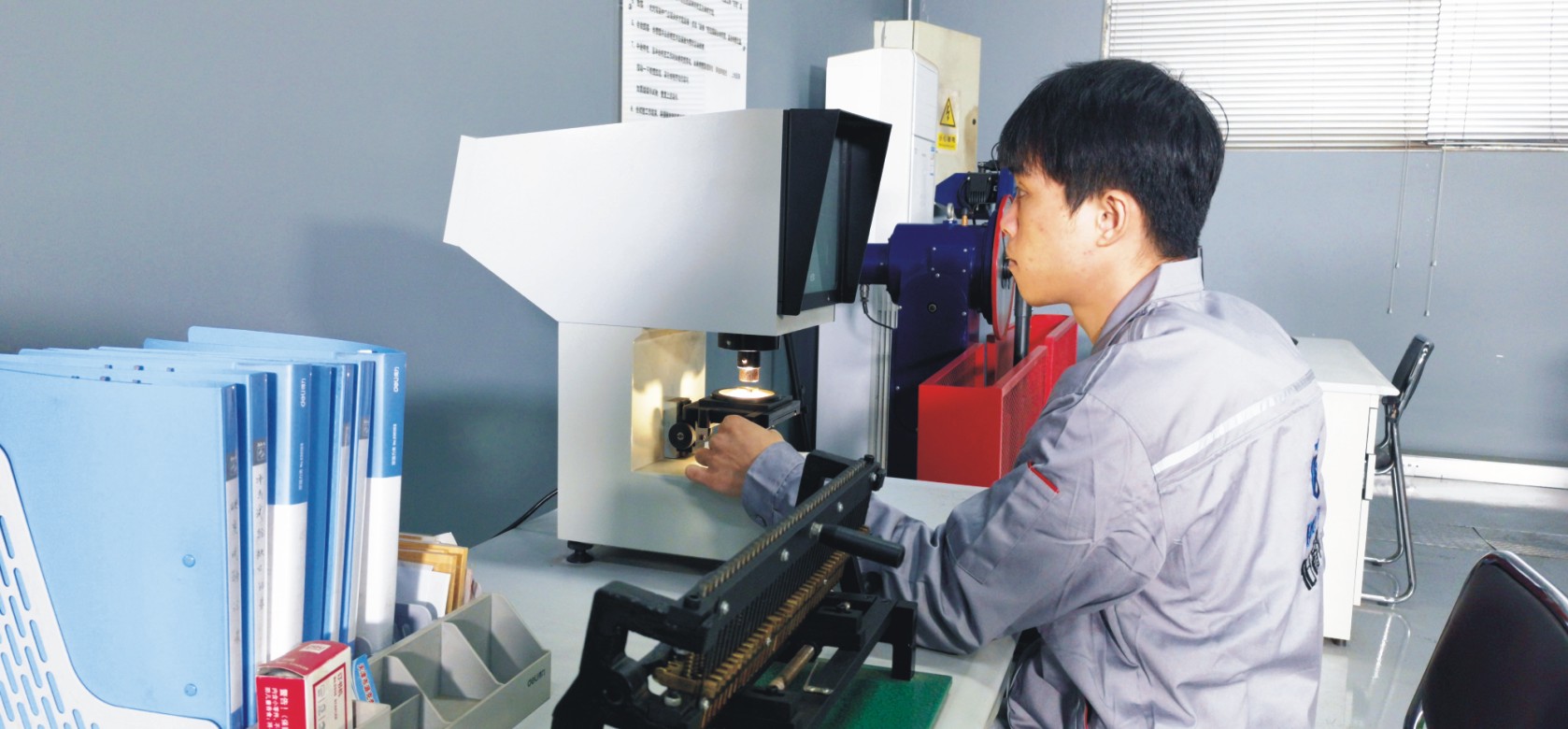
Our valves are produced from high-grade materials and subjected to strict quality inspections to guarantee dependable performance in challenging industrial environments.
Advanced Technology
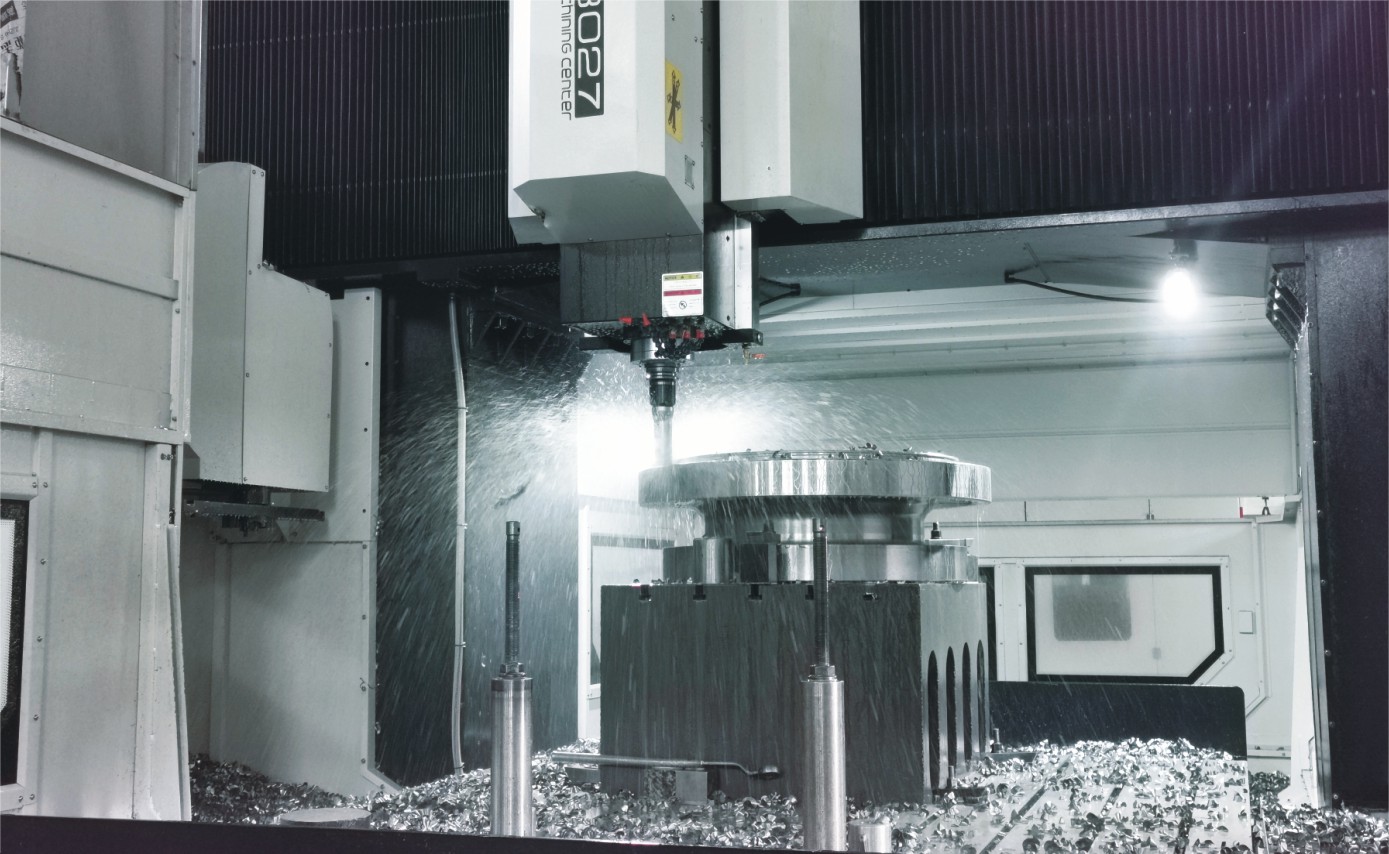
With cutting-edge CNC machining systems and high-precision manufacturing equipment, we ensure valves are made with outstanding accuracy and uniformity.
Competitive Pricing
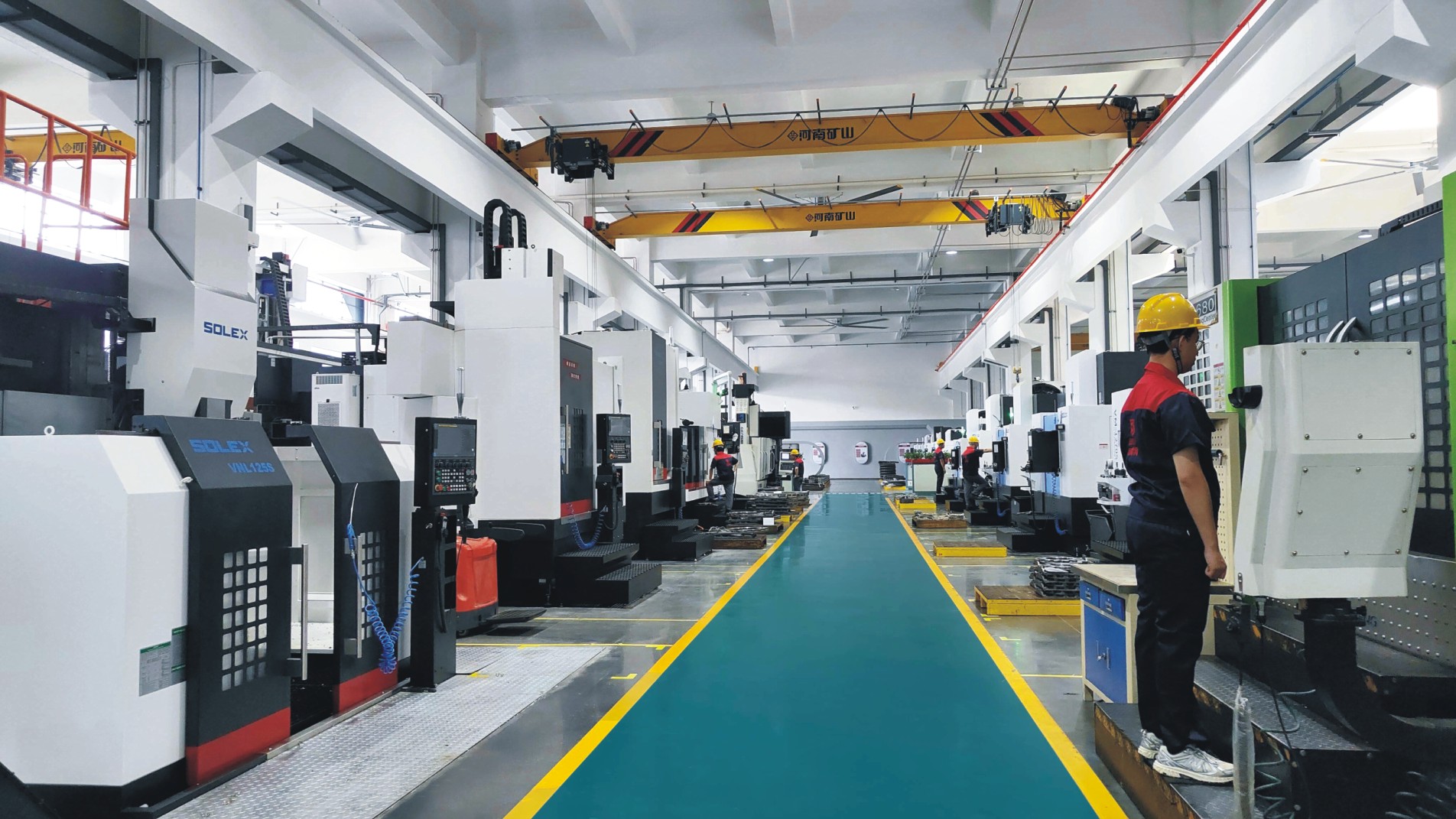
By streamlining production processes and sourcing materials in bulk, we provide premium-quality valves at competitive prices while maintaining excellent standards.
Expert Support
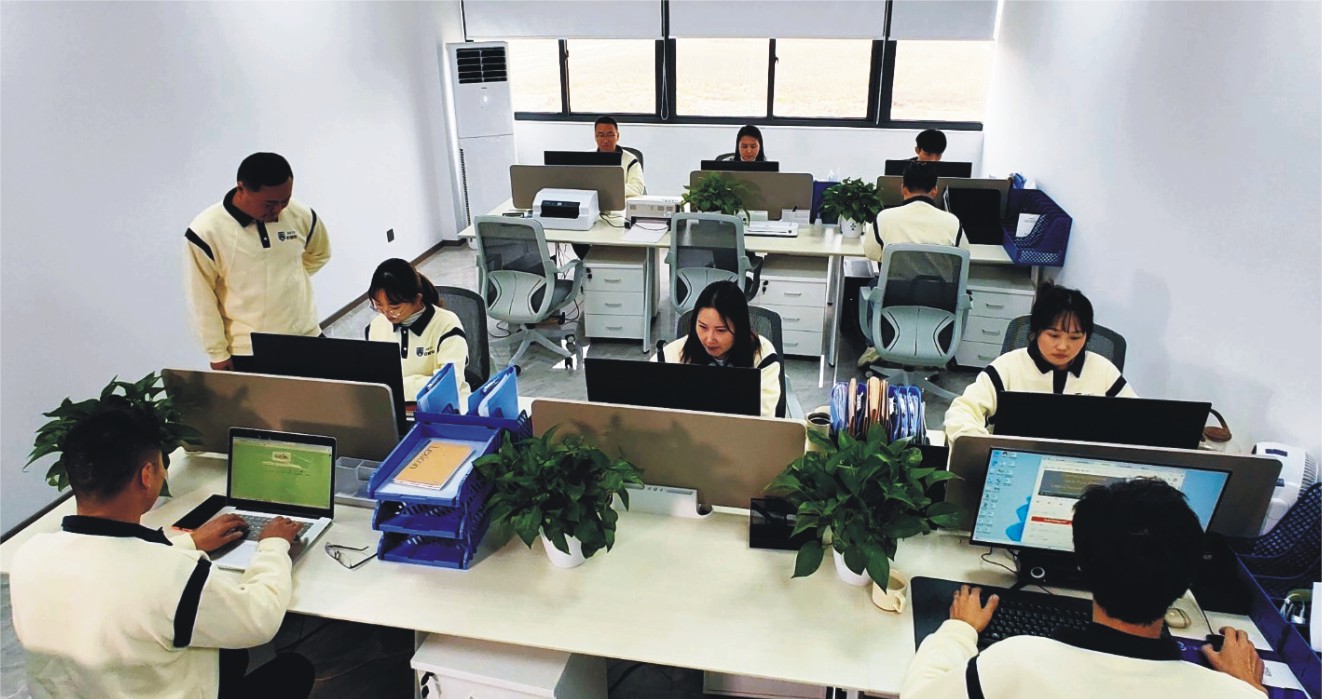
Our skilled technical team offers full support from product selection through after-sales service, helping ensure the best valve performance for your application.