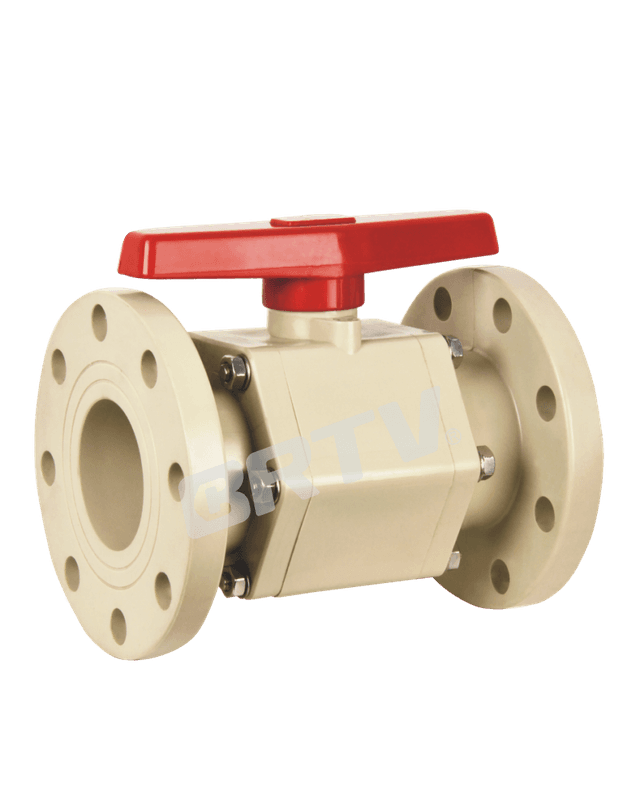
Features
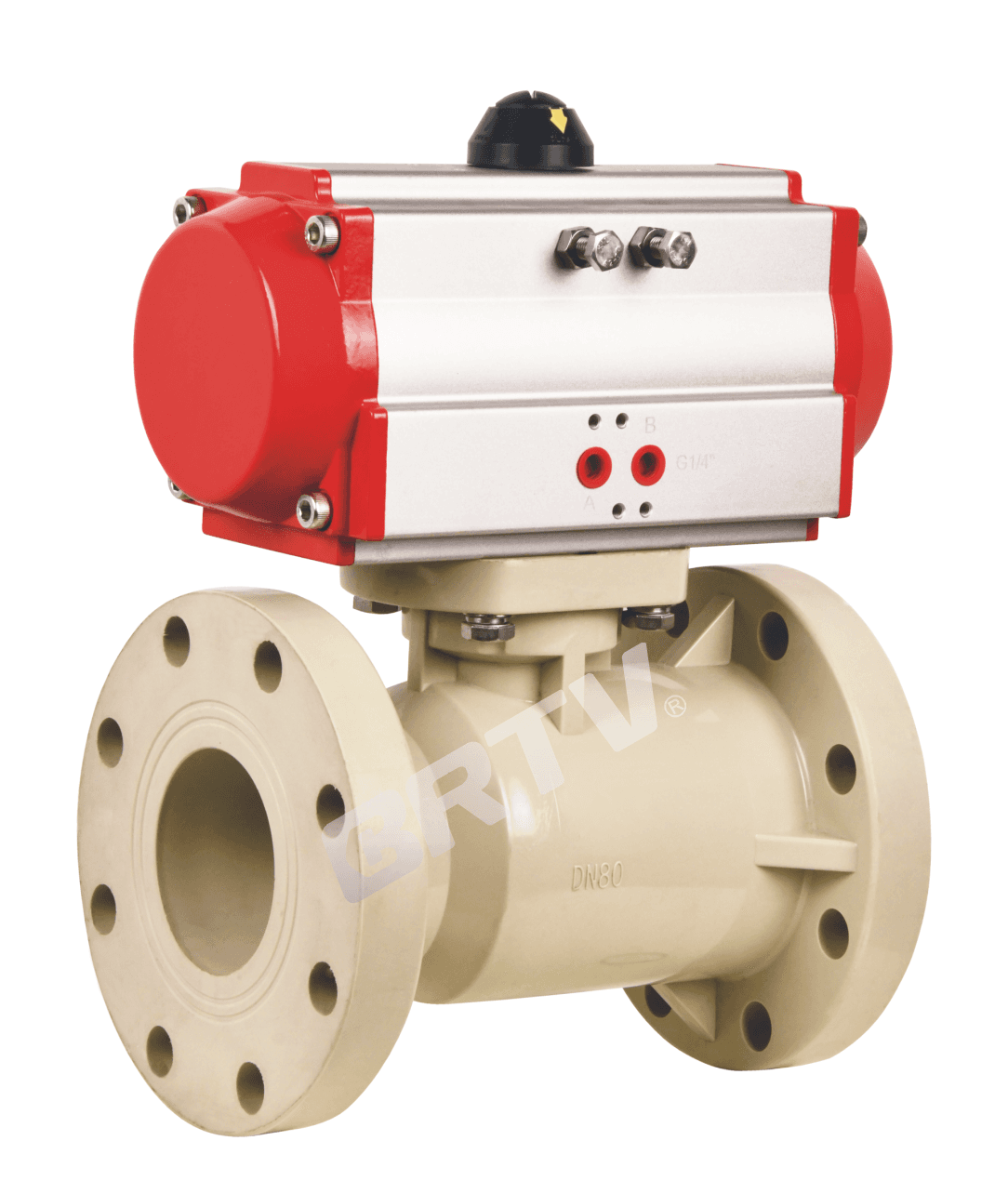
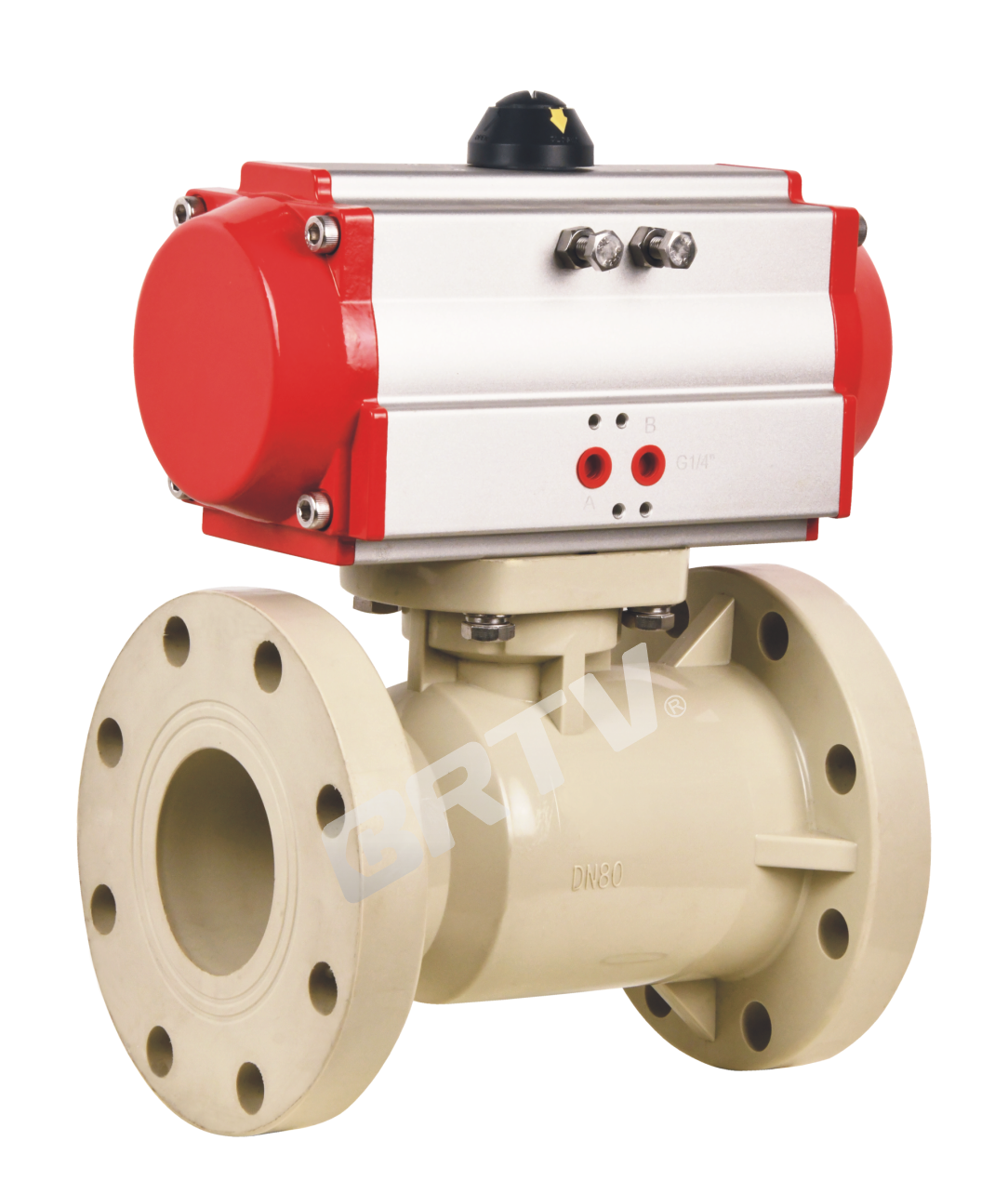
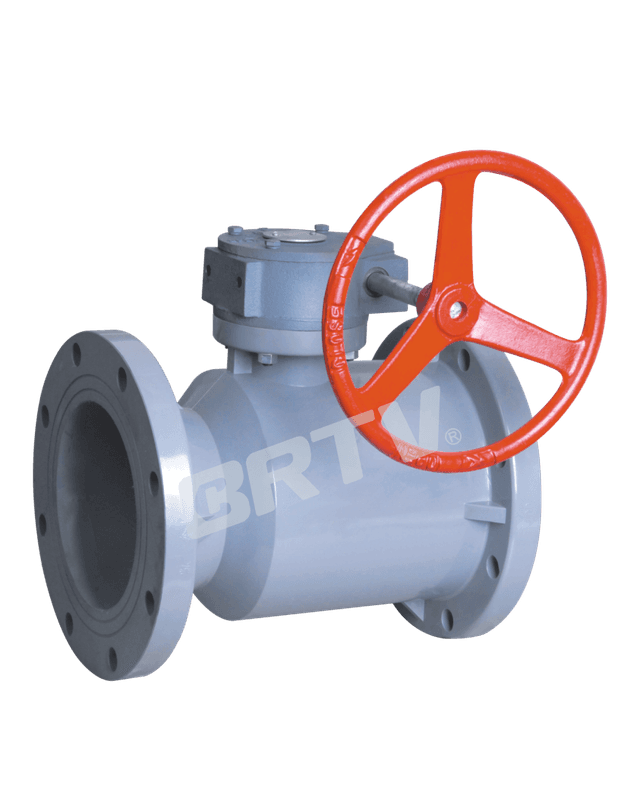
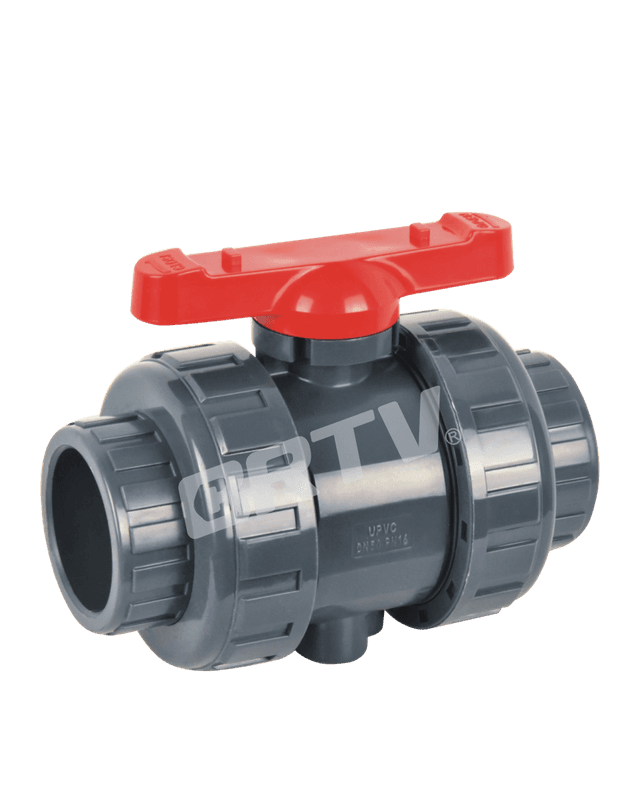
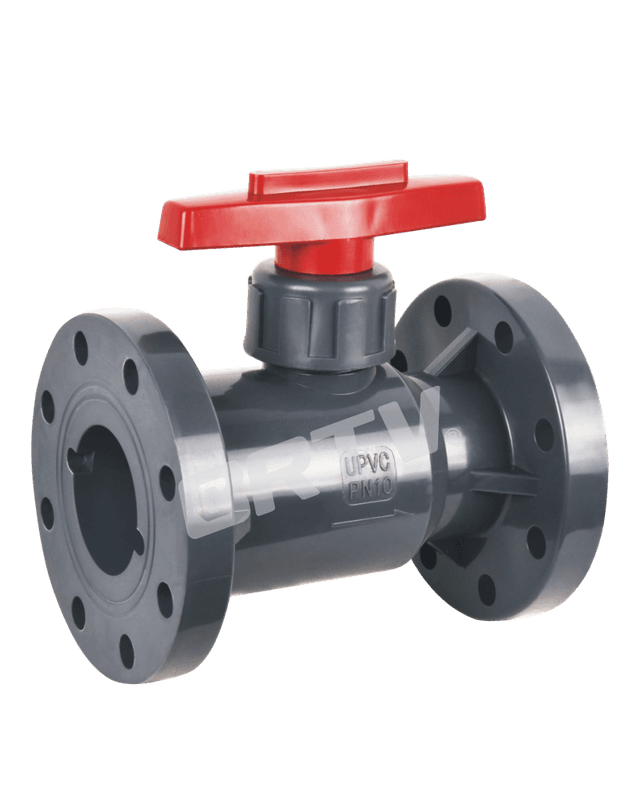
• Three industrial-grade plastic ball valve platforms have been innovatively developed, suitable for various structures and working conditions.
• A wide range of optional accessories can be easily installed or removed.
• With extensive experience, professional selection, and strict testing, reliable product quality is ensured.
• Compared with metal automatic ball valves (such as stainless steel), plastic automatic ball valves are lightweight, corrosion-resistant, easy to replace, convenient to maintain and install, and cost-effective.
• Automatic union ball valves should be installed on a support base to prevent nut leakage or damage.
• All-plastic pneumatic actuators are available, offering better corrosion resistance and lighter weight.
Product Advantages
• Plastic automatic ball valves are much lighter than metal automatic ball valves, making installation and operation easier.
• The consistent valve body structure allows direct replacement of manual ball valves on pipelines using automatic ball valves.
• Automatic valves reduce the chance of workers coming into contact with hazardous media, improving safety in production.
• It is recommended to install a backup manual valve at the position of the automatic valve to handle unexpected situations such as power failure, gas supply interruption, or control failure.
Ball Valve Mounting Pad Selection Table
| Ball Valve Type | DN15 | DN20 | DN25 | DN32 | DN40 | DN50 | DN65 | DN80 | DN100 | DN125 | DN150 | DN200 | DN250 | DN300 |
|---|
| Flanged Ball Valve | ○ | ○ | ◎ | ◎ | ◎ | ◎ | ◎ | ◎ | ◎ | ○ | ○ | ◎ | ◎ | ◎ |
| High Strength Ball Valve | × | × | ○ | ○ | ○ | ○ | ◎ | ◎ | ◎ | ◎ | ◎ | × | × | × |
| Union Ball Valve | ◎ | ◎ | ◎ | ◎ | ◎ | ◎ | ○ | ○ | ○ | × | × | × | × | × |
| Flexible Ball Valve (with Flange) | ◎ | ◎ | ○ | ○ | ○ | ○ | × | × | × | × | × | × | × | × |
Symbol Meaning:
◎ = Well adapted (recommended)
○ = Available
× = Not compatible
Manufacturing Process
Step 1: Order and Design
Technical specifications are confirmed based on customer requirements (pressure rating, medium, dimensions, connection type, etc.), and the structural design and material selection for the automatic ball valve are finalized to ensure compliance with corrosion resistance and sealing performance requirements.
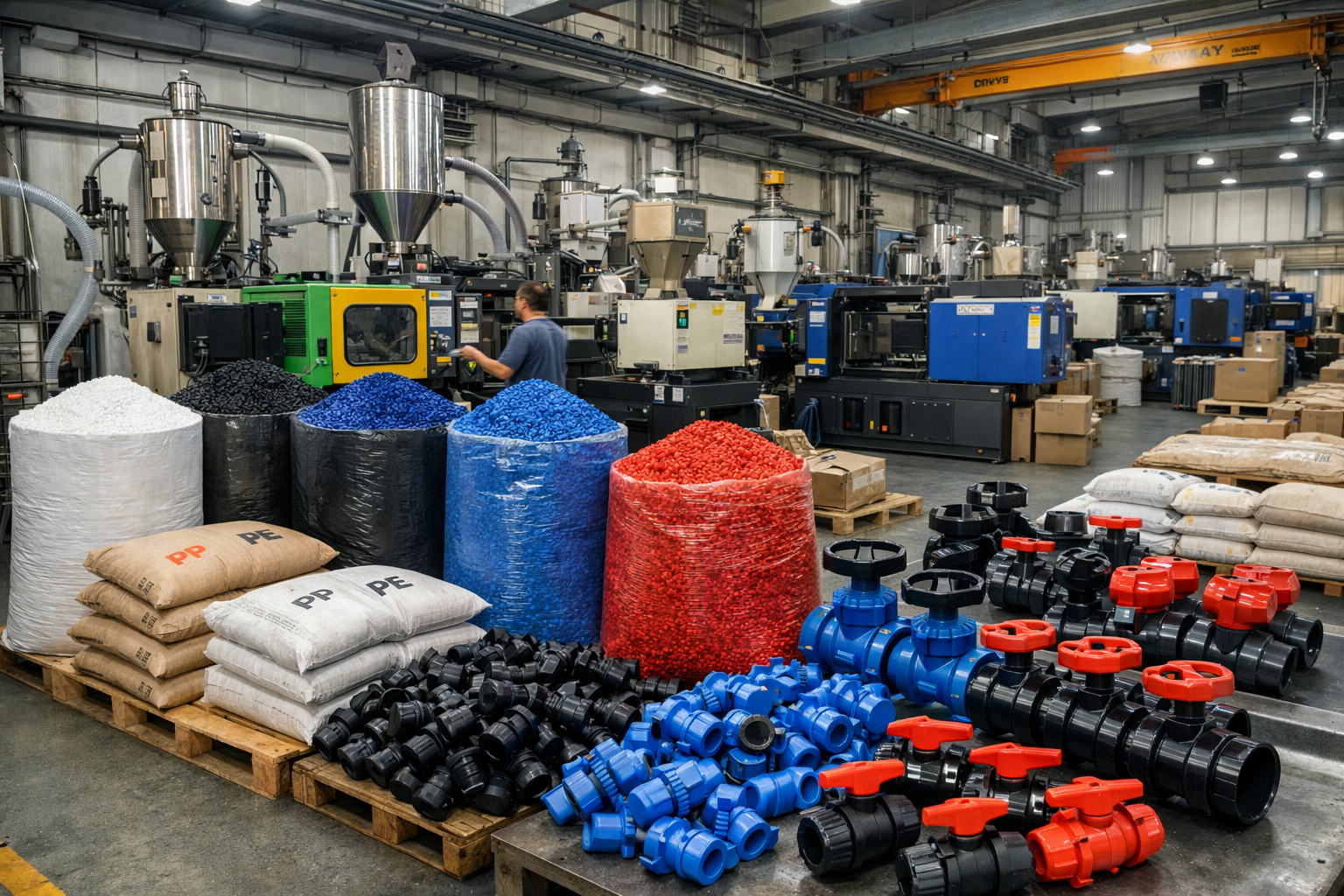
Step 2: Raw Material Preparation & Molding
Select high-quality thermoplastic materials (such as PP, PVC, PVDF, etc.) and use injection molding or compression molding processes to form the valve body, ball, and port components of the automatic ball valve, ensuring the material is uniform and free of pores.
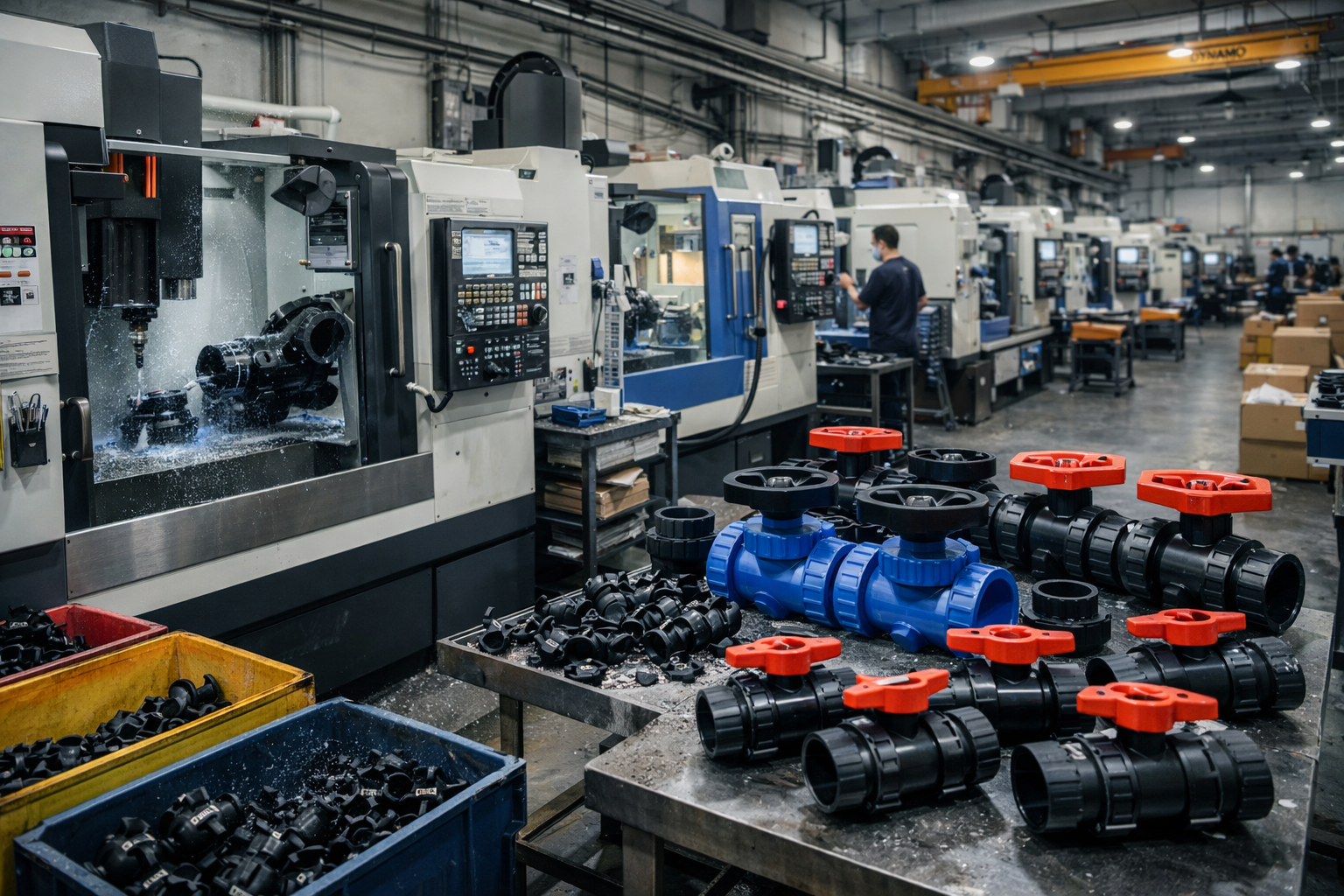
Step 3: Machining
Perform precision machining on the automatic ball valve’s critical components, including sealing surface treatment, ball precision grinding, and flange dimensional adjustment, to ensure excellent sealing performance and fitting accuracy.
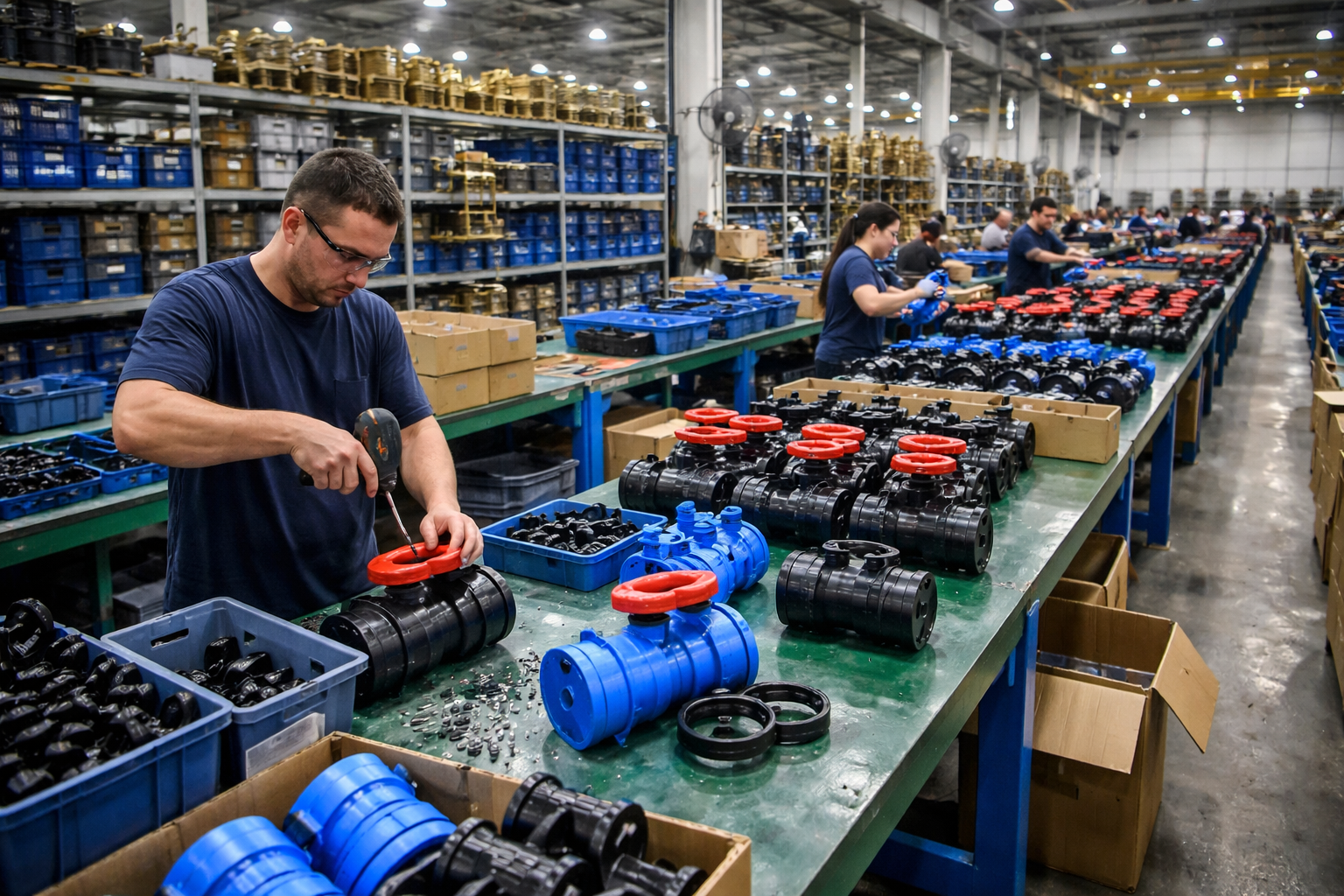
Step 4: Assembly
Assemble the valve body, ball, sealing rings, and actuator (pneumatic or electric) to complete the overall assembly of the automatic ball valve, while adjusting the actuator to ensure smooth opening and closing.
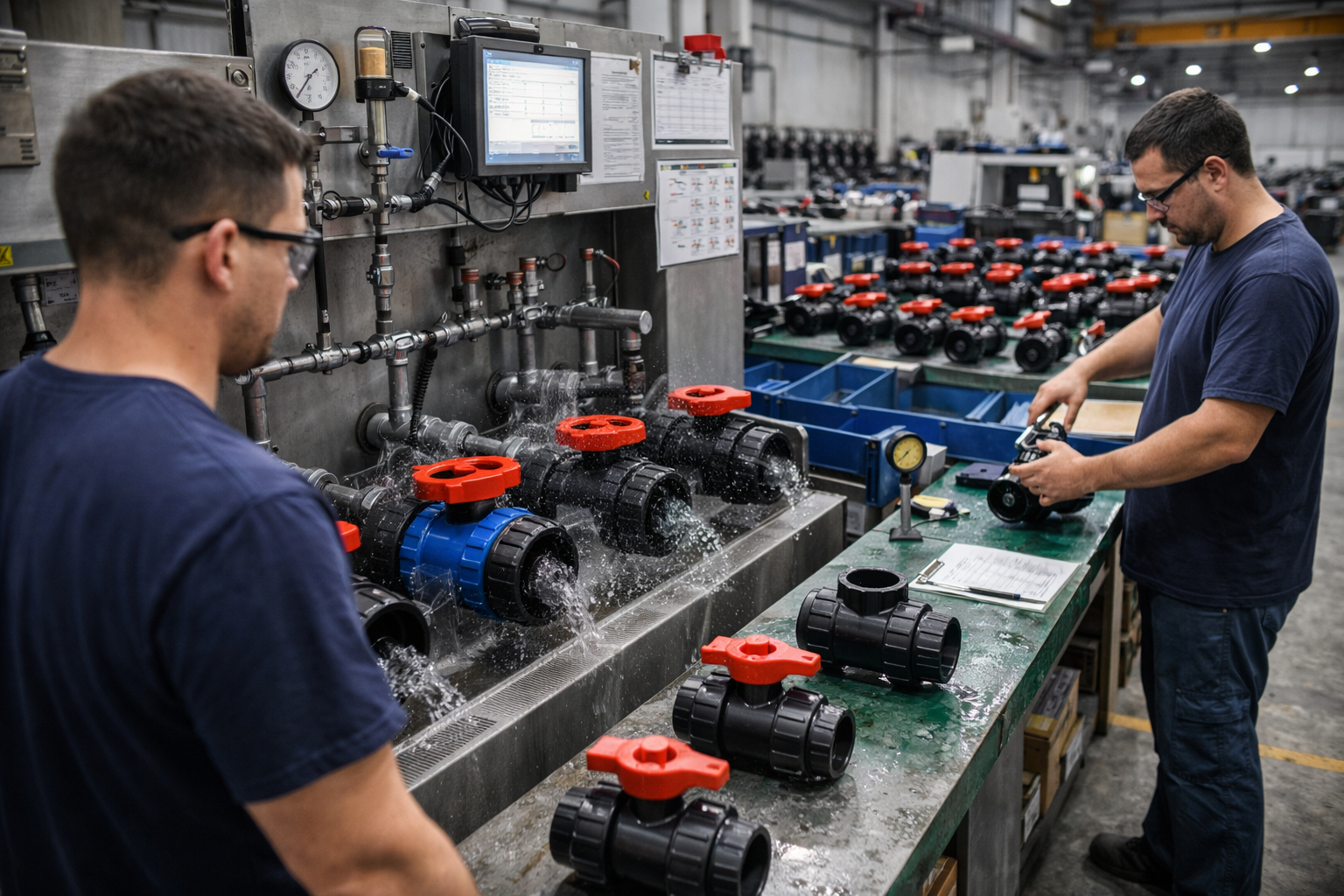
Step 5: Testing & Quality Assurance
Conduct pressure tests, seal tests, and operational tests on the automatic ball valve to ensure there are no leaks, stable opening and closing, and compliance with relevant industry standards (such as ISO, DIN, etc.).
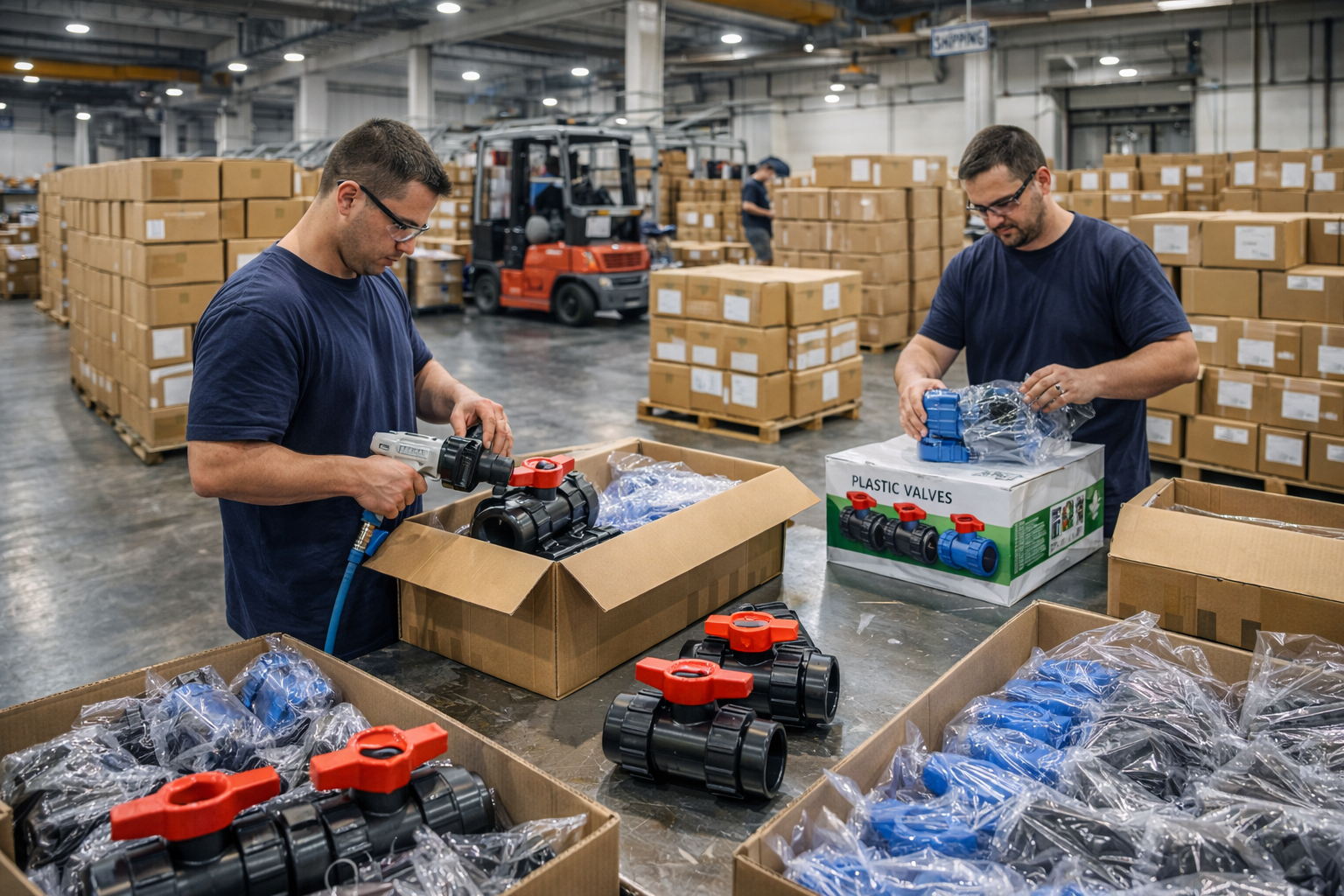
Step 6: Finishing, Packaging and Shipment
Clean, protect, and label the product; use appropriate packaging methods to prevent damage during transport; and finally arrange for shipment of the automatic ball valve.
Applications
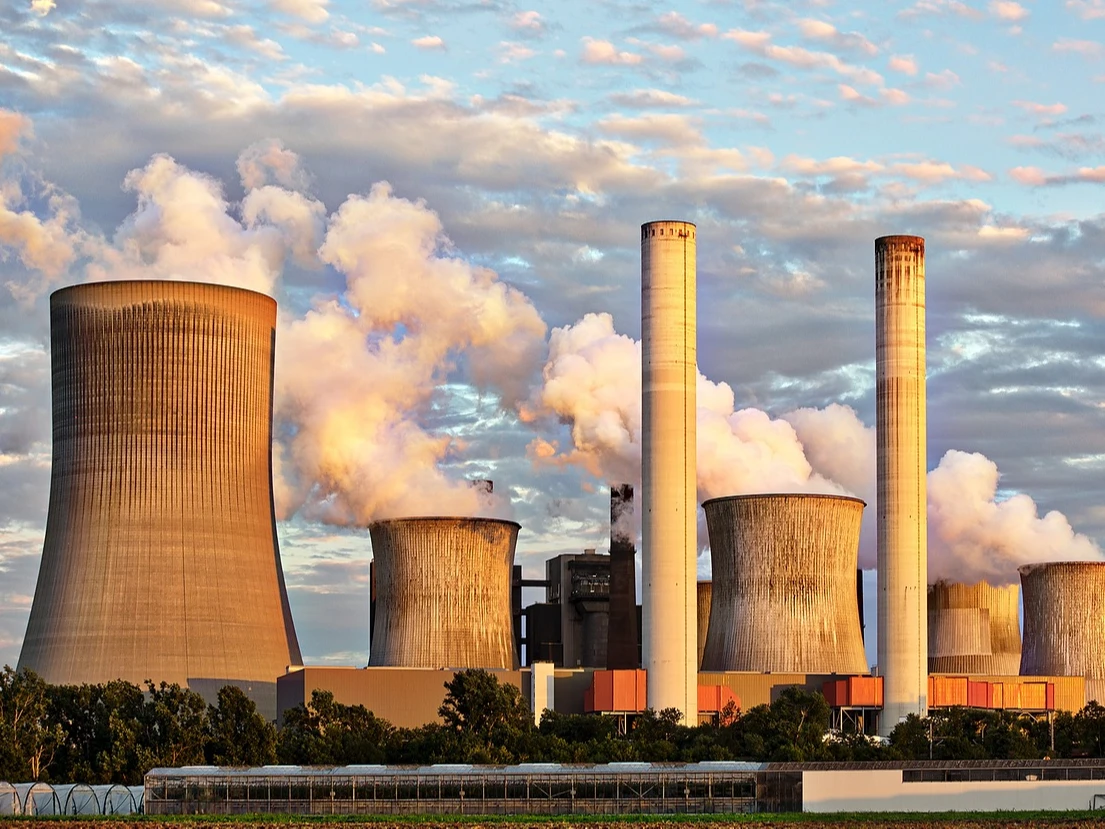
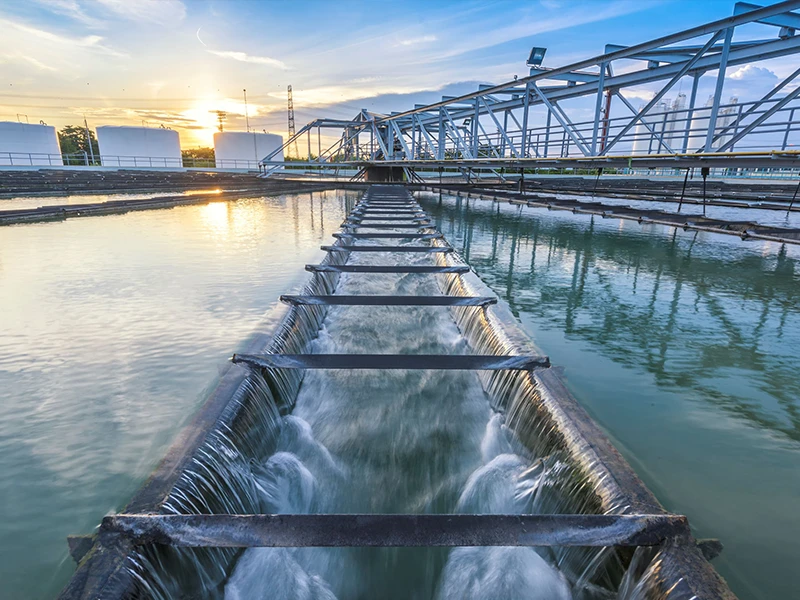
This valve is primarily used to shut off or open pipelines carrying corrosive media such as general-purpose purified water, potable water, drainage, wastewater, acids, alkalis, and chemical solutions.
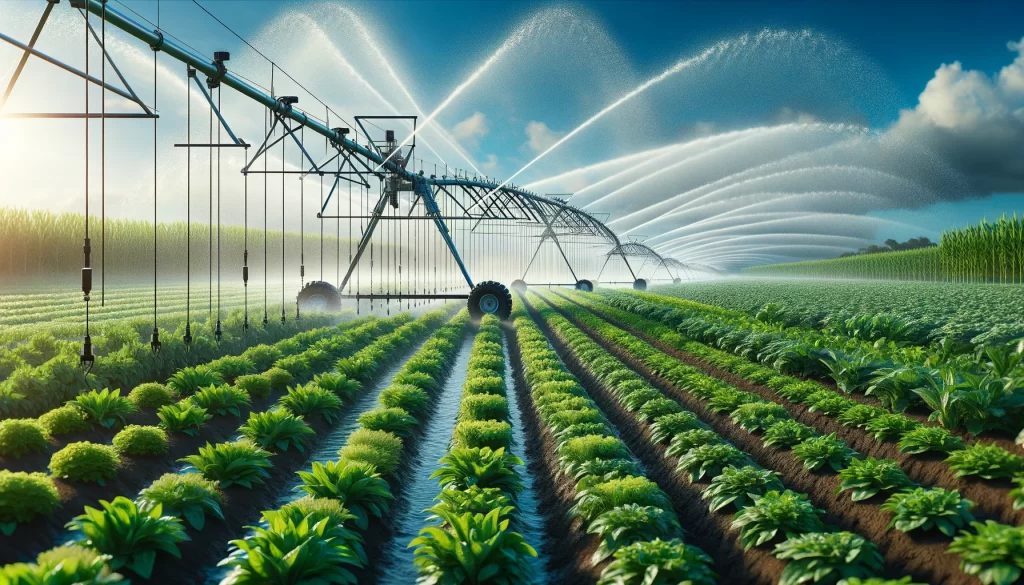
These valves are widely used in:
Agriculture and Irrigation
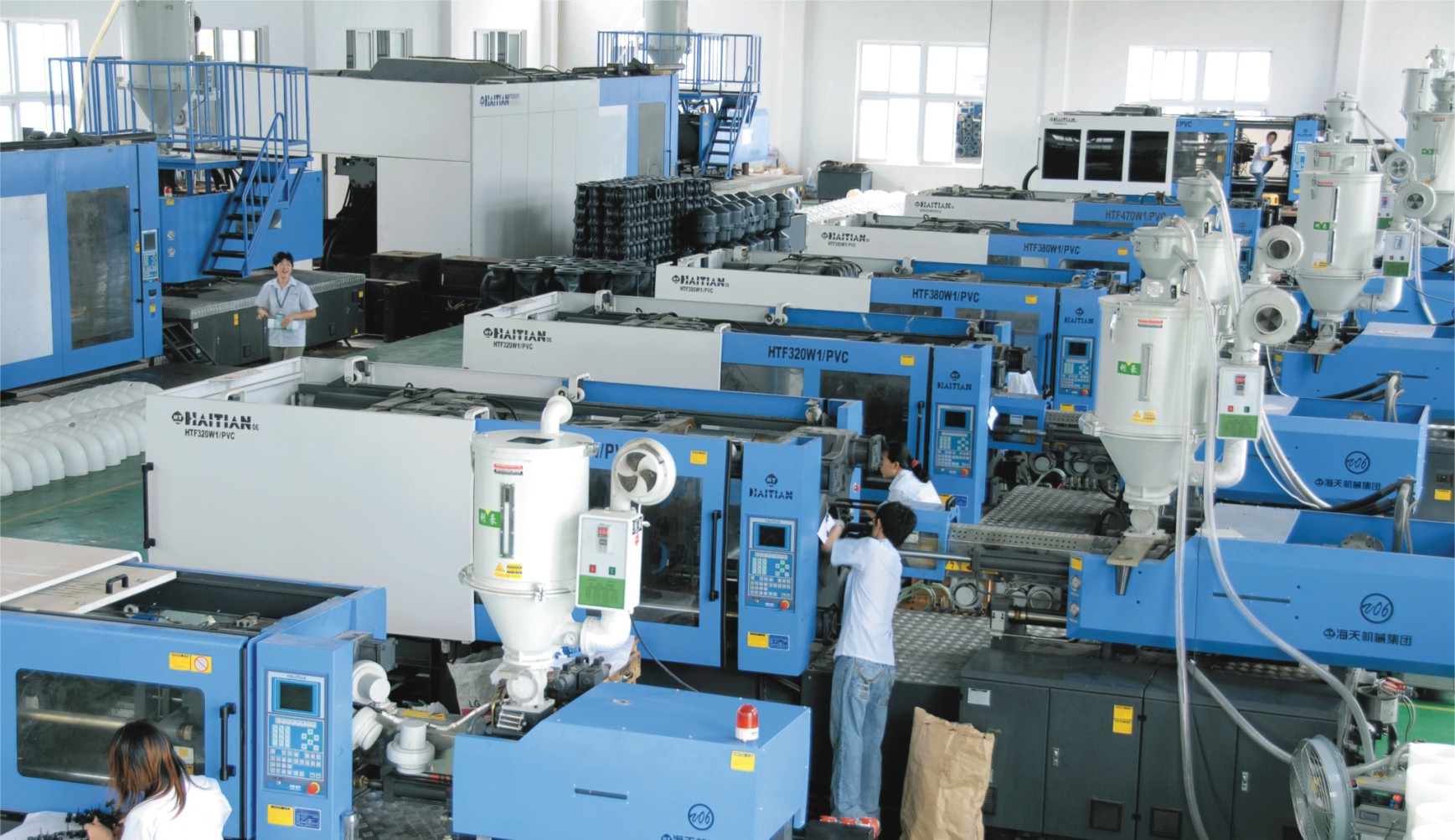
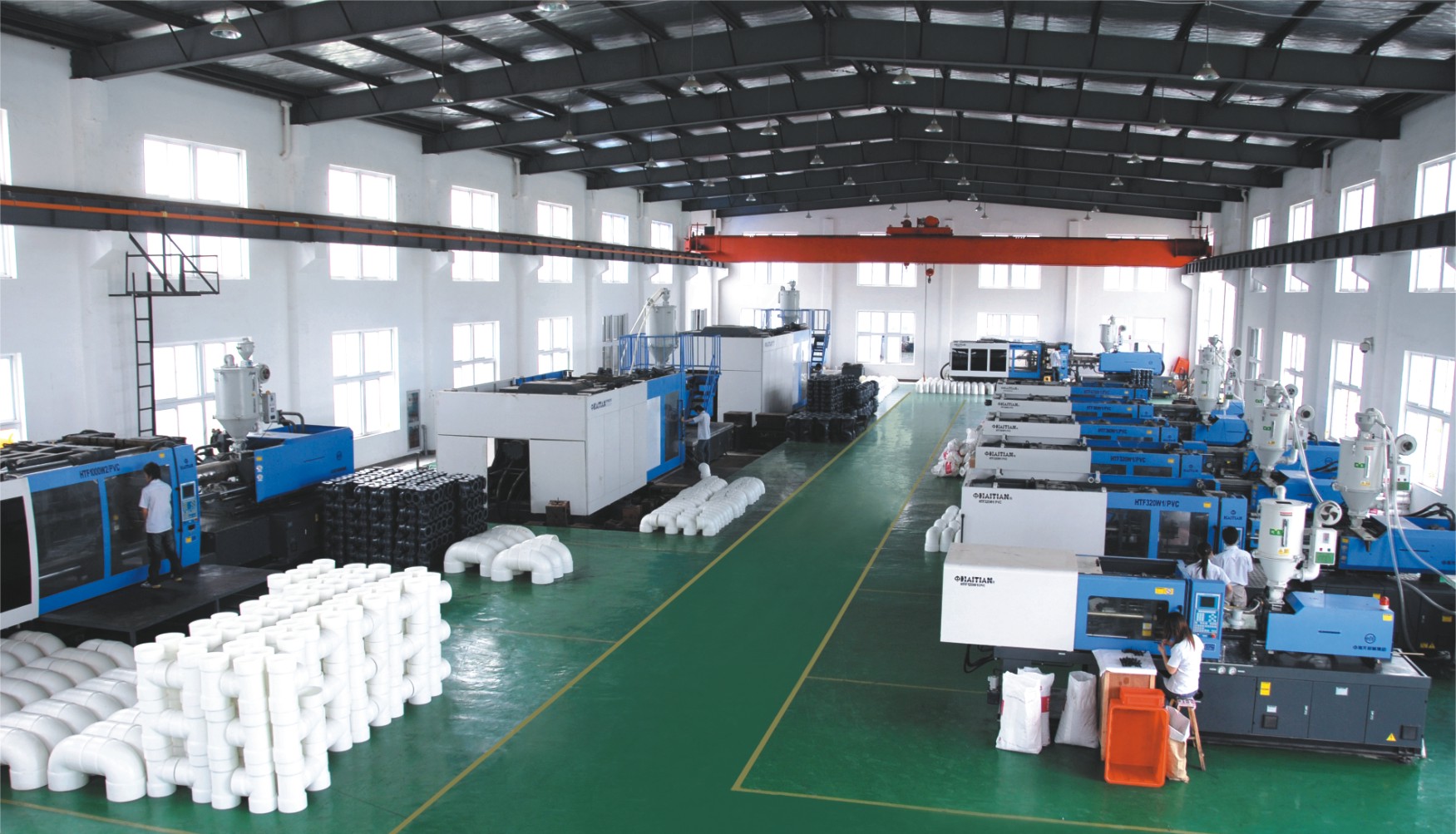
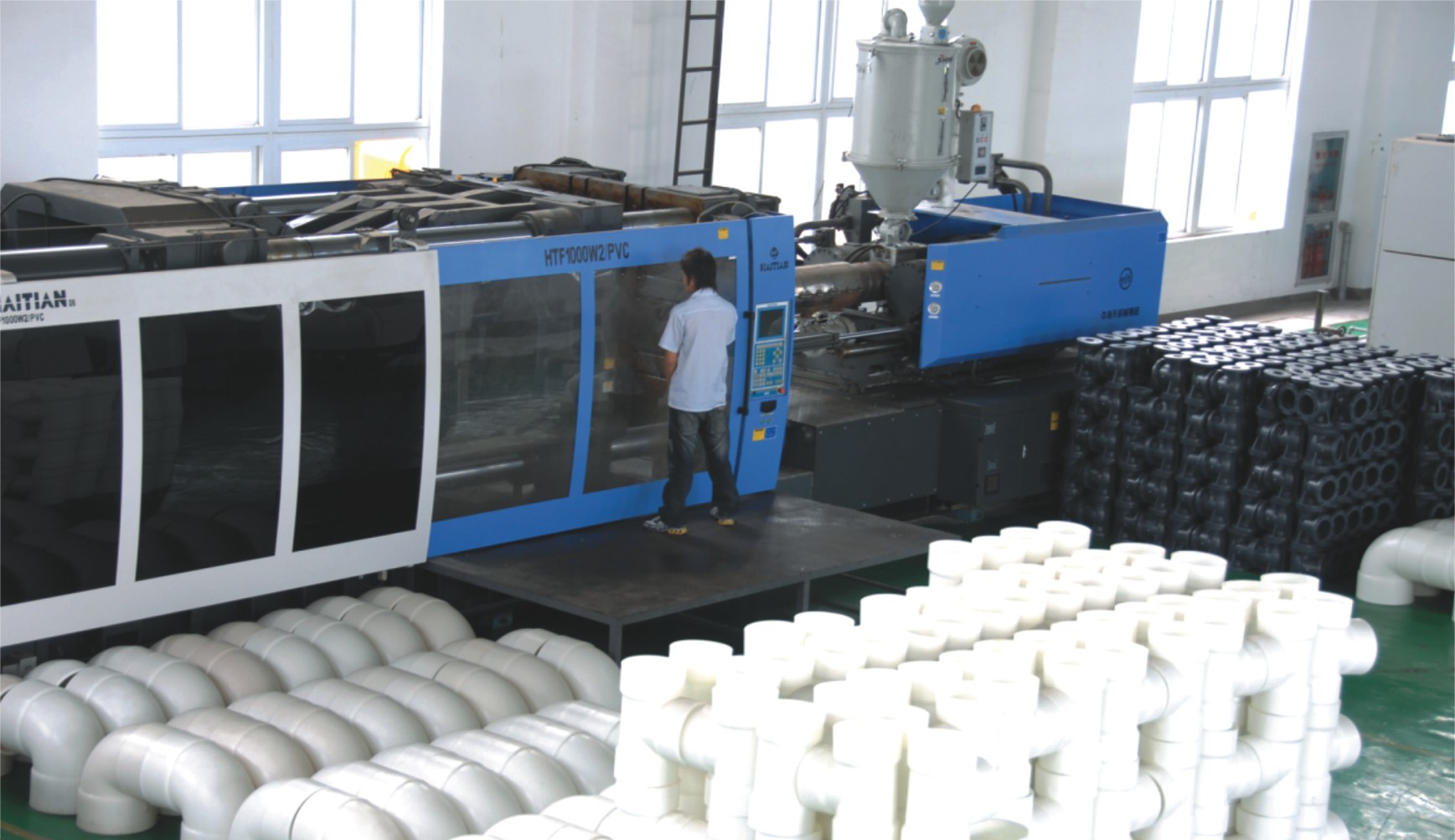
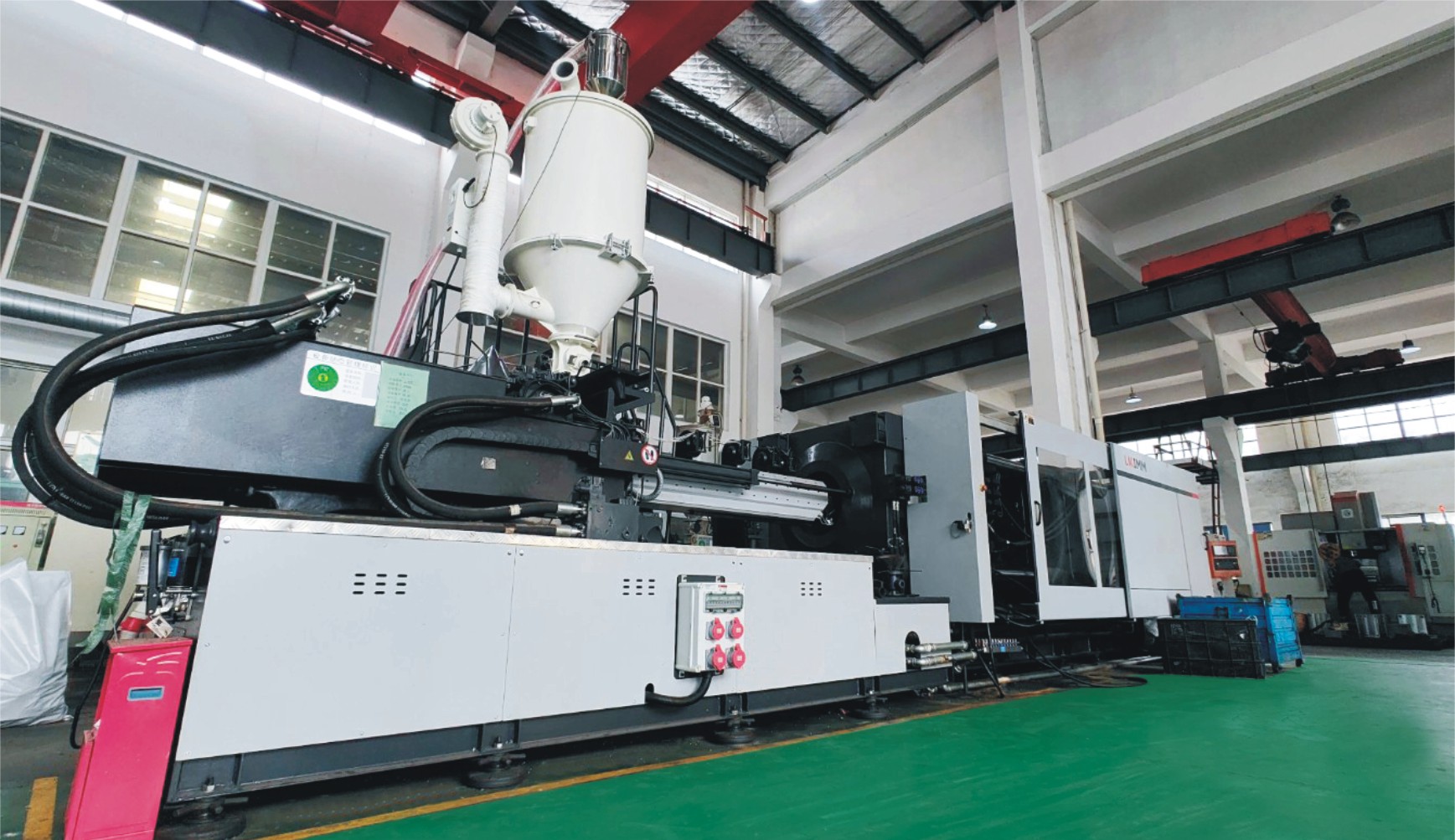
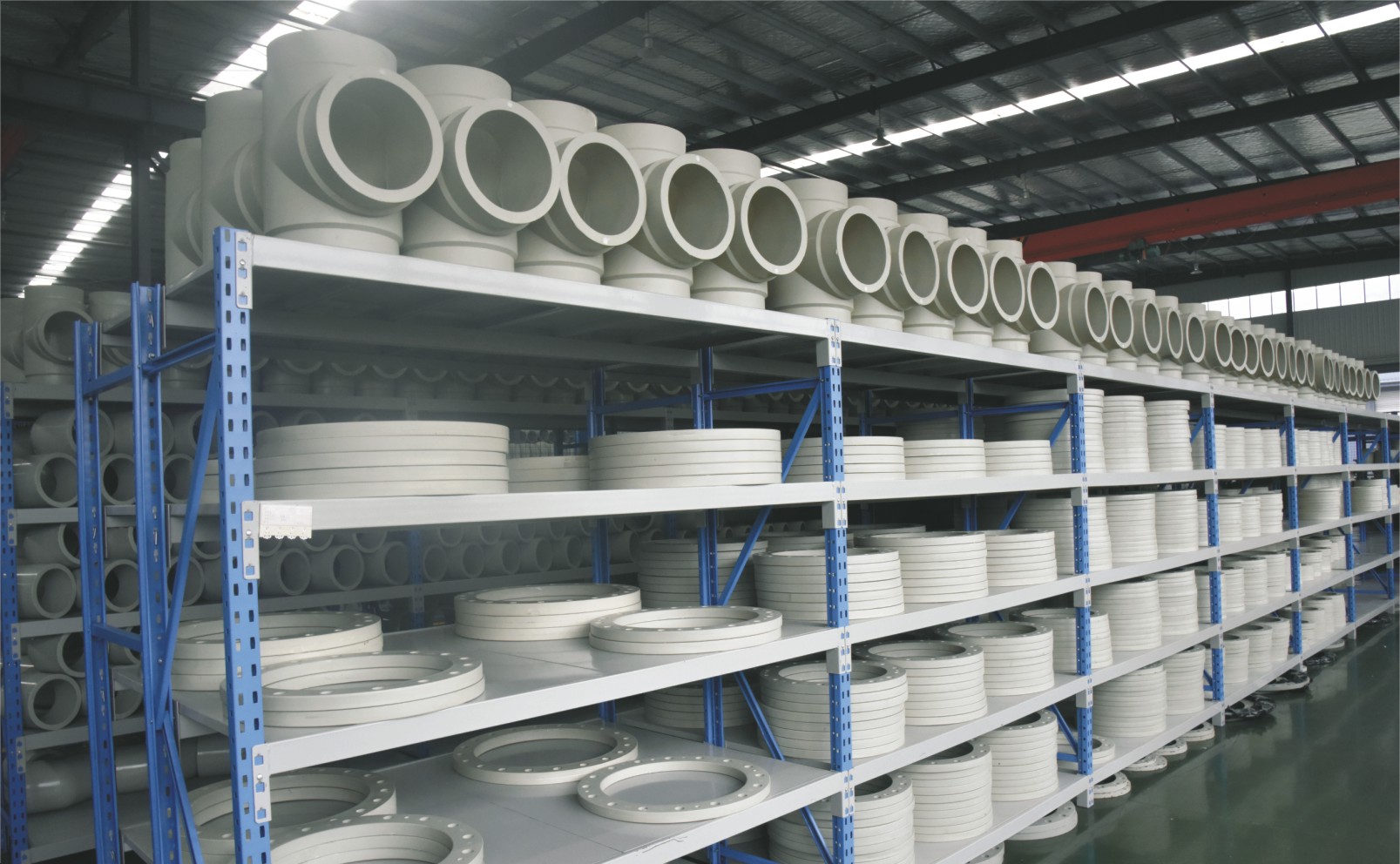
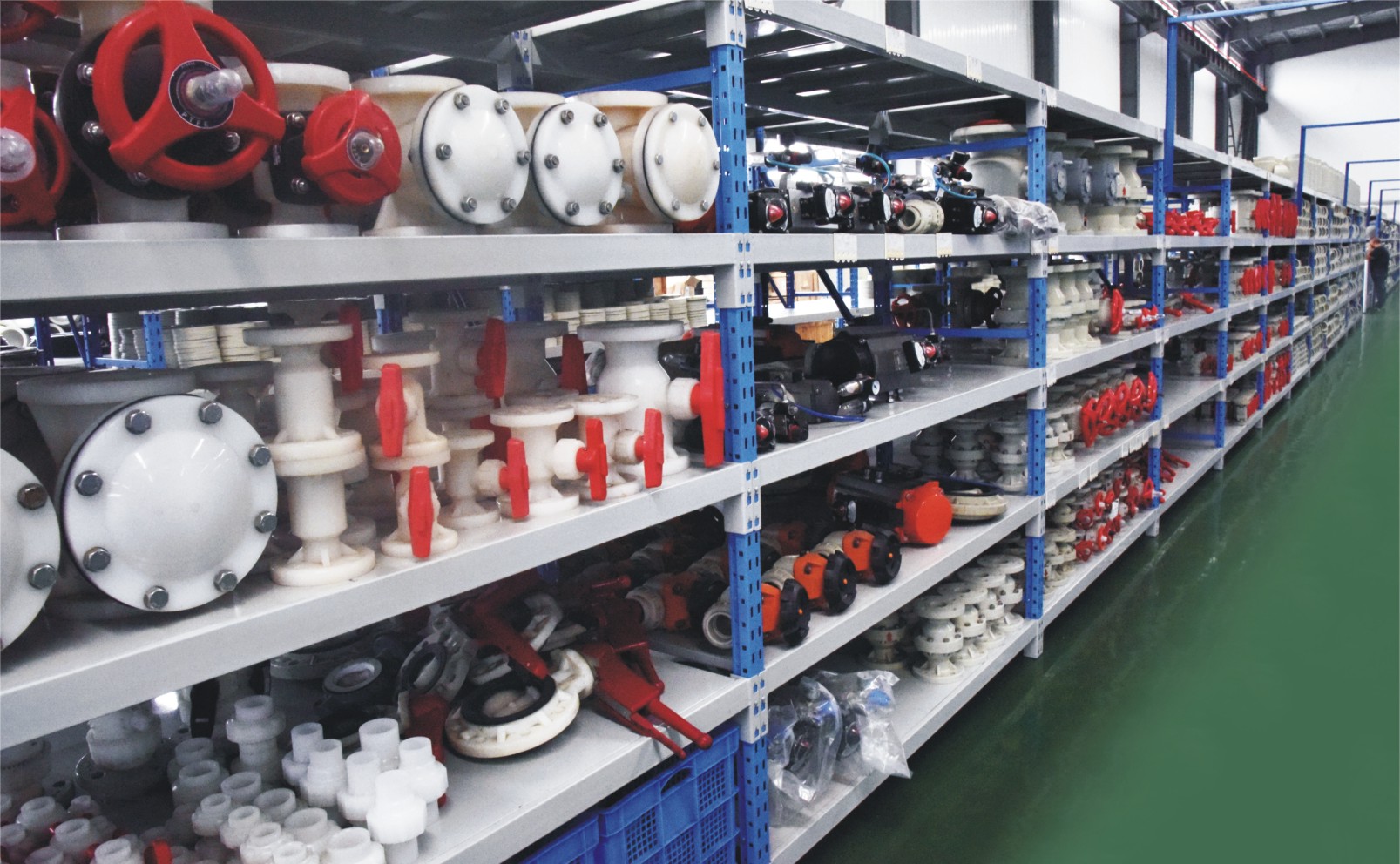
Factory Environment
Why Choose Us
Superior Quality
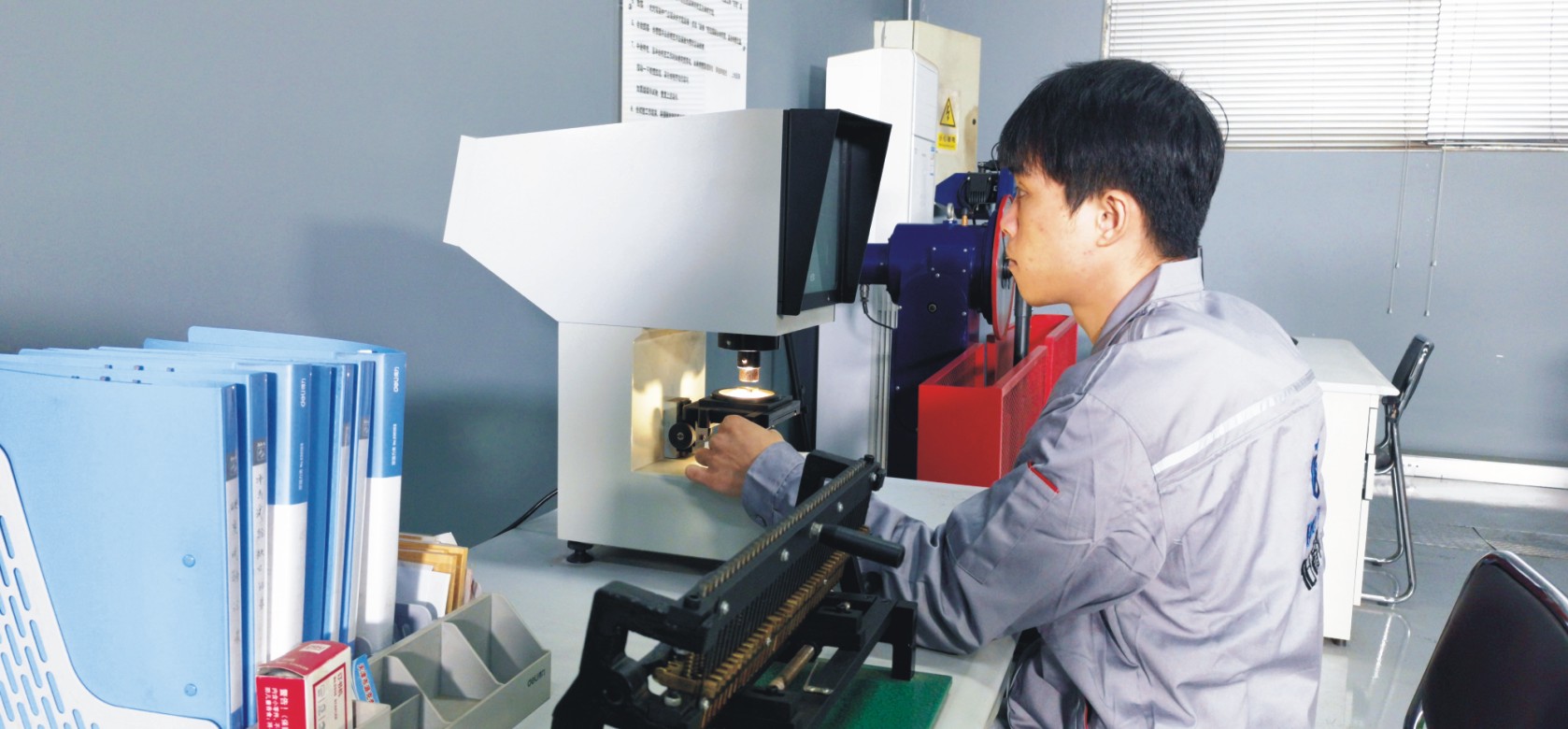
Our valves are produced from high-grade materials and subjected to strict quality inspections to guarantee dependable performance in challenging industrial environments.
Advanced Technology
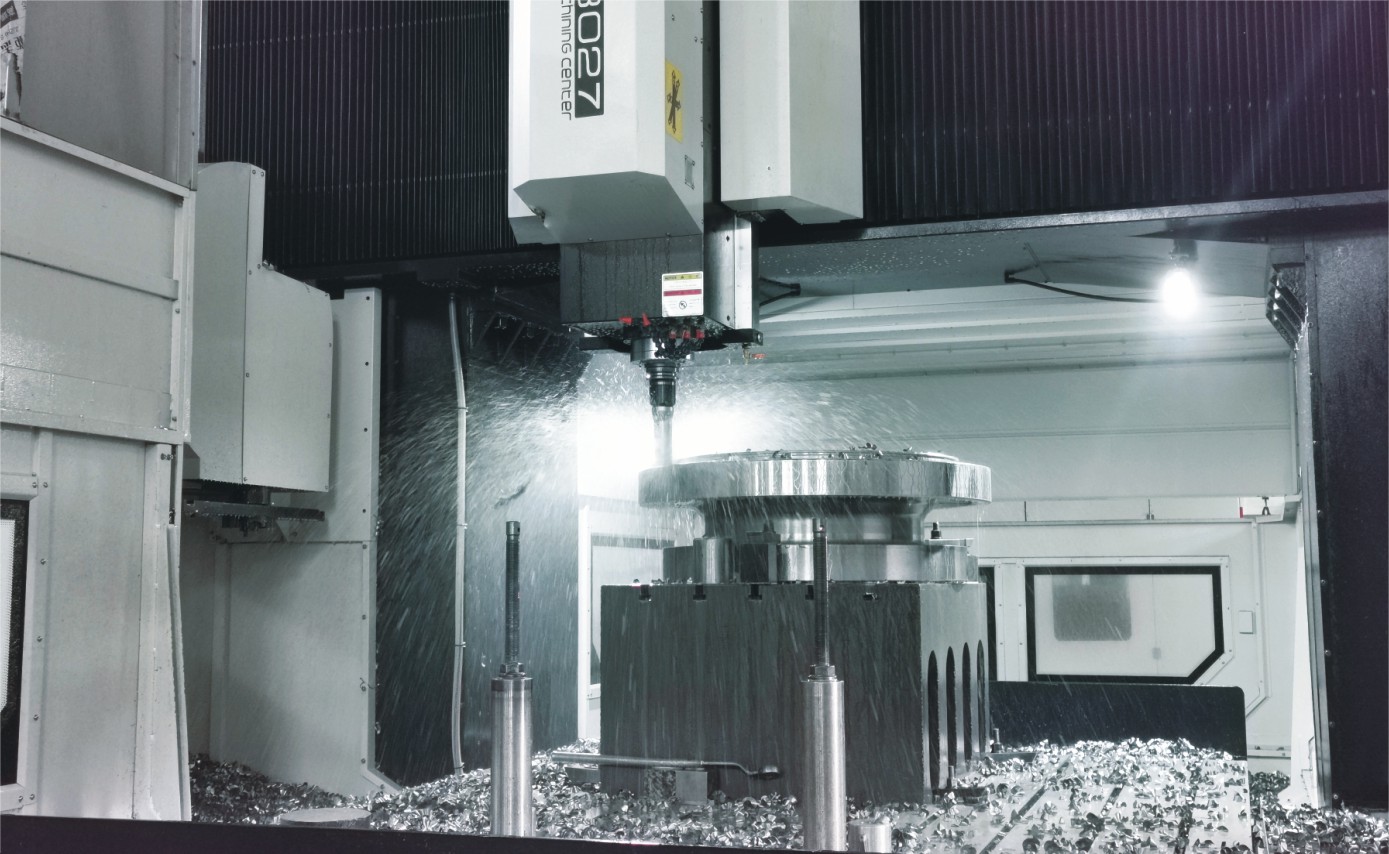
With cutting-edge CNC machining systems and high-precision manufacturing equipment, we ensure valves are made with outstanding accuracy and uniformity.
Competitive Pricing
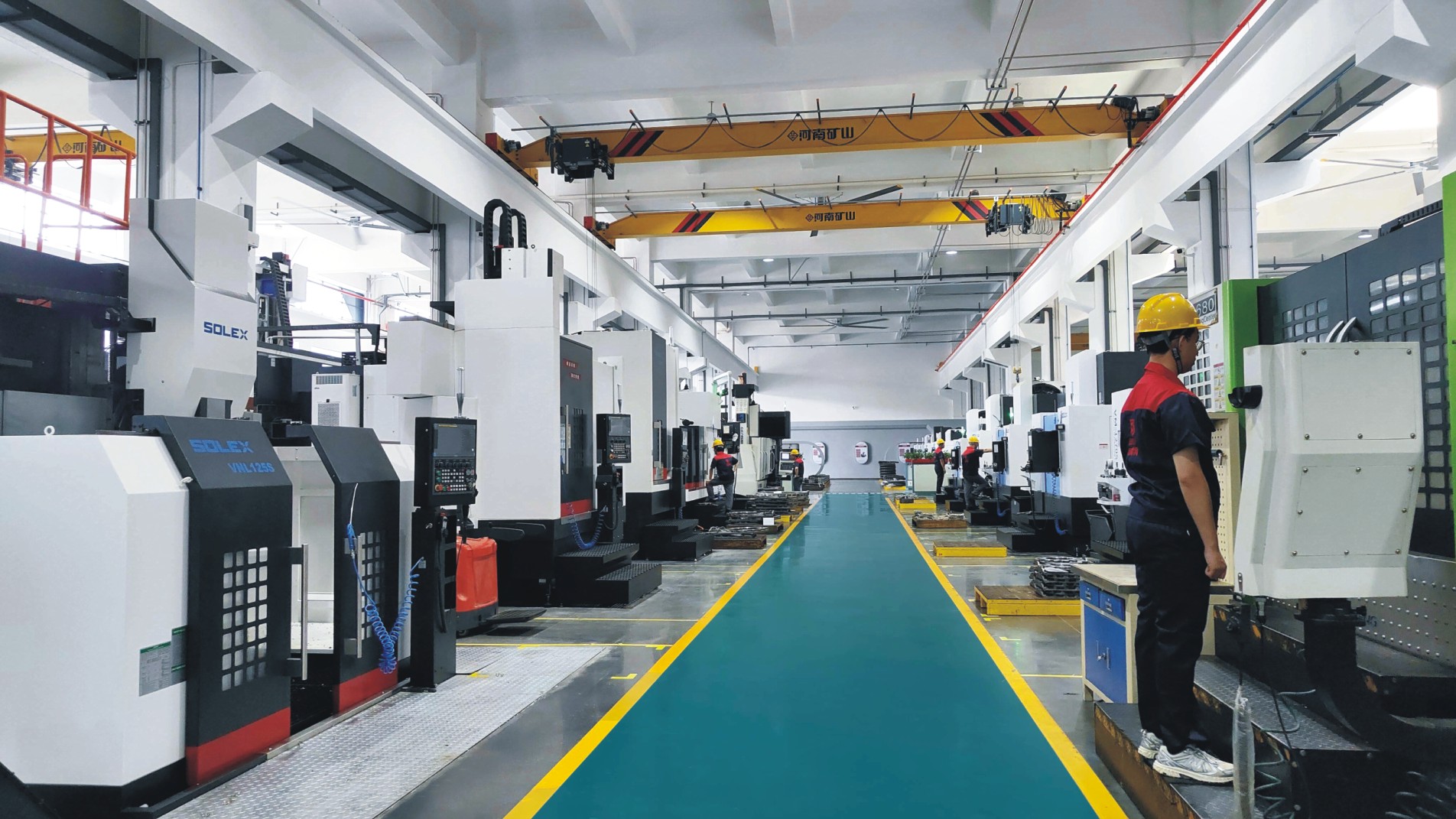
By streamlining production processes and sourcing materials in bulk, we provide premium-quality valves at competitive prices while maintaining excellent standards.
Expert Support
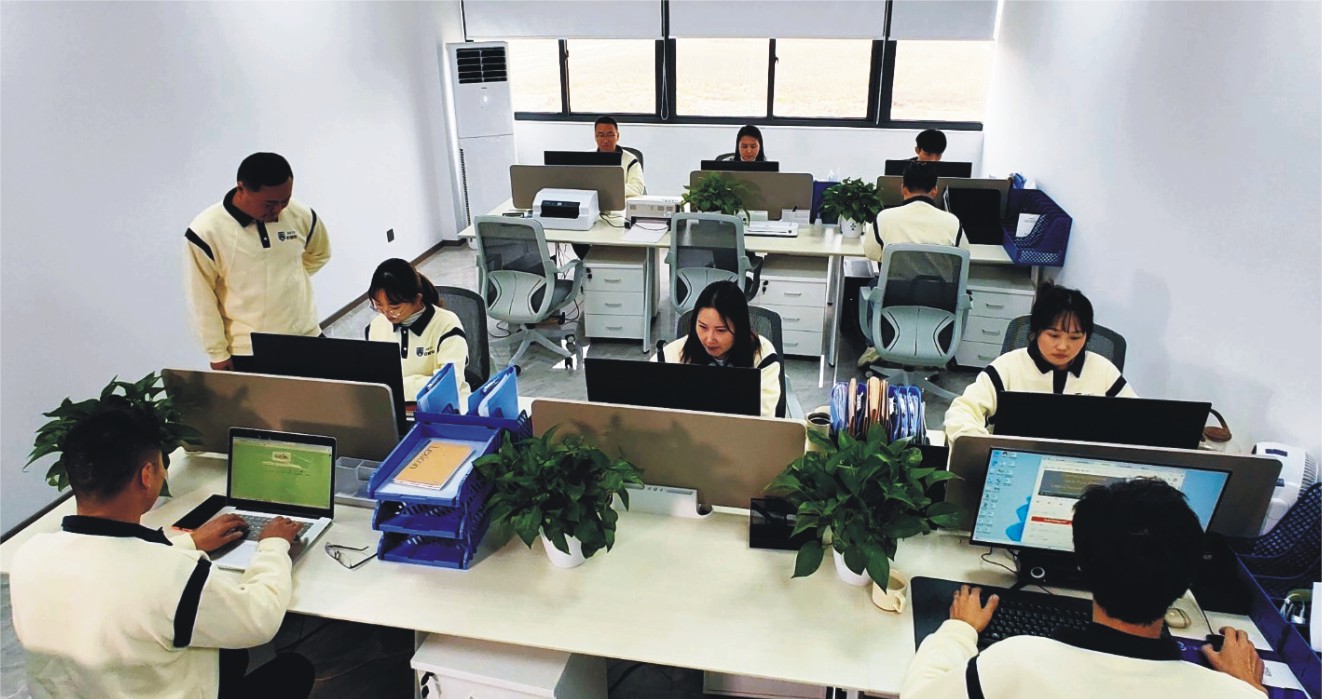
Our skilled technical team offers full support from product selection through after-sales service, helping ensure the best valve performance for your application.