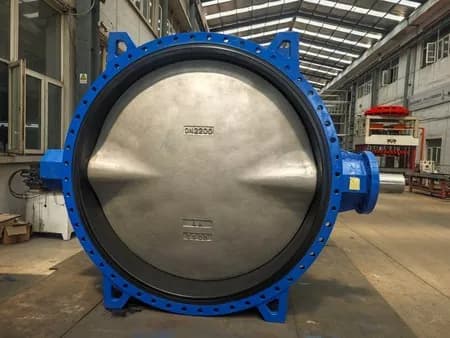
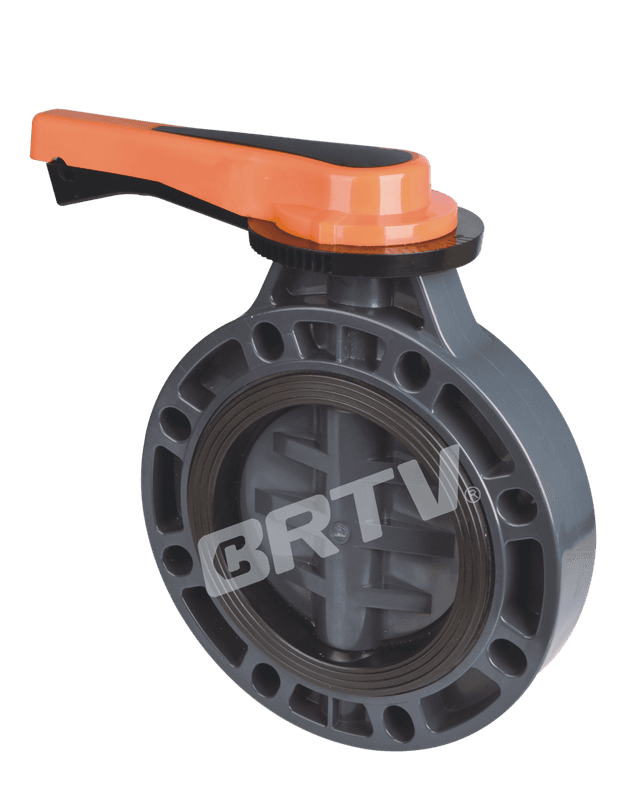
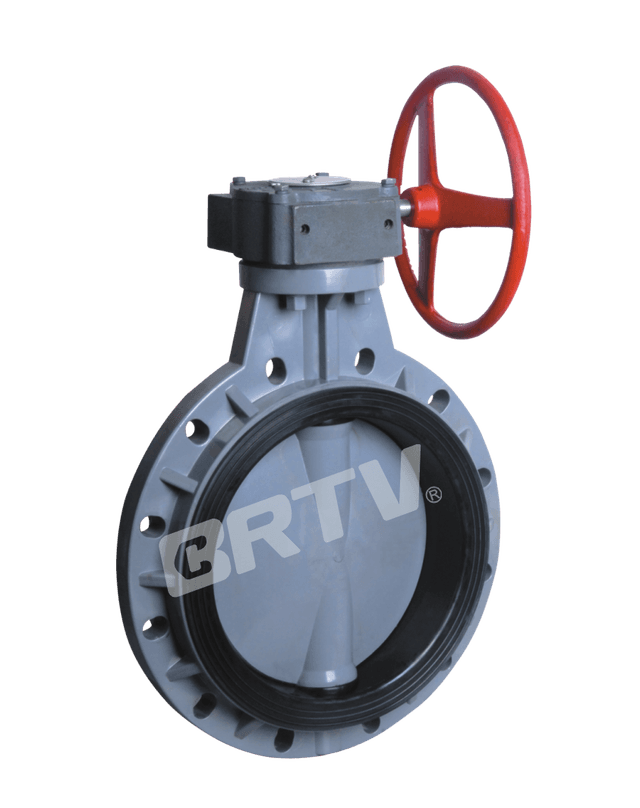
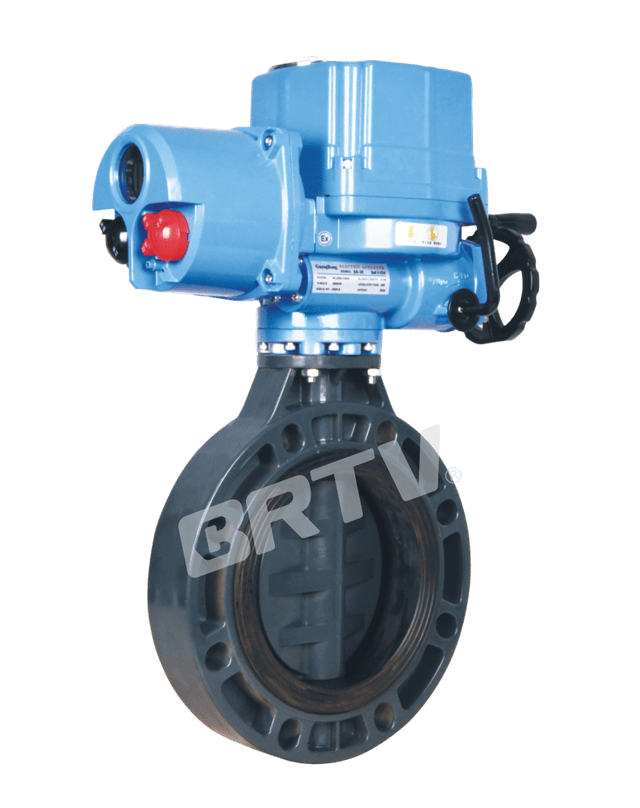
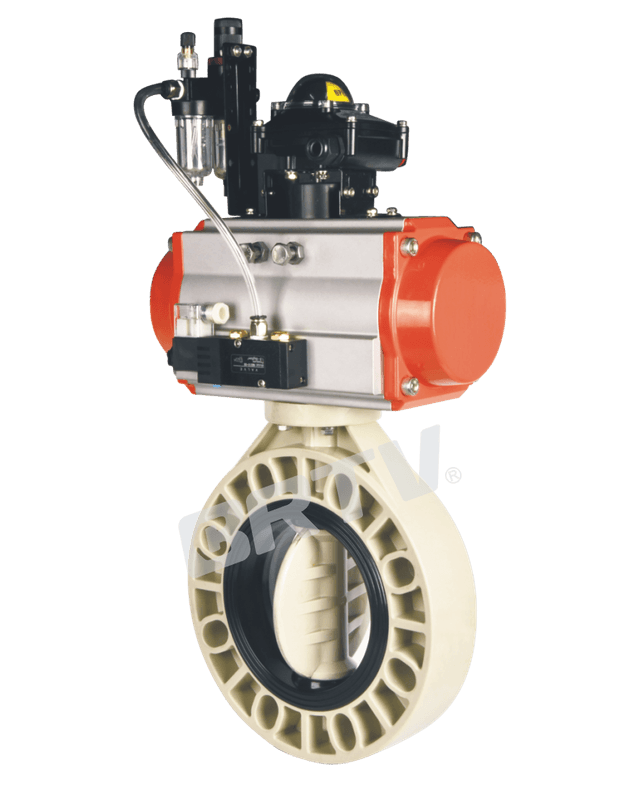
Features
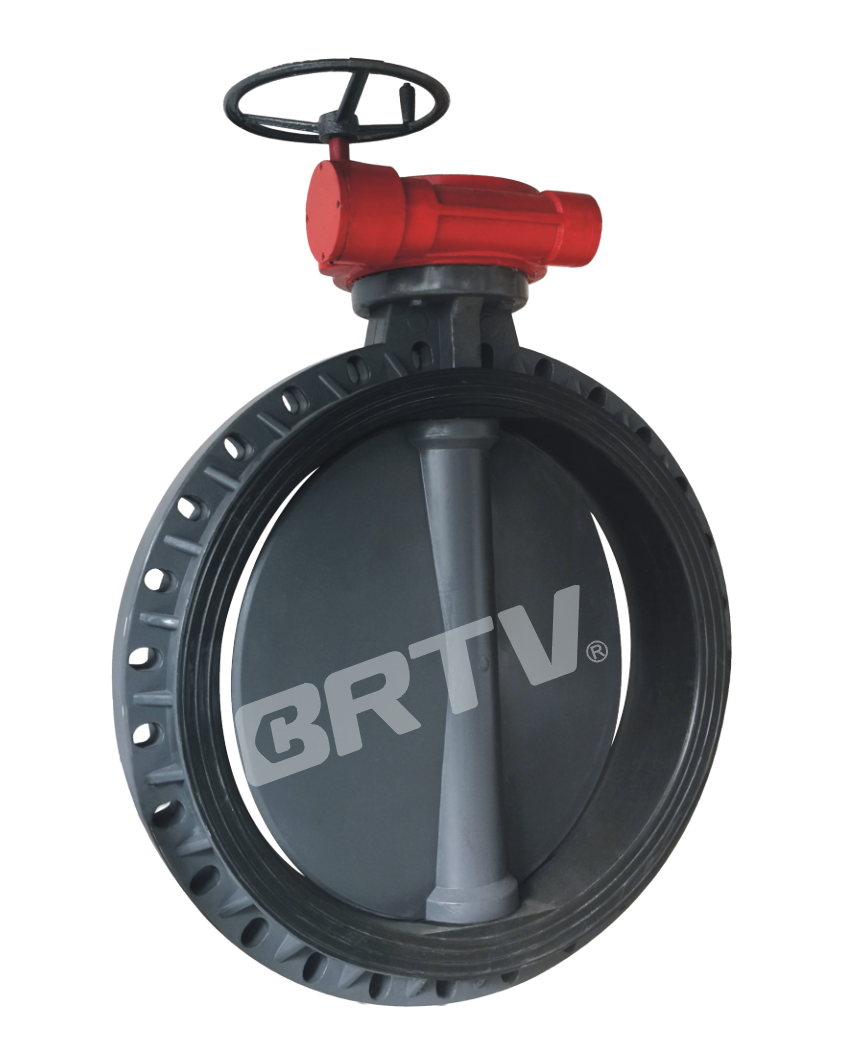
• The valve disc can be made from various materials with excellent corrosion resistance.
• The weight is about one-sixth of a metal butterfly valve, making installation and replacement easier.
• Excellent corrosion resistance provides a longer service life than metal valves. The reduced weight also lowers pipeline costs and allows replacement of metal valves in many applications.
• The valve stem diameter is consistent with that of metal valves, and the valve disc and body are designed with sufficient thickness to ensure high strength.
Parts & Material
| No. | Parts | Materials |
|---|
| 1 | Gear Box | Cast Iron, Aluminum Alloy, Plastic |
| 2 | Stem O-ring | EPDM, FPM |
| 3 | Stud Bolt & Nut | Steel & Plastic Nuts, Stainless Steel |
| 4 | Disc O-ring | EPDM, FPM |
| 5 | Disc | FRPP, PPH, UPVC, CPVC, PVDF |
| 6 | Seat | EPDM, FPM |
| 7 | Stem | Steel, Stainless Steel |
| 8 | Body | FRPP, PPH |
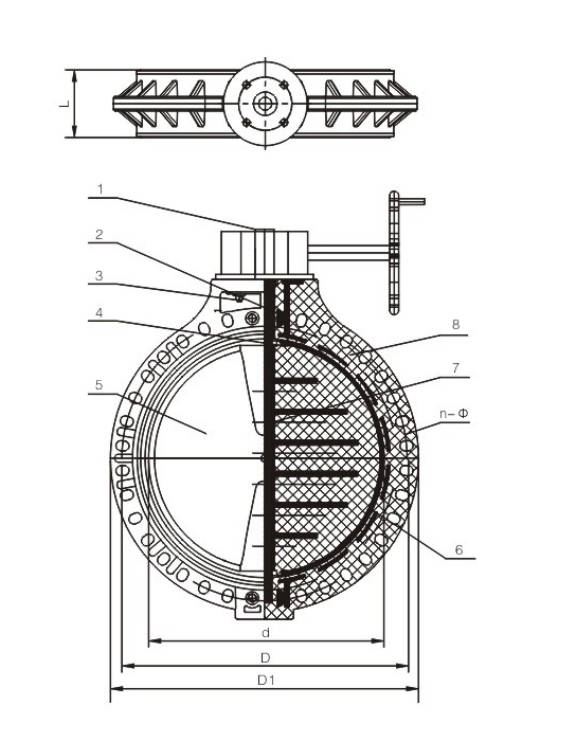
Dimensions Table
| DN | d | D (GB/DIN) | D (JIS) | D (ANSI) | D1 | L | n (GB/DIN) | n (JIS) | n (ANSI) | Working Pressure (MPa) |
|---|
| 700 | 676 | 840 | 840 | 864* | 925 | 200 | 24 | 24 | 28* | 0.2 |
| 800 | 771 | 950 | 950* | 978* | 1060 | 240 | 24 | 28* | 28* | 0.2 |
| 900* | 870 | 1050 | 1050 | 1086 | 1170 | 240 | 28 | 28 | 32 | 0.2 |
| 1000 | 970 | 1160 | 1160 | 1200 | 1290 | 300 | 28 | 28 | 36 | 0.2 |
| 1200* | 1170 | 1380 | 1380 | 1422 | 1510 | 300 | 32 | 32 | 44 | 0.2 |
Manufacturing Process
Step 1: Order and Design
Confirm technical parameters based on the customer’s operating conditions (pressure, temperature, medium), complete the structural design of the large-diameter butterfly valve—including body dimensions, sealing type (soft seal/hard seal), and actuation method (manual/worm gear/electric)—and generate production drawings.
Step 2: Raw Material Preparation & Molding
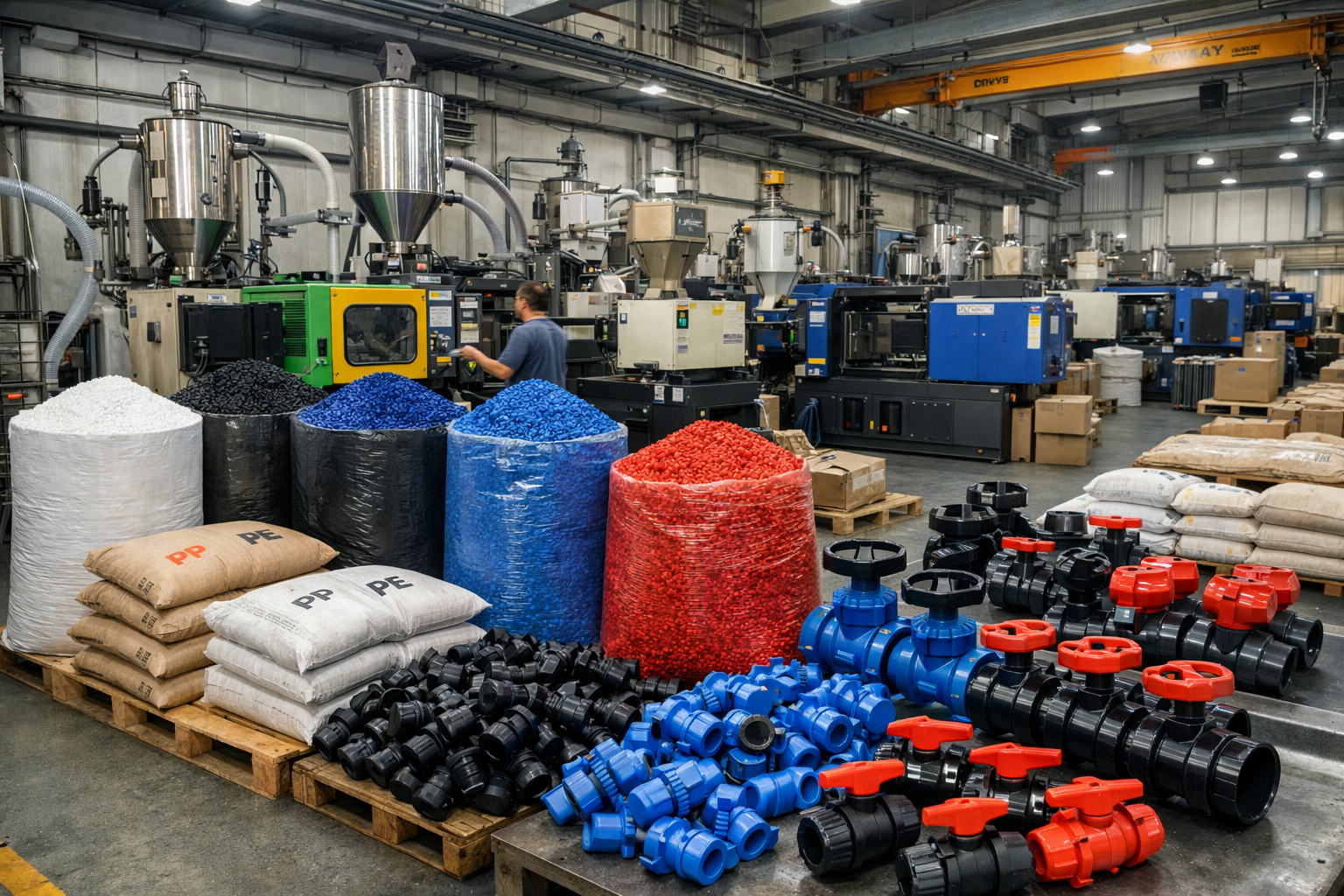
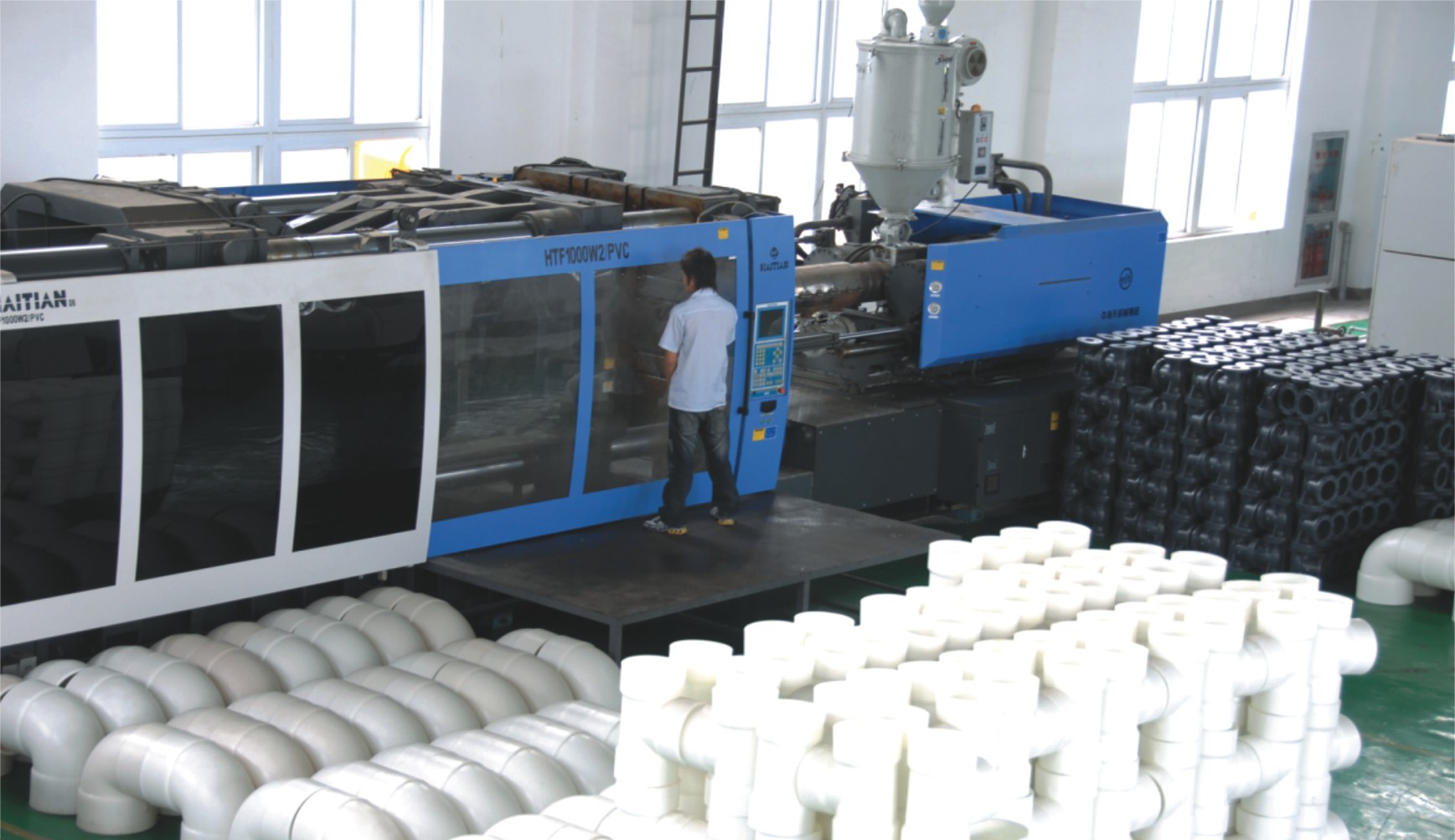
Select high-quality raw materials (such as PVC, UPVC, PP, or composite materials) and use injection molding or compression molding processes to form key components such as the valve body and disc, ensuring the large-diameter butterfly valve possesses excellent corrosion resistance and structural strength.
Step 3: Machining
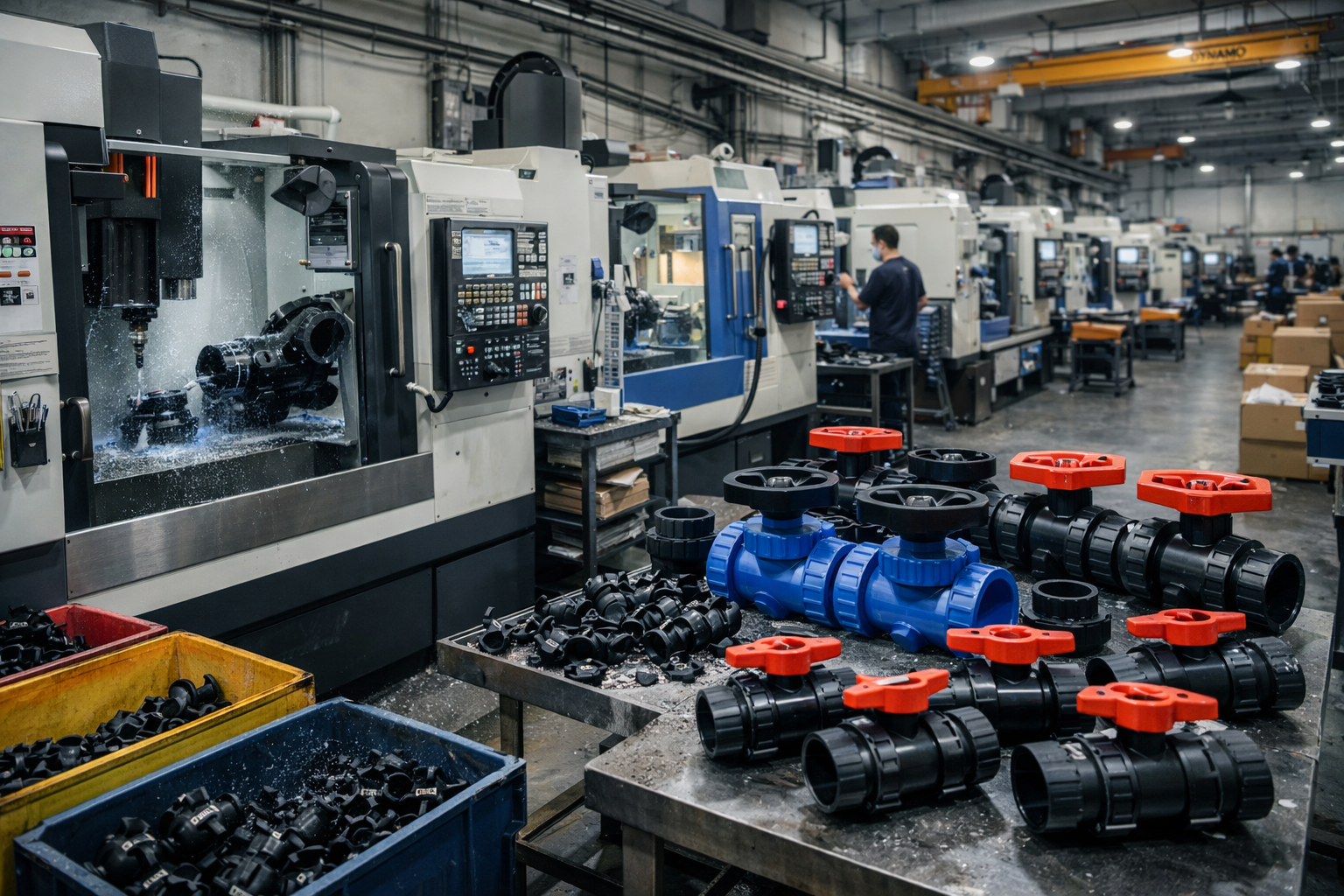
Precision-machine the valve body flange surfaces, sealing surfaces, and shaft bores to ensure dimensional accuracy and concentricity. Simultaneously, perform precision machining on critical mating surfaces of the large-diameter butterfly valve to enhance sealing performance and service life.
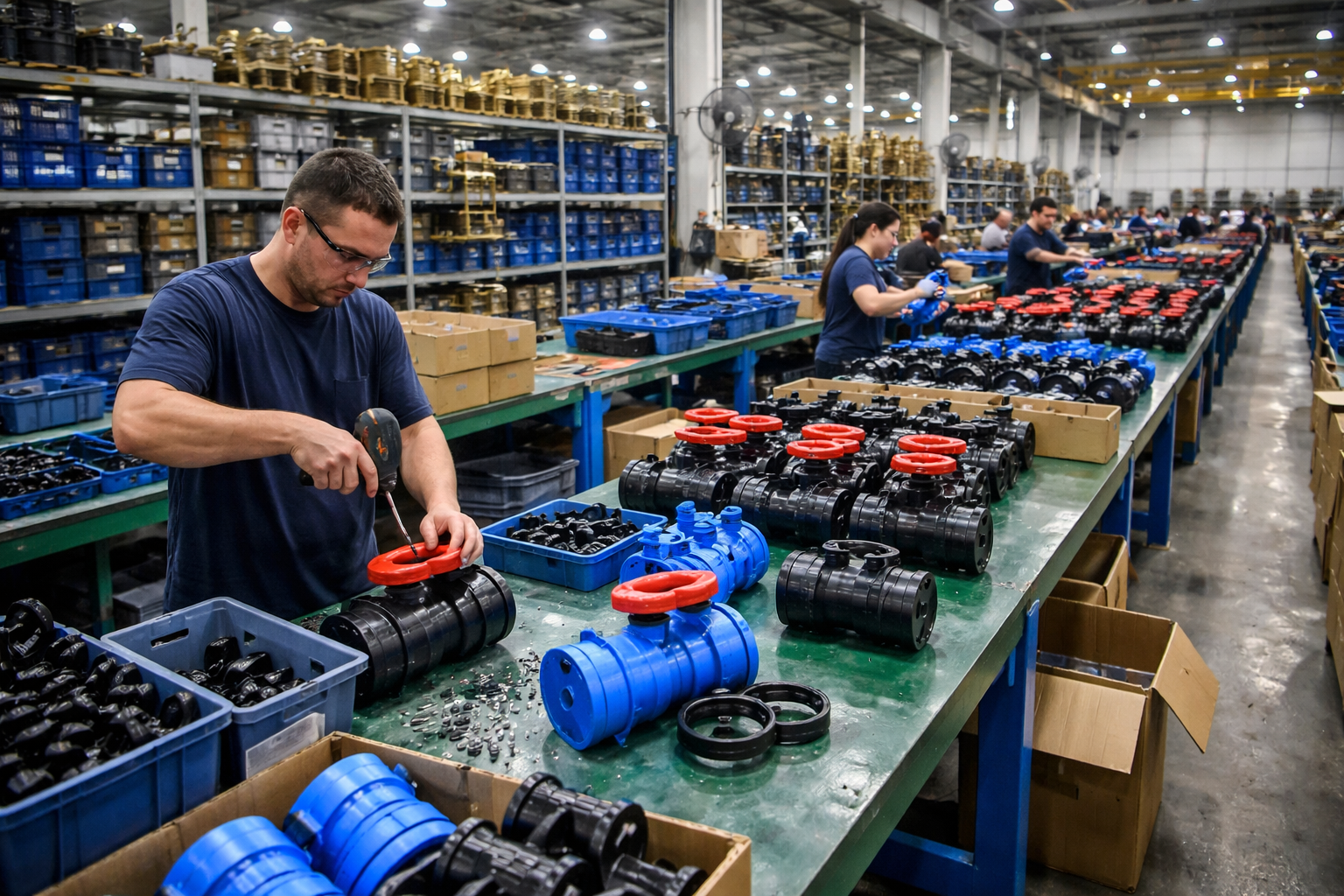
Step 4: Assembly
Assemble the valve body, disc, stem, seals, and actuator, with a focus on controlling the installation accuracy of sealing components to ensure the large-diameter butterfly valve operates smoothly and provides reliable sealing.
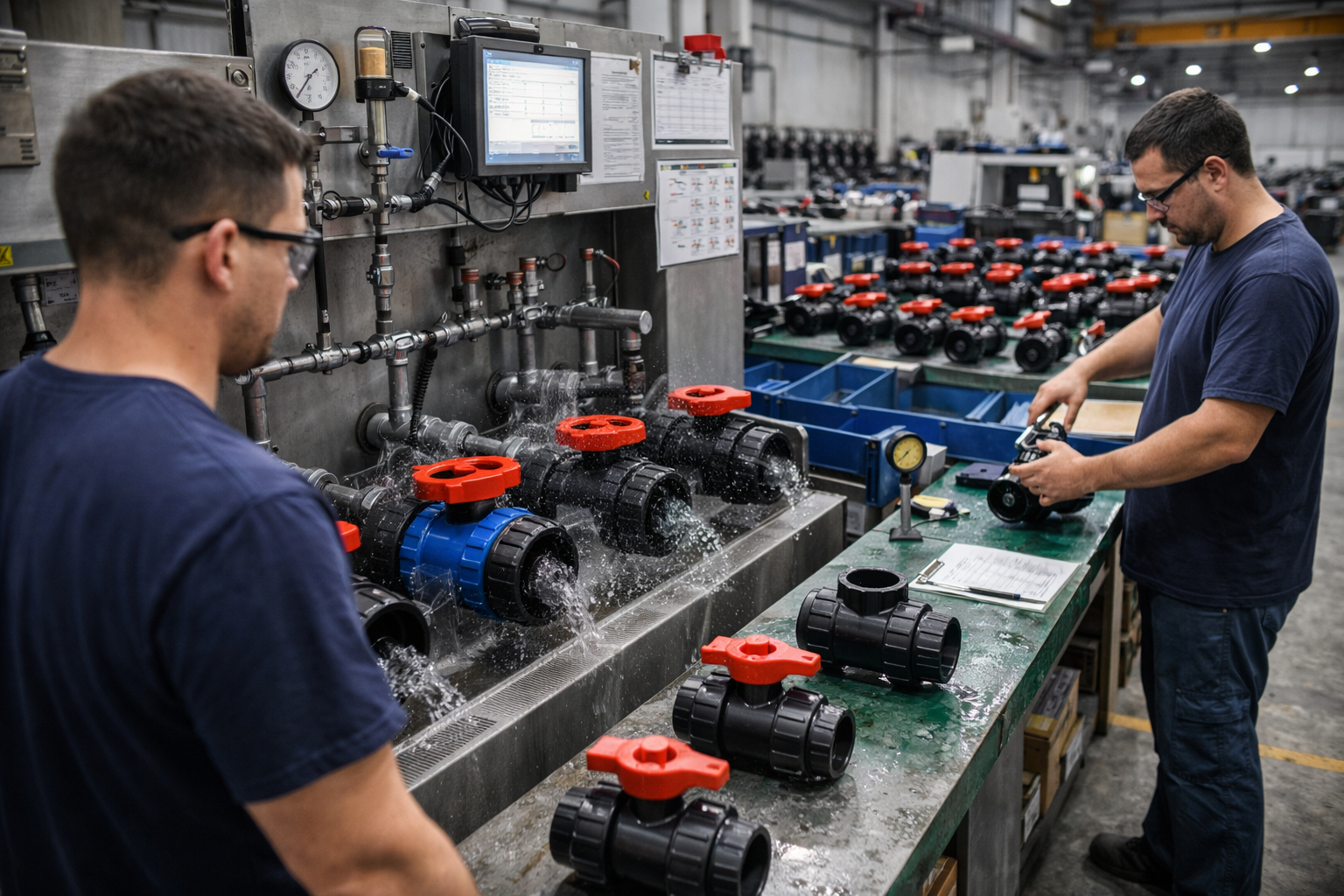
Step 5: Testing & Quality Assurance
The finished large-diameter butterfly valves undergo pressure testing, seal testing, and opening/closing torque testing to ensure compliance with relevant standards (such as ISO, ANSI, or DIN), followed by visual and dimensional inspections.
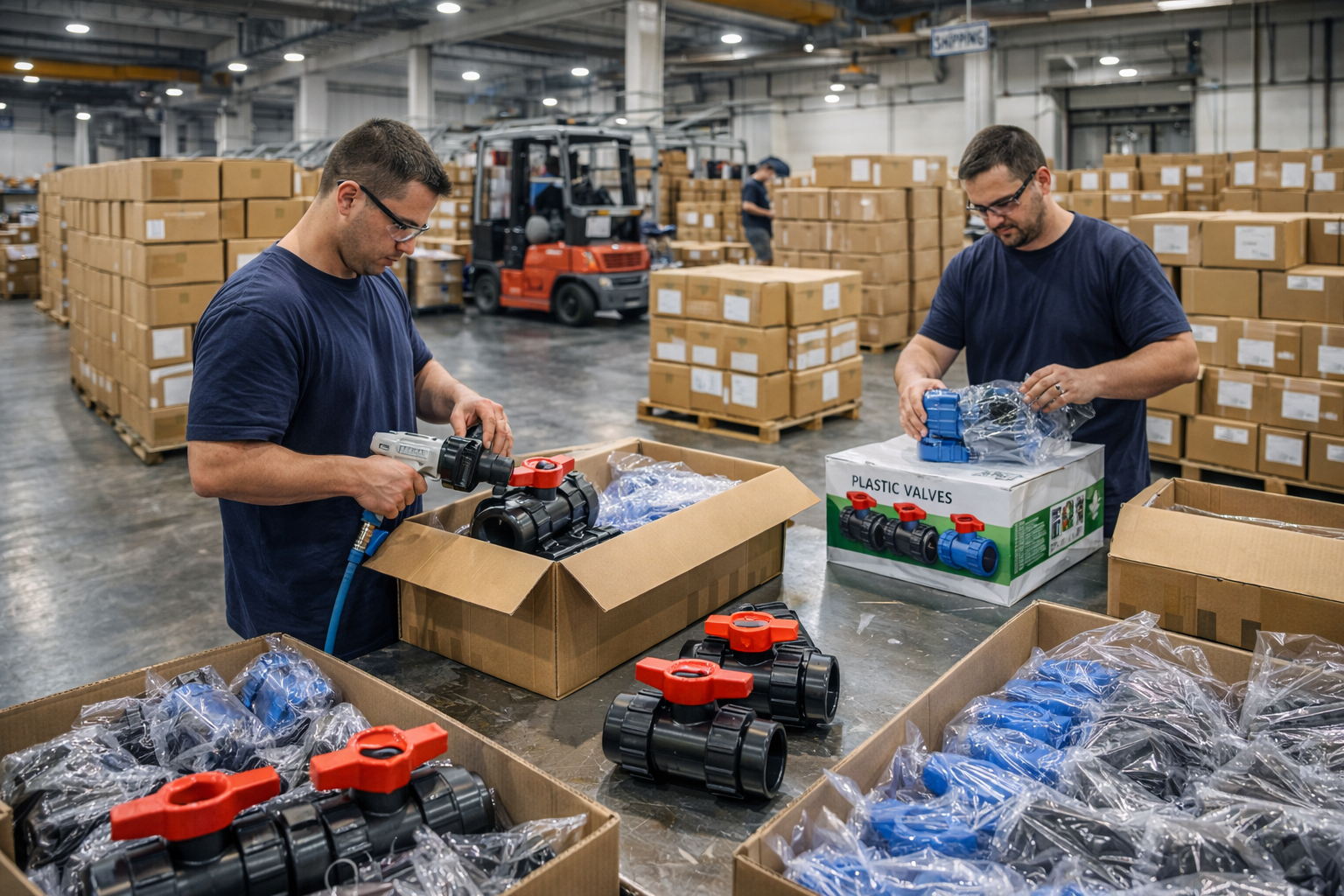
Step 6: Finishing, Packaging and Shipment
After cleaning and protective treatment, the valves are packaged using shock- and moisture-proof measures to ensure they remain undamaged during transport, and then shipped according to order specifications.
Applications
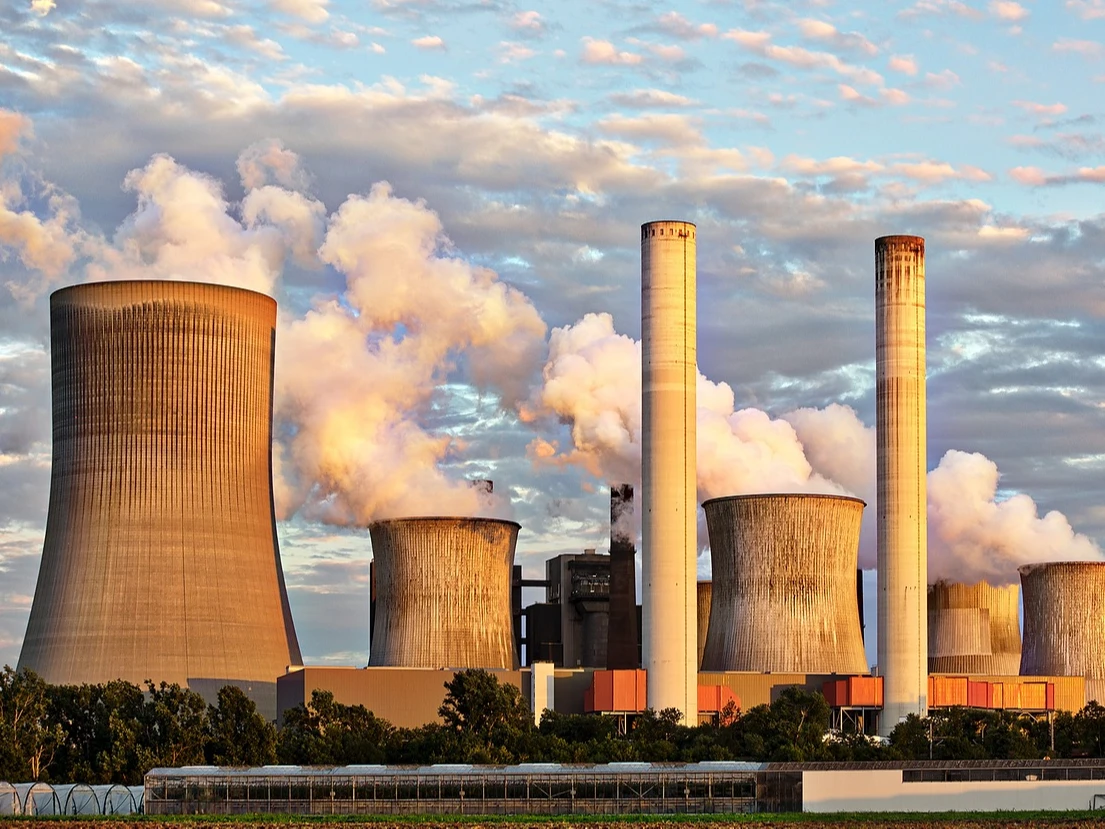
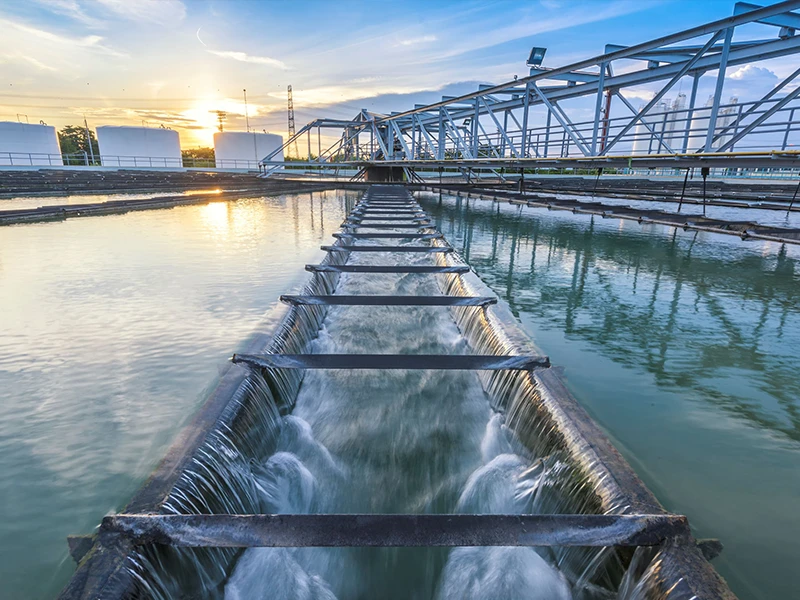
These valves are primarily used in water conservancy and hydropower, municipal water supply and drainage, thermal and nuclear power plant cooling water systems, metallurgy, and chemical engineering, where they are employed for regulating and shutting off media under high-pressure, high-temperature, or harsh operating conditions.
These valves are widely used in:
Agriculture and Irrigation
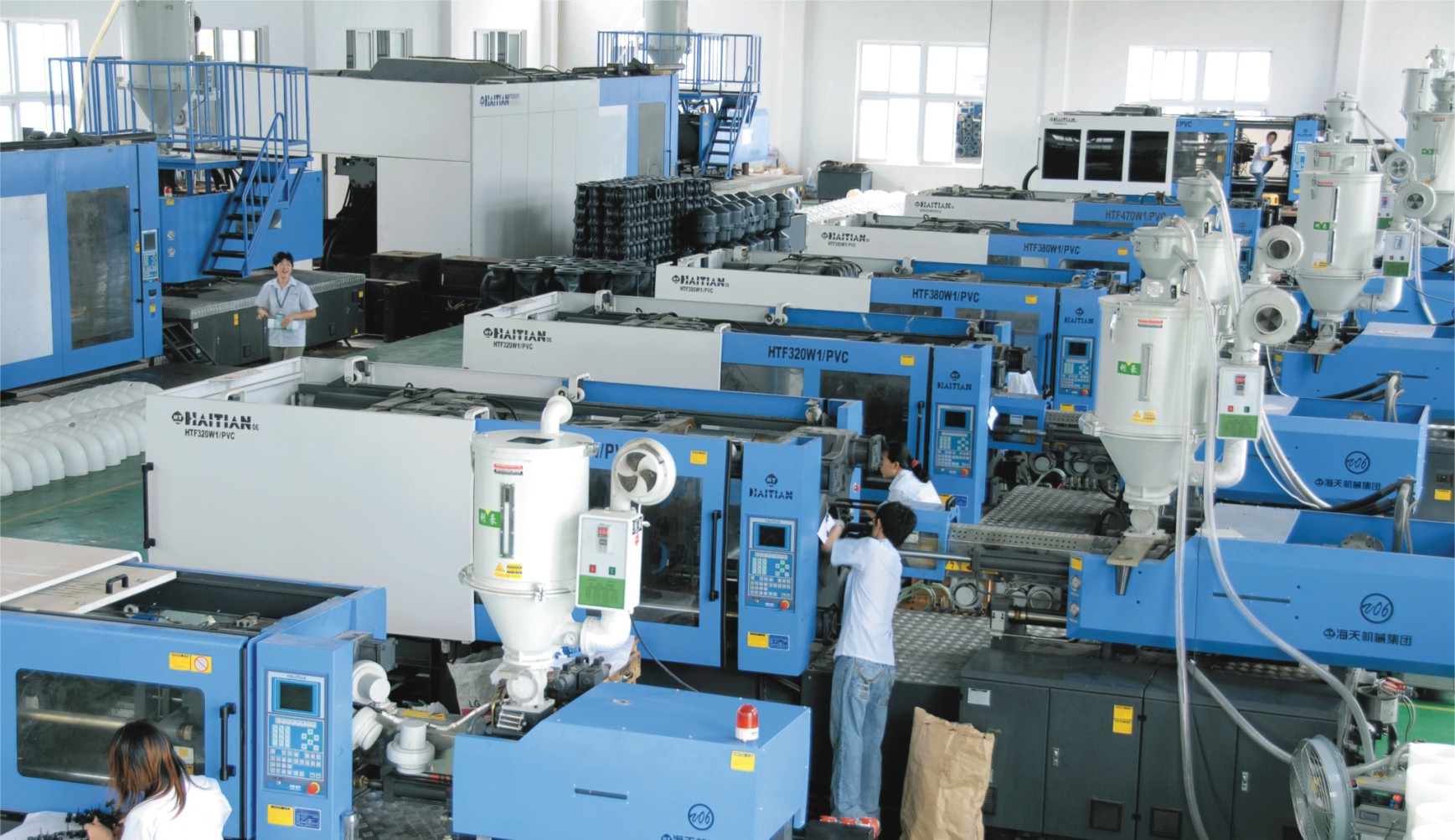
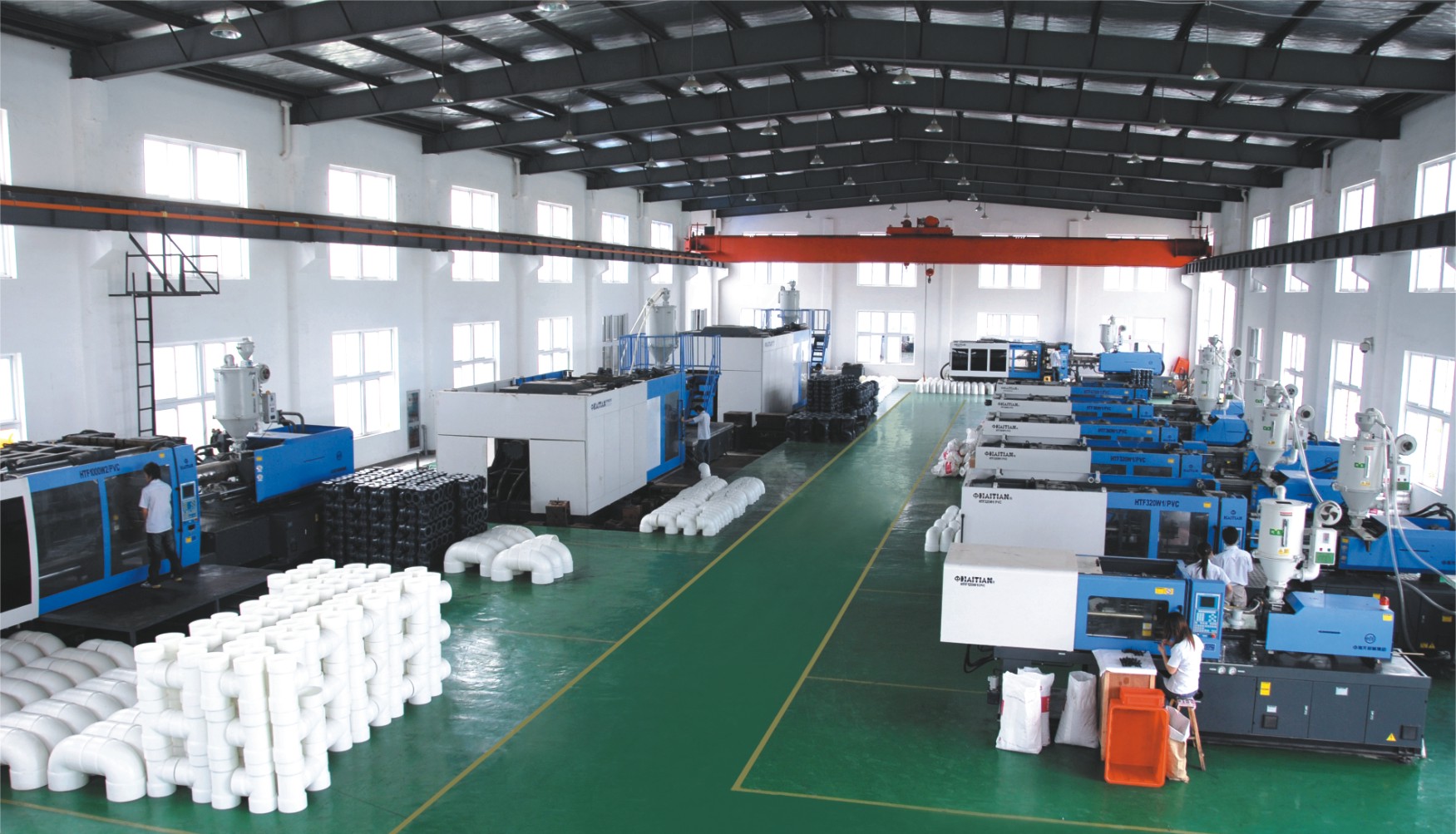
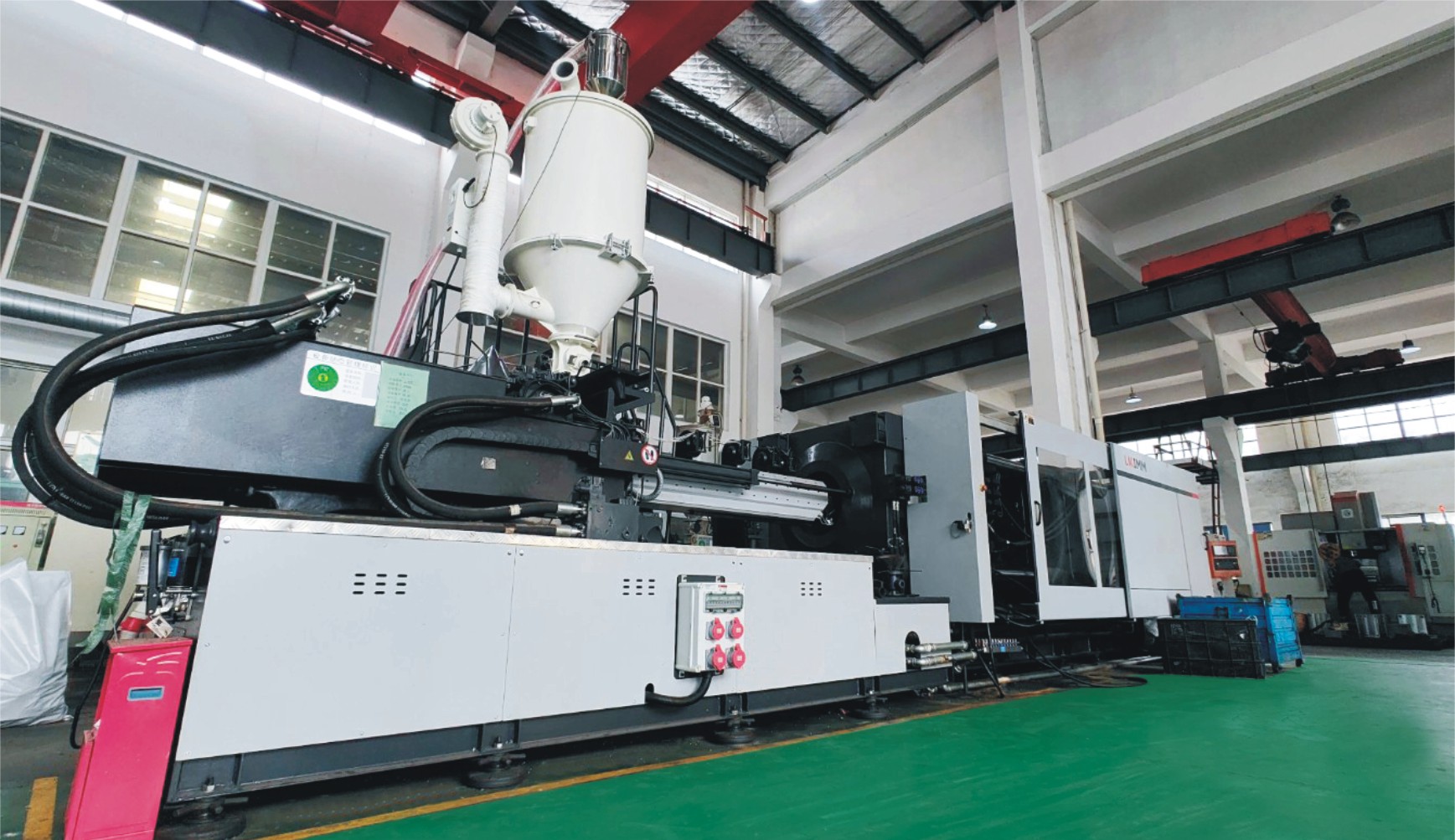
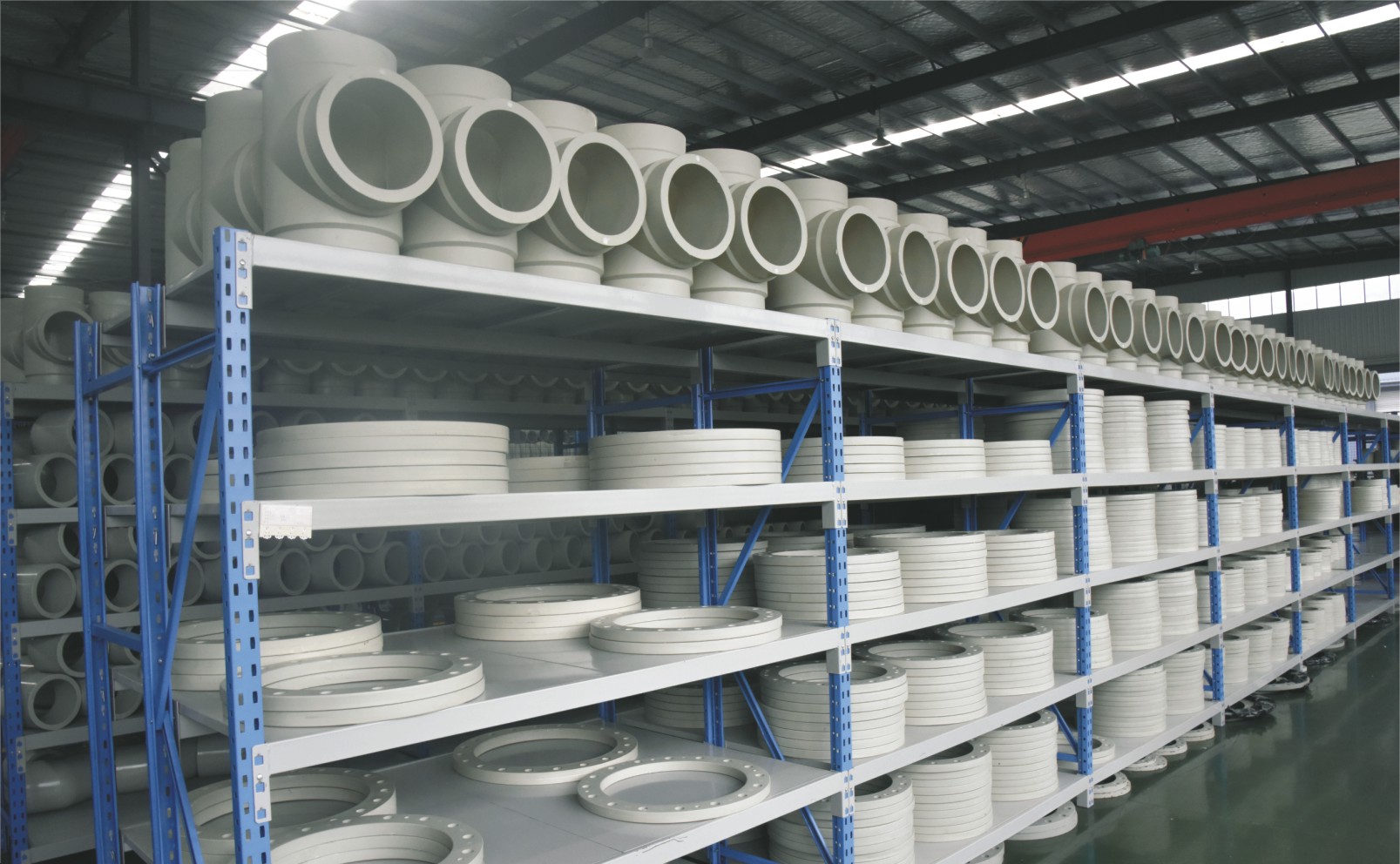
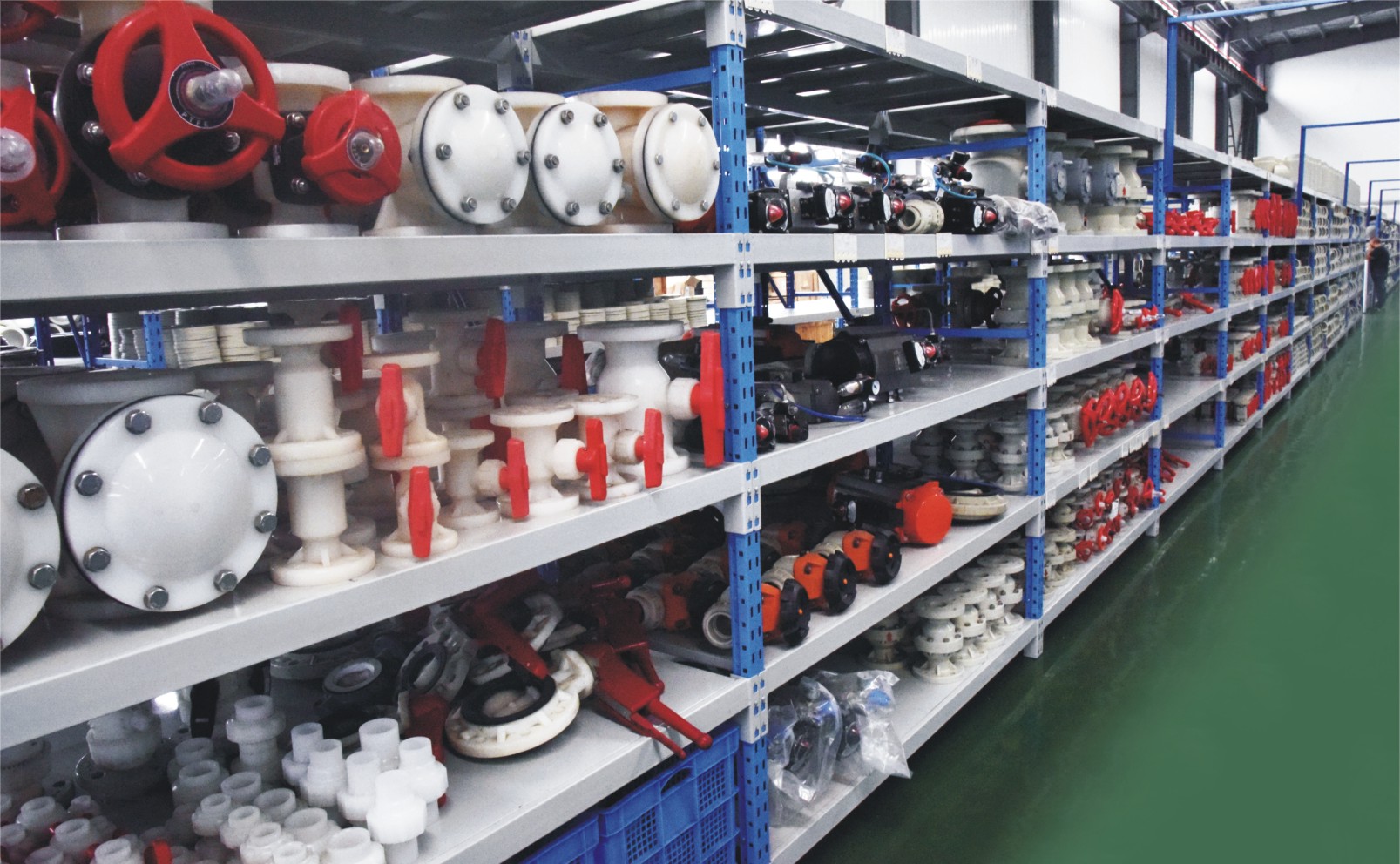
Factory Environment
Why Choose Us
Superior Quality
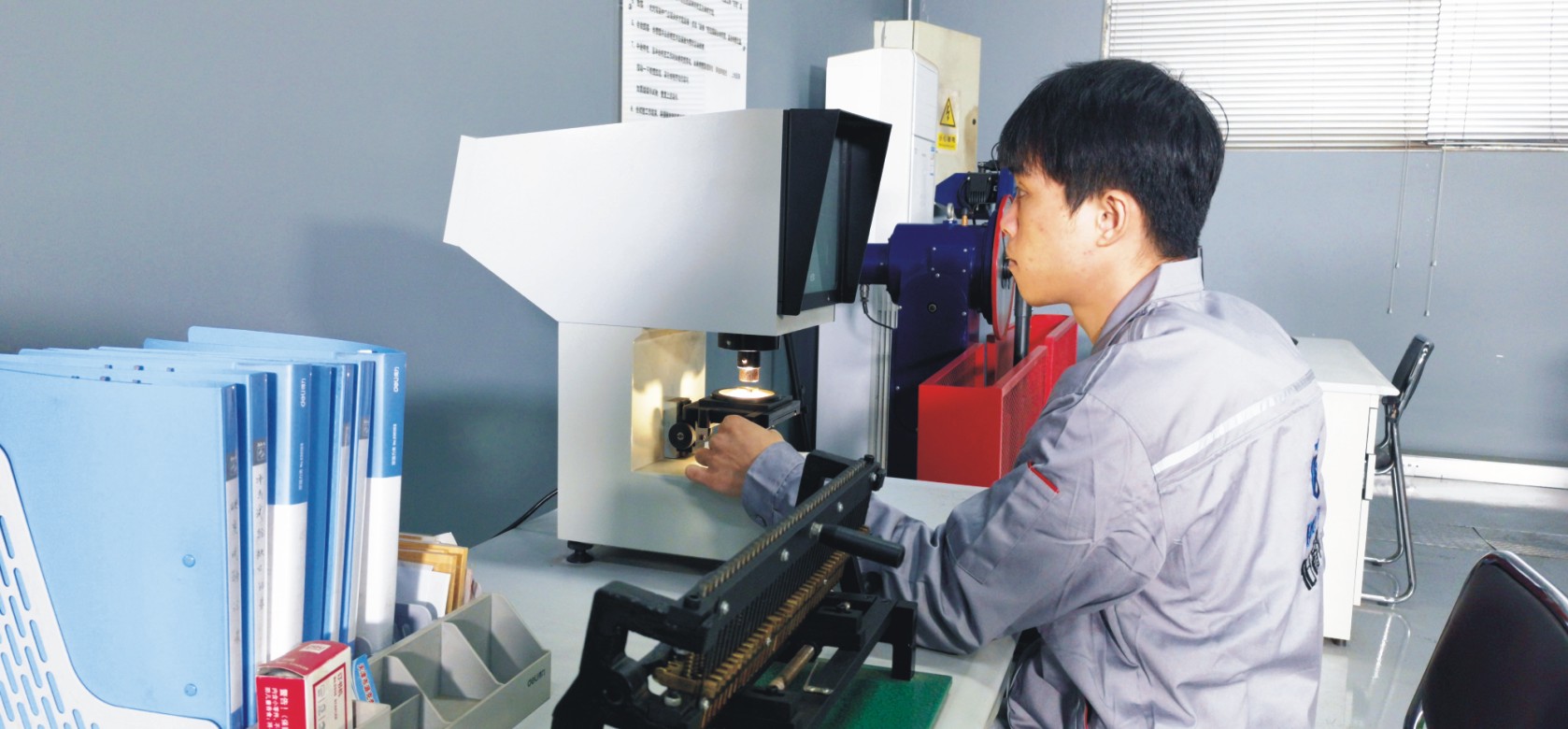
Our valves are produced from high-grade materials and subjected to strict quality inspections to guarantee dependable performance in challenging industrial environments.
Advanced Technology
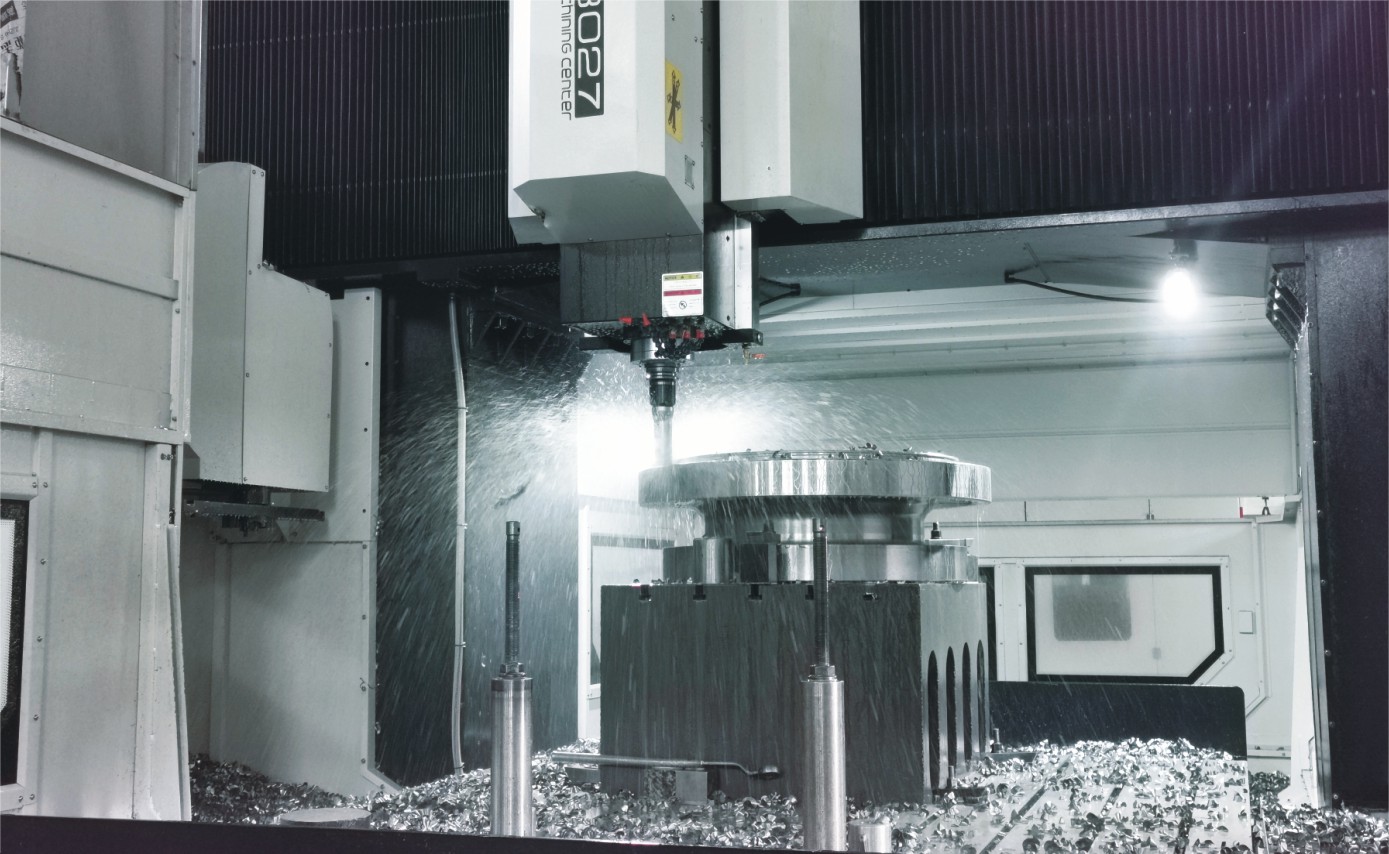
With cutting-edge CNC machining systems and high-precision manufacturing equipment, we ensure valves are made with outstanding accuracy and uniformity.
Competitive Pricing
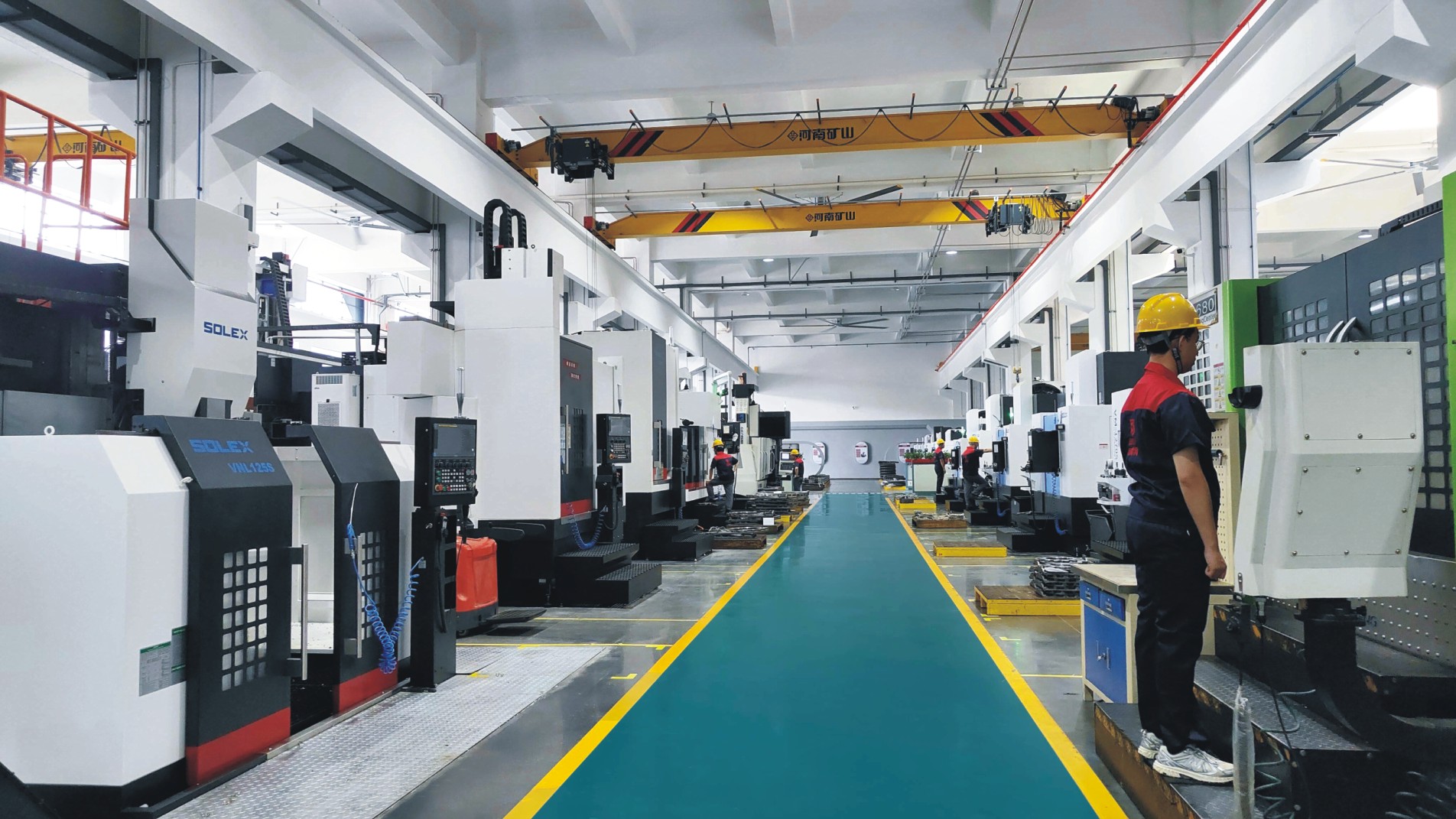
By streamlining production processes and sourcing materials in bulk, we provide premium-quality valves at competitive prices while maintaining excellent standards.
Expert Support
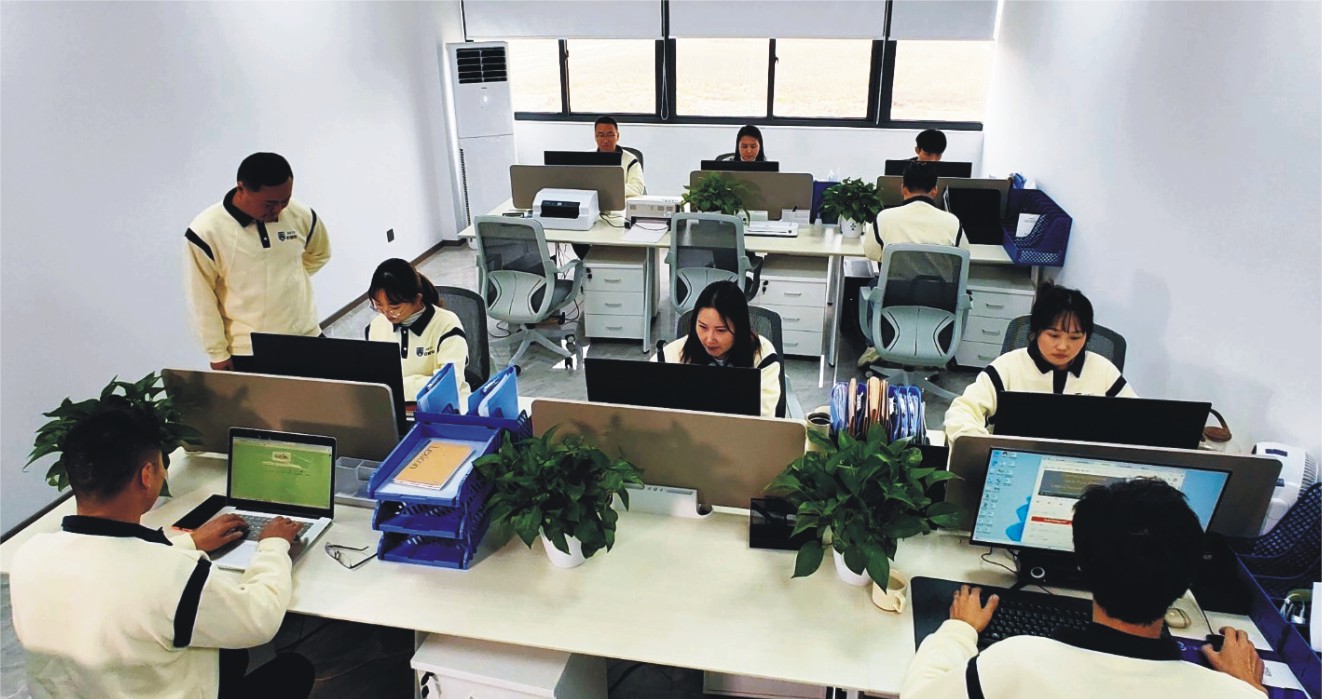
Our skilled technical team offers full support from product selection through after-sales service, helping ensure the best valve performance for your application.